 Haaland Has Seven Goals and Norway Runs Entirely Through Him
⚽️2026 FIFA WORLD CUP
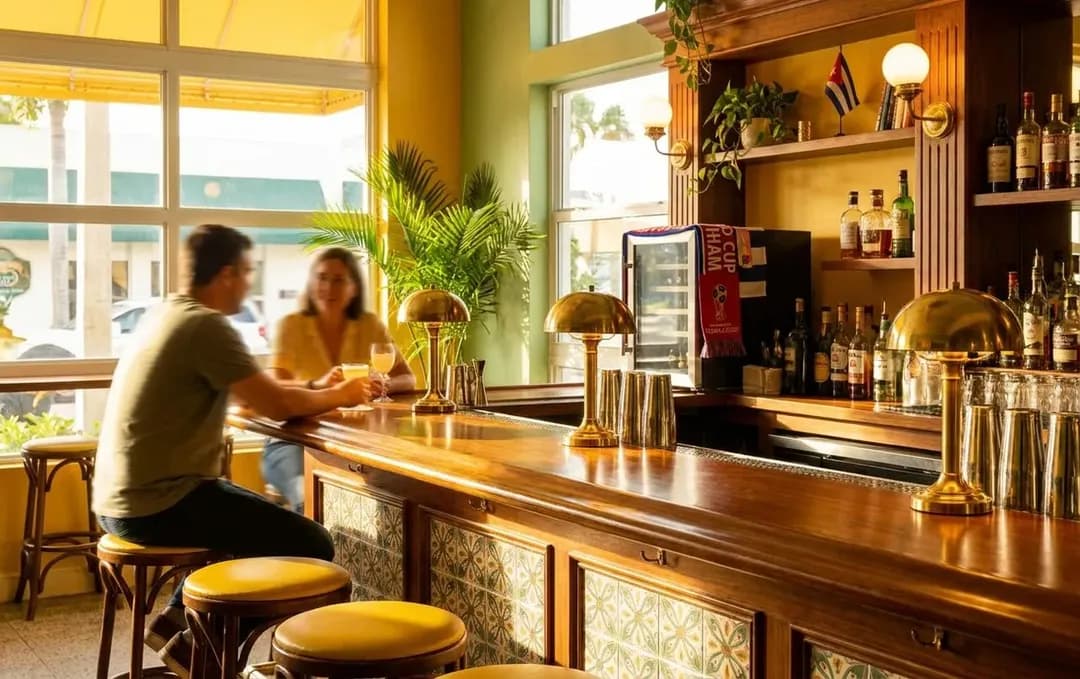
A Weekend in Miami Between Two World Cup Match Days
Between World Cup matches at Hard Rock Stadium, Miami's beaches, Cuban coffee counters, and Wynwood murals offer the perfect mid-tournament reset.
The rhythm of a tournament week in South Florida
Hard Rock Stadium sits in Miami Gardens, about twenty minutes north of downtown by car and a straightforward ride on match-day shuttles. When the 2026 World Cup schedule places two fixtures here within a handful of days—say a group-stage clash on Wednesday evening and a knockout round on Sunday afternoon—you're left with a Thursday, Friday, and Saturday to experience the city outside the stadium bowl. That window is long enough to shake off the post-match adrenaline, sleep in past the alarm, and rediscover why Miami feels less like a single destination and more like a collection of distinct villages stitched together by causeways and palm-lined avenues.
A weekend in Miami? Ask Karpo what to do between World Cup match days.
The tournament itself runs from June 11 through July 19, 2026, with 48 teams spread across the United States, Canada, and Mexico. Miami's fixtures will draw crowds from across the Americas and beyond, filling hotels from Brickell to Sunny Isles. Between matches, the city doesn't pause—it simply absorbs the new energy and keeps moving. Your job is to move with it, trading the roar of the stands for the quieter pleasures of a cortadito at a walk-up window or the sight of a pelican diving into the surf at dawn.
Brightline, the express rail service, connects Miami proper to Fort Lauderdale and West Palm Beach, but within the city itself you'll rely on rideshares, the Metromover loop downtown, or your own two feet. The beauty of a mid-tournament weekend is that you can let the schedule breathe. No need to cram every landmark into a single day; instead, pick a neighborhood each morning and let it unfold at its own pace.
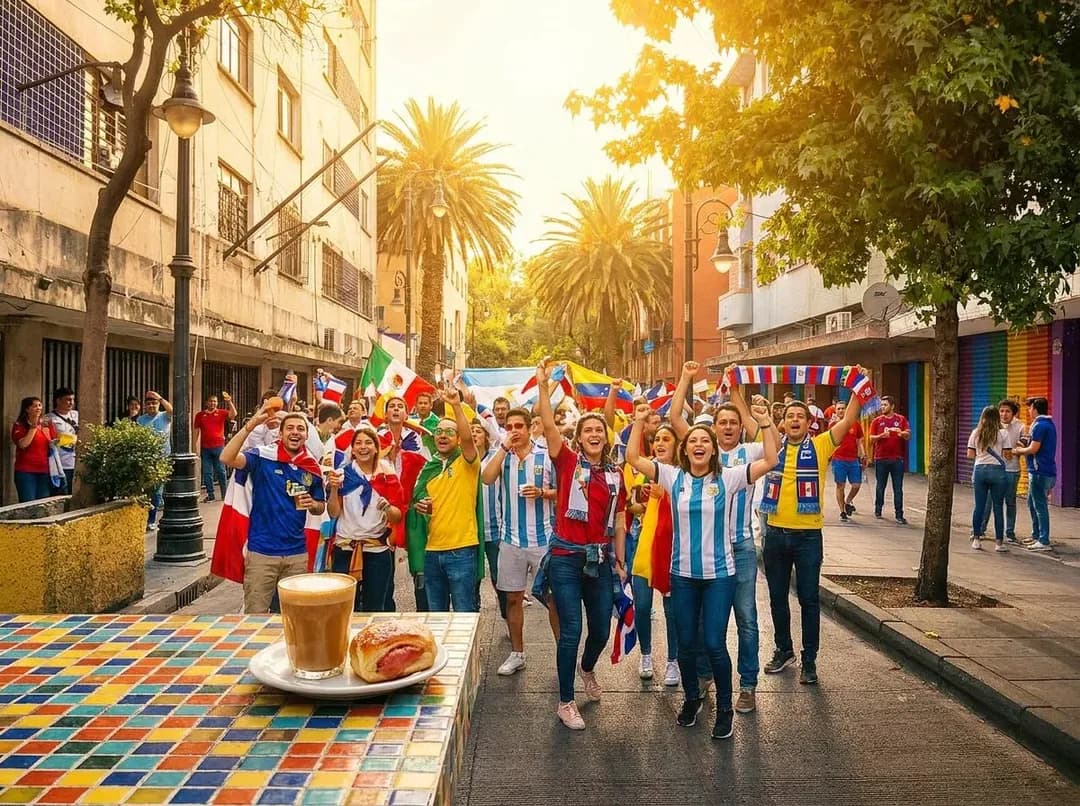
South Beach mornings and the art of doing nothing well
South Beach remains the postcard image of Miami, and for good reason. The stretch of sand between Fifth and Fifteenth streets offers warm, swimmable water in June, reliable sun, and a parade of humanity that ranges from early-morning joggers to families setting up umbrellas by nine. The Art Deco Historic District runs along Ocean Drive and Collins Avenue, pastel facades gleaming in the morning light. You don't need a guidebook to appreciate the architecture—just walk a few blocks and let the geometry and color do the work.
By late morning the beach fills in, but the vibe stays relaxed. Rent a chair and umbrella from one of the concessions, or spread a towel on the public sand. The water is bathwater-warm, the waves gentle enough for a lazy float. If you want a break from the sun, Lincoln Road Mall offers shade, outdoor cafes, and people-watching that rivals the beach itself. The pedestrian corridor runs east-west for several blocks, lined with restaurants, gelato counters, and shops that range from international chains to local boutiques.
Lunch can be as simple as a Cuban sandwich from a deli counter or as leisurely as ceviche and a cold beer at an open-air table. South Beach rewards aimlessness—there's no wrong turn, no wasted hour. By mid-afternoon you'll have burned through enough sunscreen to justify a nap back at the hotel or a slow walk north toward the quieter stretches of Mid-Beach, where the crowds thin and the ocean feels like it belongs to you alone.
Little Havana's coffee windows and the soul of the city
Little Havana centers on Calle Ocho—Southwest Eighth Street—a thoroughfare that hums with Spanish conversation, live music spilling from doorways, and the scent of roasting coffee and frying plantains. This is where Miami's Cuban heritage lives loudest, in the details: hand-rolled cigars in shop windows, domino games under the shade of banyan trees in Máximo Gómez Park, murals honoring poets and revolutionaries. It's a neighborhood built for walking, best explored in the early evening when the heat softens and the street comes alive.
Stop at any ventanita—a walk-up coffee window—and order a cortadito, the local espresso cut with steamed milk and sweetened just enough to take the edge off. Pair it with a pastelito, a flaky pastry filled with guava or meat, and you've got the platonic ideal of a mid-afternoon snack. These windows are social hubs, places where regulars exchange news and newcomers are welcomed with a nod and a quick pour. The coffee is strong, the service efficient, the ritual unchanging.
Calle Ocho also offers full sit-down restaurants serving ropa vieja, lechón asado, and yuca con mojo, but some of the best meals come from the smaller spots with plastic chairs and laminated menus. The neighborhood doesn't perform for tourists—it simply exists, confident in its own rhythms. Spend an hour here and you'll understand why Miami feels less like a beach resort and more like a crossroads of the Americas, a city where cultures collide and blend without losing their distinct flavors.
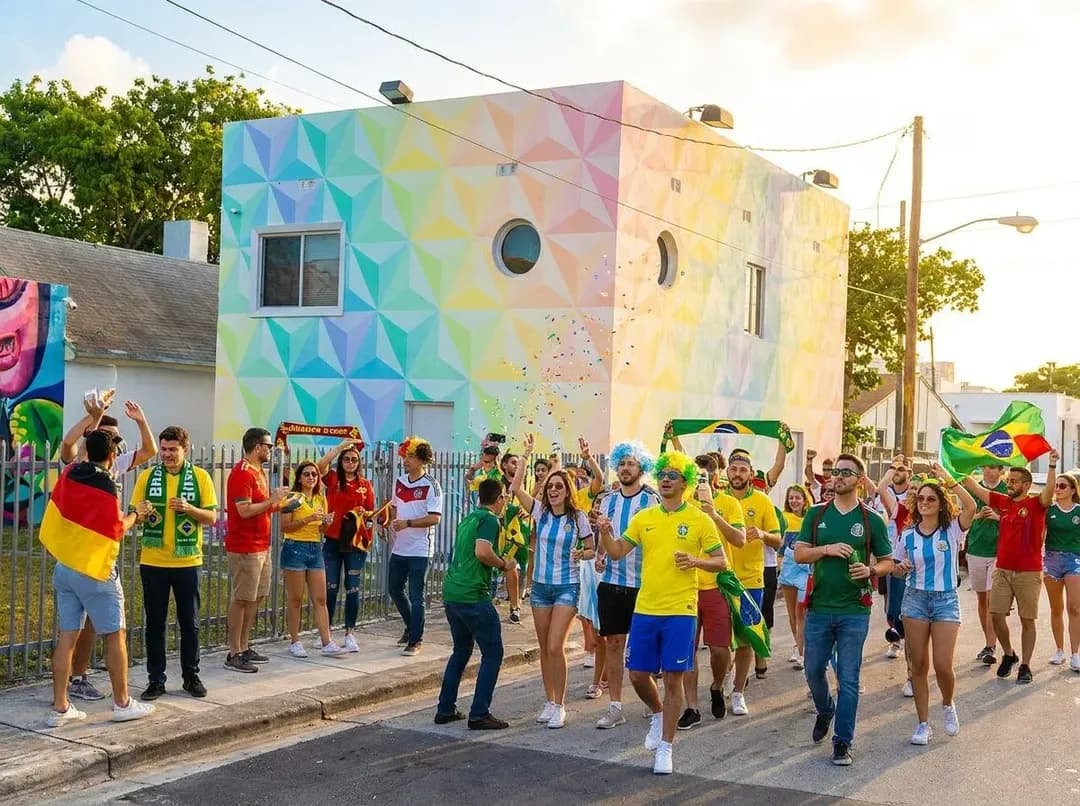
Wynwood's walls and the case for walking slowly
Wynwood sits just north of downtown, a former warehouse district transformed over the past fifteen years into an outdoor gallery of street art and murals. The Wynwood Walls anchor the neighborhood, a curated collection of large-scale works by international artists, but the real draw is the surrounding blocks where every surface—garage doors, alley walls, even dumpsters—becomes a canvas. The art changes constantly, old pieces painted over, new ones appearing overnight. What you see this June won't be the same next summer.
The neighborhood is walkable and compact, roughly a dozen blocks you can cover in an hour if you're moving with purpose, or three hours if you stop to photograph every mural and peer into every gallery. Wynwood also hosts breweries, coffee roasters, and restaurants that spill out onto patios. By late afternoon the district fills with a mix of locals and visitors, the energy casual but engaged. It's a place where you can nurse a cold IPA at an outdoor table and watch the light shift across a forty-foot mural of geometric shapes and bold color.
Wynwood doesn't demand anything from you—no admission fee, no guided tour, no prescribed route. Bring comfortable shoes, a charged phone for photos, and a willingness to wander. The art is free, the streets are public, and the neighborhood rewards curiosity. If you're here on a Saturday, the Wynwood Yard often hosts food trucks and live music, a low-key gathering spot that feels more like a backyard party than a tourist attraction.
Evening options when the sun finally relents
Miami's summer evenings arrive with a brief, dramatic rainstorm around five or six, then clear into soft light and cooler air. This is when the city's outdoor dining scene comes into its own. Brickell, the financial district just south of downtown, transforms after dark into a stretch of rooftop bars and waterfront restaurants. The views across Biscayne Bay are worth the elevator ride, and the cocktail menus lean into tropical flavors—rum, fresh lime, muddled mint—without tipping into kitsch.
If you prefer something quieter, the Design District offers high-end dining and late-night gelato in a neighborhood built around luxury retail and contemporary art installations. The streets are wide, the architecture striking, the vibe more polished than Wynwood but still walkable and approachable. A post-dinner stroll here feels like window-shopping in an open-air museum, with sculptures and installations tucked between the storefronts.
For live music, check what's happening in Coconut Grove or along the waterfront in downtown. Miami's music scene reflects its demographics—salsa, reggaeton, jazz, electronic—and venues range from intimate clubs to open-air stages. The city doesn't sleep early, and neither should you if you've spent the day at the beach and still have energy left. Just remember you've got another match in a day or two, and Hard Rock Stadium doesn't forgive a hangover.
The final at MetLife and the halftime show everyone will talk about
While Miami hosts group and knockout matches, the tournament's final takes place on July 19, 2026, at MetLife Stadium in East Rutherland, New Jersey, just outside New York City. This will be the first World Cup final to feature a halftime show, curated by Coldplay's Chris Martin and featuring performances by Madonna, Shakira, and BTS. It's a bold experiment, blending the spectacle of the Super Bowl with the global reach of the World Cup, and it will either become a new tradition or a one-time curiosity.
MetLife has no on-site spectator parking and no tailgating; fans will arrive via official shuttles or NJ Transit rail, so pre-purchasing tickets and keeping your return wristband is essential. The New York and New Jersey area will host multiple free fan zones throughout the tournament: the Fan Village at Rockefeller Center, the Jersey Fan Hub at Sports Illustrated Stadium in Harrison, the Queens Fan Zone at the USTA Billie Jean King National Tennis Center, and the indoor Dream Fan Fest at American Dream. The planned Liberty State Park fan festival was canceled, so don't plan around it.
If you're in Miami for the group stage and thinking ahead to the final, book your Northeast accommodations early. The semifinals take place at AT&T Stadium in Arlington and Mercedes-Benz Stadium in Atlanta, so the final weekend will draw fans from across the continent. But that's a problem for late July. For now, you've got a weekend in Miami, a cortadito waiting at a Little Havana window, and two World Cup matches bookending a stretch of sun, art, and the kind of aimless exploration that makes a tournament trip memorable long after the final whistle.
Practical notes
- Hard Rock Stadium is in Miami Gardens; plan for shuttles or rideshare on match days rather than driving yourself.
- Brightline rail connects downtown Miami to Fort Lauderdale and West Palm Beach if you want a day trip between matches.
- Cuban coffee windows in Little Havana don't take reservations—just walk up, order a cortadito and pastelito, and enjoy the ritual.
- Wynwood's street art changes constantly; the neighborhood is free to explore on foot, with breweries and cafes for breaks.
- South Beach is swimmable and warm in June; rent chairs early or bring a towel and claim a spot before mid-morning crowds arrive.
A weekend between World Cup matches in Miami offers something most tournament cities can't: a genuine reason to slow down and let the city come to you. The beaches don't close, the coffee windows never run out of cortaditos, and Wynwood's murals will still be there when you wander back after the final whistle. You came for the football, but the days in between remind you why Miami works as more than a backdrop—it's a city confident enough to let you find your own rhythm, whether that's a long morning on the sand or a late evening watching the light fade over Biscayne Bay. Enjoy the matches, savor the downtime, and remember that the best tournament stories often happen in the hours between kickoffs.
Tags: #WorldCup2026 #MiamiWeekend #HardRockStadium #SouthBeach #Wynwood #LittleHavana #CubanCoffee #MiamiBeaches #StreetArtMiami #BrightlineFlorida #MiamiTravel #TournamentWeekend #BeachLifestyle #CityExploration #SummerInMiami
Please drink responsibly. Must be of legal drinking age.
All trademarks are the property of their respective owners.
Ask Karpo first
Planning your World Cup itinerary between matches—or figuring out how to balance stadium days with beach mornings and neighborhood walks—can feel like assembling a puzzle with too many appealing pieces. Ask Karpo first: we'll help you map out a realistic weekend rhythm that respects your energy levels, your curiosity, and the fact that Miami rewards both spontaneity and a little advance planning. From coffee window recommendations to backup plans for a rainy afternoon, we'll make sure the days between kickoffs feel as memorable as the matches themselves.
Ask Karpo for more information.
Keep reading
- Haaland Has Seven Goals and Norway Runs Entirely Through Him
 World Cup Trophy Ceremony Timing Medals and Postmatch Celebrations
 Olise and France's Attack: The Semifinal Tactical Question