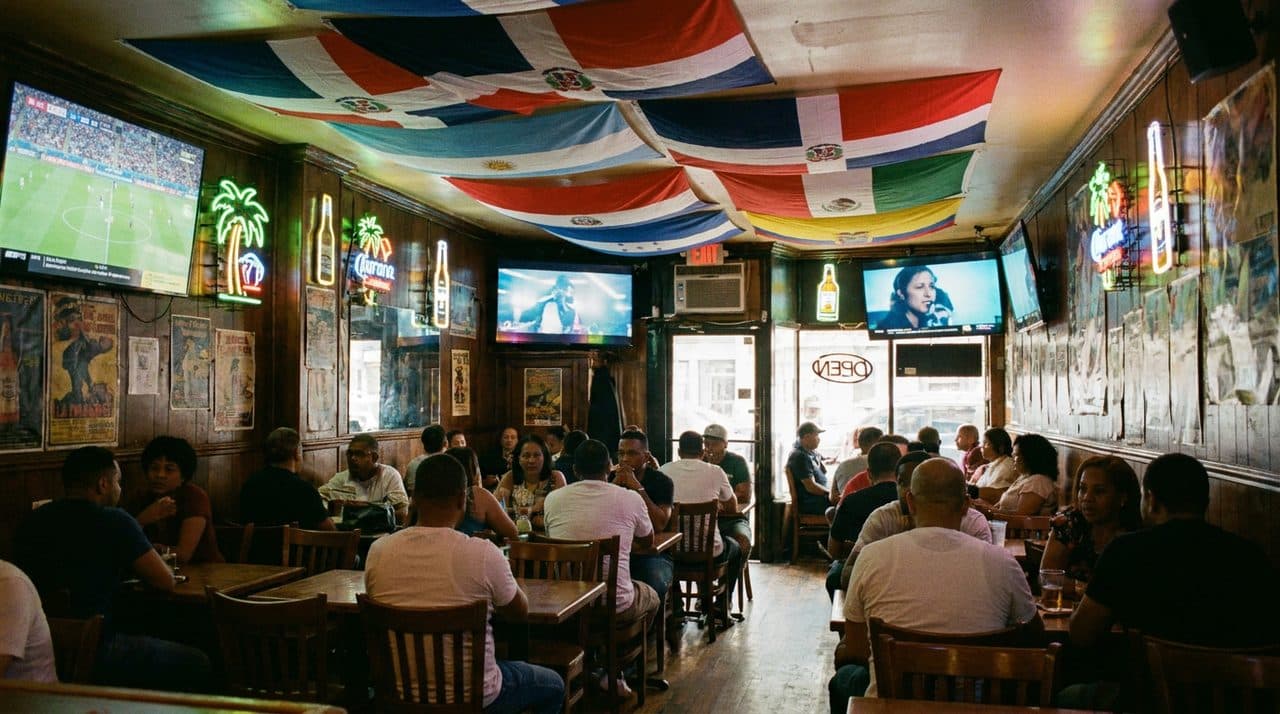
The first flags go up three days before the match. By the morning of kickoff, every inch of ceiling, every wall, every mirror behind the bar at this Washington Heights corner spot is draped in red, white, and blue—the Dominican tricolor claiming the room long before the first whistle. The place has been here for decades, a neighbourhood anchor on a commercial strip where Spanish is the first language and the bodega next door sells platanitos by the bag. But for the 2026 FIFA World Cup group stage, it transforms into something louder, more urgent, a living room for a diaspora that has waited years to watch their team on North American soil.
The Room Before It Fills
Walk in two hours before kickoff and the space is already half-claimed. Tables pushed together near the largest screen, chairs angled for sightlines, a few regulars nursing Presidentes at the bar while staff tape additional flags to the exposed brick. The layout is narrow and deep, a classic New York bar footprint that forces everyone into proximity. Two large flatscreens dominate the main room; a third, smaller monitor is wedged into the back corner near the restrooms, ensuring no angle goes uncovered. The sound system is older but loud, and someone has already queued up merengue between the pre-match commentary. The air smells like frying chicken and lime.
The bar itself runs the length of the left wall, a dark wood counter with a mirrored backsplash now obscured by scarves and banners. Behind it, two bartenders move with the efficiency of people who have worked this shift a hundred times. One is setting up plastic cups in stacks of fifty. The other is restocking the cooler with Presidente, Bohemia, and a few token Modelos for the uninitiated. No craft beer list here. No cocktail menu. This is a place that knows what it is.
The Hour Before Kickoff
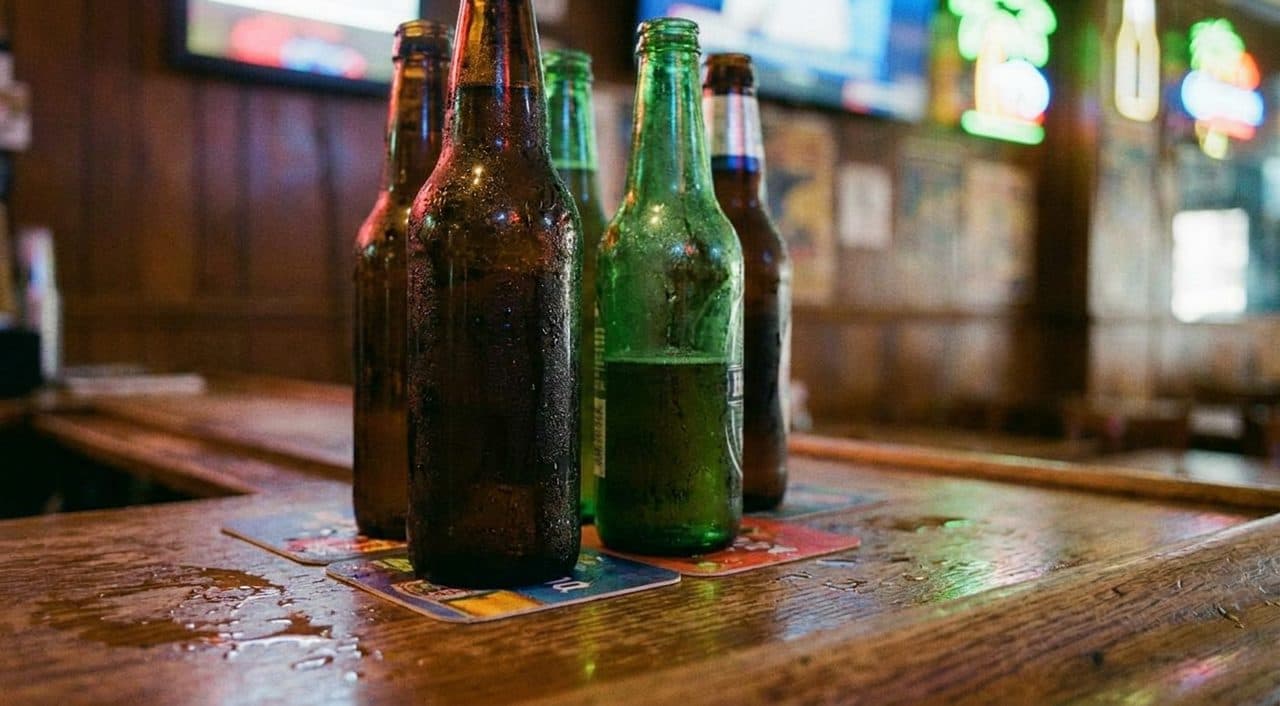
The noise starts to build around sixty minutes out. Groups arrive in waves, mostly families and friend clusters, some in jerseys, others in street clothes with a flag draped over one shoulder. First-timers scan for open seats and realize quickly that the smart move is to arrive early or accept standing room near the back. The regulars have claimed the prime real estate—tables within ten feet of the main screen, positions at the bar with a direct view. No one is rude about it, but the hierarchy is clear.
The kitchen, visible through a half-wall partition, is moving fast. Trays of chicharrón de pollo emerge every few minutes, golden and crackling, served with a side of pickled cabbage and a lime wedge. Tostones come out in baskets lined with paper, salted heavy. The menu is short and written on a chalkboard behind the bar, but the real intel is knowing to order the yaroa—a layered platter of fries, cheese, and meat that arrives on a foil tray and feeds three people if they're reasonable, two if they're not. It's not listed, but anyone who has been here before knows to ask.
The Crowd and the Noise
By thirty minutes before kickoff, the room is at capacity. Bodies line the walls, and a cluster of teenagers has claimed the narrow hallway leading to the back exit, phones out, filming the scene. The energy is not polite. It's loud, layered, a mix of Spanish and English and shouted predictions. Someone's tía is arguing with her nephew about the starting lineup. A group of men in matching jerseys is leading a call-and-response chant that half the room joins. The bartenders are moving on autopilot now, pulling beers two at a time, barely looking up.
The crowd skews multigenerational—grandparents near the front, kids on laps, twenty-somethings standing in the back with drinks raised. This is not a sports bar in the neutral, corporate sense. It's a neighbourhood institution that becomes a stadium for ninety minutes, a place where the game is the excuse but the gathering is the point. The shared ritual, the collective exhale when a goal is scored or nearly scored, the way everyone knows the words to the anthem—it's all muscle memory, passed down and renewed.
The Moment the Match Starts
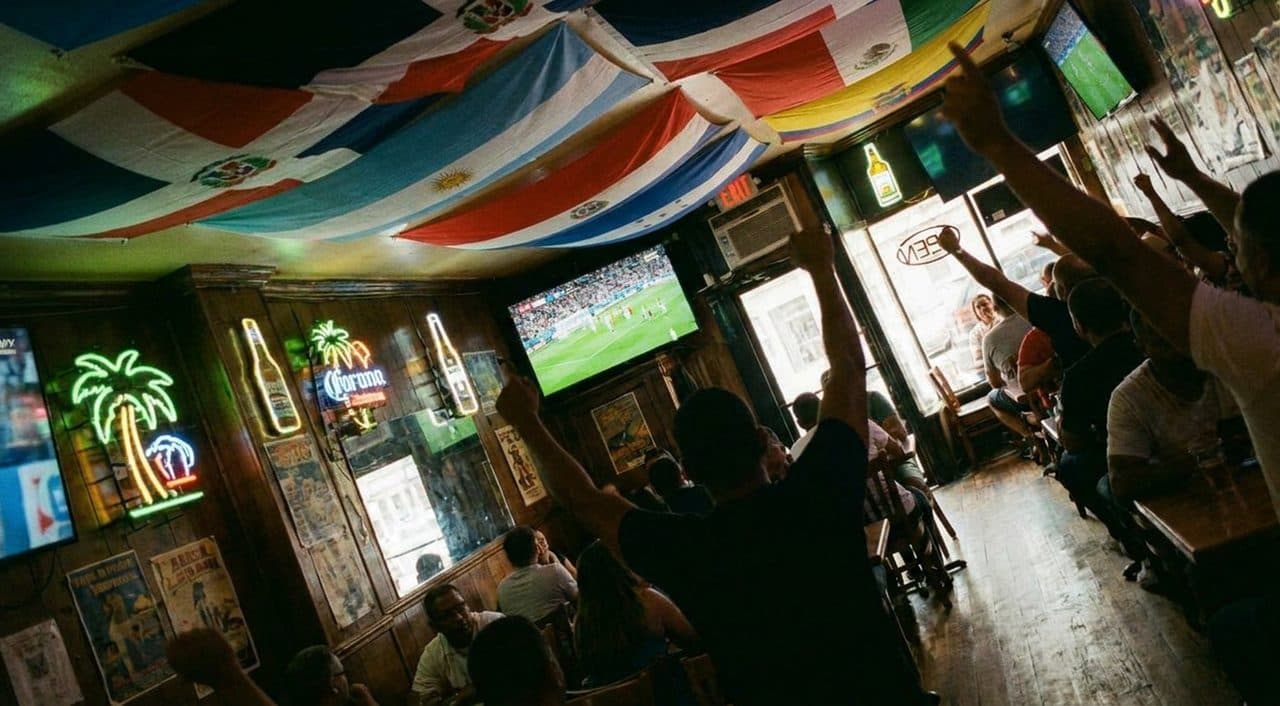
When the whistle blows, the room goes quiet for exactly three seconds. Then the noise doubles. Every touch, every pass, every near-miss draws a reaction. The bartenders stop pouring. The kitchen staff leans out to watch. The teenagers in the hallway put their phones down. For the next ninety minutes, the space operates as a single organism, breathing in unison, shouting in unison, groaning in unison.
The screens are large enough that even from the back, the action is clear. The sound system carries the commentary, but it's barely necessary—the room provides its own narration, a running commentary in two languages, punctuated by bursts of merengue during breaks in play. Someone near the bar has brought a small drum, and it appears during corner kicks, a rhythmic pulse that the crowd picks up and amplifies.
The Details That Reward Attention
Three things separate the veterans from the first-timers. One: they arrive no later than ninety minutes before kickoff, claiming a seat or a standing spot with a clear sightline. Two: they order food early, before the kitchen gets slammed, and they know to ask for the yaroa by name. Three: they understand that the bathroom line will be impossible during halftime, so they time their trips for the opening fifteen minutes or the final ten, when the crowd is too locked in to move.
Another detail: the staff keeps a stack of disposable rain ponchos behind the bar, a relic from a past outdoor event that now serves as impromptu coverage when someone's beer gets knocked over in a goal celebration. It happens at least twice per match. No one apologizes. Everyone laughs.
Practical Notes
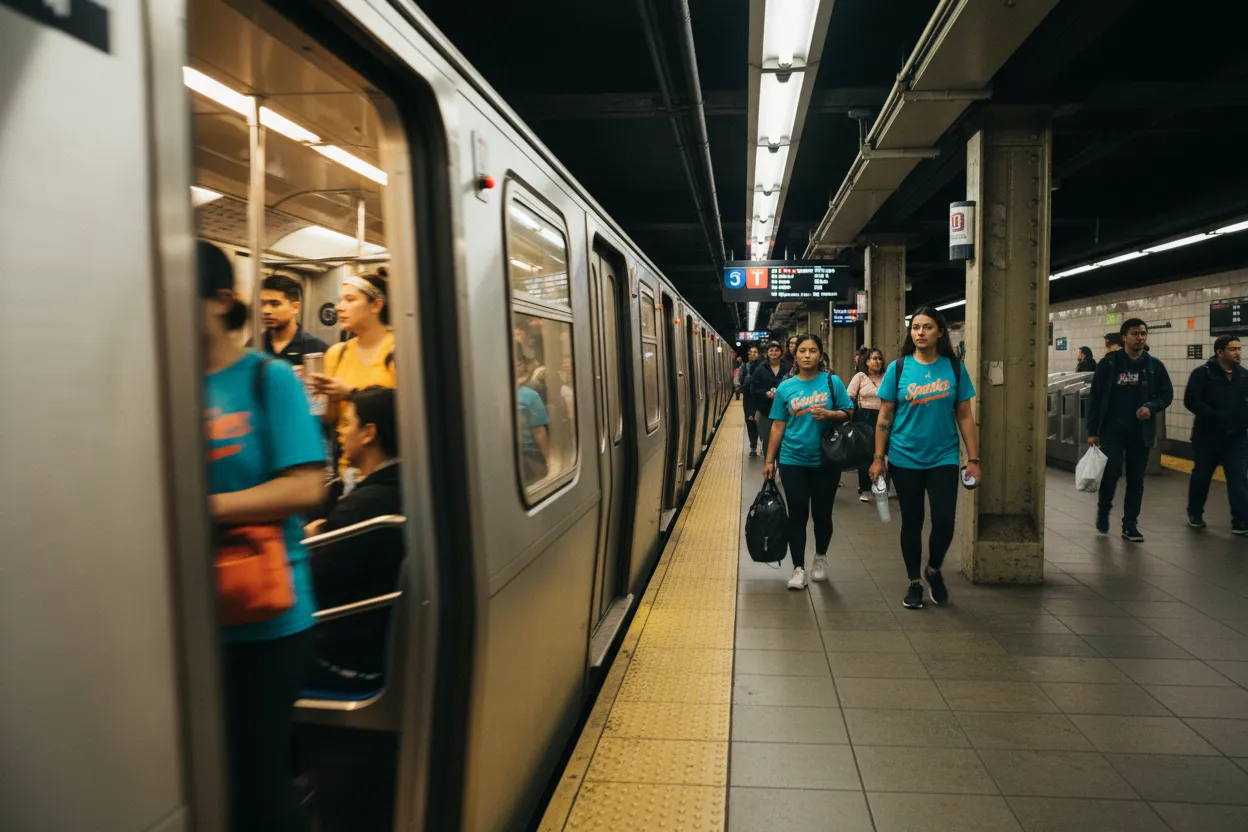
The bar is located on a commercial stretch in Washington Heights, easily accessible via the A or 1 train—about a ten-minute walk from the nearest station. For major matches, especially World Cup group-stage games involving the Dominican Republic, the place opens early, often by mid-morning, and remains packed until well after the final whistle. No reservations. No cover charge. Walk-ins only, and the earlier, the better. Cash is preferred, though cards are accepted. Expect to spend a few dollars on a beer, a bit more for food. The neighbourhood is safe, busy, and loud—especially on match days, when the energy spills out onto the sidewalk and the block becomes an extension of the bar itself.
Tags: #WashingtonHeights #DominicanBar #FIFAWorldCup2026 #NewYorkSportsBar #UptownNYC #WorldCupNYC #DominicanDiaspora #WashHeights #SoccerBar #NYCNeighborhoods #AuthenticNYC #GroupStageViewing #CaribbeanNYC #UptownEats #KarposFinds
Sources consulted: timeout.com · secretnyc.co · thrillist.com
Please drink responsibly. Must be of legal drinking age.
All trademarks are the property of their respective owners.
Ask Karpo first
Want to know which Washington Heights bars show the matches and when to arrive for a table?
Ask Karpo for the best World Cup bars and arrival times before you head out.