valkyries vs sparks may be the search that got your group chat moving, but in NYC the useful question is not whether the hype is loud; it is what you can actually do in public, on time, without assuming a team appearance, special access, or a guaranteed event. Treat the phrase as a sports-social prompt, then build a city plan around verified listings, official venue pages, and realistic movement between neighborhoods. New York City is built for this kind of flexible outing: NYC Tourism describes five boroughs with constant energy, sports, nightlife, dining, parks, culture, and budget-friendly things to do. The smart route starts with one decision: are you participating, spectating, or just using the sports buzz as a reason to gather?
Want a cleaner plan before everyone starts guessing in the chat? Text Karpo with your borough, group size, sport interest, and time window, then ask for a verification-first NYC route.

Turn the sports interest into a social plan
Start by naming the job of the outing. If the group is excited by valkyries vs sparks, that does not automatically mean there is a local NYC appearance, official watch party, or public activation. Do not build the day around an assumption. Build it around a public plan that can survive a schedule change: a verified place to meet, a verified activity or viewing option, a food stop, and a backup nearby.
A workable NYC sports-social plan has three time blocks. First, a meet-up window that allows late arrivals without punishing the whole group. Second, a main activity window: either a public sports venue, a recreational session, or a place where the group can watch a game if the venue confirms availability. Third, a decompression stop for food or a walk. Because NYC Tourism highlights dining, nightlife, sports, budget activities, and all five boroughs as part of the city’s appeal, you do not need one perfect event to make the day work.
Keep the invite honest. Say: “We’re using the sports buzz as the hook, and we’ll verify the actual venue, timing, and access before leaving.” That sentence prevents the two classic NYC mistakes: overpromising and underchecking.
Choose participation or spectating first
Beginners need a fork in the road before they need a venue. Participation means the group wants to move: shootaround, casual drills, open recreation, a lesson, or a low-pressure court or field plan. Spectating means the group wants seats, screens, atmosphere, and a predictable place to talk. Mixing those without agreement creates friction: the athletic friend wants action, the casual friend wants food, and the late friend wants to know why everyone moved.
For participation, your verification list should include public access, reservation rules if any, equipment expectations, indoor versus outdoor conditions, and whether the site posts schedule changes. The official NYC Parks extract available here was blocked, so do not rely on secondhand park details in this plan; check the official park or facility page directly before you go.
For spectating, check the official venue, team, league, or establishment page for the current listing. Do not infer that a place will show a specific matchup just because the sport is popular. If the plan depends on seeing a game, confirm the screen policy or event listing with the venue’s official channel. If the plan depends on attending in person, confirm ticketing, entry rules, bag rules, timing, and location on the official source.
Match the venue to the group energy
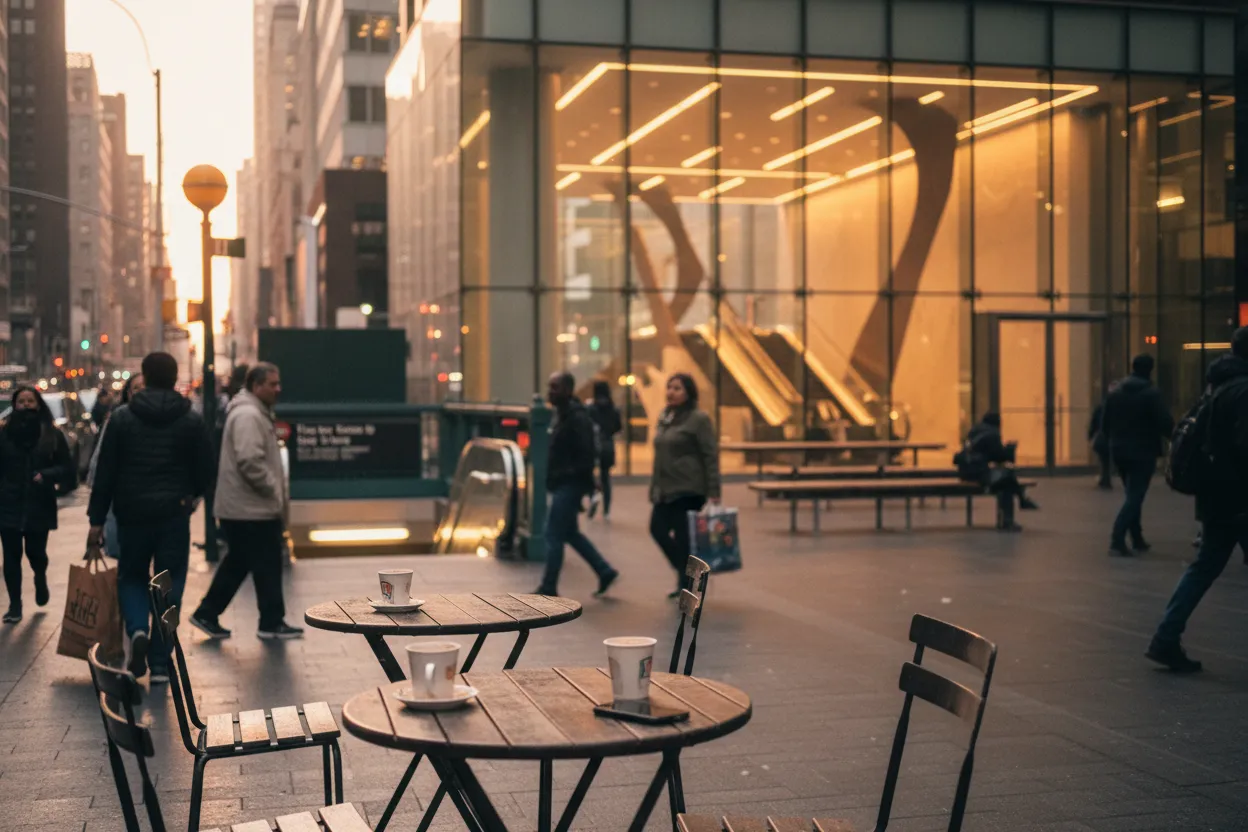
NYC lets you tune the day by borough rather than chasing a single supposedly perfect spot. Manhattan works when the group wants recognizable city energy and easy add-ons like Broadway-area walks, observation-deck-style skyline plans, or a central meeting point. Brooklyn fits groups that want nightlife and boundary-pushing food culture. Queens is strong for groups that treat the meal as part of the trip, with NYC Tourism describing it as a place with an endless selection of old-world cuisines. The Bronx brings deep sports and cultural history, and Staten Island can turn the outing into a ferry-linked change of pace.
Match the intensity level before choosing the neighborhood. A loud, crowded sports-viewing plan can be fun for fans but rough for a first-timer who mostly came to socialize. A quiet recreational plan can be welcoming but may disappoint people who wanted big-game noise. Write the group note in plain language: “lively watch spot,” “casual active session,” “food-first hang,” or “low-cost city day.”
If the group includes visitors, avoid stacking too many borough jumps. NYC is vast, and a plan that looks efficient on a map can feel exhausting when the crowd is tired, hungry, or carrying gear. Pick one primary borough and one nearby backup rather than a citywide scavenger hunt.
Plan equipment seating and transit early
Equipment is where casual plans quietly fail. If you are participating, decide who brings the ball, shoes, water, layers, and any sport-specific item before the day begins. If you are spectating, decide whether everyone needs a seat, whether standing is acceptable, and whether the group includes anyone who needs a lower-noise or easier-entry environment. Do not assume public seating, storage, or rentals unless the official venue page says so.
Transit needs the same skepticism. The MTA source extract available here returned an access-denied page, so this article will not give route numbers, service claims, or travel-time promises. Use the official transit source before leaving, then recheck shortly before departure. Build a buffer between the meet-up and the main activity, especially if the plan crosses boroughs or depends on a timed entry.
A beginner-friendly schedule might look like this: confirm the official listing in the morning, send the meeting point and backup in the group chat, leave a transit buffer, arrive before the main rush, and set a clear “if we are not inside by this time, switch plans” threshold. That is not pessimism; it is how locals keep a social day from turning into a sidewalk debate.
Keep beginners from feeling stranded
The best sports-social plans give new people graceful exits and obvious next steps. Share the exact meeting place, the nearest verified public landmark from the official venue or city listing, and a check-in time. Avoid telling people to “just find us inside” unless the venue layout is simple and confirmed. If the group is large, assign one person to answer arrival texts rather than letting six people send conflicting directions.
Crowd risk is not only about safety; it is about comfort. A high-energy sports environment may mean lines, noise, limited seating, and slower food decisions. A beginner may not know the rules of the sport, the players, or why the room suddenly reacts. Make room for that. A simple explanation, a halftime reset, or a quieter nearby backup can keep the social part intact.
Food is a useful stabilizer. As of the current date, NYC Restaurant Week Summer 2026 is listed by NYC Tourism from July 20 through August 16, with two-course lunches and three-course dinners across all five boroughs starting at $30. If that fits your date and budget, verify the official participating restaurants and availability before using it as the post-game or backup meal.
Verify schedules before leaving
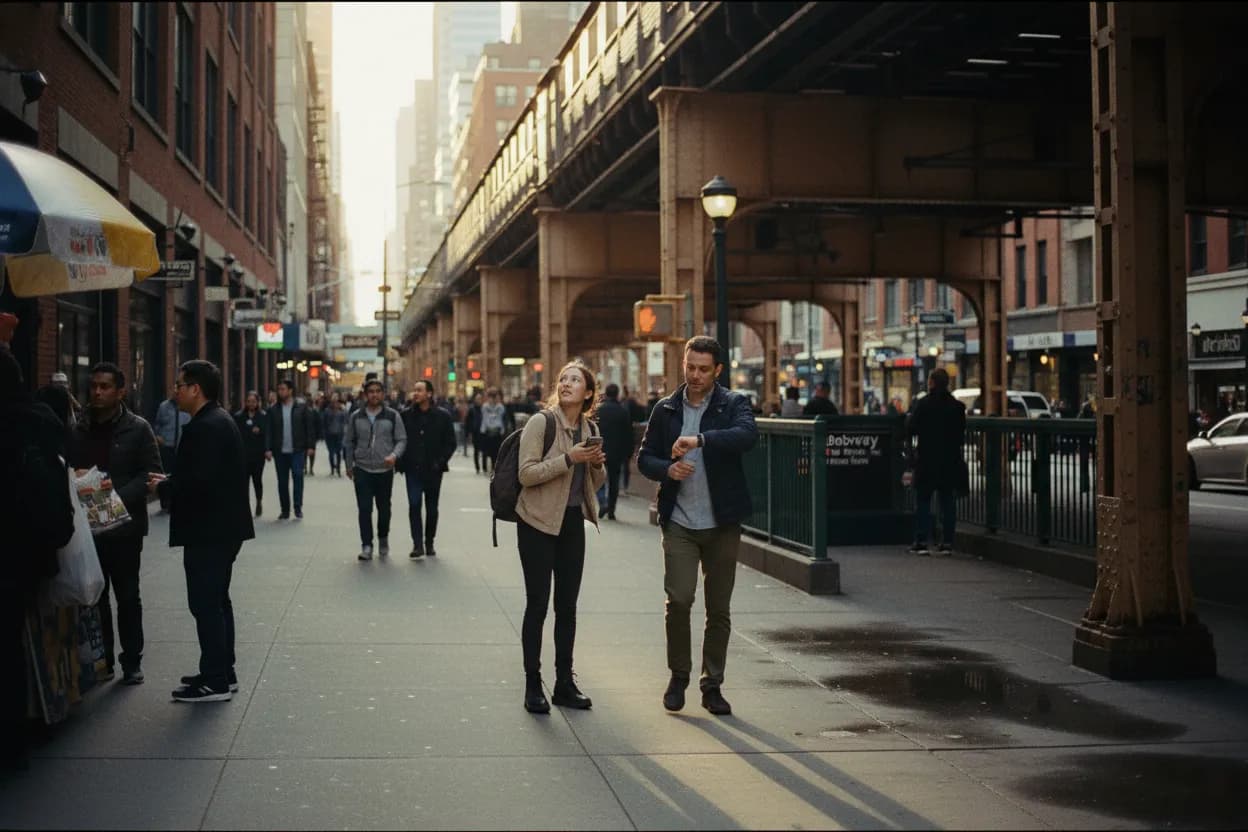
The final check should happen close to departure, not the night before only. Confirm the official event or venue page, the address, public access, opening time, entry requirements, and any weather or operations notice if the plan is outdoors. If the plan is simply to watch a game, confirm that the place is open and that the game or sports programming is actually available there.
Keep your backup choice real, nearby, and public. Good backups include a verified budget activity, a dining plan, a walkable neighborhood stop, or a different sports-social option in the same borough. NYC Tourism points readers to budget activities, sports, nightlife, events, restaurants, and borough guides, which makes it a practical starting point for alternatives; still, the details should be checked on the official listing before the group moves.
Send one last message: “Main plan is verified as of now; backup is this; recheck transit before you leave.” That is the tone to aim for. The phrase valkyries vs sparks can start the conversation, but official confirmation should decide the route.
Tags: #valkyriesvssparks #NYCSports #SportsSocial #AskKarpo #BeforeYouGo #NYCPlanning #BeginnerFriendly #NYCTransit #FiveBoroughs #PublicAccess #CrowdCheck #GameDayPlan #NYCEvents #VerifyFirst
Sources consulted: nyctourism.com · new.mta.info · nycgovparks.org
All trademarks are the property of their respective owners.
Ask Karpo first
Ask Karpo first before you turn a trending matchup into a meetup. Share your borough, start time, group size, mobility needs, and whether you want to play, watch, or eat nearby. Karpo can help shape a public, verifiable NYC plan with a backup before anyone leaves home.