 Salad Near Me in the West Village: Westville's Market-Table Vegetables
Back To School
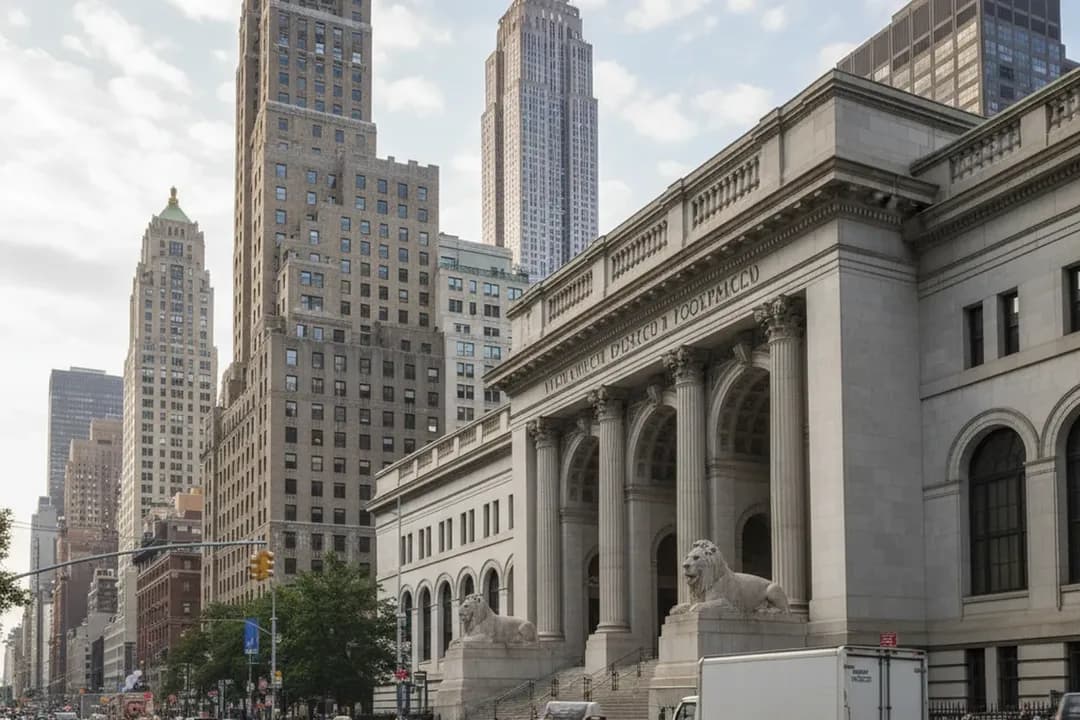
The Wall Street Journal: NYC Media Literacy Stops to Visit
Discover a NYC media literacy route connecting public library tools, screen history, and source-checking habits for a verification-first approach.
In an era of rapid information flow, the ability to discern reliable sources from misinformation is more crucial than ever. With a prominent search trend like "the wall street journal" capturing public attention, it’s an ideal time to consider how New Yorkers can sharpen their media literacy skills, not by simply consuming headlines, but by actively engaging with the tools and techniques of verification. This isn't about endorsing any particular publication, but rather using a recognizable query as a springboard for a practical, verification-first journey across the city. Think of it as a personalized syllabus for critical thinking, leveraging accessible resources to understand how news is made, presented, and critically assessed. From the research rooms of Midtown to the cinematic archives of Astoria, this route offers a tangible way to move beyond passive consumption and into active, informed citizenship.
Want to ensure your New York City media literacy route is feasible? Text Karpo to verify opening hours, accessibility details, and any special advisories for your chosen destinations.
Use The Wall Street Journal Interest as a Research Prompt
The recent surge in interest around "the wall street journal" isn't just a fleeting trend; it's a valuable opportunity to practice media literacy. Instead of simply reading articles, consider what drives such trends and how different publications cover similar stories. This curiosity can be the foundation for a deeper dive into journalistic practices and the importance of diverse sourcing. Your initial goal isn't to confirm or deny any specific report, but to understand the ecosystem in which information, like that from The Wall Street Journal, circulates.
Think of this as an exercise in critical inquiry: what questions does this trend raise for you about economic reporting, global events, or local impacts? How might different news organizations frame the same set of facts? This investigative mindset will serve you well as you explore the resources available in NYC, transforming a simple search query into a robust learning experience.
Start With Free News Databases at SNFL
Your first stop for verification-first media literacy could be the Stavros Niarchos Foundation Library (SNFL) at 455 Fifth Avenue. As the New York Public Library’s largest circulating branch, SNFL offers an array of resources. Before you visit, note that e-bikes, e-scooters, and electronic transportation devices are not permitted inside, so plan accordingly.
Once there, you can make use of their digital databases. The NYPL website notes "Additional E-Materials & Databases" including "world newspapers." This is where you can access archives and current issues of publications, potentially including The Wall Street Journal, to compare coverage over time or across different sources. You can also print documents directly from your personal device for a fee per page (black and white), though only library-provided paper can be used. This allows for direct comparison and annotation, tangible steps in your media literacy journey.
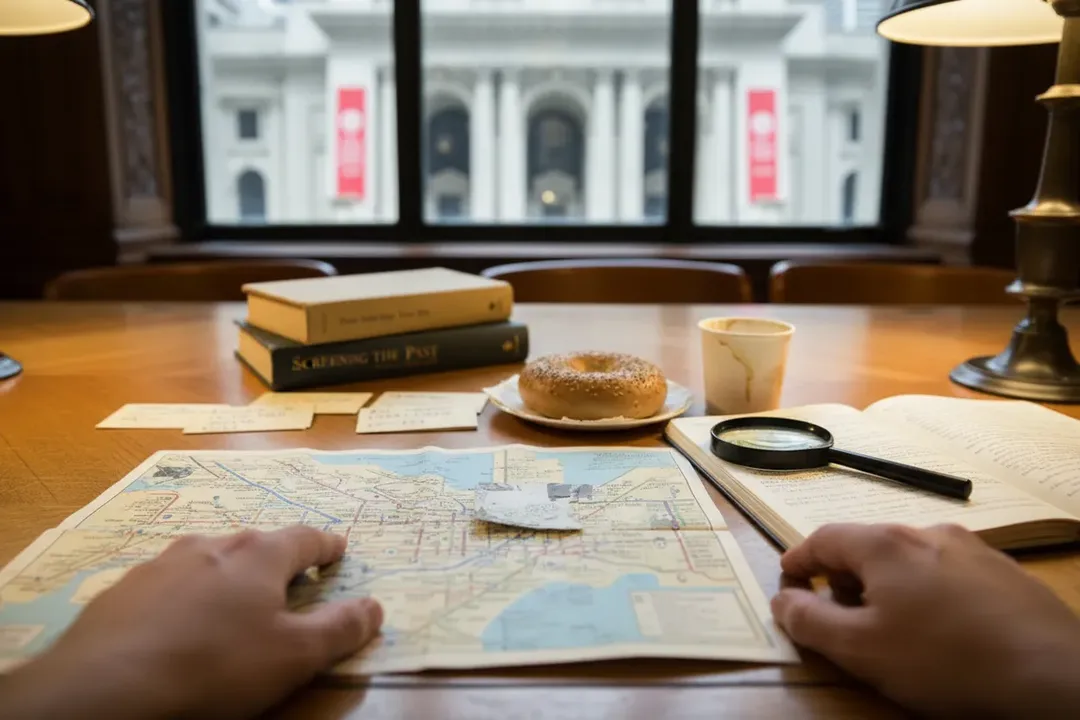
Compare Headlines in a Real Reading Room
After gathering initial information at SNFL, consider heading a few blocks north to the Stephen A. Schwarzman Building at Fifth Avenue and 42nd Street. While primarily a research library, its historic Rose Main Reading Room offers a unique environment for comparing how major publications, potentially including The Wall Street Journal, frame their narratives. The Schwarzman Building is known for its "extraordinary historical collections," making it suitable for contextualizing current events within broader trends.
If you're not conducting in-depth research but wish to experience the Rose Main Reading Room, you can join a free daily guided tour or visit during a designated visiting hour. This allows you to observe the physical presentation of news, from layout to headline choice, in a historical context, adding another layer to your understanding of media influence.
Study How Screens Shape Credibility in Astoria
To broaden your perspective beyond print, your next destination could be the Museum of the Moving Image in Astoria, Queens. While specific exhibition details regarding "the wall street journal" or similar financial media are not provided, the museum's core mission to explore "how moving image media are made, presented, and understood" is relevant to media literacy. Consider how television news, documentaries, or even satirical programs shape public perception and influence credibility.
The museum's focus on screen history offers a crucial counterpoint to your library research. How do visual cues, sound design, and editing techniques impact the way information is received and interpreted? Understanding the mechanisms of screen-based media is vital for a comprehensive media literacy skill set. However, before planning your visit, be aware that the museum's website (movingimage.org) is currently inaccessible due to a security block. You would need to verify its operational status and hours directly with the site owner before attempting to visit, as the provided extracts do not offer current access information.
Build a Two-Borough Route Without Overplanning
This media literacy route connects two distinct boroughs, Manhattan and Queens, offering diverse perspectives without requiring excessive travel. The proximity of SNFL and the Schwarzman Building in Midtown makes for an efficient period of library-based research. From there, a subway ride to Astoria for the Museum of the Moving Image transitions your focus to screen media.
The key is not to over-schedule. Allow for flexibility to delve deeper into a particular archive or exhibition that sparks your interest. The aim is exploration and critical engagement, not simply checking off destinations. Remember that while SNFL and Schwarzman are accessible, the Museum of the Moving Image's website is currently blocked, which means you'll need to confirm its accessibility and any specific requirements before you travel to Astoria.
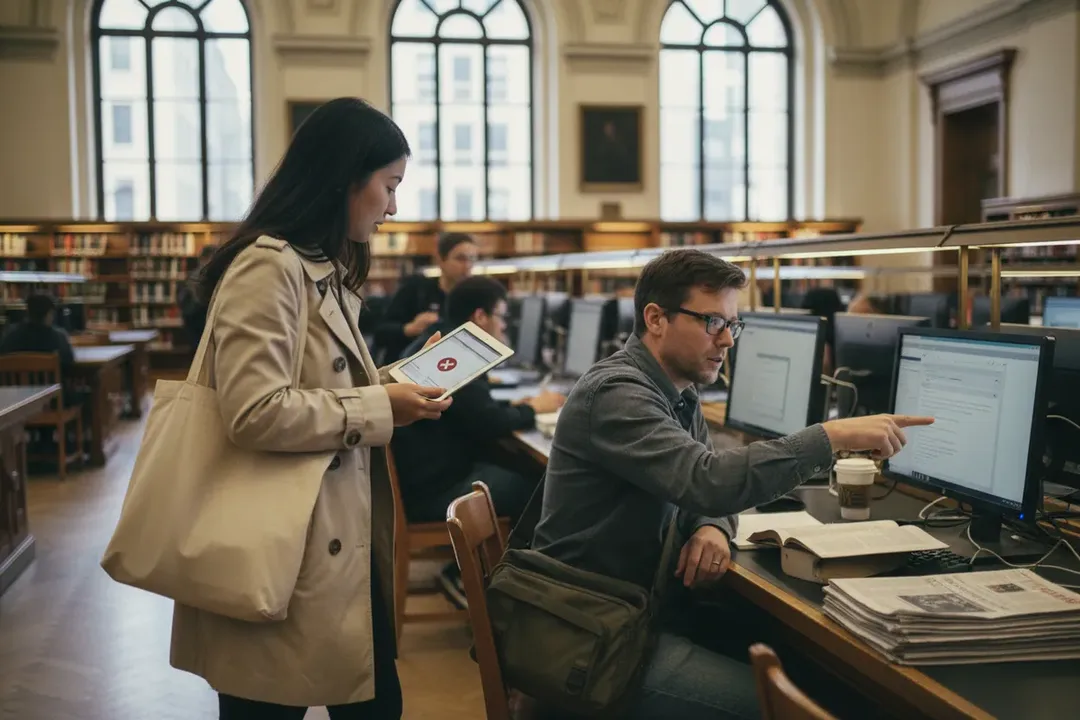
Verify Hours and Access Before You Leave
A crucial component of any successful NYC exploration, especially one focused on research and learning, is to verify all logistical details immediately before your trip. For the Stavros Niarchos Foundation Library (SNFL), regular hours are available, and the Stephen A. Schwarzman Building also has regular hours, though division hours may vary. Note that the Rose Main Reading Room and all research divisions at the Stephen A. Schwarzman Building may have a delayed opening on certain days.
However, a significant verification point is the Museum of the Moving Image. As noted, their website is currently inaccessible. This means you must find an alternative way to confirm their operating hours, ticketing policies, and any special advisories. Without this direct verification, including whether they are even open, your Astoria leg of the journey remains uncertain. Always double-check, especially for institutions that might have evolving policies or unexpected closures.
Tags: #NYCMediaLiteracy #FactChecking #PublicLibrariesNYC #ScreenCulture #Astoria #MidtownManhattan #NewsLiteracy #InformationVerification #NYPL #MuseumOfTheMovingImage #ResearchNYC #CriticalReading #AskKarpo #BeforeYouGo
Sources consulted: nypl.org · nypl.org · movingimage.org
All trademarks are the property of their respective owners.
Ask Karpo first
Planning your NYC media literacy route? Karpo can help you confirm the latest hours, accessibility details, and any necessary pre-bookings for the Stavros Niarchos Foundation Library, the Stephen A. Schwarzman Building, and the Museum of the Moving Image, ensuring your verification-first journey is seamless.
Ask Karpo for more information.
Keep reading
- Salad Near Me in the West Village: Westville's Market-Table Vegetables
 Lunch Near Me in the Flatiron: S&P Runs a Classic Luncheonette Counter
 Coffee Near Me in the East Village: Abraço Is Standing-Room Only