 Mediterranean Food Near Me in Fort Greene: Miss Ada's Garden and Hummus
Neighborhood Guides
Walking Inwood Slowly: The Park Edge, the Dominican Bakeries, and the Blocks Nobody Rushes Through
A neighborhood at the top of Manhattan where the streets run long and quiet, the park spills into the blocks, and the pace never quickens.
Where the A Train Ends and Nobody's in a Hurry
You ride the A all the way up, past Washington Heights, past the last bodega you recognize, until the train climbs above ground and the light changes. Inwood sits at the top of Manhattan like a neighborhood that forgot it was supposed to gentrify. The streets run wide and tree-heavy. The park doesn't just border the blocks—it bleeds into them, all that green spilling down hillsides and wrapping around corners. You walk here differently. Slower. Like you've got nowhere urgent to be, because most people don't.
The Bakery Counter Where Morning Stretches Long
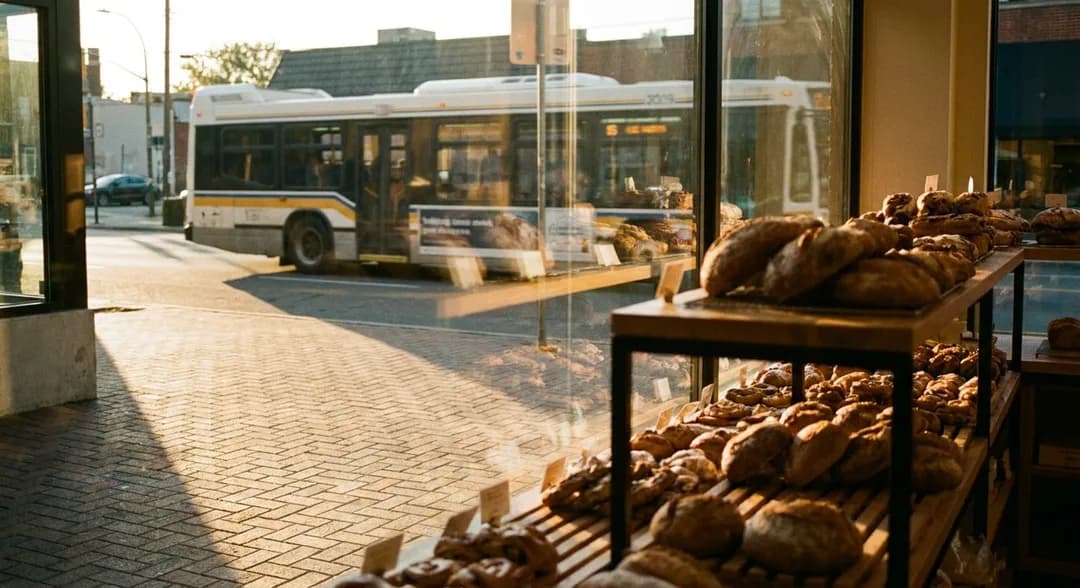
Step into any of the Dominican bakeries along Dyckman and the warm smell of just-baked bread hits before the door even closes behind you. Flour hangs faint in the air. The display cases glow under yellow light—rows of conchas, quesitos, pastelitos de guayaba stacked in wax paper. You order a café con leche and a piece of tres leches that comes on a flimsy paper plate, fork balanced on top. The cake is dense, soaked through, impossibly sweet. You eat standing at the narrow counter by the window, watching the morning foot traffic: older women with rolling carts, teenagers still in last night's makeup, men in work boots heading to the 1 train. Nobody rushes. The radio plays bachata low enough that it blends with the hiss of the espresso machine. You leave with sugar on your fingers and the sense that you could come back tomorrow and find the exact same rhythm playing out.
The Park Edge Where the City Forgets Itself
Inwood Hill Park doesn't announce itself the way Central Park does. No grand entrances, no postcard views. You just walk west on a residential block and suddenly there are trees—old ones, thick-trunked and tangled—rising up like the forest never really left. The trails here are dirt, not paved. They wind uphill through actual woods, the kind where you lose sight of buildings and hear leaves instead of traffic. In late afternoon the light slants gold through the canopy and the air smells like wet earth and something older. You pass dog walkers, runners who nod without stopping, the occasional couple sitting on a fallen log sharing a thermos. At the northern tip, where the park meets the Harlem River, the view opens up—water, bridges, the Bronx across the way. You sit on the rocks and watch the current move. The city hum fades to background static. You could stay an hour. You could stay until dark.
The Blocks That Run Straight and Unhurried
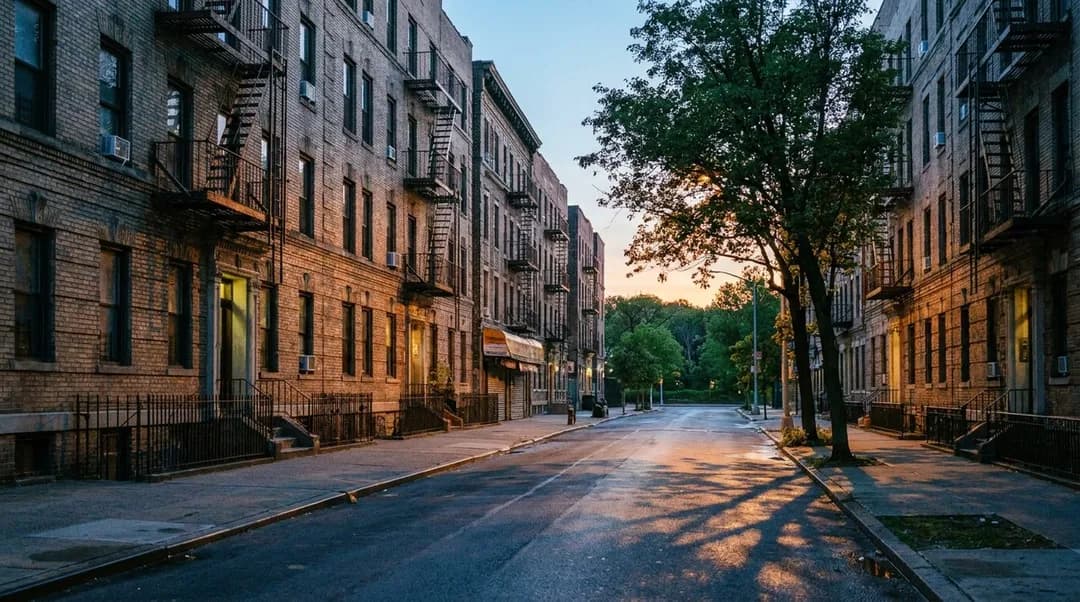
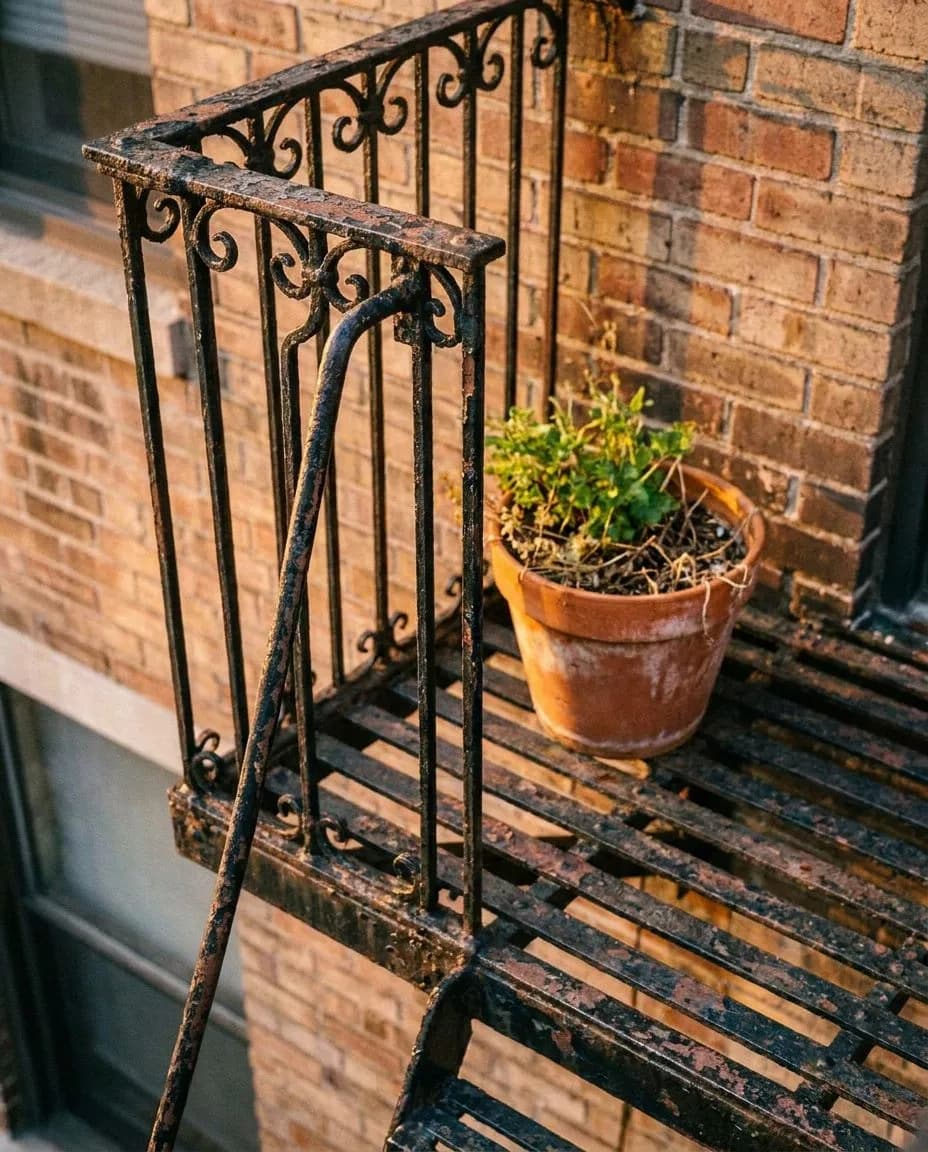
The residential streets between Broadway and the park stretch long and quiet, lined with prewar apartment buildings in faded brick. Fire escapes zigzag down facades. Stoops collect neighbors in the early evening—people sitting with beers, kids on scooters, someone's abuela fanning herself with a folded newspaper. The sidewalks are wide enough that you never feel crowded. You pass bodegas with hand-painted signs, barber shops where the door stays propped open, a botanica with candles stacked in the window and the scent of sage drifting out. Nobody looks twice at you. Nobody's performing. The rhythm here is domestic, unhurried, lived-in. You walk and the blocks just keep going, one after another, until you realize you've been walking for twenty minutes and covered maybe ten blocks and you don't mind at all.
The Lunch Counter That Feeds the Neighborhood
There's a spot on Broadway, tucked between a laundromat and a cell phone repair shop, where the lunch special runs cheap and the menu is scrawled on a whiteboard behind the counter. You slide into a booth with cracked vinyl seats and order the roasted chicken with rice and beans. It arrives fast, piled high on a styrofoam plate, the chicken skin crackling and dark, the beans thick with sofrito. The rice is fluffy, each grain separate, slightly oily in the way that means it was cooked right. You eat with a plastic fork while the TV overhead plays a soccer match nobody's really watching. The woman behind the counter knows half the people who walk in—greets them by name, asks about someone's mother, laughs at a joke you don't catch. The fan in the corner oscillates, pushing warm air around. You finish everything on your plate, pay a few bucks, leave full and satisfied and anonymous.
The River Walk Where the Afternoon Hangs Suspended
Follow the path along the Harlem River on the west side and you're walking through a stretch of the city that feels accidentally peaceful. The water moves slow and brown. Across the way, the Palisades rise green and sheer. Cyclists pass in both directions. Fishermen set up with folding chairs and coolers, lines cast out into the current, radios playing low. The air smells like river water and cut grass. Benches face the view, most of them occupied by people doing nothing in particular—reading, napping, staring at phones, staring at nothing. In late afternoon the light turns soft and amber, catching the surface of the water in long streaks. You sit and watch a kayaker paddle upstream, struggling against the current, making slow progress. Time does something strange here. Stretches. Loosens. You check your phone and realize forty minutes have passed and it felt like ten.
The Evening Shift When the Neighborhood Comes Alive
As the sun drops, the blocks around Dyckman shift into evening mode. The restaurants with sidewalk seating start filling up. Music spills from open doorways—merengue, reggaeton, salsa, sometimes all three competing from different corners. The smell of fried plantains and grilled meat hangs in the warm air. You walk past groups gathered outside corner stores, someone's car parked with the doors open and the stereo up, kids weaving through on bikes. The energy lifts but stays easy, unhurried. Nobody's dressed up. Nobody's performing for an audience. This is just what Friday night looks like when you live here. You duck into a spot for empanadas, eat them hot from the fryer at a stand-up counter, grease soaking through the napkin. Outside, the light fades to purple and the streetlights flicker on and you realize you've been walking for hours and you're still not ready to leave.
Practical Notes
Most of the Dominican bakeries open early—before seven—and stay open until evening. The lunch counters serve their specials roughly from late morning through mid-afternoon. Inwood Hill Park is open dawn to dusk, with trails accessible year-round though they get muddy after rain. The A train runs express during rush hours and takes about forty minutes from Midtown. The 1 train is local and slower but drops you closer to the park. No reservations needed anywhere. Bring cash for the smaller spots. Weekends are busier but never crowded. Go on a weekday afternoon if you want the blocks nearly to yourself.
Tags: #TheLongWayHome #InwoodNYC #UpperManhattan #DominicanFood #HiddenNewYork #NeighborhoodWalking #InwoodHillPark #HarlemRiver #DyckmanStreet #SlowTravel #LocalNYC #ManhattanNeighborhoods #NYCParks #AuthenticNYC #OffTheBeatenPath
Sources consulted: timeout.com · atlasobscura.com · nycgo.com
All trademarks are the property of their respective owners.
Ask Karpo first
Want to know which park entrance puts you on the best edge path, which Dominican bakeries locals stop at, and where the quiet blocks start that nobody rushes through?
Ask Karpo for the park entry with the longest tree-lined walk, bakery counters with the best pastelitos, streets worth wandering slowly, and a live route around Inwood before you head out.
Ask Karpo for more information.
Keep reading
- Mediterranean Food Near Me in Fort Greene: Miss Ada's Garden and Hummus
 Places To Eat Near Me in Chelsea: The Market Fills a Nabisco Factory
 Seafood Near Me in the East Village: The Mermaid Inn's Dollar Oysters