 Mediterranean Food Near Me in Fort Greene: Miss Ada's Garden and Hummus
Neighborhood Guides
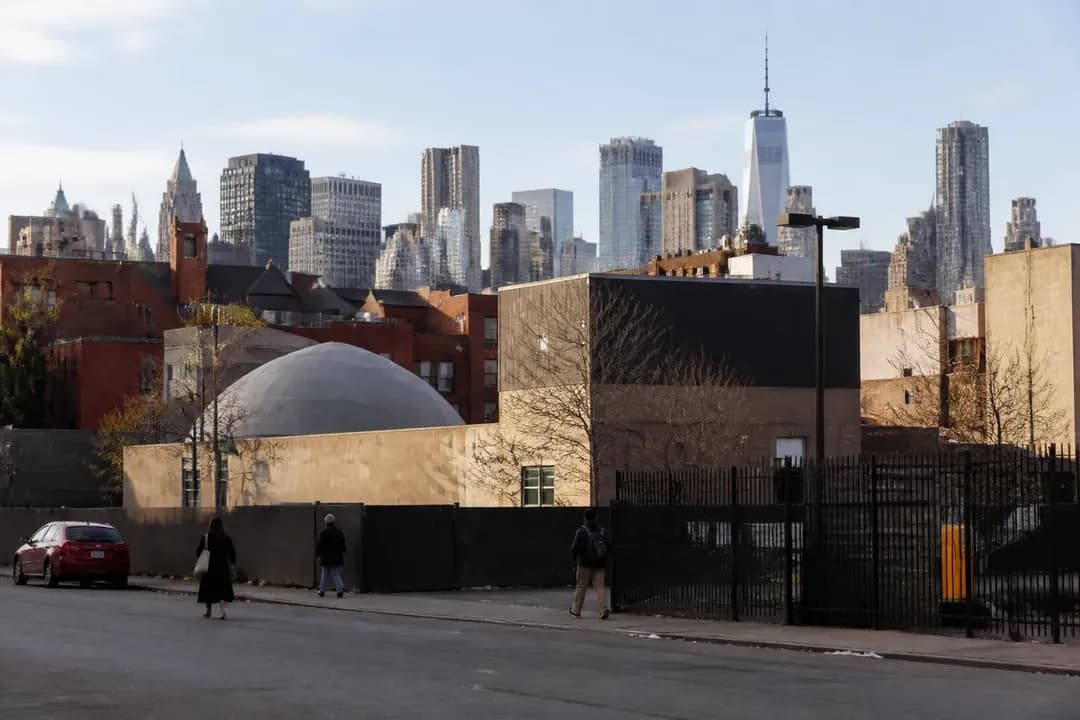
spirit halloween: How to Navigate NYC Without Guessing
A verification-first NYC route for turning spirit halloween buzz into a practical neighborhood plan using official city-planning categories, borough context, and local backups.
The phrase spirit halloween can be useful in New York only if you treat it as a question, not an answer. A spike in attention may remind you to plan a costume errand, a seasonal photo walk, a budget afternoon, or a meet-up before dinner, but the official extracts here do not confirm any Spirit Halloween location, store hours, inventory, pop-up, event, appearance, partnership, or promotion in NYC. A strict local plan should therefore begin with what can be verified: New York City has five boroughs; NYC Tourism organizes visitor planning around categories such as shopping, museums and galleries, tours and attractions, events and festivals, Broadway and performing arts, sports, and nightlife; and the official tourism site lists both budget ideas and citywide dining information. Use the headline as a prompt, then build the outing around confirmed places, a compact neighborhood choice, and at least one nearby backup.
Want a cleaner plan before you leave? Text Karpo to check neighborhood fit, subway-accessible routing, indoor and outdoor backups, and what to verify for this exact NYC outing.
Translate the headline into a neighborhood question
Start with the real question behind spirit halloween: what are you trying to do in the city today? If the need is costume-related, the supported planning category is shopping, not a specific store. If the goal is atmosphere, the official NYC Tourism categories point toward museums and galleries, Broadway and performing arts, tours and attractions, events and festivals, sports, nightlife, restaurants, or borough exploration. Those categories are safer than treating a trending phrase as proof that something specific is happening nearby.
Then narrow the geography. NYC Tourism states that New York City has five boroughs and explains a borough as being like a smaller city within the larger metropolis. That matters because the extracts support borough-level planning, not door-by-door promises. Manhattan is described with Broadway, Central Park, the skyline, and broad appeal. Brooklyn is described through nightlife and boundary-pushing cuisine. Queens is presented as wide-ranging, with old-world cuisines and scenic surf. The Bronx is tied to history, hip-hop, baseball legacy, and its own Little Italy. Staten Island is described with historic attractions, beach views, global dining options, and a ferry-linked visit. Choose the borough because it fits the outing, not because a rumor pulled you across the city.
Choose the area by the actual task
For a fast errand, choose the area where you already have another confirmed stop. The official extract supports shopping as an NYC Tourism category and references a comprehensive shopping guide, but it does not verify any particular shop, Halloween retailer, opening date, hour, or stock level. A strict plan should say: pick a shopping area only after checking the exact business directly, then pair it with a nearby meal, park, museum, or attraction from official planning categories.
For a dining-linked plan, one official date-specific detail is available: NYC Restaurant Week Summer 2026 is listed for Jul 20-Aug 16, with 2-course lunches and 3-course dinners across all five boroughs, starting at $30. That is useful if your outing falls in that window and you want a verified citywide dining frame. It still does not confirm an individual restaurant’s menu, seats, hours, or availability, so any participating meal should be checked before it becomes the anchor of the day.
For a culture-first plan, use a sequence rather than a single fragile destination. NYC Tourism identifies a Prospect Heights and Crown Heights culture route that moves from Prospect Park to Brooklyn Botanic Garden to museums. The extract supports that as a neighborhood model: begin with an outdoor public-space anchor named in the official copy, add a nearby cultural stop named in the official copy, and keep the route compact enough that weather, crowding, or entry conditions do not wreck the afternoon.
Use transit exits as planning anchors
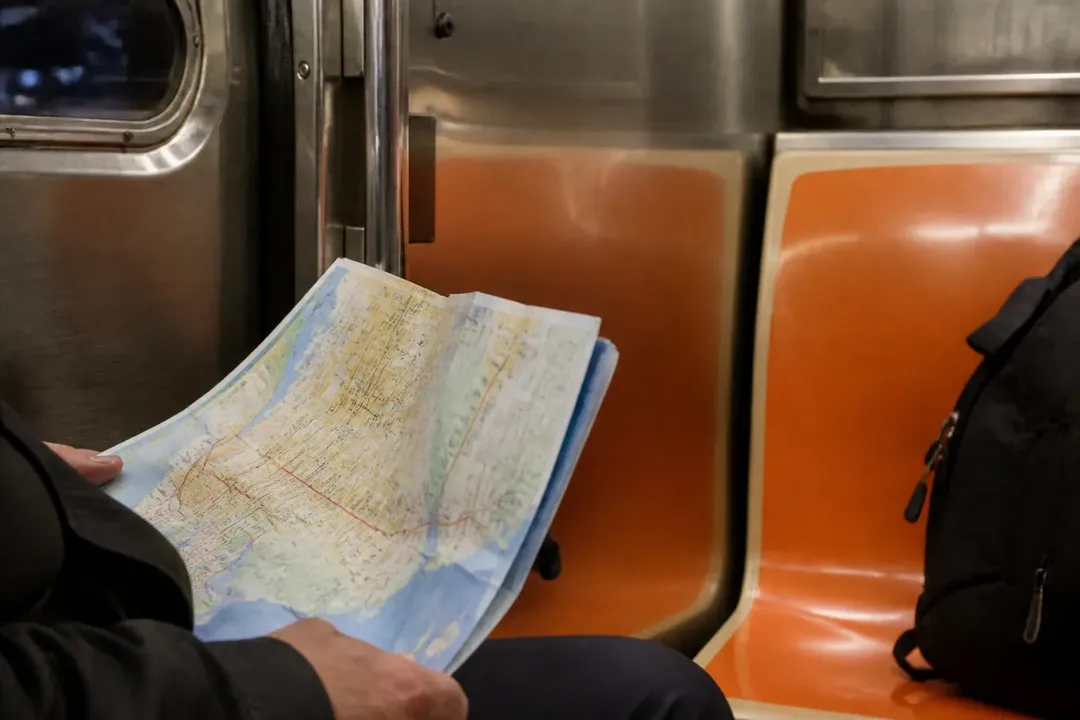
The official MTA extract provided here is an access-denied page, so it cannot support subway schedules, station data, travel times, service frequency, elevator status, fare details, or route promises. Keep transit language careful. NYC Tourism does mention a video series with subway-accessible stories from Times Square to every borough, but that is broad framing, not a trip planner. The practical takeaway is to plan by access and then verify the route through an official transit source before leaving.
A clean route has three anchors: arrival area, main task, and recovery point. In Manhattan, that could mean a confirmed shopping, cultural, dining, or performance area, followed by a nearby public-space or restaurant backup. In Brooklyn, keep the plan within a sensible neighborhood pair when using the Prospect Heights and Crown Heights example from the official extract. In Queens, the tourism description emphasizes variety, so avoid turning that variety into an overwide route without checking the actual distance between stops.
Before entering the system, verify the line, direction, service notices, accessible route needs, and walking distance from the exit using a current official transit source. The extracts here do not provide those details. Accessibility should also be treated as a primary condition, not a last-minute concern: NYC Tourism’s maps and guides section includes visitor essays about navigating the city with disabilities and an Accessible Arts in NYC article pointing to the Museum, Arts & Culture Access Consortium as a resource for the disability community.
Add one indoor and one outdoor backup
A seasonal NYC plan should carry two backups: one indoor option for rain, heat, fatigue, or crowding, and one outdoor option for when conditions are better than expected. The official tourism extract supports both broad categories. Indoor-leaning choices include museums and galleries, Broadway and performing arts, restaurants, shopping, sports, nightlife, and some tours or attractions. Outdoor-leaning choices include borough exploration, walking tours, city parks, waterfront activities, and public-space routes mentioned within official article listings.
For an indoor backup, choose something with a current access check. TV show tapings are listed by NYC Tourism as a way to join live audiences of TV shows taped in New York City using a guide to find free tickets. That supports the idea of free tickets, but it also means you should verify the ticket process directly before building a day around it. Museums, performances, restaurants, and shopping stops likewise need current checks for admission, reservations, hours, and availability.
For an outdoor backup, stay near the original plan. The official extract references Brooklyn Bridge Park as a waterfront attraction with views, cultural activities, nature, and spaces for relaxing; it references Prospect Park in the Prospect Heights and Crown Heights route; and it references city parks in the budget activity section. Those are useful official planning signals, but the extracts do not provide operating conditions, bathroom availability, weather rules, or event schedules. Keep the backup nearby and verify conditions before making it the fallback.
Avoid treating online attention as a local promise
The phrase spirit halloween may be timely, but attention is not confirmation. Do not tell friends there is a pop-up, appearance, sale, event, partnership, guaranteed stock, or open store unless you have verified it from an official local source or the business itself. The official extracts here do not prove any Spirit Halloween activity in New York City. A fact-checked NYC article should therefore avoid naming a location, promising hours, implying inventory, or describing a promotion that the extracts do not support.
Use the official information conservatively. NYC Tourism can support broad city-planning facts: five boroughs, borough descriptions, things-to-do categories, budget activity ideas, shopping as a planning category, TV tapings with free-ticket guidance, and the Restaurant Week Summer 2026 date range and starting price. It can also support examples such as Prospect Park to Brooklyn Botanic Garden to museums in Prospect Heights and Crown Heights, Brooklyn Bridge Park as a waterfront attraction, and Times Square as a starting point in a borough-spanning video series.
This is why a neighborhood guide is stronger than a rumor list. A good plan survives a closed door because the next choice is already local and official enough to investigate quickly. If the first stop fails, switch to a nearby museum or gallery, a public-space walk, a restaurant, a shopping category search, a budget activity, or a borough plan that was already in your direction of travel.
Verify conditions before crossing the city
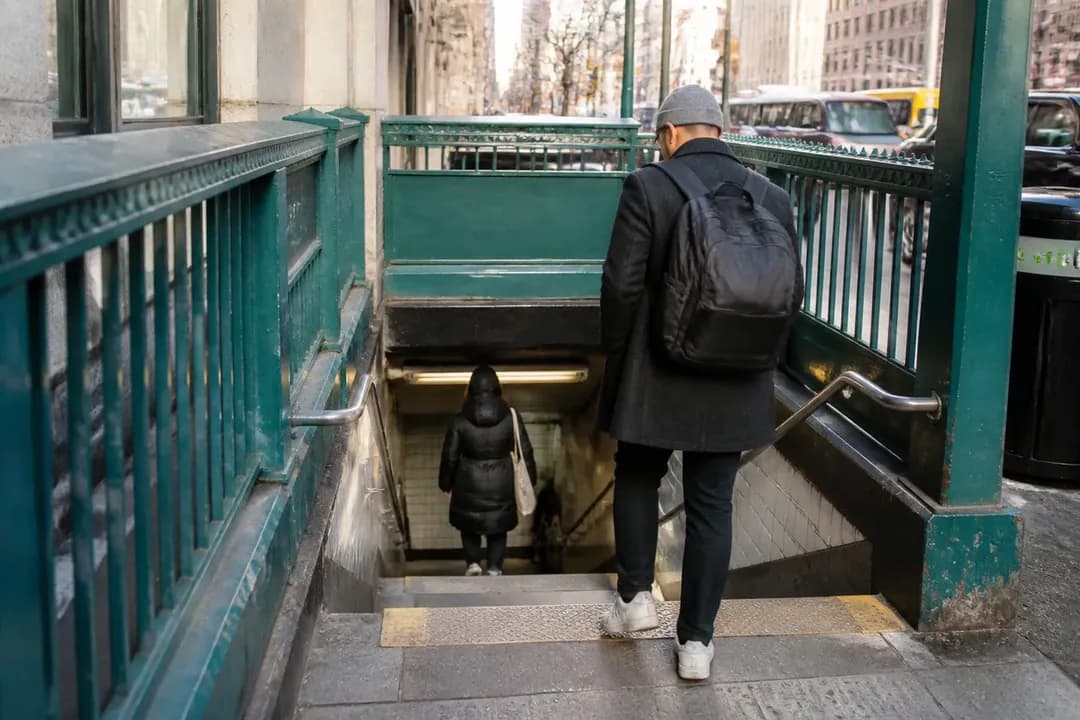
Before crossing borough lines, run a short verification checklist. Confirm that the specific destination exists for today’s purpose. Check current hours, entry method, ticket or reservation requirements, accessibility needs, weather exposure, and the return route through current official or direct sources. If the stop involves Restaurant Week, the supported official detail is limited to Summer 2026 dates of Jul 20-Aug 16, 2-course lunches and 3-course dinners across all five boroughs, starting at $30. Individual participation, menus, and availability still require confirmation.
Then pressure-test the timing without inventing transit facts. The extracts do not provide travel times, train schedules, road conditions, ferry schedules, or station-specific data. Keep the first destination close to the arrival area. Put the most important task first. Save the flexible stop for last. If meeting other people, choose a public, easy-to-identify place connected to the confirmed outing rather than a vague corner, platform, or storefront rumor.
Finally, decide what would make you abandon the plan. Bad weather might push you toward museums and galleries, restaurants, shopping, TV tapings if ticketed, Broadway and performing arts, or another indoor category. Better weather might support a park, waterfront, walking-tour, or borough-exploration option. A missing confirmation should stop the cross-city trip before it starts. That is the point of a strict local-information plan: turn a timely NYC idea into a route based on verified categories, official borough context, and direct checks for anything specific.
Tags: #AskKarpo #BeforeYouGo #NYC #NewYorkCity #NeighborhoodGuides #Manhattan #Brooklyn #Queens #Bronx #StatenIsland #NYCTransit #NYCShopping #NYCParks #NYCPlanning
Sources consulted: nyctourism.com · new.mta.info · nycgovparks.org
All trademarks are the property of their respective owners.
Ask Karpo first
Ask Karpo first when a headline makes you want to move fast. For this plan, Karpo can help compare borough fit, nearby indoor and outdoor backups, access checks, and what must be verified before you spend time crossing NYC.
Ask Karpo for more information.
Keep reading
- Mediterranean Food Near Me in Fort Greene: Miss Ada's Garden and Hummus
 Places To Eat Near Me in Chelsea: The Market Fills a Nabisco Factory
 Seafood Near Me in the East Village: The Mermaid Inn's Dollar Oysters