 Where to Eat Near Penn Station That Isn't a Chain
US Open 2026
USD to Yen Exchange: Queens Currency Services Near 2026 Open
A practical guide to currency exchange, banking services, and international visitor planning for the 2026 US Open in Queens.
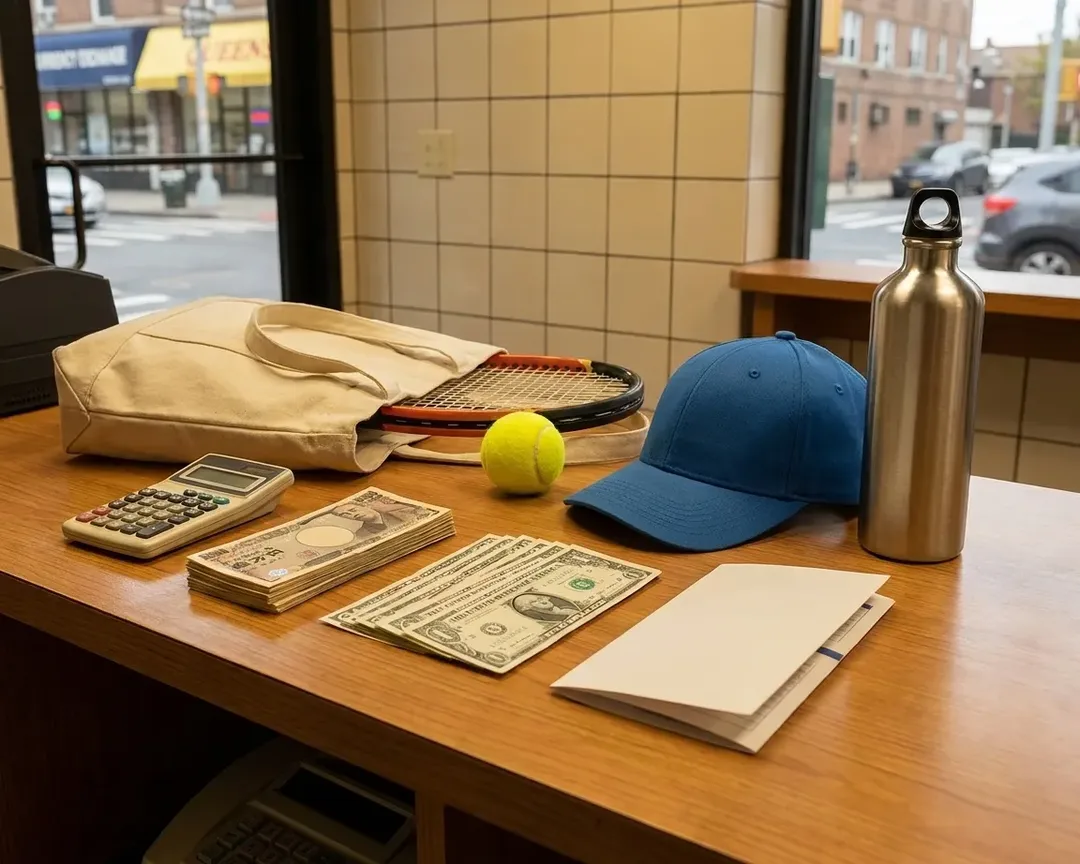
When international tennis fans search USD to yen exchange rates, they're often planning trips that include major sporting events like the US Open. If you're traveling from Japan—or anywhere else—to Flushing Meadows Corona Park for the 2026 tournament, understanding where to exchange currency, access banking services, and manage travel money around Queens makes the journey smoother. The 7 train corridor connecting Manhattan to Flushing offers multiple options for currency services, ATMs, and practical financial stops before you settle into your seat at Arthur Ashe Stadium. This guide walks through the banking and exchange landscape around the US Open, helping international visitors plan ahead without last-minute surprises.
Text Karpo with your US Open session time and Queens starting point, and we’ll turn this International currency exchange locations and banking services for traveling fans into a practical local plan.
Currency Exchange Options Before You Reach Flushing Meadows
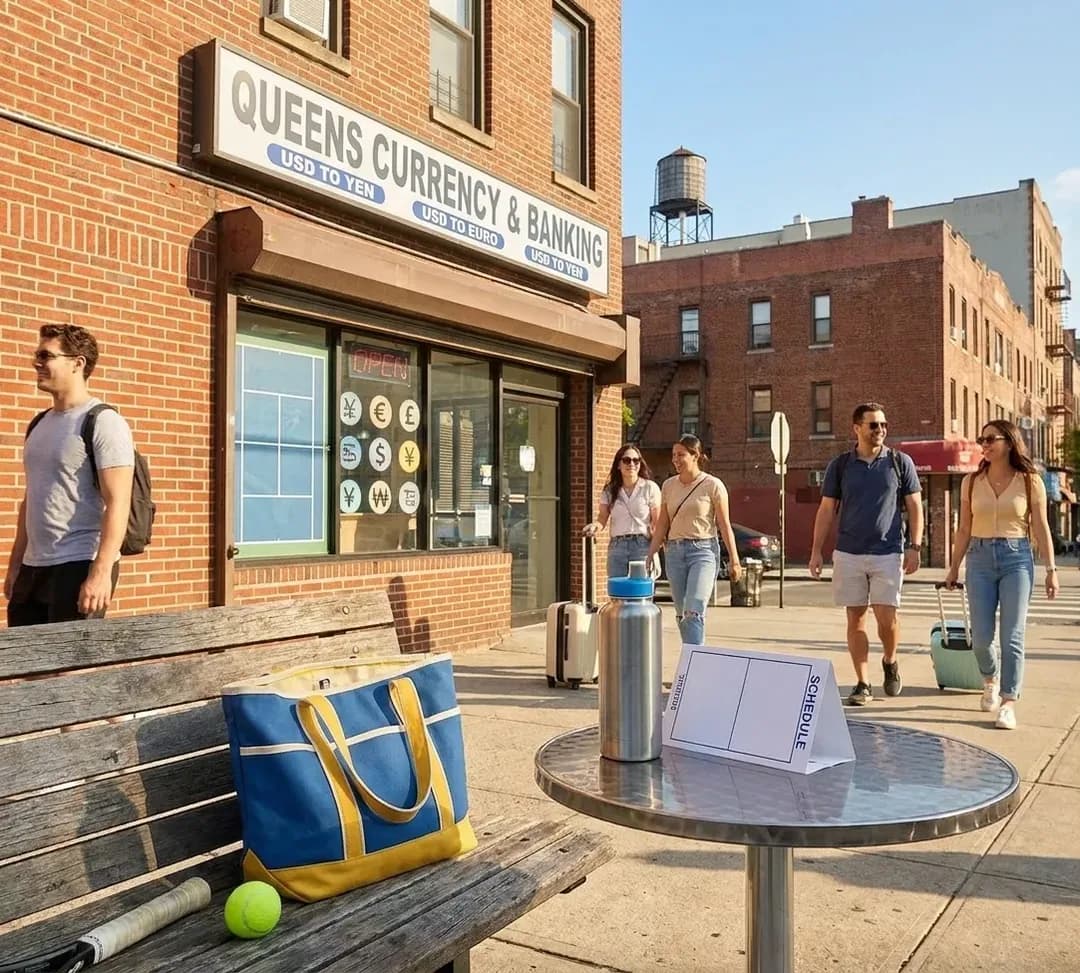
Most international visitors arriving through JFK or LaGuardia will find currency exchange counters at the airports, but rates and fees vary widely. If you're staying in Manhattan before heading to Queens, neighborhoods like Midtown and the Financial District host dedicated currency exchange offices and bank branches with foreign exchange desks. Once you board the 7 train toward Flushing, your options shift: smaller storefront exchange services appear in Jackson Heights and Flushing itself, where diverse international communities mean more currency-friendly businesses. It's worth comparing airport rates with neighborhood services and considering how much cash you'll actually need for the day, since most US Open concessions, merchandise stands, and nearby restaurants accept credit and debit cards.
ATMs and Banking Along the 7 Train Corridor
Major bank branches line the 7 train route, especially around stops like 74th Street–Broadway in Jackson Heights, Junction Boulevard in Corona, and Main Street in Flushing. These branches typically offer ATMs that accept international cards, though foreign transaction fees and ATM surcharges depend on your home bank's agreements. If you're planning to withdraw cash, doing so at a bank-operated ATM rather than an independent machine often means lower fees and better exchange rates applied by your card issuer. Check with your bank before departure to understand daily withdrawal limits and notify them of your travel dates to avoid card blocks. The MTA's official US Open transit guide at https://new.mta.info/guides/stadiums/us-open confirms that the 7 train is the primary public transit route to the Billie Jean King National Tennis Center, making these corridor banking stops convenient for pre-event errands.

How Much Cash to Carry at the US Open
The US Open grounds accept credit and debit cards widely, and the official visitor A-Z guide at https://www.usopen.org/en_US/visit/a_z.html notes that most vendors are cashless or card-preferred. However, carrying a modest amount of USD cash remains useful for small purchases at nearby delis, food trucks outside the gates, or tips for service staff. International visitors should also consider keeping a small reserve for transit: while MetroCards and OMNY contactless payment work on the subway and buses, having cash as a backup avoids stress if a card is declined or a machine malfunctions. The official US Open transportation directions at https://www.usopen.org/en_US/visit/transportation_directions.html outline multiple transit options, and cash can be handy for rideshares or taxis if you're traveling late after night sessions.
Flushing's International Banking and Money Services
Flushing's Main Street area is one of New York's most internationally connected neighborhoods, with banks, remittance services, and currency exchange storefronts serving Chinese, Korean, South Asian, and Latin American communities. This density of financial services means competitive rates and multilingual staff, which can be reassuring for visitors navigating currency questions in a second or third language. If you're spending time in Flushing before or after your US Open session—perhaps visiting the Queens Botanical Garden or grabbing dumplings—you'll pass several banks and exchange offices within a few blocks of the Main Street subway stop. Always compare rates and ask about fees upfront, and remember that exchange rates fluctuate daily, so the USD to yen rate you researched at home may differ slightly when you arrive.
Credit Cards, Foreign Transaction Fees, and Payment Apps
Many international credit and debit cards work seamlessly in the United States, but foreign transaction fees—typically 1 to 3 percent per purchase—can add up over a multi-day visit. Before you travel, confirm whether your card issuer charges these fees and consider applying for a travel-friendly card with no foreign transaction charges if you're a frequent international visitor. Contactless payment via smartphone apps like Apple Pay or Google Pay is widely accepted at the US Open and throughout Queens, and these methods use the same exchange rate and fee structure as your linked card. If you're using a Japanese credit card, for example, purchases will be converted from USD to yen at your card network's daily rate, plus any issuer fees. Keeping digital and paper records of your spending helps you track exchange costs and budget accurately.
Planning Your Queens Day Around Banking Stops
If you're arriving early for an afternoon or evening US Open session, building in time for a banking or currency stop along the 7 train route lets you handle money matters without rushing. Jackson Heights, for instance, offers a mix of banks, cafes, and international grocery stores within a short walk of the subway, making it a practical pause point. Corona's Junction Boulevard stop sits closer to Citi Field and Flushing Meadows, with delis and small businesses where you can grab a snack and use an ATM. The official US Open event schedule at https://www.usopen.org/en_US/about/eventschedule.html helps you gauge how much buffer time you have before gates open, and the MTA guide confirms train frequency and travel times. Combining a currency errand with a meal or a quick visit to a nearby park—like the expansive Flushing Meadows Corona Park at https://www.nycgovparks.org/parks/flushing-meadows-corona-park—turns logistics into a more relaxed part of your day.
Practical Notes for International Visitors
- Notify your bank and credit card issuers of your US travel dates to prevent fraud blocks on your cards.
- Compare currency exchange rates at airports, bank branches, and neighborhood storefronts before committing to a transaction.
- Carry a mix of payment methods: one primary credit or debit card, a backup card, and a small amount of USD cash.
- Check your card's daily ATM withdrawal limit and foreign transaction fee policy before you leave home.
- Use bank-operated ATMs along the 7 train corridor for lower fees and better security than independent machines.
- Keep digital copies of your card numbers and issuer contact information in case of loss or theft.
- Review the US Open's official prohibited-items guide at https://www.usopen.org/en_US/visit/prohibited_items.html to avoid carrying large bags that might hold excess cash or valuables.
- Plan banking stops during daytime hours when branches and exchange offices are most likely to be open and staffed.
Beyond Banking: Queens Museums and Cultural Stops
Once your currency and payment logistics are sorted, Queens offers rich cultural stops that don't require much cash. The Queens Museum at https://queensmuseum.org/ sits inside Flushing Meadows Corona Park, a short walk from the US Open grounds, and suggested admission policies mean you can visit affordably. The New York Hall of Science at https://nysci.org/ and the Museum of the Moving Image at https://movingimage.org/ in Astoria are also accessible via the 7 train and offer engaging exhibits for international visitors interested in science, film, and New York history. These venues accept cards, and their proximity to the tennis center makes them natural pre- or post-match destinations. Checking each museum's website close to your visit confirms hours, admission details, and any special exhibitions, helping you build a full Queens day around your US Open tickets.
Tags: #USOpen2026 #Queens #FlushingMeadows #KarpoFinds #Karpo #usdtoyen #NewYorkLocal #TennisTravel #NYCLocalLife #TennisTravel
Sources consulted: usopen.org — Official event schedule · usopen.org — Official visitor A-Z guide · usopen.org — Official transportation directions · usopen.org — Official prohibited-items guide · MTA — Official US Open transit guide · NYC Parks — Flushing Meadows Corona Park · Queens Museum · New York Hall of Science · Museum of the Moving Image
All trademarks are the property of their respective owners.
Ask Karpo first
Want to know what is actually open, how to time the trip, and where to pause around Queens? Ask Karpo for the latest public US Open context, a respectful visitor plan, and a live route around Flushing Meadows before you head out.
Ask Karpo for more information.
Keep reading
- Where to Eat Near Penn Station That Isn't a Chain
 Andytown Coffee in the Outer Sunset: The Snowy Plover Explained
- Best Things to Do in Chicago: What the City Gives Away