 Haaland Has Seven Goals and Norway Runs Entirely Through Him
⚽️2026 FIFA WORLD CUP
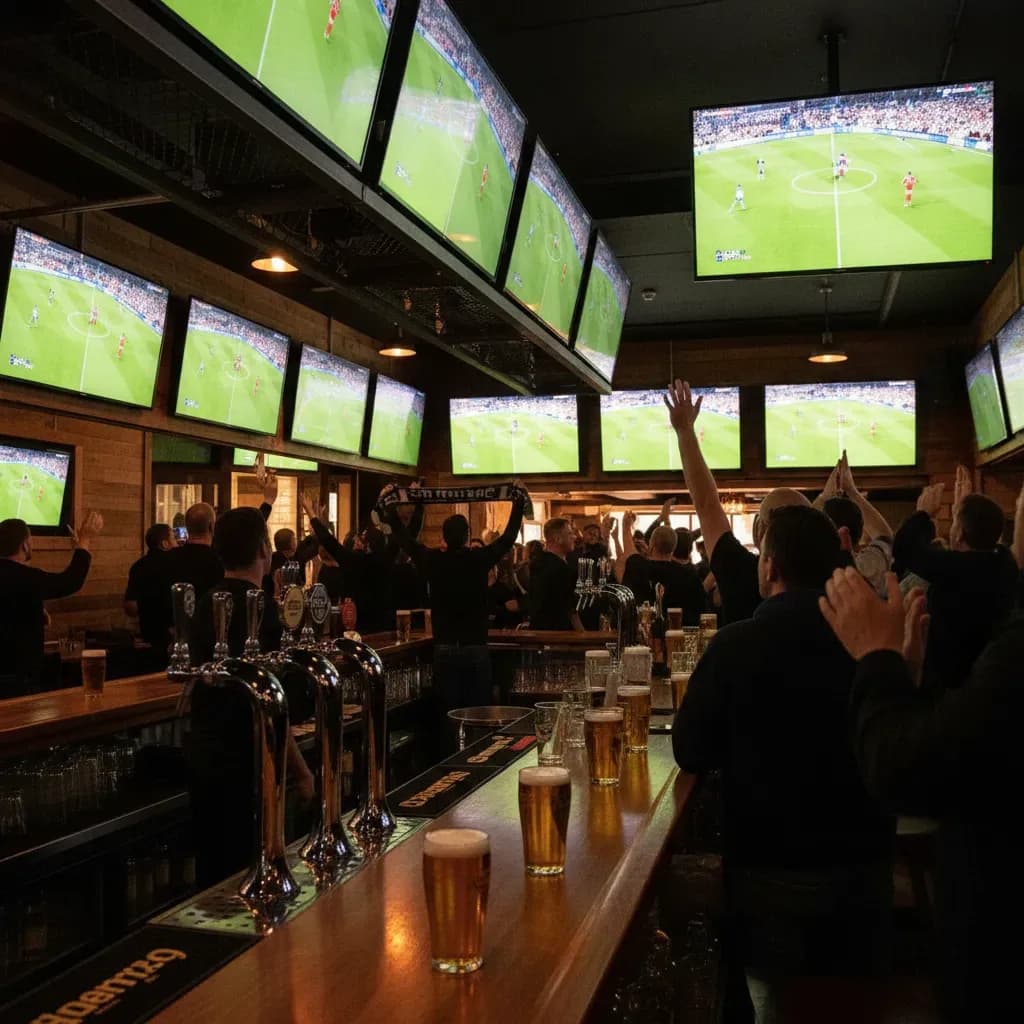
USA-Belgium Becomes Most Watched Soccer Match in US Television History
The Round of 16 match between the United States and Belgium at the 2026 FIFA World Cup drew 48.7 million American television viewers across Fox and Telemundo, shattering the previous record of 26.5 million set during the 2015 Women's World Cup Final and making it the fifth most-watched sporting event in US history.
48.7 Million: The Number That Changes Everything
Fact-checked update
Fact-checked update (August 10, 2026): this article was rechecked against ESPN, FIFA, Yahoo Sports. The refresh keeps the body focused on cited schedule, rules, result, and context claims; readers should use the linked official or primary sources for any late-breaking match changes.
Updated August 2026: World Cup schedules, stadium policies, player statistics, broadcast details, and post-match records can change quickly. Check the linked FIFA, stadium, broadcaster, or tournament sources in the Sources section before using this guide for travel, tickets, viewing plans, or factual citation.
Direct answer: Get the key USA Belgium Most Watched Soccer Match American facts, including dates, scores, rules, context, and what it means for the 2026 World Cup.
At 8:47 PM Eastern Time on July 5, 2026, approximately 48.7 million Americans were watching their television screens as Romelu Lukaku headed in Belgium's fourth goal against the United States at MetLife Stadium. The number, confirmed by Nielsen the following morning, represents the largest audience for a soccer match in American television history — nearly doubling the previous record of 26.5 million viewers who watched the US Women's National Team defeat Japan in the 2015 Women's World Cup Final. When streaming viewers are included (an additional estimated 12 million across Fox Sports and Peacock), the total audience exceeded 60 million, placing it fifth on the all-time list of most-watched sporting events in US history, behind only four Super Bowls.
Part of the record crowd? Ask Karpo where to watch the rest of the World Cup near you.
The Build-Up: A Nation Tuned In
The record audience was the culmination of a three-week crescendo of American interest in the World Cup. The group stage had already set new benchmarks: the USA-Uruguay match drew 22 million viewers, and the USA-Wales match drew 19 million. But the Round of 16 match against Belgium was different. It was scheduled in prime time on a Saturday evening. It was the US men's team's first World Cup knockout match on home soil since 1994. The promotional campaign by Fox Sports, which held exclusive English-language broadcasting rights, was the most expensive in the network's history, with 120 million dollars spent on advertising and cross-promotion across Fox's entertainment and news platforms.

The Advertising Revenue
The economic implications of the 48.7 million viewer figure are significant. Fox Sports sold 30-second advertising spots during the USA-Belgium match for between 2.5 and 3.2 million dollars each — roughly half the price of a Super Bowl spot but far above the previous record for a soccer broadcast. Total advertising revenue for the single match exceeded 250 million dollars. For context, the entire 2022 World Cup generated approximately 600 million dollars in US television advertising revenue across all 64 matches. The 2026 tournament, with its larger audience and prime-time American scheduling, is projected to generate over 2 billion dollars.
The Regional Story: New York and New Jersey
The regional ratings in the New York-New Jersey metropolitan area, where MetLife Stadium is located, were extraordinary. The match drew a 34.2 household rating in the New York DMA — meaning more than one in three households with a television was watching the match. This exceeds the household rating for every regular-season NFL game played in the market in the 2025 season and approaches the ratings of the most recent Super Bowl in the same market. Sports bars across Manhattan, Brooklyn, and Hoboken reported turning away customers two hours before kickoff. The PATH train from Manhattan to East Rutherford was standing-room-only from 4 PM onward.
What It Means for American Soccer
The 48.7 million figure has immediate implications for the business of soccer in the United States. Major League Soccer's next television contract, which enters negotiation in 2027, is expected to be worth significantly more than the current deal — with some estimates suggesting a threefold increase to over 2.5 billion dollars across all platforms. The ratings also validate FIFA's decision to award the 2026 World Cup to the United States, Canada, and Mexico, silencing critics who argued that American audiences would not engage with a sport that competes against the NFL, NBA, and MLB for attention. The evidence is now clear: when the stakes are high enough and the timing is right, Americans will watch soccer in numbers that rival any sport in the country.
The Paradox of Defeat
The most uncomfortable truth about the 48.7 million figure is that it was achieved in defeat. The United States lost 4-1, and the match became progressively more painful to watch as Belgium's superiority became overwhelming. Yet the audience did not decline as the deficit grew — peak viewership actually occurred in the 71st minute, when Lukaku scored the fourth goal, suggesting that Americans were watching not for the result but for the spectacle. This is significant because it suggests that American soccer viewership is no longer contingent on American success — the sport has developed a sufficient cultural foothold that audiences will watch for the drama, the skill, and the global significance of the event, regardless of the home team's performance.
Tags: USA Belgium, TV ratings, World Cup 2026, most watched soccer, 48.7 million viewers, Fox Sports, American television, MetLife Stadium, advertising revenue, MLS
Sources consulted: ESPN · CBS Sports · FIFA · Yahoo Sports · FIFA World Cup 26 match schedule and results · ESPN FIFA World Cup
All trademarks, team names, league names, and player likenesses mentioned in this article are the property of their respective owners and are used here for informational and editorial purposes only.
Ask Karpo First
Want to find out where to watch the remaining World Cup matches or track the ratings records? Ask Karpo for the complete TV schedule, the best sports bars near you showing every match, and a breakdown of the most-watched sporting events in US history.
Ask Karpo for more information.
Keep reading
- Haaland Has Seven Goals and Norway Runs Entirely Through Him
 World Cup Trophy Ceremony Timing Medals and Postmatch Celebrations
 Olise and France's Attack: The Semifinal Tactical Question