 Where to Eat Near Penn Station That Isn't a Chain
US Open 2026
US Open Women’s Contenders Beyond the Obvious Favorites
This is a tactical guide to women’s US Open contenders who could matter in New York if the official field, draw, conditions, and form signals align.
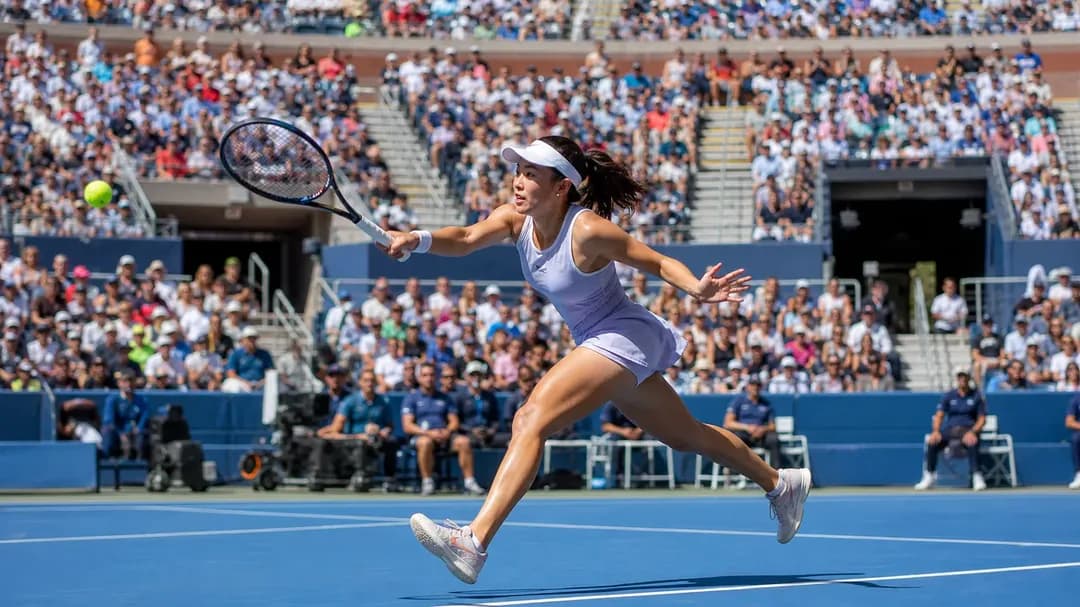
The women’s US Open conversation often starts with the most obvious favorites, but New York rarely feels that simple once the tournament begins. Fans should not assume the final entry list, seeds, draw, order of play, or any individual player’s participation before official publication by the tournament. What can be assessed in advance is the kind of contender profile that tends to travel well to the Billie Jean King National Tennis Center: players who can manage fast hard-court exchanges, absorb noisy momentum swings, protect service games under pressure, and adjust when late-summer conditions make the ball either fly or sit up. Instead of treating the field as a fixed bracket before it exists, this guide looks at women beyond the headline names by tactical archetype and by the observable signals fans can use once the official field and draw are available.
Text Karpo Now: Tell us what matters most for US Open Women s Contenders Beyond, and Karpo can turn current US Open updates into a practical plan before you go.
First-Strike Hard-Court Threats
The first contender group to watch is the player who can win points before they become patterns. On a hard court, especially when the surface rewards clean contact, a strong first serve plus a fearless first forehand can shorten matches and reduce the need to defend for hours. These players do not need to dominate every rally; they need enough free points, plus-one attacks, and second-serve pressure to make opponents feel rushed. In New York, where the crowd can amplify a two-game surge, that style can become especially dangerous.
The risk is obvious: first-strike tennis has a narrow emotional and technical margin. If the first-serve percentage drops or the returner blocks deep balls back into play, the attacker can start forcing winners from uncomfortable positions. That is why the key signal is not merely power. Look for whether the player can attack with shape, redirect down the line without overhitting, and finish at net when the court opens. A ball-striker with repeatable serve patterns, not just highlight pace, is the one who can trouble a stronger favorite.
Counterpunchers With Real Bite
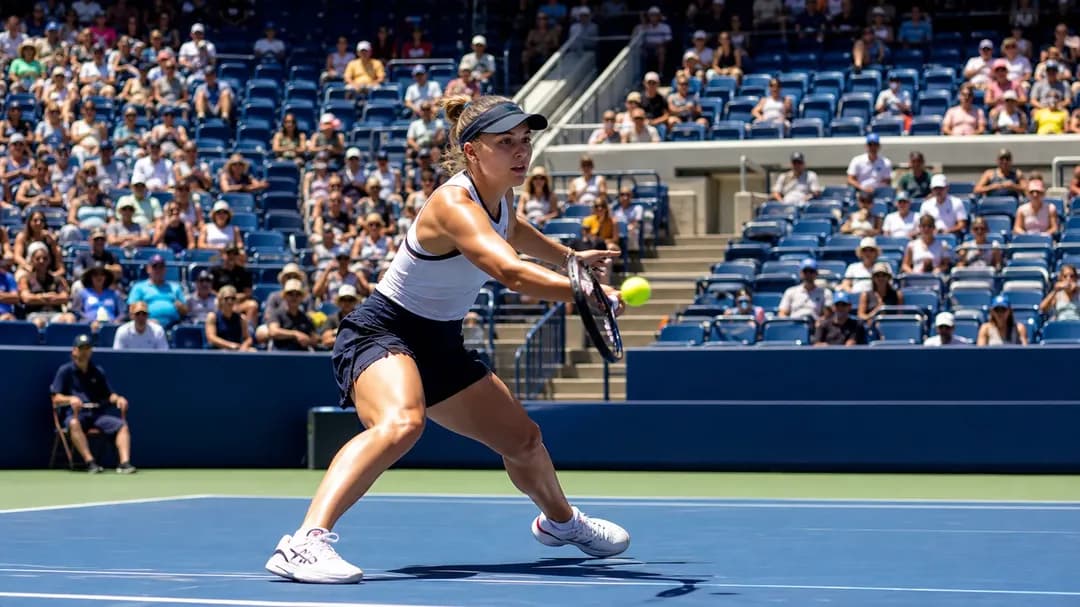
A second archetype is the counterpuncher who does more than retrieve. These contenders turn defense into scoreboard pressure by making opponents hit one extra shot, then stepping forward the moment a rally ball lands short. That may sound less glamorous than serving aces or blasting returns, but it can be a strong US Open fit because hard courts reward balance, anticipation, and compact changes of direction. A composed defender can make a power player feel as if every attacking shot must be perfect.
For fans, the simplest way to identify this type is to watch court position after the second or third shot. If a player is defending far behind the baseline every rally, she may be surviving rather than contending. If she absorbs pace, recovers quickly, and then moves inside the baseline when she earns a neutral ball, she has the bite required to trouble bigger hitters. The best version of this profile returns with depth, uses the crosscourt backhand as a stabilizer, and changes direction only when the opponent is off balance.
Variety Players In New York
The third group is the variety player: someone who can slice, change height, use angles, finish with touch, and make an opponent solve multiple problems in the same game. This type can be overlooked in power-heavy previews because variety does not always show up in a simple stat line. Yet at the US Open, variety can matter because matches are played across different courts, times of day, and atmospheres. A player who can slow a rally with a low slice, then accelerate with a forehand into space, has tools for unsettled conditions.
Variety is not the same as improvisation without structure. The contenders in this category still need a dependable serve target, a return plan, and a way to hold baseline territory. Drop shots and slices are most valuable when they are built on the threat of a heavier ball behind them. If a player uses variety only because she is being pushed around, it can become a symptom of stress. If she uses it from neutral or offensive positions, it can break rhythm and make a more powerful opponent hit from awkward contact points.
- A knifed backhand slice that stays low and prevents easy forehand attacks.
- A changeup serve that earns weak returns rather than only chasing outright aces.
- A willingness to come forward behind a good approach instead of resetting endlessly.
- A drop shot used after depth has moved the opponent behind the baseline.
Pressure And Form Signals
Because the official seeds and draw should not be assumed before publication, the smarter way to discuss non-obvious contenders is through pressure indicators. New York can reward boldness, but it also exposes loose service games and fragile routines. Watch how a player handles the first service game after a break, the first return game after losing a tight set, and the points immediately after a crowd eruption. Those moments reveal whether she is controlling her process or reacting to noise.
Form should also be read carefully. A deep run before the US Open can be encouraging, but workload, travel, and match style all matter. A player winning efficiently with short points may arrive fresher than someone surviving repeated three-set matches. Conversely, a few losses are not automatically disqualifying if the underlying tennis is improving. Strong return depth, better second-serve protection, and cleaner decision-making on break points can be more meaningful than a simple win-loss glance. Fans should resist treating one summer result as proof that a player is ready or finished.
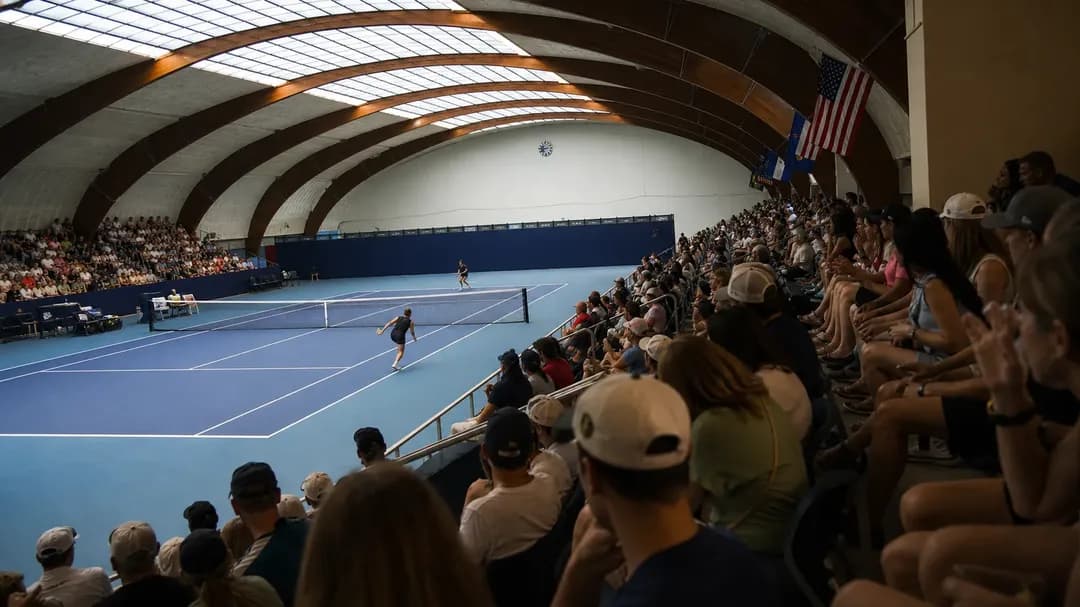
The draw, once official, will change the conversation. A dangerous floater might become a major story if placed near a favorite with a vulnerable second serve, or she might face a poor tactical matchup immediately. A power hitter may like a draw full of rhythm players but struggle against defenders who redirect pace. A variety player may benefit from opponents who dislike low balls, while a counterpuncher may prefer facing impatient attackers. Until the bracket is released, those are conditional possibilities, not predictions.
- Serve security: Can she hold without needing a perfect first-serve day?
- Return depth: Is she starting rallies near neutral rather than instantly defending?
- Reset ability: Does she recover after a bad game without changing the whole plan?
- Physical efficiency: Is she winning enough points without endless emergency defense?
Another useful lens is matchup independence. Some players look dangerous only when the opponent gives them pace or predictable targets. The more serious contender has at least two ways to win: perhaps a serve-forehand pattern plus improved backhand tolerance, or elite defense plus a sharper return position. In a two-week major, single-plan tennis usually becomes easier to scout. The women who can survive a flat hitting day, a windy afternoon, or an opponent who refuses to miss belong in the broader contender discussion.
Practical Notes
For fans visiting New York, use the official US Open player page for confirmed field information and the official event schedule for session planning once updates are posted. Do not buy or plan around an assumed matchup before the draw and order of play exist. If you want to scout contenders in person, consider early-round sessions, when more courts are active and different styles are easier to compare. Bring patience for security lines, sun, heat, and possible schedule movement. On outer courts, arrive before the previous match ends if a rising player is likely to draw interest. Watch warmups for serve rhythm and movement, but judge form by competitive points: return depth, point construction, and body language after errors tell you much more than clean practice hitting.
Tags: #USOpen2026 #Tennis #GrandSlam #NewYorkTennis #ArthurAsheStadium #FlushingMeadows #USOpenGuide #TennisFans #SportsTravel #HardCourt #NewYork #KarpoFinds
Sources consulted: usopen.org — Official reference · wtatennis.com — Official reference · usopen.org — Official reference
All trademarks are the property of their respective owners.
Ask Karpo first
Want to know what is confirmed, when to show up, and how to make us open women s contenders beyond work for your day? Ask Karpo for current US Open updates, a respectful fan plan, and a live route around Flushing Meadows.
Ask Karpo for more information.
Keep reading
- Where to Eat Near Penn Station That Isn't a Chain
 Andytown Coffee in the Outer Sunset: The Snowy Plover Explained
- Best Things to Do in Chicago: What the City Gives Away