 Where to Eat Near Penn Station That Isn't a Chain
US Open 2026
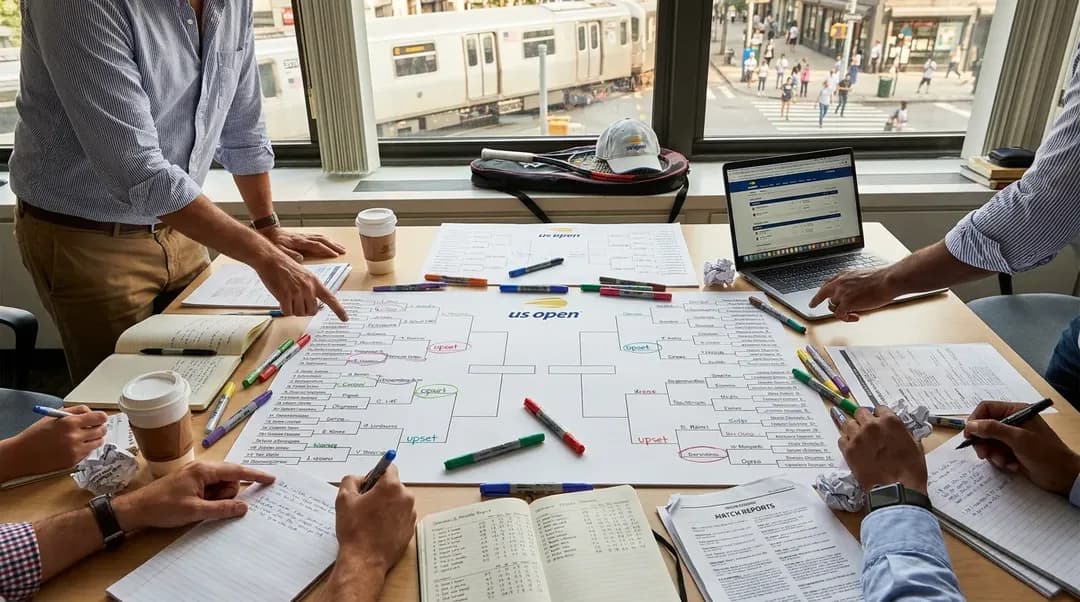
US Open Upset Alerts by Playing Style
This guide explains how serving power, return pressure, variety, and defensive stamina can reveal US Open upset danger before a favorite is fully trapped.
Before you circle a favorite on your bracket or choose which court deserves your attention, ask a sharper question: what kind of opponent can make this match uncomfortable? Upsets at the US Open often begin with a style clash that removes a favorite’s safest patterns. A heavy server can compress the score and turn one loose return game into a set. A strong returner can make every hold feel like a negotiation. A creative baseliner can drag a cleaner hitter into awkward heights, spins, and court positions. A tireless defender can make an attacking player hit the extra ball that turns confidence into impatience. For “US Open Upset Alerts by Playing Style,” the useful 2026 calendar anchor is August 23 through September 13, with singles main-draw play beginning August 30.
Text Karpo for a current, low-friction plan for us open upset alerts by playing style—including timing, route checks, and practical options that fit your day.
Big Serve Warning Signs
A big server is the classic upset threat because the scoreboard can move faster than the favorite can solve the match. The danger is not only aces. It is the way short service games transfer pressure to the favorite, who must keep holding cleanly while waiting for a narrow opening. If the underdog can reach tiebreaks, the match becomes a sequence of small samples, and small samples reward nerve, clarity, and a few bold swings.
Watch patterns rather than radar-gun drama. Does the server use the wide serve to pull the returner off court, then strike into the open space? Can they protect second serves with kick, body placement, or surprise direction? A player who wins cheap points while also starting neutral rallies on second serve is far more dangerous than one who simply swings hard. The favorite’s return position matters too. A deep stance can help against pace but may invite serve-plus-one attacks; a tight baseline position can rush the server but make body serves more effective.
- Upset alert rises when the underdog holds quickly without relying only on first serves.
- Danger grows if the favorite is returning from stretched or guessing positions.
- Tiebreak risk is higher when both players protect service games with few rallies.
- A reliable body serve can jam elite ball-strikers and reduce clean swings.
Returners Who Create Pressure
Elite returning creates the opposite upset route. Instead of shortening the match, the returner lengthens the favorite’s service games until every hold feels earned. The key sign is not an immediate break. It is whether the favorite is repeatedly starting points from neutral or defensive positions on serve. If a player who expects free points is suddenly playing four-shot and five-shot rallies after first serves, the match can become emotionally heavy.
A dangerous returner does three things well. First, they read toss, rhythm, and preferred locations. Second, they make enough deep returns to block the server’s first attack. Third, they punish predictable second serves. That combination can make a higher-profile player feel as if they must overhit just to regain control. On hard courts, compact return swings are valuable because they take time away without requiring spectacular winners.
Look for court position after the return. If the underdog steps inside the baseline on second serves, redirects pace, and forces first balls from below shoulder height, the favorite may be dragged into a tactical grind. Deuce games are especially revealing. Even if the favorite survives them, repeated service pressure can change later choices, including safer first-serve targets, rushed attacks, or frustration after missed opportunities.
Variety That Breaks Rhythm
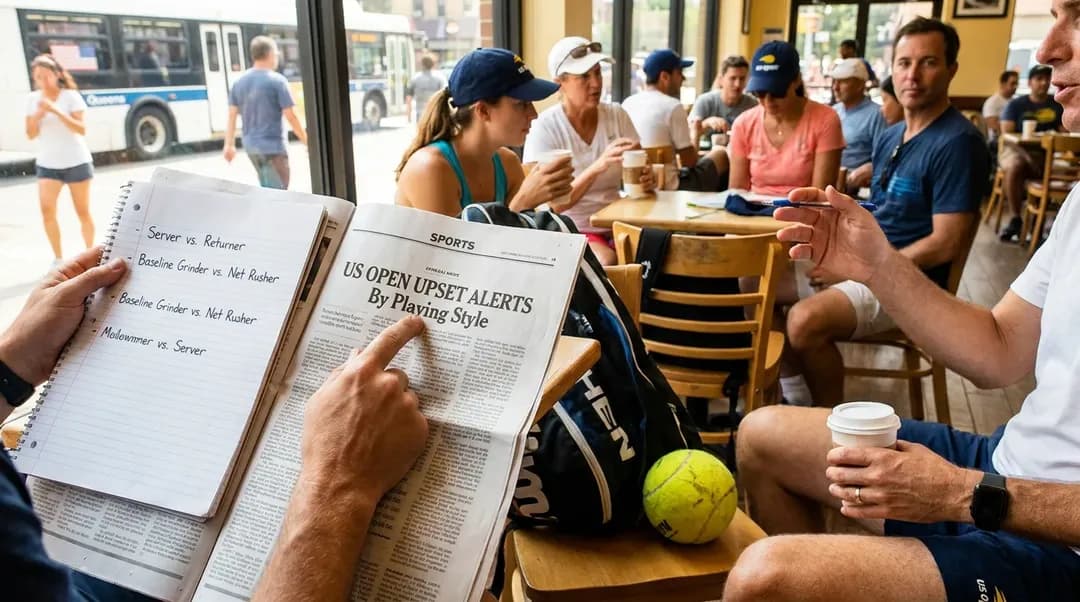
Variety is the upset style casual viewers often underrate. A favorite may look superior in warmups, strike cleaner rally balls, and still become uncomfortable once the opponent changes the shape of the point. Slice keeps the ball low. Loops push contact above the shoulder. Drop shots test forward movement. Net approaches ask whether passing shots arrive under pressure, not in practice rhythm. The purpose is not flair; it is disruption.
The clearest sign is footwork. When a favorite reads the ball early, they arrive balanced and swing without hesitation. When variety is working, they start reaching, waiting, or changing their mind mid-swing. A slice-heavy underdog can bother a rhythm hitter who wants waist-high pace. A drop shot can help even when it loses the point, because it plants doubt about court position. The underdog does not need to win every creative exchange. They need enough changes to make the favorite solve several problems at once.
- Low slice can expose movement into the court, grip changes, and patience.
- High topspin can push a flatter hitter away from preferred contact zones.
- Drop shots are sharper when set up by deep balls that move the opponent back.
- Net approaches work best after a ball has already forced a weak reply.
Defense And Physical Stamina
Physical defense is another upset engine because it changes the cost of aggression. Some favorites look untouchable when rallies are short. The question is what happens when the underdog retrieves the first strike, absorbs the second, and resets the third. A great defender does more than run. They defend with height, depth, and direction, turning desperate positions into neutral balls. That forces the attacker to decide whether to rebuild the point or attempt a lower-percentage finish.
The tactical lens is simple: whose legs are paying more for each point? If a favorite must hit several extra balls to win routine rallies, the match can become physically and mentally expensive. Watch the recovery after long exchanges. Does the aggressive player hurry the next serve, shake out tension, or choose a reckless target? Does the defender keep landing returns and neutral balls deep enough to avoid being finished immediately? Upset potential rises when defense is active problem-solving rather than passive survival.
This style is especially dangerous against players who prefer clear patterns. A favorite may want to serve wide, hit behind the opponent, then finish into open court. A fast defender can cover the first opening and make the favorite prove the pattern again. If the underdog also changes direction safely, the favorite must defend after attacking, one of tennis’s most uncomfortable transitions. The scoreboard clue is a cluster of long games. Even when the favorite wins them, repeated strain can matter later.
Practical Notes
Planning advice: once the draw and daily order are officially posted, compare styles before choosing a court, not just names. A first-round match between a favorite and a dangerous server may offer fewer rallies but more scoreboard tension. A match featuring an elite returner may be better for reading pressure point by point. A variety player can reveal discomfort quickly through mistimed footwork, while a defender’s threat may become clearer only after several long games.
Use official tournament scheduling for timing and ATP and WTA channels for current player information; participation, court assignments, and times should not be assumed before they are confirmed. If attending in person, leave room in your plan for matches that run short, stretch long, or become more interesting than expected. Before acting on “US Open Upset Alerts by Playing Style,” recheck the official security page; its current limit is one searchable bag per guest, no larger than 12 by 12 by 16 inches. For upset hunting, the best early clues are warmup serves, return depth, footwork against low balls, recovery after long points, and whether the favorite is being asked to play a match they did not want.
Tags: #USOpen2026 #Tennis #NewYork #Queens #FlushingMeadows #USOpenGuide #TennisFans #SportsTravel #NYCEvents #HardCourt #KarpoFinds #Karpo
Sources consulted: usopen.org — Official reference · wtatennis.com — Official reference · atptour.com — Official reference
All trademarks are the property of their respective owners.
Ask Karpo first
Want to know what is confirmed, when to show up, and what is actually open to the public? Ask Karpo for the latest US Open updates and a practical New York plan for us open upset alerts by playing style.
Ask Karpo for more information.
Keep reading
- Where to Eat Near Penn Station That Isn't a Chain
 Andytown Coffee in the Outer Sunset: The Snowy Plover Explained
- Best Things to Do in Chicago: What the City Gives Away