 Where to Eat Near Penn Station That Isn't a Chain
US Open 2026
US Open Parking Guide: Better Alternatives to Driving Yourself
Before you aim a rental car at Flushing, compare the train, rideshare, accessibility needs, and official US Open updates that can change by session.
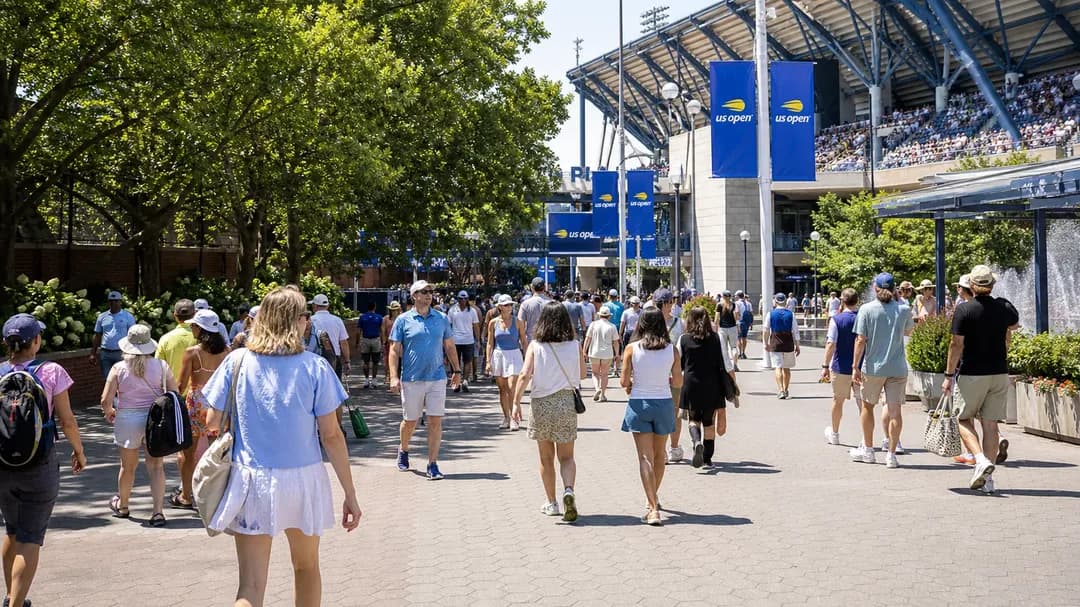
Driving yourself to the US Open can sound convenient until you factor in New York traffic, session crowds, parking uncertainty, and the long walk that may follow a late-night match. For most visitors, the better question is not “Where can I park?” but “Do I actually need a car for this session?” The US Open is held at the USTA Billie Jean King National Tennis Center in Queens, and official visitor information, the grounds map, and the event schedule should be your starting points before every trip. Policies, entry procedures, available onsite options, transportation details, and operating conditions can change, especially between day sessions, night sessions, qualifying, and championship weekend. Treat parking as a conditional plan, not a default, and choose the option that still works when your group is tired, the weather changes, or a match runs later than expected.
Text Karpo Now: Tell us what matters most for US Open Parking Guide Better Alternatives, and Karpo can turn current US Open updates into a practical plan before you go.
Start With The Train
For many fans, public transportation is the simplest way to remove the biggest variables. The 7 subway line and Long Island Rail Road service to the Mets-Willets Point area are the core transit alternatives visitors should compare before driving. They avoid the need to search for a space, reduce exposure to event-area traffic, and make it easier to leave after a match that ends later than planned. If you are staying in Manhattan, Long Island City, Midtown, or near a convenient connection, a train-first plan is often more predictable than bringing a rental car.
Plan the whole trip, not just the ride to Queens. Check the official event schedule for your session date, then compare that with your hotel location, the return trip you are comfortable making, and your group’s walking tolerance. A day session can feel more relaxed because you arrive with daylight and more time to explore the grounds. A night session is different: you may be leaving with thousands of other fans after a high-demand match, and the best plan is the one you can execute calmly.
The train also protects visitors from a common New York mistake: underestimating how long a short drive can take near a major event. A map app may show a reasonable distance, but it cannot guarantee curb access, nearby parking, or a fast exit once crowds build. If you have standard mobility, light bags, and a hotel near transit, the train is usually the baseline option to beat.
When Driving Still Makes Sense
Driving can still be reasonable for some fans, but it should solve a specific problem. Families with small children, visitors coming from areas poorly served by transit, fans with a packed regional itinerary, or groups sharing costs may find a car useful. The decision point is whether the car reduces total stress after accounting for parking, walking, post-session traffic, and the possibility that official parking details may differ from what you expected.
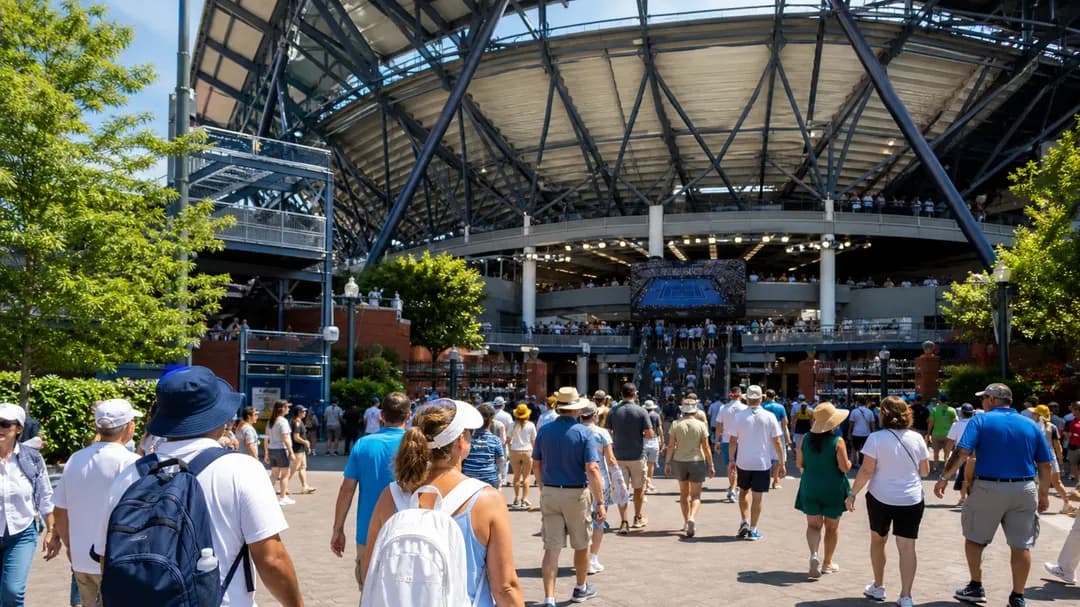
Before you commit, use the official US Open visitor pages to confirm current parking guidance and onsite transportation information. Do not rely on an old blog post, a forum memory, or last year’s screenshots. The official grounds map is also important because “parking” is not the same as “doorstep.” A space that works for one fan may be inconvenient for another if it adds a long walk, a crowded route, or extra time after a late finish.
- Check official visitor information on the morning of travel, especially if your session is later in the tournament.
- Compare your parking plan with the grounds map so you understand the route from arrival point to entry.
- Build in extra time for security, walking, weather, and crowd movement rather than timing your arrival to first ball.
- Have a non-driving backup, such as transit or rideshare, if official parking guidance changes.
If you do drive, avoid making the car your storage locker unless official rules clearly allow what you plan to bring inside later. Bag rules, prohibited items, camera policies, and other entry details must be checked against current US Open information. The practical point is simple: the farther your car is from the entry path, the less useful it becomes for quick adjustments.
Rideshare And Drop-Off Choices
Rideshare can be a strong compromise for visitors who do not want to navigate parking but also do not want to manage transit transfers. It is especially useful for groups, fans dressed for hospitality areas, or travelers returning to hotels after a night session. The trade-off is that pickup and drop-off patterns around major events are rarely effortless. Demand can spike, walking to an appropriate pickup location may be required, and prices or waiting times can change quickly.
Use the official visitor information and grounds map to understand current arrival guidance before choosing a curb. If a designated area or recommended route is listed, follow that rather than asking a driver to improvise near the venue. For drop-off, the best experience often comes from arriving earlier than the crowd and accepting a short walk. For pickup, consider whether walking away from the most congested area to a legal, easier meeting point will save time overall.
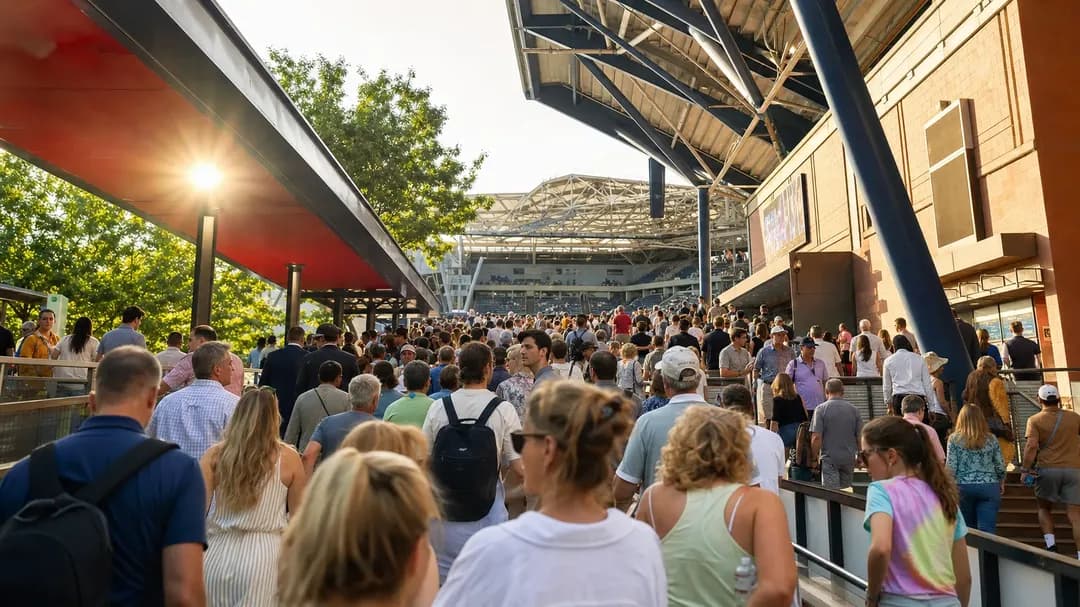
Taxis and car services face the same basic reality: they remove the parking search but not event traffic. If you are leaving after a marquee night match, assume many other people will open their phones at the same time. A patient plan may include using restrooms before exiting and waiting until the first wave of departures thins, if current grounds operations allow it. Confirm official details instead of assuming every amenity remains available after play.
Accessibility And Comfort Checks
Accessibility needs should drive the transportation decision more than habit. A plan that is fine for a solo fan in sneakers may be poor for an older visitor, a guest using a mobility aid, or a family managing heat, rain, and children. Start with official US Open accessibility and visitor information, then match it to your ticket location, entry route, expected arrival time, and tolerance for standing in lines. Do not assume a generic sports-venue solution applies without checking current tournament guidance.
Comfort also matters because a US Open visit is not just one match. Fans may spend hours moving between courts, food areas, merchandise locations, shade, restrooms, and reserved seats. The official grounds map is useful before travel because it helps you understand the scale of the site and identify the areas you expect to use. If your group includes different energy levels, agree on meeting points and decision times before separating.
- For heat or rain, choose transportation that minimizes unnecessary walking and waiting outside.
- For children, prioritize predictable exits and simple meeting points over the theoretically cheapest route.
- For older guests, compare total walking distance, not just travel time on a map.
- For late sessions, decide in advance how long you are willing to wait for a car or train.
Food, drink, camera, bag, and merchandise questions should be checked through official channels rather than guessed. Inventory, vendors, accepted items, and operating details can change. From a transportation standpoint, this matters because every additional item affects your mobility. Pack for compliance, comfort, and quick entry, not for every possible scenario.
Practical Notes
Make your decision in this order: session time, official visitor update, grounds map, weather, group needs, then transportation. If you are a first-time New York visitor staying near transit, start with the 7 train or LIRR comparison before pricing a car. If you are driving from outside the city, confirm current parking guidance before leaving, not when you reach Queens. Screenshot tickets, directions, and meeting points in case service is slow. Keep your bag simple, wear shoes suited for walking, and leave more time than a normal sporting event would require. The best US Open transportation plan is not the cleverest one; it is the one that still works after a long match, a crowded exit, and a tired group.
Tags: #USOpen2026 #Tennis #GrandSlam #NewYorkTennis #ArthurAsheStadium #FlushingMeadows #USOpenGuide #TennisFans #SportsTravel #HardCourt #NewYork #KarpoFinds
Sources consulted: usopen.org — Official reference · usopen.org — Official reference · usopen.org — Official reference
All trademarks are the property of their respective owners.
Ask Karpo first
Want to know what is confirmed, when to show up, and how to make us open parking guide better alternatives work for your day? Ask Karpo for current US Open updates, a respectful fan plan, and a live route around Flushing Meadows.
Ask Karpo for more information.
Keep reading
- Where to Eat Near Penn Station That Isn't a Chain
 Andytown Coffee in the Outer Sunset: The Snowy Plover Explained
- Best Things to Do in Chicago: What the City Gives Away