 Where to Eat Near Penn Station That Isn't a Chain
US Open 2026
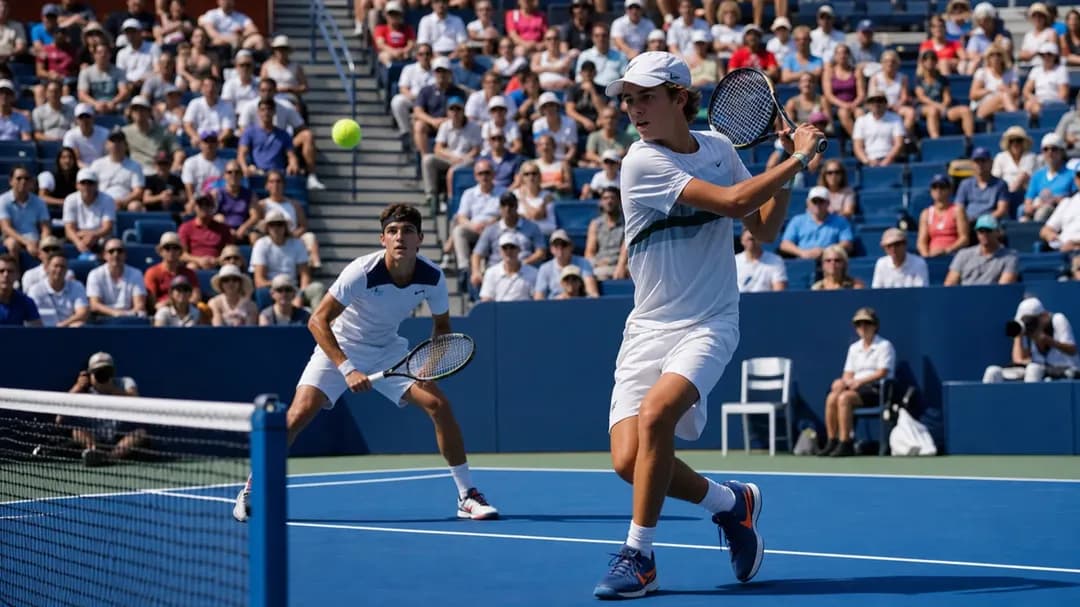
US Open Junior Championships: Future Stars Fans Should Watch
This guide explains how fans can enjoy the US Open Junior Championships through smart scheduling, tactical observation, and flexible court-hopping.
The US Open Junior Championships can be one of the most rewarding parts of a day on the grounds because they let fans watch tennis before the storylines are fully formed. Instead of arriving with fixed expectations about famous rivalries or established champions, you are looking for tools, choices, poise, and adaptability. That makes junior play especially appealing for visitors who want more than a checklist of headline matches. A junior match can fit naturally around a broader US Open visit, and it often offers a close view of how emerging players solve problems under pressure. Fans should treat entries, draws, seeds, court assignments, and match times as items to confirm through official US Open channels when they are released. What is already useful for planning is the broader viewing value: the US Open includes singles, doubles, and additional championship events, so a smart day can be built around variety rather than one specific match.
Text Karpo Now: Tell us what matters most for US Open Junior Championships Future Stars, and Karpo can turn current US Open updates into a practical plan before you go.
Why Juniors Reward Attention
Junior matches appeal because they show development in real time. A top professional often has a stable identity: serve patterns are known, rally tolerance has been tested, and preferred finishing plays are familiar. A junior may still be discovering what kind of player they are becoming. That uncertainty is not a drawback for spectators; it is the point. You can watch a player decide whether to defend deeper, step inside the baseline, attack a second serve, or accept a longer rally. The match becomes a conversation between ambition and control.
The atmosphere can also feel more immediate. On smaller courts, fans may hear the shoes, the breath, the score, and the quick reactions between points more clearly than they would in a packed stadium. That intimacy helps casual viewers understand momentum. A double fault at deuce, a bold return on break point, or a long hold from 0-40 can change a match emotionally as well as tactically. You do not need deep knowledge of junior rankings to enjoy that.
The right approach is to watch for ingredients rather than make predictions. Does a player defend with balance? Can they reset after a loose game? Do they use the short ball decisively? Are they comfortable moving forward? Those questions make the viewing experience active, even when you have no rooting interest.
What Changes Tactically
Junior tennis can look familiar, but the tactical balance often differs from the professional game. Power matters, yet shot selection and emotional control can swing quickly. A player with a bigger forehand may dominate for three games, then lose accuracy when asked to hit one more ball. A counterpuncher may appear passive until they begin drawing errors by changing height, speed, and direction. Because styles are still forming, matchups can turn sharply when one player finds a pattern the other has not solved.
Serve games are especially revealing. Some juniors win free points with pace, while others rely on placement, body serves, or a strong first shot after the serve. Second serves can become pressure points. If a returner steps in and takes time away, the server must decide whether to add spin, aim safer, or risk more pace. That decision can tell you a lot about confidence.
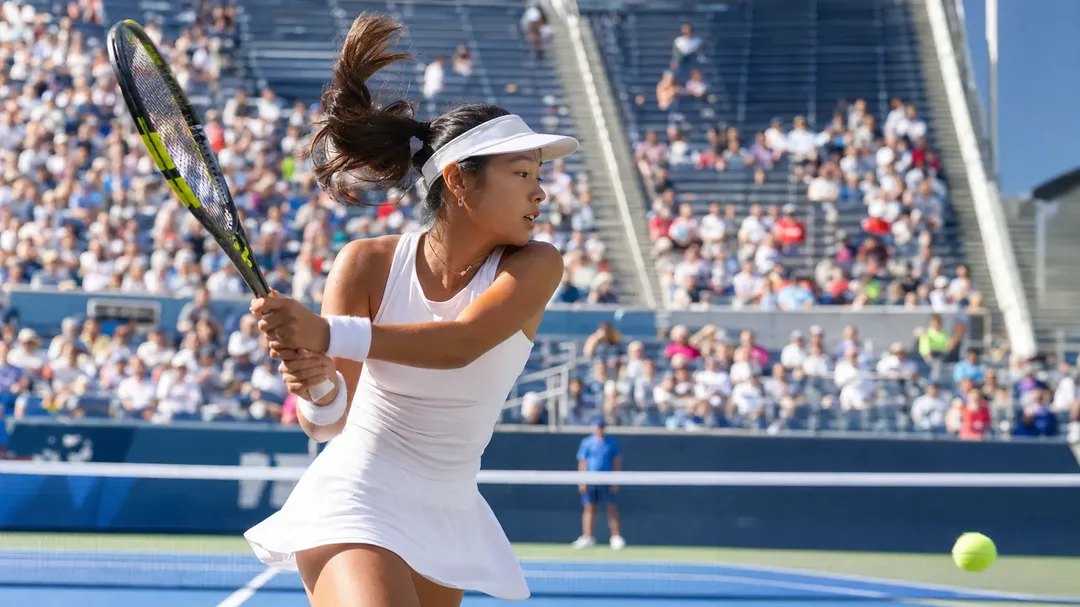
- Watch return position: moving forward usually signals pressure, while retreating can mean respect for pace or kick.
- Track first-shot choices: many points are shaped by the ball immediately after the serve or return.
- Notice net approaches: successful transitions show balance, timing, and courage, not just touch.
- Look for adjustment patterns: a smart player changes height, direction, or tempo before the score gets away.
Doubles adds a different kind of education. The US Open includes doubles alongside singles, and for fans, doubles is often the best classroom for positioning. You can follow poaching, serve targets, return formations, and communication between partners. The points are shorter, but the decisions come faster. Even if you mainly follow singles, a doubles match can sharpen your eye for court geometry.
How To Track Schedules
The most important planning principle is simple: use official US Open schedule, scores, and player pages as your live reference. Match schedules and court assignments are released closer to play, and they require day-by-day attention. A fan should avoid building a rigid plan around a specific junior match before the official order of play is available. Instead, decide what kind of experience you want, then match that plan to the confirmed schedule when it appears.
The official scores page is useful once play is underway because it helps you see what is active, what has finished, and what may be coming next. The event schedule page helps frame the broader day, while the players page is the place to check officially listed player information when available. Together, those tools reduce guesswork and help you avoid relying on old screenshots or unofficial posts that may not reflect the current order of play.
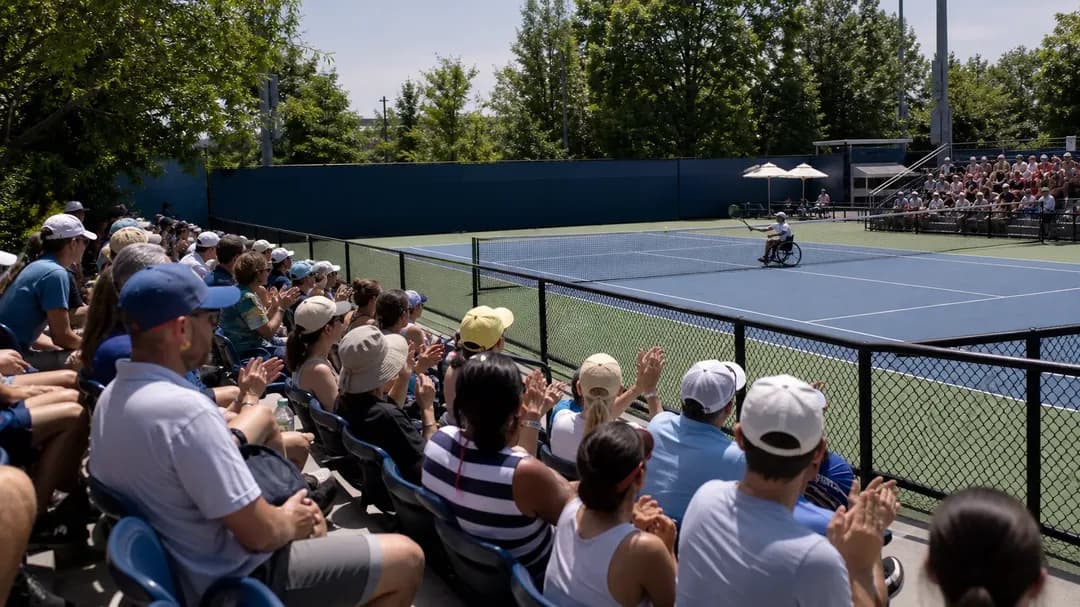
Because court assignments arrive closer to play, think in zones rather than absolutes. If several matches interest you, identify nearby courts and possible transitions. A junior singles match may fit between a doubles match and another championship event, or it may become the main event of your afternoon if the quality is high. The best US Open days often happen when fans adjust quickly instead of treating the schedule as a checklist.
Building A Flexible Day
A good junior-focused plan starts with curiosity, not prediction. Since confirmed draws and match times should be checked through official channels when released, build your day around categories: a baseline-heavy singles match, a contrast of styles, a doubles match, and perhaps an additional championship event if it fits your route. That approach keeps the day full even if one court runs long or a match ends quickly.
Court-hopping works best when you give each match enough time to reveal itself. Five minutes can show pace, but twenty minutes can show structure. Try watching through at least one full service cycle for both players or teams. You will see how a player starts points, what happens under return pressure, and whether early mistakes lead to better decisions. If the match is tense, stay. If the pattern is clear and another court offers a better contrast, move.
- Choose one must-check court after the official order of play is posted.
- Keep one alternate match nearby in case the first option is delayed or one-sided.
- Use doubles as a high-energy reset when you want faster points and clearer teamwork.
- Recheck official scores before walking across the grounds to avoid arriving after a finish.
For visitors, juniors can add value to a day that already includes sightseeing or a first-time trip to the US Open. You may not know every name, but you can still recognize quality. Clean footwork, brave returning, calm body language after errors, and smart shot tolerance are visible from any seat. That makes junior play accessible without homework.
Practical Notes
Before leaving for the grounds, check the official event schedule, then check the scores page again once you arrive. Use the player page for quick reference rather than relying on unofficial lists. Wear comfortable shoes because flexible viewing often means moving between courts, and plan for shade, water, meals, and phone battery. Do not assume a junior match will start at a preferred time until the official order of play confirms it. If you are traveling with casual fans, pick short viewing windows: one set of singles, a few return games, or one doubles stretch. That keeps the day relaxed while still giving everyone a meaningful look at future talent.
Tags: #USOpen2026 #Tennis #GrandSlam #NewYorkTennis #ArthurAsheStadium #FlushingMeadows #USOpenGuide #TennisFans #SportsTravel #HardCourt #NewYork #KarpoFinds
Sources consulted: usopen.org — Official reference · usopen.org — Official reference · usopen.org — Official reference
All trademarks are the property of their respective owners.
Ask Karpo first
Want to know what is confirmed, when to show up, and how to make us open junior championships future stars work for your day? Ask Karpo for current US Open updates, a respectful fan plan, and a live route around Flushing Meadows.
Ask Karpo for more information.
Keep reading
- Where to Eat Near Penn Station That Isn't a Chain
 Andytown Coffee in the Outer Sunset: The Snowy Plover Explained
- Best Things to Do in Chicago: What the City Gives Away