 Where to Eat Near Penn Station That Isn't a Chain
US Open 2026
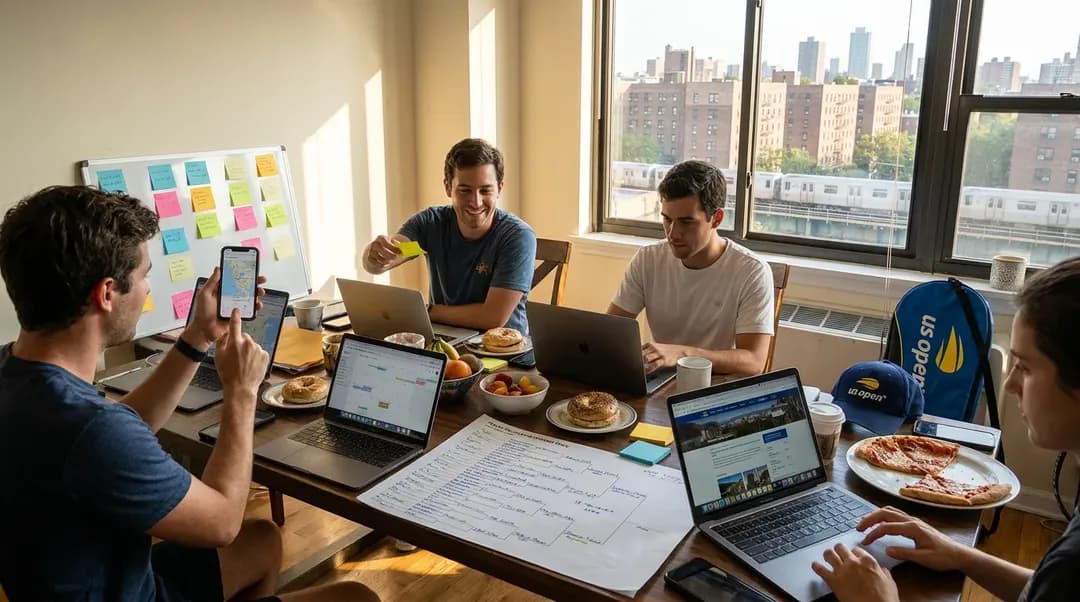
US Open Group Trip Planning Without Chaos
A calm US Open group plan starts before anyone reaches Queens, with shared choices on arrival time, spending, food needs, and phone communication.
The first real group decision is not which match to watch; it is whether everyone is trying to have the same kind of day. One friend may want to arrive early, settle in, and roam the grounds. Another may be joining after work, hoping for night-session energy without committing to hours of walking. Someone else may care less about court-hopping and more about staying comfortable, eating on time, and avoiding a confusing text chain. For “US Open Group Trip Planning Without Chaos,” the useful 2026 calendar anchor is August 23 through September 13, with singles main-draw play beginning August 30.
Text Karpo for a current, low-friction plan for us open group trip planning without chaos—including timing, route checks, and practical options that fit your day.
Choose One Shared Day Shape
Advice: start by naming the outing, not by debating every possible match. A full grounds day needs different pacing than a meet-for-the-evening plan. A tennis-first group may accept longer walks, tighter food breaks, and more time checking scoreboards. A social day with tennis may prefer fewer moves, more sitting breaks, and a slower meal plan. None of those approaches is wrong, but mixing them without saying so is how groups split up accidentally and then spend the afternoon renegotiating.
Create a simple arrival window with one firm meeting point and one backup plan. The firm point is where people go if everyone is on schedule. The backup plan is for friends delayed by transit, entry lines, weather, or a late start. Do not make the first meetup depend on spotting a specific person in a moving crowd. Use official venue maps and posted signs once current information is available, then describe the location in plain language that a tired person can follow.
- Decide whether the day prioritizes tennis volume, comfort, social time, or a mix.
- Set one main arrival window and one later regroup time for delayed friends.
- Agree whether splitting up for different courts is normal or a last resort.
- Choose a short phrase, such as “regroup mode,” that means everyone pauses improvising.
Build A Budget Envelope
Money tension rarely comes from one purchase; it comes from unstated expectations. Before the day, ask each person to choose a rough spending lane for the entire outing. That lane should include ticket cost already paid, transportation choices, food, drinks, merchandise, and any post-tennis plans. The point is not to police friends. It is to prevent one person from assuming a quick snack while another is steering the group toward a longer meal, extra shopping, and a late ride home.
Advice: separate shared costs from individual costs. If one person pays for a group ride, outside snacks, or another shared expense, decide how reimbursement will work before the day gets busy. For purchases at the venue, it is often simpler for each person to pay individually rather than rotate who buys. If the group includes visitors to New York, explain that the total day cost can rise because of distance, convenience choices, tired late-night transportation decisions, and changing conditions. Do not promise exact prices unless your group has confirmed them directly.
Give Food A Captain
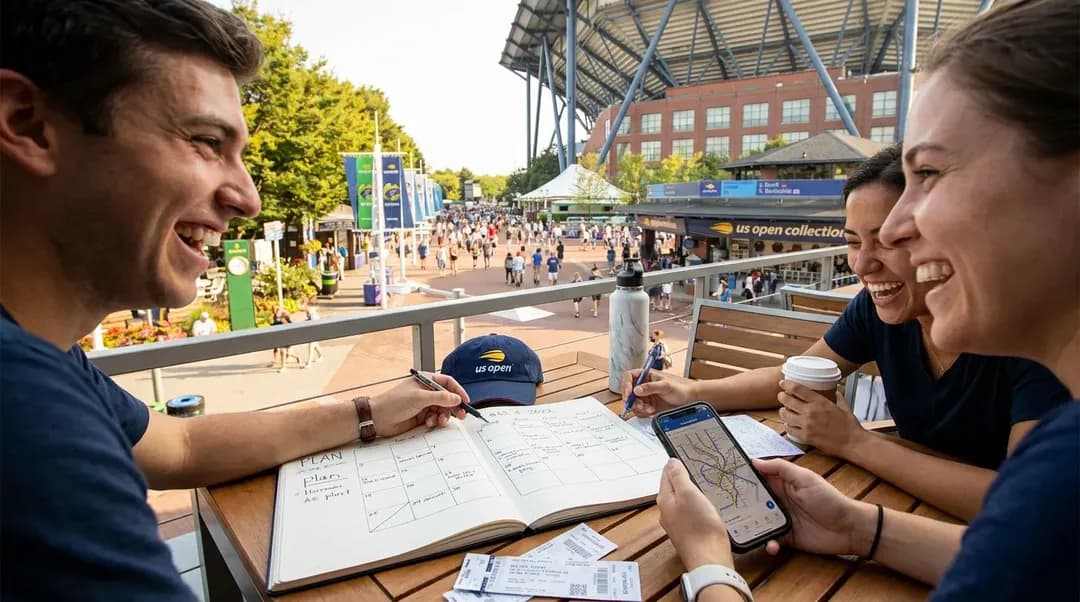
Food planning is where a crowded sports day becomes personal. People have allergies, religious or ethical preferences, caffeine habits, hydration needs, and very different definitions of “I can wait.” Instead of making everyone discuss food constantly, appoint one food captain before the trip. That person is not responsible for feeding the group. Their job is to collect constraints, remind friends to check current venue information, and propose meal timing that does not collide with the group’s highest-priority tennis windows.
Advice: plan around hunger before it becomes an emergency. A tennis day can involve long stretches of sitting, standing, walking, sun exposure, and close attention. If the group wants to watch a long match, do not assume everyone can comfortably skip a meal until it ends. Build in one flexible food window and one smaller break. For friends with specific dietary needs, the safest plan is to verify current venue options and personal carry-in rules before travel, then bring only what is allowed under current guidance.
- Collect allergies and strict dietary needs in one message before travel.
- Decide whether meals are group activities or optional individual breaks.
- Set a food window instead of waiting until everyone is already tired.
- Have each person identify one acceptable backup option if the first choice is unavailable.
Make Communication Boring
The best group chat on a tournament day is short and useful. Before arrival, create one thread for logistics only. Keep jokes, photos, and reactions in a separate chat if your group likes to talk. In the logistics thread, use direct updates: location, time, need, next move. “At the south side of the plaza, moving in five minutes” is better than “Where is everyone?” A crowded venue punishes vague messages because people are walking, carrying drinks, reading signs, and trying not to block traffic.
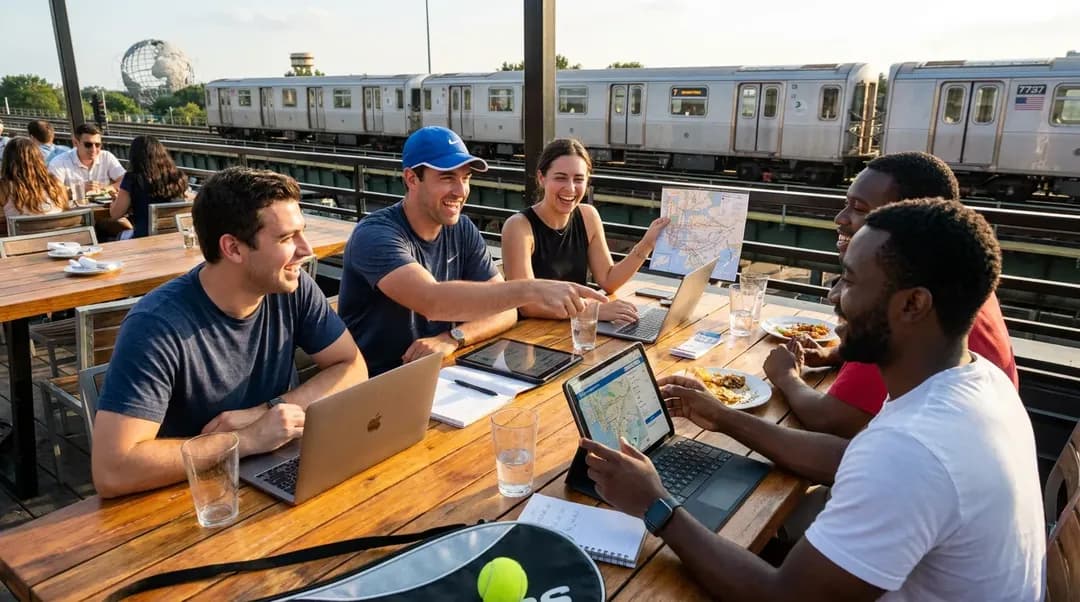
Advice: assign two roles that can rotate. One person is the timekeeper, watching the next planned regroup and nudging the chat before the group drifts. Another is the navigator, responsible for reading current maps and guiding movement when people are together. This avoids five people half-leading at once. Also choose a low-battery rule. For example, anyone under 20 percent battery stops sending nonessential messages and shares location only if comfortable. Portable chargers help, but they are not a substitute for a clear plan.
Practical Notes
Before travel, verify the official US Open event schedule, A-Z visitor information, and security page, because schedules, gate times, player fields, local business hours, transit conditions, inventory, and venue rules can change. Before acting on “US Open Group Trip Planning Without Chaos,” recheck the official security page; its current limit is one searchable bag per guest, no larger than 12 by 12 by 16 inches. Advice: make one person responsible for a final information sweep the night before and the morning of the outing. Save mobile tickets, confirm the meeting point, charge phones, pack only essentials, and fit dietary or medical must-haves into the allowed bag plan. If your group is using transit or rideshare, set a fallback route and a latest-leave time so one delay does not unravel the day.
Tags: #USOpen2026 #Tennis #NewYork #Queens #FlushingMeadows #USOpenGuide #TennisFans #SportsTravel #NYCEvents #HardCourt #KarpoFinds #Karpo
Sources consulted: usopen.org — Official reference · usopen.org — Official reference · usopen.org — Official reference
All trademarks are the property of their respective owners.
Ask Karpo first
Want to know what is confirmed, when to show up, and what is actually open to the public? Ask Karpo for the latest US Open updates and a practical New York plan for us open group trip planning without chaos.
Ask Karpo for more information.
Keep reading
- Where to Eat Near Penn Station That Isn't a Chain
 Andytown Coffee in the Outer Sunset: The Snowy Plover Explained
- Best Things to Do in Chicago: What the City Gives Away