 Where to Eat Near Penn Station That Isn't a Chain
US Open 2026
US Open Fan Safety Basics for Crowded Nights
A crowded US Open night session is easier to enjoy when meeting points, phone power, weather choices, and late transit plans are settled before arrival.
A late US Open session can feel exciting, noisy, and compressed, especially when thousands of fans are leaving seats, checking phones, buying food, and heading toward exits at the same time. The safest plan is not complicated, but it should be made before the night gets loud. Decide where your group will meet if separated, how you will preserve phone battery, what you will carry if the weather changes, and how you expect to get home after a long match. Small choices made early can prevent the most common late-session problems: missed texts, wrong turns, tired decision-making, and people drifting in opposite directions just as the grounds are busiest.
Text Karpo for a current, low-friction plan for us open fan safety basics for crowded nights—including timing, route checks, and practical options that fit your day.
Choose Meeting Points Early
A useful meeting point is specific enough that every person can find it without a long explanation. “Near the stadium” or “by the food” may not help when fans are moving from several directions and phone service feels slow. Pick one landmark inside the grounds for mid-session separation and another regrouping spot outside the thickest exit flow for the end of the night. If your group includes children, older relatives, or first-time visitors, say the plan out loud after entering so nobody is relying on a half-remembered text.
Advice: make the separation plan simple. If someone loses the group, they should stop, move to a safe edge of the flow, and contact the others rather than continuing to wander. Agree how long to wait before switching to the backup spot. A clear “go there next” plan is better than several people walking in different directions while sending partial updates from a noisy concourse.
- Use a landmark name rather than a vague area.
- Take a quick photo of your seating section or a nearby sign.
- For children, place written contact information in a pocket or bag.
- Step aside before calling, texting, or studying a map.
Keep Phones Useful
At a night session, a phone may hold tickets, maps, transit directions, hotel details, group messages, photos, and emergency contacts. That is too much responsibility for a weak battery. Charge fully before leaving, and bring a small power bank if you normally depend on your phone for directions or tickets. Save what you can before arrival, including return directions and meeting-point notes. Long video clips, constant photo taking, bright screens, and repeated app refreshes can drain power quickly, so treat battery life as part of your safety plan.
Do not let one person become the only keeper of every important detail. Share the return address, meeting points, and general exit plan before play begins. Save key numbers in favorites. If secure access to ticket information allows it, keep the details available in the official method and make sure more than one person understands how the group will enter and leave. For teenagers splitting off for food or photos, agree on short check-in messages such as “back at seats” or “at meeting point A.”
Advice: use low-power mode before the battery is already low, not after the phone is nearly dead. Lower screen brightness, close unnecessary apps, and avoid relying on streaming video while you still need navigation or messaging. If your group uses different phone types, confirm that charging cables and power banks actually match. A charger left in a hotel room or a cable that fits only one person’s device can turn a minor inconvenience into a late-night coordination problem.
Move Through Night Crowds
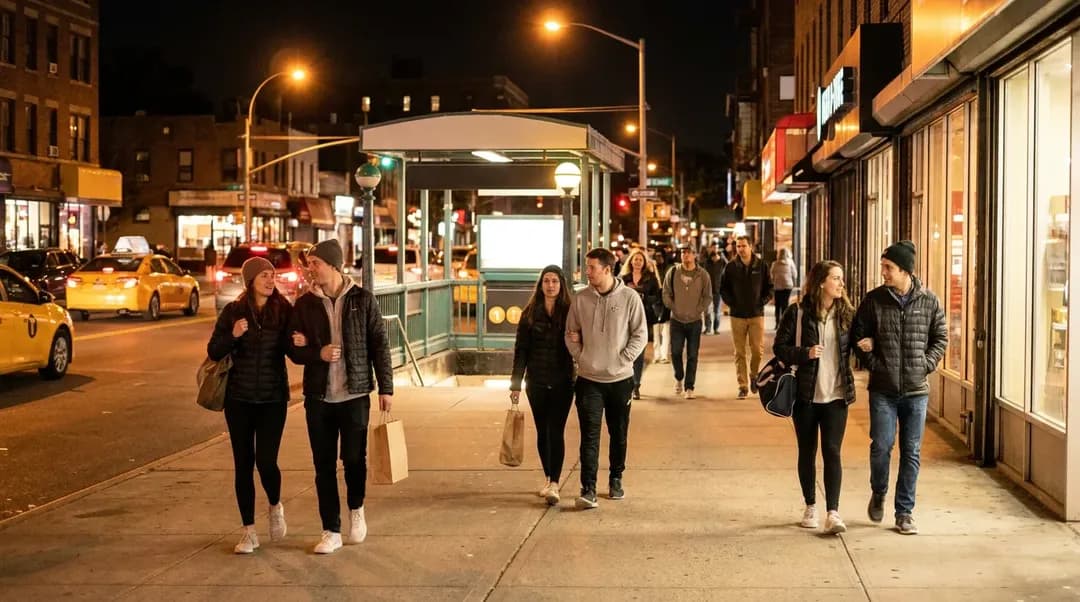
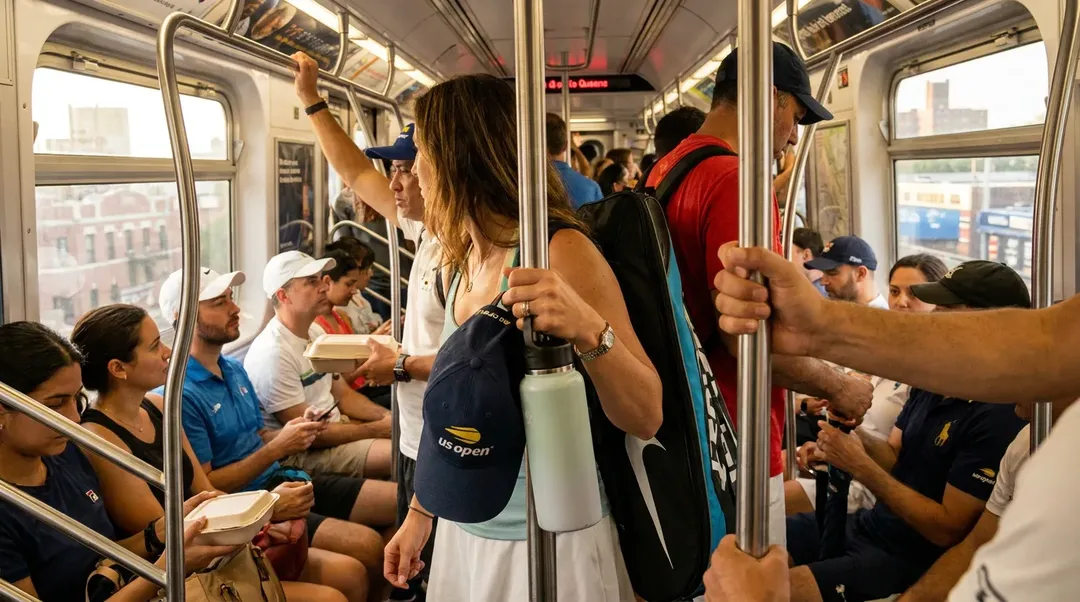
Crowds feel different after dark because many people make decisions at once. Some leave early, some stay for every point, and others stop near exits to check rides, trains, messages, or highlights. Avoid stopping suddenly in a tight pathway. If you need to use your phone, adjust a bag, or wait for someone, move to the side first. Keep your group close without pushing against the flow, and avoid cutting across lines of movement unless there is clear space to do so.
Belongings also need a night-session plan. Carry only what you expect to use, keep valuables zipped or in front of you in dense areas, and do not leave bags unattended when stepping away. For “US Open Fan Safety Basics for Crowded Nights,” the useful 2026 calendar anchor is August 23 through September 13, with singles main-draw play beginning August 30. Tired fans misplace phones, miss signs, and make poorer route choices, so eat, drink water, and pause before fatigue becomes the problem.
If your group is moving between courts, food areas, restrooms, and seats, choose a pace that keeps everyone together. The fastest walker should not become the navigator by default. In a crowded evening setting, a few seconds spent confirming that the whole group is behind you is safer than rushing ahead and trying to reconnect by phone. For solo fans, the same idea applies: pause at the side, check the next step, then move with purpose instead of drifting while looking down.
Plan Weather And Transit
Weather planning for a night session is not only about rain. It includes heat earlier in the day, cooler air after sunset, slick steps or pavement, and the patience required if the evening pace changes. Advice: wear shoes that can handle standing, stairs, and wet surfaces, and choose layers you can carry without overpacking. If the forecast looks unsettled, decide in advance how long your group is comfortable waiting and where you might regroup if people need a break from the crowd.
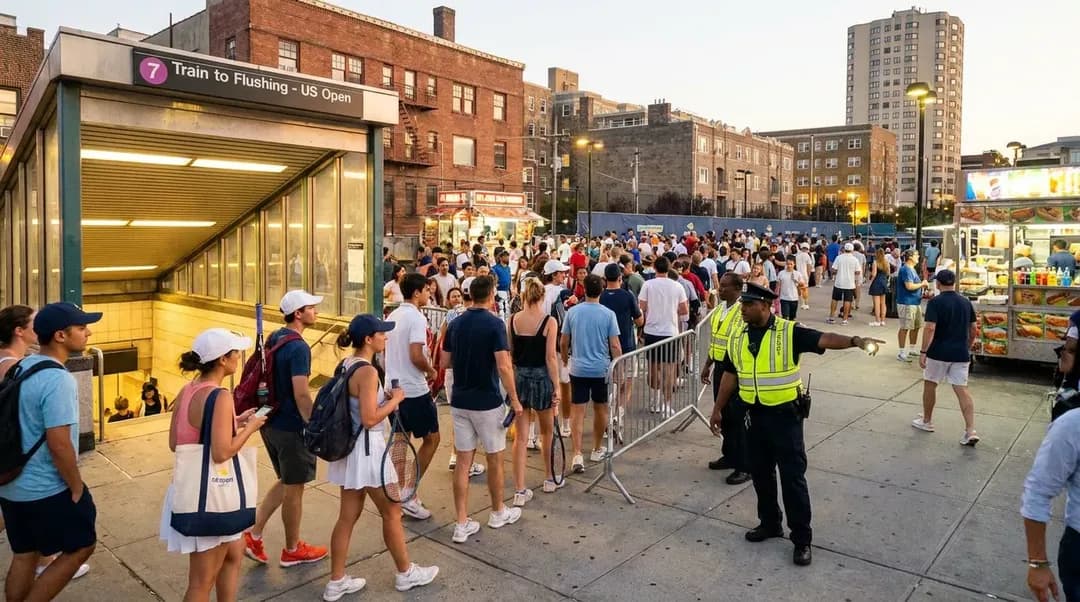
Late transit deserves attention before the first match you plan to watch. Know the stop or station you expect to use, save the address where you are returning, and keep a backup route that does not depend on one app loading instantly. The hardest part may be leaving after a long session, when energy is low and many fans are trying to move in the same direction. Avoid making major route decisions while standing in the middle of that flow.
- Set a latest comfortable departure time, even if you later adjust it.
- If using rideshare or car service, choose a pickup plan away from the densest exit movement when possible.
- Solo fans should keep someone informed of their rough return plan.
- Avoid full-volume headphones while leaving crowded areas at night.
Practical Notes
Before travel, verify current official US Open information on prohibited items, the A-to-Z guide, and the event schedule, because schedules, gate times, venue rules, transit conditions, local hours, and availability can change. Before acting on “US Open Fan Safety Basics for Crowded Nights,” recheck the official security page; its current limit is one searchable bag per guest, no larger than 12 by 12 by 16 inches.
Advice: pack lighter than the limit, keep phone power in reserve, set one inside-the-grounds meeting point and one post-exit regrouping point, and confirm the trip home before the final stretch of the session. A crowded night is easier to manage when every person knows the next move, the backup location, and the return plan before tiredness and exit traffic start shaping decisions.
Tags: #USOpen2026 #Tennis #NewYork #Queens #FlushingMeadows #USOpenGuide #TennisFans #SportsTravel #NYCEvents #HardCourt #KarpoFinds #Karpo
Sources consulted: usopen.org — Official reference · usopen.org — Official reference · usopen.org — Official reference
All trademarks are the property of their respective owners.
Ask Karpo first
Want to know what is confirmed, when to show up, and what is actually open to the public? Ask Karpo for the latest US Open updates and a practical New York plan for us open fan safety basics for crowded nights.
Ask Karpo for more information.
Keep reading
- Where to Eat Near Penn Station That Isn't a Chain
 Andytown Coffee in the Outer Sunset: The Snowy Plover Explained
- Best Things to Do in Chicago: What the City Gives Away