 Where to Eat Near Penn Station That Isn't a Chain
US Open 2026
US Open Doubles Guide: Why These Matches Deliver More Action
Doubles can turn a US Open day into a faster, closer, and more tactical tennis experience when fans know how schedules, courts, and matchups work.
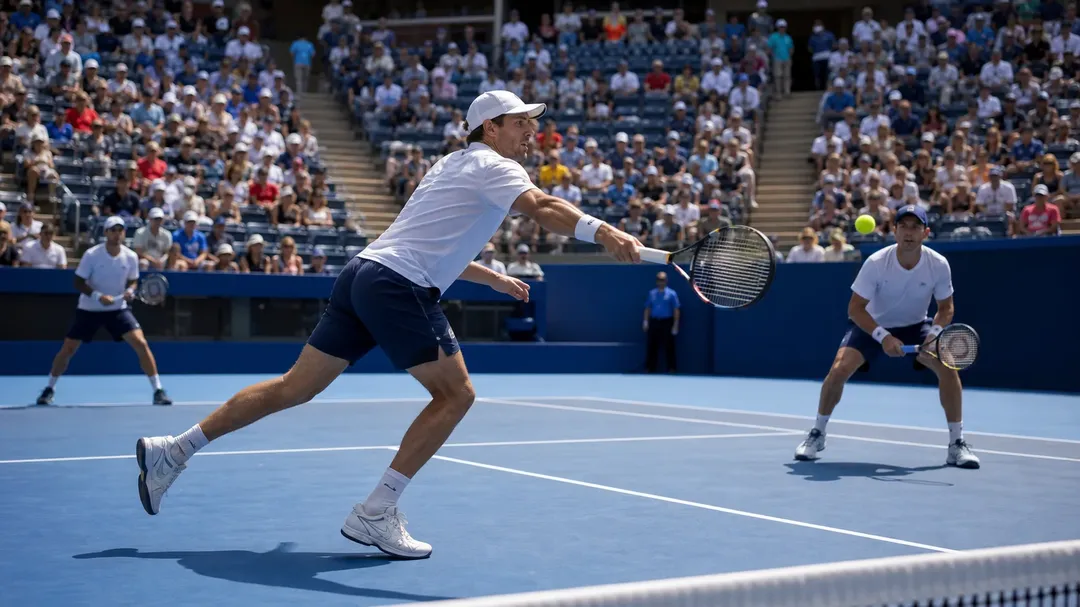
Doubles is one of the easiest ways to make a US Open visit feel fuller, faster, and more varied. The tournament includes doubles and additional championship events alongside singles, so fans are not limited to the headline matches that usually dominate attention. For visitors in New York, doubles can be especially rewarding because it creates a different kind of tennis day: shorter reaction times, more net play, more communication between partners, and a viewing rhythm that keeps points moving. The confirmed planning rule is simple: doubles is part of the US Open program, while match schedules and court assignments are released closer to play through official tournament channels. Everything else, including teams, entries, seeds, draws, court placement, and specific start times, should be treated as unconfirmed until the US Open publishes it.
Text Karpo Now: Tell us what matters most for US Open Doubles Guide Why These, and Karpo can turn current US Open updates into a practical plan before you go.
Why Doubles Feels Different
Singles often builds around space. One player tries to open the court, stretch an opponent, and finish into the gap. Doubles compresses the court in a way that changes the sport’s tempo. With four players covering the same rectangle, openings appear and disappear quickly. The server is not just starting the point; the server’s partner may be preparing to poach across the middle, fake a move, or hold position to protect the alley. Returners are not simply trying to put the ball back; they may choose between a low crosscourt return, a lob over the net player, or a quick drive at the feet.
That makes doubles accessible for casual fans because many tactical choices are visible. You can see a team whisper between points, adjust where the net player stands, or signal a planned move before a serve. Momentum can change quickly when one team starts reading the other’s patterns. A pair that looked comfortable may suddenly face pressure if returners begin dipping balls low, forcing awkward volleys instead of clean put-aways. The sport becomes less about long baseline exchanges and more about anticipation, hand skills, and trust.
Tactics Worth Watching
A useful way to watch doubles is to stop following only the ball. Instead, notice the player who does not hit the shot. That player often shapes the point. At net, a partner can make the court look smaller by leaning toward the middle, threatening a poach, or forcing the returner to aim closer to the lines. From the baseline, a partner can cover a lob, reset the point, or change formation after the serve. Some of the best doubles points come from one player creating pressure without touching the ball.
- Watch the net player’s first step after the serve; it often shows whether the team is attacking or protecting.
- Notice return direction: low crosscourt balls can neutralize a poaching opponent, while lobs can move both opponents backward.
- Follow formation changes, including both players staying back, both moving forward, or one player guarding the net.
- Listen for communication cues between partners, especially after missed returns, missed volleys, or service breaks.
The serve also plays differently in doubles. Power can help, but placement and the partner’s movement are just as important. A serve out wide may pull the returner beyond the doubles alley, opening space for the net player. A body serve may jam the returner and produce a floating reply. A serve down the middle can reduce angles and give the serving team a cleaner first volley. Because the server’s partner is close to the action, even a modestly paced serve can become dangerous when the next move is well timed.
Fan Value In New York
For US Open visitors, doubles can improve the practical value of a day on the grounds. Singles matches can be thrilling but unpredictable in length, and fans may spend time moving between courts, waiting for changeovers, or deciding whether a match is worth leaving. Doubles offers another option. If a singles match turns one-sided, if a preferred court is crowded, or if you want a change of pace, a doubles match can deliver immediate action and a strong atmosphere without requiring deep background knowledge.
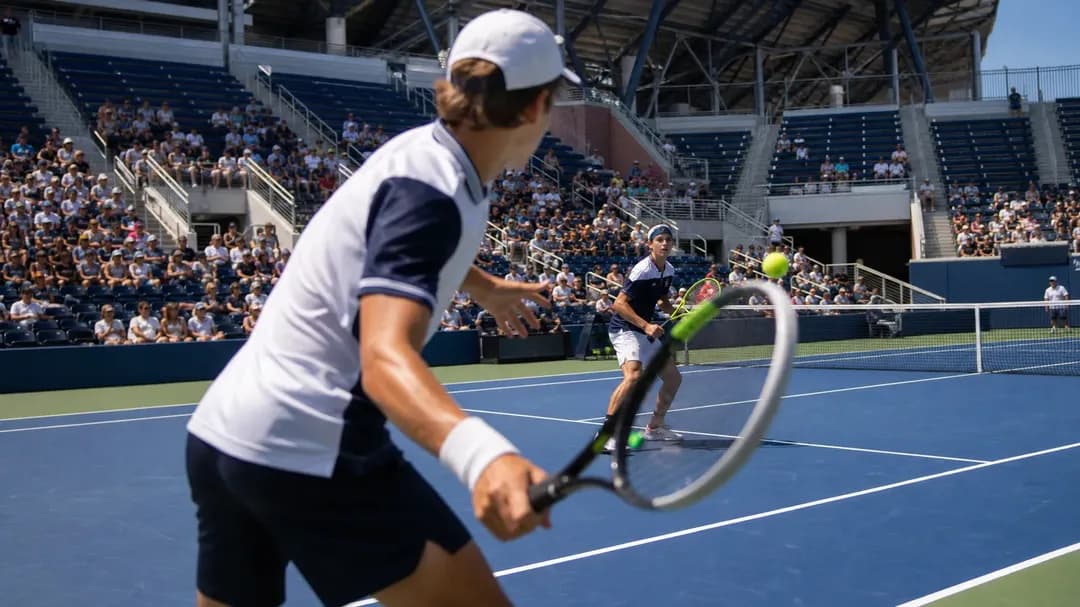
Doubles also rewards closer seating when available. From a lower angle, volleys look faster, body positioning becomes clearer, and the decision-making feels almost conversational. You can watch players solve problems in real time: who takes the overhead, who covers the middle, and who calls for a switch when a lob goes up. Even if you do not know the teams in advance, the structure of the points gives you something to follow within minutes. That makes doubles a smart choice for mixed groups, including visitors who enjoy sport but do not track the tour week by week.
The crowd experience can feel different, too. Doubles often has a more intimate rhythm because fans are close enough to notice personality, frustration, encouragement, and quick tactical debates. Partners celebrate differently than singles players because every point belongs to both of them. A strong volley may be set up by a clever serve, and a spectacular save may come from covering a partner’s risk. That shared responsibility creates a simple story: two people trying to move as one under pressure.
How To Track Schedules
The most important planning rule is to rely on official US Open schedule pages rather than assumptions. Court assignments and match timing are released closer to play, and they can depend on the overall order of play, weather, match length, and tournament operations. The official scores and schedule pages are the places to check when deciding where to go next. The official player pages can help you identify participants once event information is available through tournament channels.
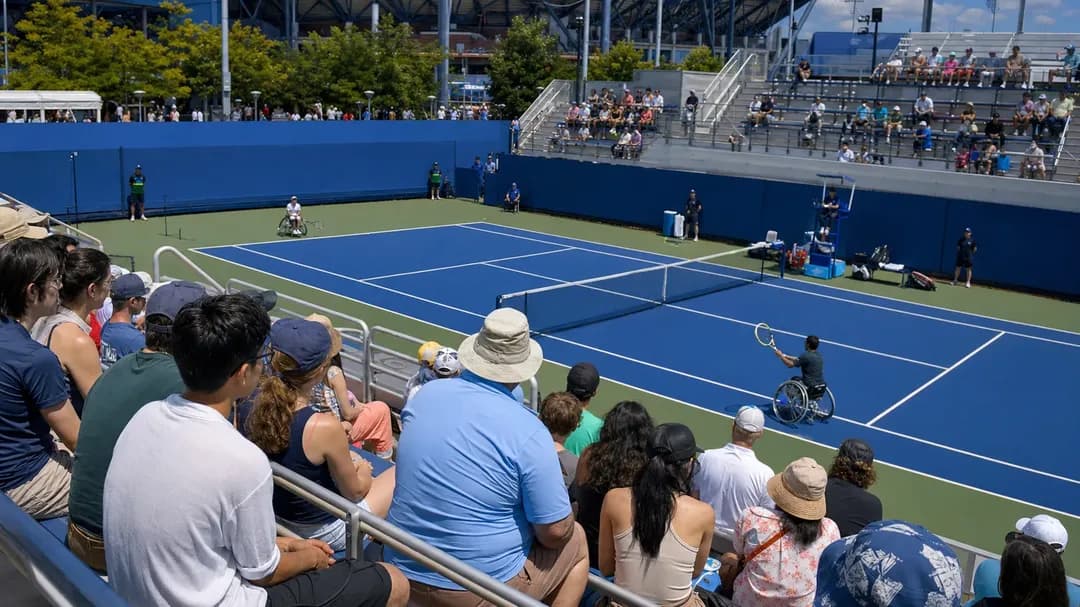
Because confirmed schedule information arrives near the relevant play dates, flexibility is part of the doubles experience. A smart plan is to choose a few priority windows rather than build an entire day around a specific unconfirmed doubles matchup. If a doubles match appears on a court you can access, consider arriving before the previous match ends so you can settle in at the changeover. If the court is busy, have a second option nearby. The best US Open days often combine one planned highlight with several responsive choices based on the live order of play.
- Check the official event schedule before leaving for the grounds and again after arriving.
- Use the official scores page to see which courts are active and which matches are approaching.
- Confirm player information through official player pages rather than relying on unofficial lists.
- Keep backup courts in mind because assignments and match flow can affect your route.
It also helps to think in terms of court clusters. Moving across a large tennis venue takes time, especially during busy periods. If two appealing matches are listed in different areas, the closer one may be the better live choice. Doubles points are quick, and a match can swing while you are walking. Staying nearby lets you catch more tennis and less foot traffic.
Practical Notes
Build your day with room to adapt. Start by checking the official US Open event schedule, scores page, and player pages, then note any doubles matches that fit your ticket access and location. Bring sun protection, water planning, and a portable charger so you can keep refreshing official information during the day. If you are attending with friends, choose a meeting point before splitting up, because court changes and match endings can happen quickly. Arrive a little early for a doubles match if seating perspective matters to you; watching from near the baseline highlights formations, while a side view helps you read net movement. Most importantly, treat doubles as more than a backup. It is a compact, tactical, high-reaction version of championship tennis.
Tags: #USOpen2026 #Tennis #GrandSlam #NewYorkTennis #ArthurAsheStadium #FlushingMeadows #USOpenGuide #TennisFans #SportsTravel #HardCourt #NewYork #KarpoFinds
Sources consulted: usopen.org — Official reference · usopen.org — Official reference · usopen.org — Official reference
All trademarks are the property of their respective owners.
Ask Karpo first
Want to know what is confirmed, when to show up, and how to make us open doubles guide why these work for your day? Ask Karpo for current US Open updates, a respectful fan plan, and a live route around Flushing Meadows.
Ask Karpo for more information.
Keep reading
- Where to Eat Near Penn Station That Isn't a Chain
 Andytown Coffee in the Outer Sunset: The Snowy Plover Explained
- Best Things to Do in Chicago: What the City Gives Away