 Where to Eat Near Penn Station That Isn't a Chain
US Open 2026
US Open 2026 Ticket Prices: When Should Fans Buy?
A practical US Open 2026 ticket strategy can help fans weigh certainty, flexibility, access type, seat location, and changing market conditions.
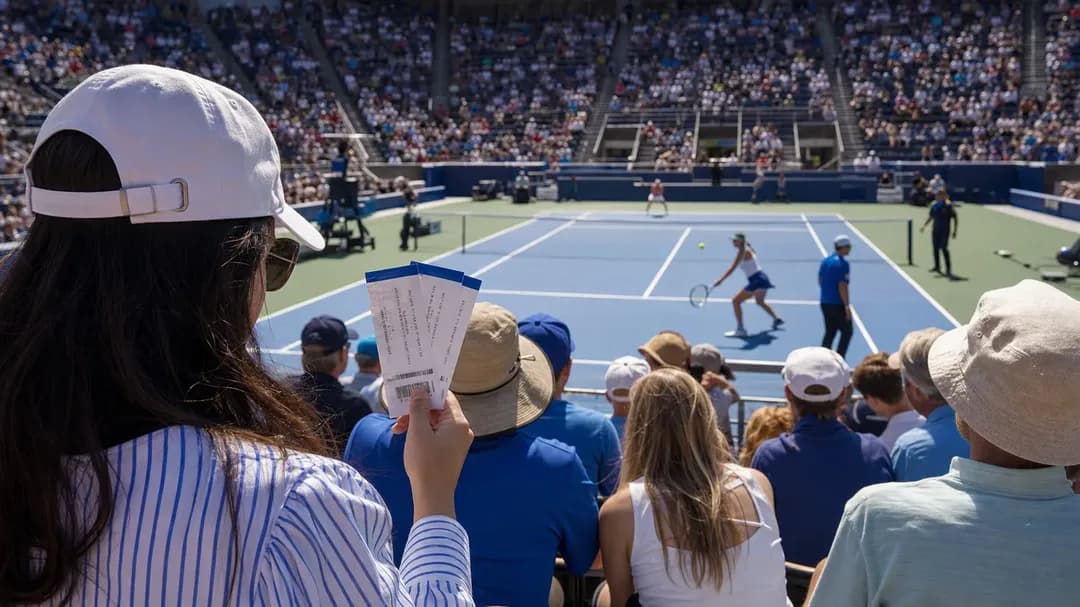
US Open ticket buying is less about finding one magic purchase date and more about matching your trip style to the right kind of risk. The official US Open ticket pages direct fans to live single-session inventory and ticket plans, but prices and availability can change by session, seat location, demand, and resale supply. That means a visitor planning flights and hotels faces a different decision than a local fan who can watch listings and stay flexible. The 2026 main draw runs from August 30 through September 13, so the practical question is not “When are tickets cheapest?” It is “When does the tradeoff between certainty, selection, access, and flexibility make sense for me?” A good buying plan starts with what you need from the day: an assigned Arthur Ashe Stadium seat, broad grounds access, a specific session, multiple seats together, or simply a chance to experience the tournament within a budget.
Text Karpo Now: Share your dates, budget, and must-see sessions, and Karpo can help compare live ticket options before you commit.
What Is Confirmed Now
The confirmed baseline is simple. Fans can use the official US Open ticket pages to review live single-session inventory and ticket plans, while the event schedule confirms the 2026 main draw dates. Beyond that, ticket value depends on the exact product in front of you. A day session is not automatically comparable to a night session, an early-round ticket is not the same experience as a late-round ticket, and one seat location can carry a very different value from another seat in the same stadium.
Access type is especially important. An Arthur Ashe Stadium ticket includes an assigned Ashe seat plus access to other courts. That can be valuable during parts of the tournament when matches are spread across the grounds and fans want both a reserved stadium base and the option to explore. Grounds admission does not include an Ashe seat. If your goal is to sit inside Ashe for a featured stadium experience, grounds admission is not a substitute. If your priority is wandering, sampling multiple courts, and enjoying the atmosphere, grounds access may fit better.
Buying Early Certainty
Buying earlier is mainly a certainty strategy. It can help travelers lock in a session before arranging the rest of a New York trip, choose from currently available seat locations, and avoid checking the market repeatedly. That does not mean early buyers are guaranteed the lowest price. It means they are choosing confidence: knowing the date, access type, and seat category they have secured. For fans coming from out of town, that certainty can be worth more than a possible later chance at a different listing.
Early buying can be especially rational when your schedule is fixed. If you can attend only one date because of work, school, flights, or hotel reservations, waiting may add stress even if some inventory remains. The same applies when you need several seats together. Groups often care less about squeezing every possible dollar from the market and more about sitting together without complicated coordination. In those cases, the best time to buy may be when you find an acceptable combination of session, seat location, access, and total cost.
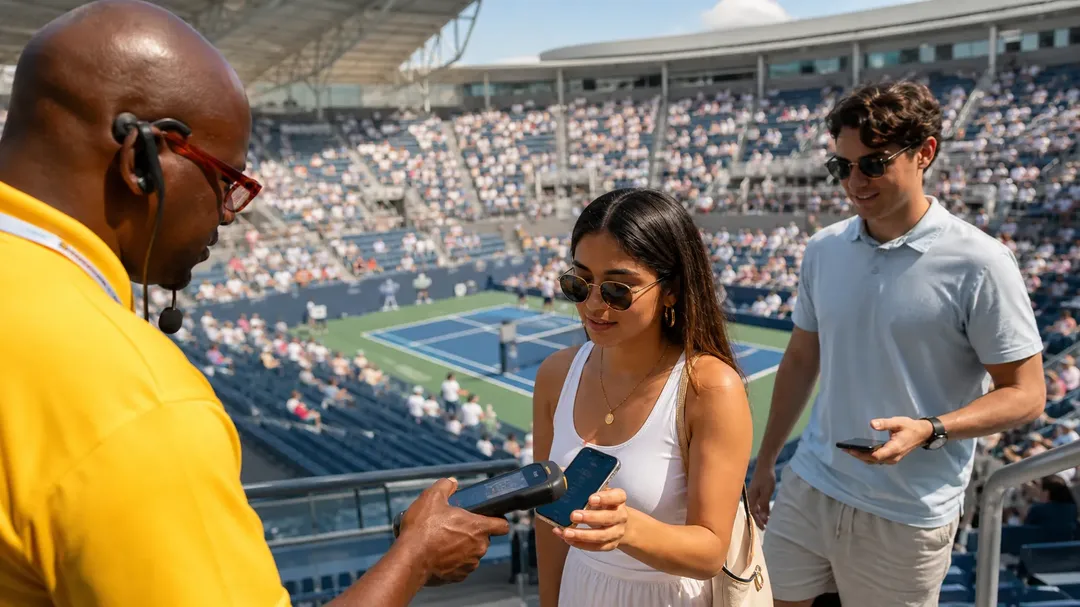
- Buy earlier when your date is fixed and missing the session would damage the trip.
- Buy earlier when you need multiple seats together or a specific stadium experience.
- Wait longer only if you can tolerate changing sessions, sections, or plans.
- Compare the total checkout cost, not just the first price displayed.
Watching Live Inventory
Live primary inventory is useful because it shows what is currently available through official channels, but it is still dynamic. A fan checking now may see a different mix than someone checking later, because seats can be purchased, released, or otherwise become unavailable. Treat official inventory as a real-time snapshot, not a promise about what will remain. If you see a seat that fits your budget and viewing preference, compare it with your realistic alternatives rather than with an imagined perfect price.
Seat location is one of the biggest levers. A fan who simply wants to be inside Ashe may have more options than someone who wants a specific perspective, lower level, aisle seat, or other preferred location. Before shopping, decide your hierarchy. Is the stadium more important than proximity? Is the date more important than the seat? Are you willing to sit higher if it protects your budget? These questions prevent the common mistake of treating all tickets in one session as interchangeable.
Session demand can vary for reasons that do not require predicting the draw. Later rounds generally mean fewer matches and higher stakes, while earlier rounds can offer more tennis across the grounds. Weekend sessions may fit more travel schedules than weekdays. Night sessions can appeal to fans who want a New York evening event, while day sessions can suit fans who want a longer on-site experience. None of those patterns guarantees a price, but they help explain why sessions do not move in lockstep.
Reading Resale And Demand
Verified resale can be useful for flexible fans, but it should be read carefully. Resale supply comes from other ticket holders, so it can expand or tighten depending on what sellers decide to do. Some sellers may lower expectations if they want to move a ticket; others may hold firm for a desirable session or seat. Market conditions can also react to fan interest, travel patterns, and the appeal of a particular time slot. The key is to think in ranges and choices, not certainties.
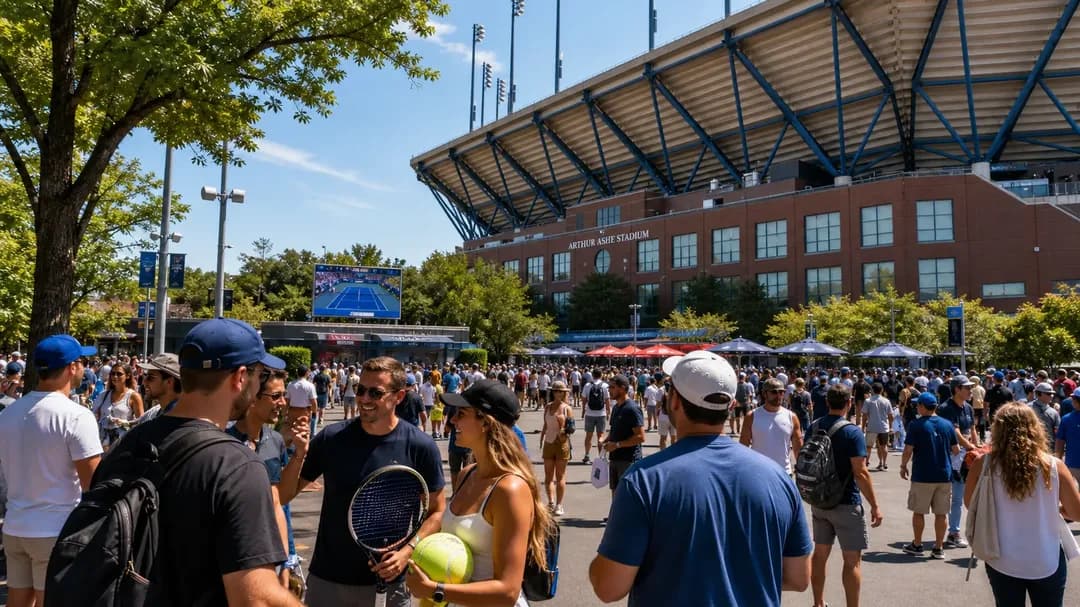
Flexible local fans often have the most room to use resale intelligently. If you can attend several possible sessions, sit in different areas, or decide closer to the event, you can compare more listings. A visitor with only one open night has less leverage because the acceptable target is narrower. That does not make resale good or bad; it means your own flexibility determines how much value you can extract from it. A listing is only a bargain if it matches the experience you actually want.
- Separate must-haves from nice-to-haves before comparing listings.
- Check whether the ticket includes an assigned Ashe seat or only grounds access.
- Use flexible dates to compare sessions instead of chasing one perfect listing.
- Remember that resale supply can change without warning.
A practical framework is to set three numbers for yourself: a comfortable price, a stretch price, and a walk-away price. The comfortable price is where you buy quickly if the session and seat work. The stretch price is for a special experience, such as a better location or a session that fits perfectly into your trip. The walk-away price protects you from making an emotional decision after staring at listings for too long. This method works because it accepts that no one can promise the exact low point of a changing market.
Practical Notes
Start with your ideal US Open day, then shop backward. Decide whether you need an Arthur Ashe Stadium seat or whether grounds admission fits your style. Pick two or three acceptable sessions if your schedule allows, especially during a New York trip with other plans competing for time. Check official live inventory and ticket plans first so you understand the current baseline, then compare verified resale only if you are comfortable with a changing market. For groups, prioritize sitting together before chasing marginal savings. For solo fans or pairs, flexibility can matter more than timing. Do not wait for a guaranteed cheapest day; buy when the session, access type, seat location, and total cost make sense for your trip.
Tags: #USOpen2026 #USOpenTickets #TennisTickets #ArthurAsheStadium #FlushingMeadows #NewYorkTennis #TennisFans #SportsTravel #NewYorkEvents #USOpenGuide #TicketTips #KarpoFinds
Sources consulted: usopen.org — Official reference · usopen.org — Official reference · usopen.org — Official reference
All trademarks are the property of their respective owners.
Ask Karpo first
Want to know when to buy, which session fits your budget, and what is actually available now? Ask Karpo for current US Open ticket options, a flexible fan plan, and the easiest route to Flushing before you check out.
Ask Karpo for more information.
Keep reading
- Where to Eat Near Penn Station That Isn't a Chain
 Andytown Coffee in the Outer Sunset: The Snowy Plover Explained
- Best Things to Do in Chicago: What the City Gives Away