 Where to Eat Near Penn Station That Isn't a Chain
US Open 2026
US Open 2026 Schedule: Key Dates Every Tennis Fan Needs
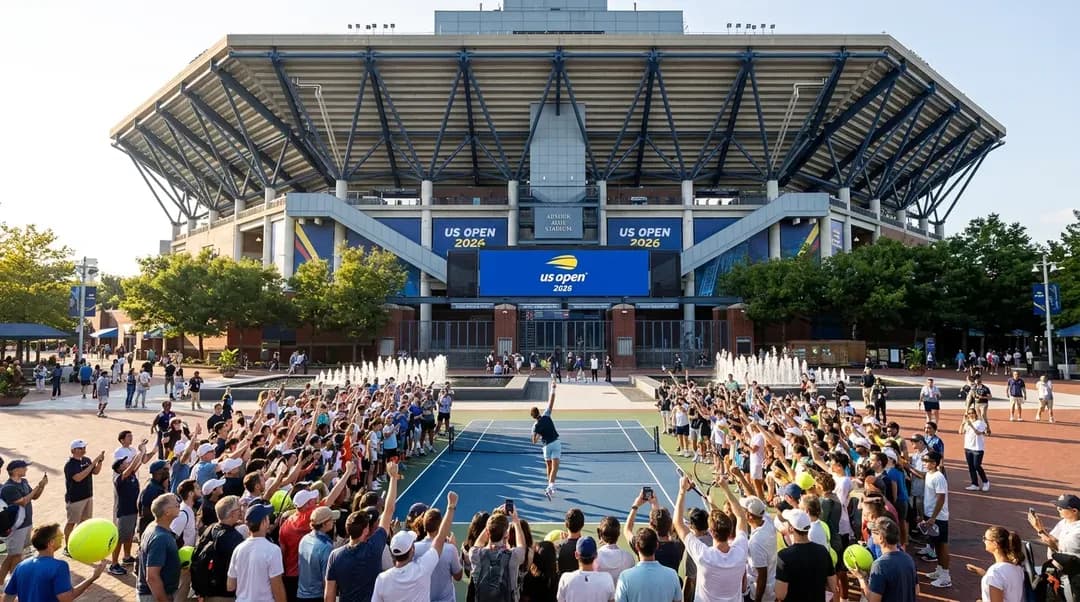
From Fan Week through the finals, here's your complete day-by-day breakdown of the 2026 US Open tournament schedule at Flushing Meadows.
The US Open returns to Flushing Meadows for two and a half weeks of world-class tennis, and understanding the tournament schedule is essential whether you're planning a single-day visit or hoping to catch multiple rounds. The 2026 edition follows the familiar late-summer calendar that has defined this Grand Slam for decades, beginning with Fan Week on August 23 and culminating with the men's singles final on September 13. Between those bookends lies a carefully orchestrated progression through qualifying rounds, early main draw matches, and the pressure-packed final weekend when champions are crowned. This guide breaks down every phase of the tournament so you can plan your visit around the tennis that matters most to you.
Text Karpo Now: Tell us what you want from US Open 2026 Schedule, and Karpo can track official updates, match timing, tickets, transit, and the easiest way to plan your US Open day.
Fan Week and Qualifying Rounds
Fan Week runs from August 23 through August 30, offering tennis fans an affordable entry point into the US Open experience. During this period, the USTA Billie Jean King National Tennis Center opens its gates for practice sessions, qualifying matches, and special events that provide a more relaxed atmosphere than the intensity of main draw competition. Qualifying rounds typically occupy the first three days of Fan Week, with players competing for the final spots in the main draw. These matches take place on the outer courts rather than the stadium venues, giving spectators an up-close view of competitors fighting for their chance to join the tournament proper.
The qualifying tournament follows a standard format with three rounds of matches. Players must win three consecutive matches to earn their place in the main draw, making these contests particularly high-stakes for those on the cusp of breaking through. For fans, qualifying offers an opportunity to watch emerging talent and see players who may become household names in future years. The atmosphere during Fan Week tends to be more casual, with easier access to courts and often shorter wait times compared to the packed stadiums of later rounds. Practice sessions during this week allow fans to watch players prepare, though specific practice schedules are released closer to the dates and can change based on player preferences.
Main Draw Structure and Dates
The main draw begins on August 30 and continues through September 13, spanning fifteen days of competition. The tournament follows the traditional Grand Slam format with men's and women's singles, men's and women's doubles, mixed doubles, and various junior and wheelchair events running concurrently. The singles draws each contain 128 players, meaning seven rounds of matches must be completed to determine a champion. The first week features the opening four rounds, systematically reducing the field from 128 to 16 players in each singles draw. This early phase offers the most variety, with matches scheduled across all available courts from morning through evening.
Understanding the round progression helps in planning which days to attend. The first round spans the opening two days, with all 128 players in each draw competing. Second round matches typically occur on days three and four, third round on days five and six, and the round of sixteen wraps up the first week on days seven and eight. This structure means the tournament takes a predictable shape each year, though the exact match schedule depends on the draw and is released one day at a time. Weather delays can shift this timeline, particularly in the first week when rain can create scheduling backlogs across multiple courts.
Second Week and Championship Rounds
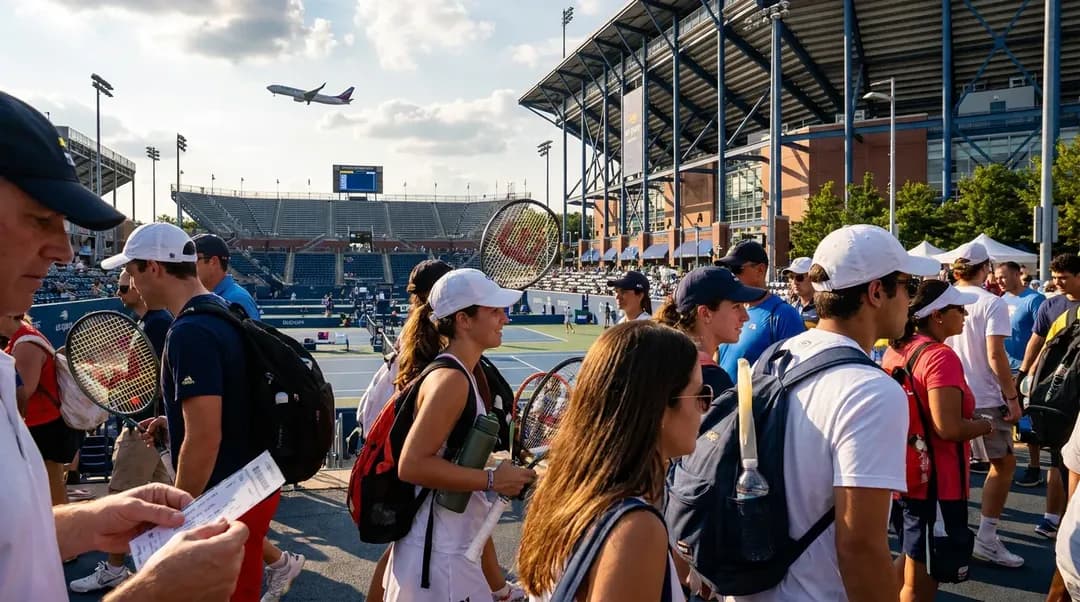
The tournament's second week brings a noticeable shift in atmosphere as the field narrows and matches move primarily to the three stadium courts: Arthur Ashe Stadium, Louis Armstrong Stadium, and the Grandstand. The quarterfinals typically take place on Tuesday and Wednesday of the second week, with two men's and two women's matches each day. This is when the tournament reaches its highest competitive intensity, as only eight players remain in each singles draw and every match carries enormous stakes. The scheduling becomes more predictable during this phase, with clear day and night sessions that allow fans to plan around specific matches.
Semifinals are traditionally scheduled with women's matches on Thursday and men's matches on Friday, though this can vary slightly based on the tournament calendar. The women's singles final takes place on Saturday, September 12, in prime time at Arthur Ashe Stadium, serving as one of the marquee events of the tennis calendar. The men's singles final follows on Sunday, September 13, traditionally scheduled for afternoon into early evening. These championship matches represent the culmination of two weeks of competition and typically draw the largest crowds and television audiences of the tournament. The doubles finals are interspersed throughout the final weekend, with mixed doubles, women's doubles, and men's doubles each receiving their own featured time slots.
Session Times and Daily Planning
The US Open operates on a session-based ticketing system that divides each day into distinct time blocks. Day sessions typically begin at 11:00 AM, while night sessions start at 7:00 PM. During the first week, a day session ticket grants access to all outer courts plus the Grandstand, and sometimes Louis Armstrong Stadium depending on the schedule. Arthur Ashe Stadium operates on separate ticketing throughout the tournament. Night sessions at Arthur Ashe have become iconic in tennis, featuring marquee matchups under the lights with an electric atmosphere that distinguishes the US Open from other Grand Slams.
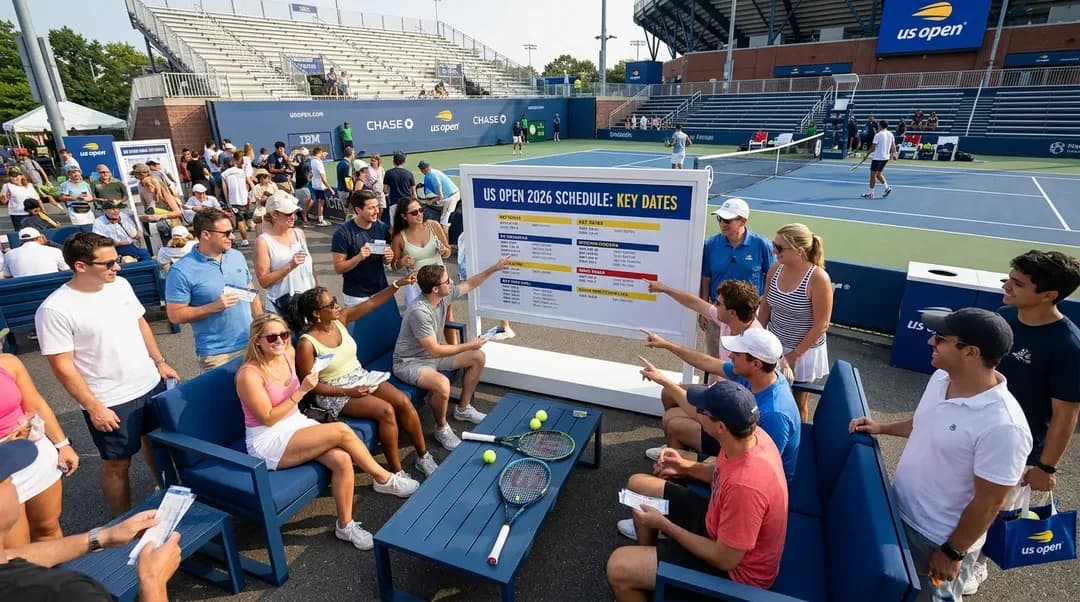
The daily order of play is released approximately one day in advance, creating both excitement and planning challenges for fans. This means you'll purchase tickets knowing the round and session but not which specific players will compete during your visit. The uncertainty is part of the Grand Slam experience, though it can be frustrating for fans hoping to see particular competitors. Day sessions during the first week offer the most tennis for your ticket, with dozens of matches happening simultaneously across the grounds. Night sessions provide a more focused experience with typically two or three featured matches in the stadium setting. As the tournament progresses into the second week, the schedule becomes more defined, with specific matches assigned to day or night sessions.
- First week day sessions offer access to multiple courts and the greatest variety of matches, ideal for fans who want to explore the grounds and catch different playing styles.
- Night sessions at Arthur Ashe Stadium provide a premium atmosphere with featured matchups, though you'll see fewer total matches than a day session.
- Weekend dates during the first week tend to be most crowded, while weekday sessions often offer easier navigation and shorter lines.
- The final weekend features the most prestigious matches but requires separate tickets for each session and typically commands premium prices.
Practical Notes
Transportation to the USTA Billie Jean King National Tennis Center in Flushing Meadows is most reliable via the 7 subway line to Mets-Willets Point station, which connects directly to the grounds. The tournament operates rain or shine, with the retractable roofs on Arthur Ashe Stadium and Louis Armstrong Stadium ensuring play continues regardless of weather. However, outer court matches will be delayed or suspended during rain, which can significantly impact day session experiences during the first week. Arriving early in your session maximizes your ability to secure good seats on unreserved courts and explore the grounds before crowds peak. Food and beverage options are extensive throughout the facility, ranging from traditional stadium fare to upscale dining experiences, and outside food is not permitted.
Tags: #USOpen2026 #Tennis #GrandSlam #NewYorkTennis #ArthurAsheStadium #FlushingMeadows #USOpenGuide #TennisFans #SportsTravel #HardCourt #NewYork #KarpoFinds
Sources consulted: usopen.org — Official reference · usopen.org — Official reference
All trademarks are the property of their respective owners.
Ask Karpo first
Before you lock in tickets or build a full day around an unconfirmed schedule, ask Karpo first. Share your dates, budget, and favorite players, and Karpo can help turn official US Open updates into a practical New York plan.
Ask Karpo for more information.
Keep reading
- Where to Eat Near Penn Station That Isn't a Chain
 Andytown Coffee in the Outer Sunset: The Snowy Plover Explained
- Best Things to Do in Chicago: What the City Gives Away