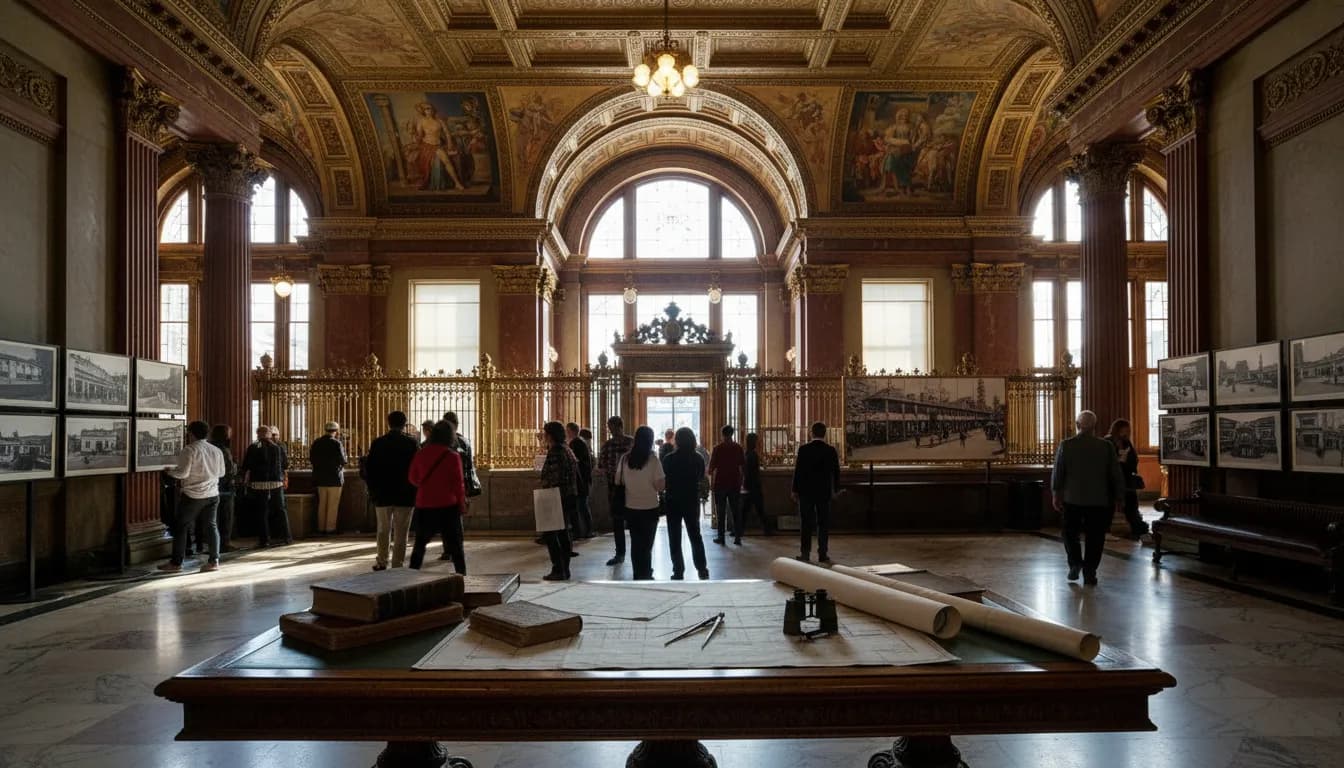
San Francisco’s urban fabric is dotted with overlooked architectural treasures tied to the history of the United States Postal Service. This guided route invites you to explore a side of the city often missed by traditional tours: the postal buildings that quietly served as hubs of communication and civic pride. From Beaux-Arts grandeur to mid-century modern simplicity, these structures embody changing eras and community values. Whether you’re a history buff, architecture enthusiast, or simply curious, this journey highlights hidden gems that contribute to San Francisco’s rich narrative.
Prepare your walking shoes and camera for an insightful stroll through San Francisco’s postal heritage. Each stop offers a chance to appreciate artistry merged with function in unexpected places.

Beaux-Arts Splendor: San Francisco’s Historic Main Post Office
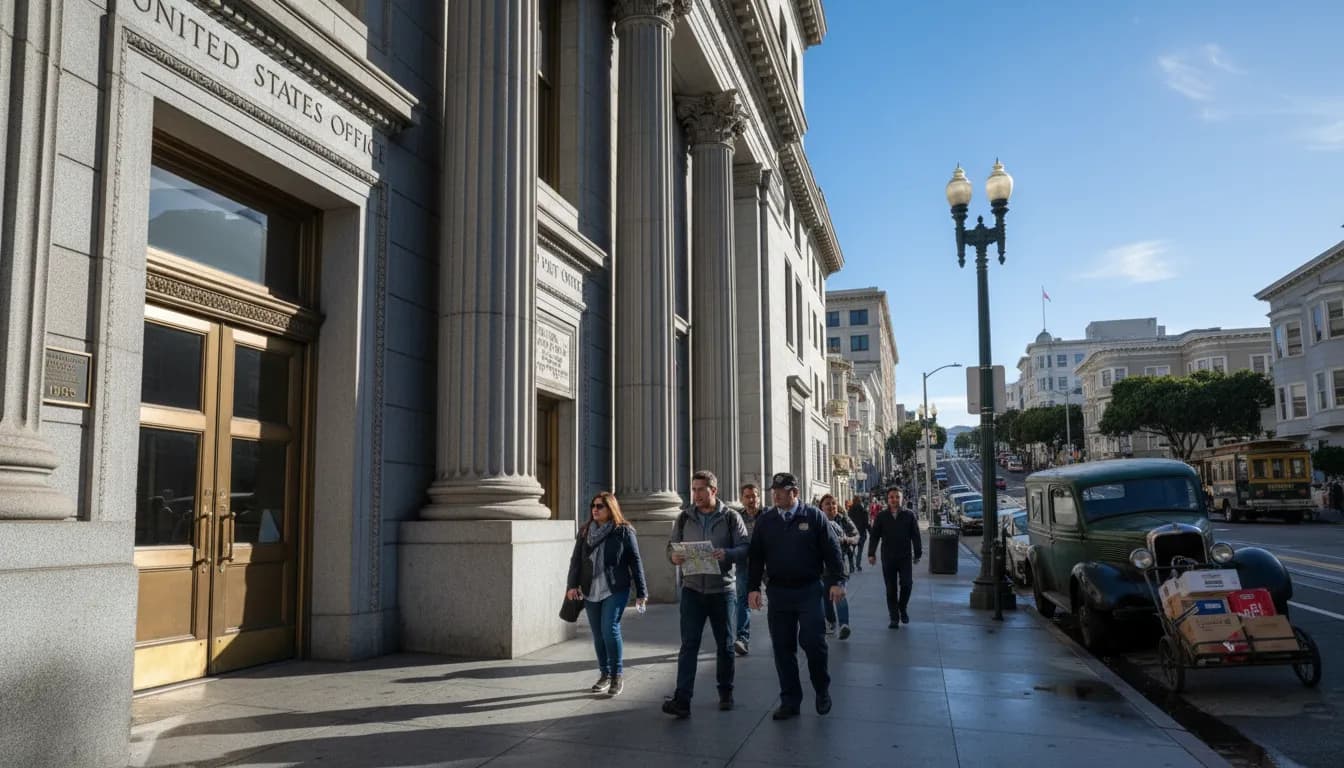
Begin your exploration at the San Francisco Main Post Office, an imposing example of Beaux-Arts architecture located downtown. Built in the early 20th century, the building reflects classical influences with grand columns, ornate pediments, and detailed stonework. It was designed to convey stability and trust in the vital services it provided.
Although it primarily functions as a mail processing hub today, the exterior still captivates visitors with its stately design. Look closely to spot sculptural details representing communication and industry, symbolic of the postal service’s mission during an era of rapid urban growth.
Nearby pedestrian crossings can be busy during peak hours, so exercise caution while navigating the intersection. The area is accessible via various Muni lines, making it convenient to include as your first stop on this walking tour.
Art Deco Influences at the Sunset District Branch
Travel west to the Sunset District to find a distinctive post office building showcasing Art Deco stylistic elements. This branch features geometric motifs, stepped forms, and metal framed windows that echo the design trends of the 1930s and ’40s. It stands as a testament to postal architecture adapting to modern aesthetics.
Inside, the lobby may still retain original terrazzo floors and decorative murals highlighting communication themes. Such artistic touches reflect a period when public buildings were designed to uplift and inspire communities, even in everyday spaces like a post office.
This neighborhood location offers a quieter atmosphere compared to downtown, ideal for those seeking a more relaxed step in the tour. Check transit options on the SFMTA website to plan your route efficiently.
Hidden Murals in the Mission District Post Office
The Mission District post office conceals a surprising artistic treasure: a series of WPA-era murals commissioned during the New Deal. These vibrant artworks depict scenes of daily life, labor, and cultural heritage, connecting postal services with the community’s diverse history.
Although the building’s exterior is modest, stepping inside reveals these colorful works that often go unnoticed by passersby. They offer insight into how the United States Postal Service functioned as a community anchor during challenging times.
Plan your visit during weekday hours to ensure access and be mindful of patrons conducting postal business. The location is well served by public transit and includes nearby bike racks for those who prefer active travel.
Modernist Architecture at the South of Market Postal Facility
In the South of Market area, a distinct mid-century modern postal facility stands out with its clean lines, glass facades, and functional design. This building reflects a shift toward efficiency and transparency in government services during the postwar period.
The use of steel and concrete, paired with open interior spaces, emphasizes practicality while maintaining architectural integrity. The design aligns with broader trends in urban renewal that shaped this formerly industrial district.
Visitors should be aware that this site primarily serves operational functions; public access is limited to certain areas. Check signage and respect posted boundaries to ensure a safe and respectful exploration.
Postal Kiosks and Urban Oddities Scattered Across the City
Beyond large buildings, San Francisco’s postal story includes smaller-scale curiosities like historic postal kiosks and mail drop boxes with unique designs or rare vintage branding. These elements punctuate sidewalks and plazas, often overlooked amid city bustle.
Tracking down these subtle artifacts requires keen eyes and appreciation for everyday public infrastructure. They offer a tactile connection to the United States Postal Service’s evolving role in urban life and community interaction.
Many of these smaller sites are easily accessible and found along popular walking corridors. To avoid hazards, always watch for traffic and respect any private property boundaries near these public installations.
Planning Your Postal Tour: Tips for an Optimal Experience
When embarking on a tour of San Francisco’s United States Postal Service buildings, consider starting early in the day to maximize daylight and avoid the afternoon fog common in the city. Each site offers unique architectural details, so pacing yourself allows for thorough exploration and photography. Verify building access before your visit, as some post offices have restricted hours or limited public entry due to operational needs. Checking online or calling ahead can prevent disappointment and ensure that hidden gems, such as murals or interior details, are visible during your trip.
Navigating between the postal sites is most efficient by using San Francisco’s public transit system, particularly the Muni buses and light rail lines that connect various neighborhoods. Some locations, especially those in the Mission and Sunset Districts, are easily reachable on foot from transit stops, but others may require a short ride-share or bike rental. Budget travelers can rely on day passes for public transit to keep costs low. For those with mobility challenges, verify the accessibility of each building beforehand, as older structures might have limited accommodations for wheelchair users.
Weather in San Francisco can be unpredictable; layering is essential for comfort during your tour. Mornings tend to be cooler and foggy, while afternoons might warm up with sunshine. Planning your route to start in fog-prone areas and end in sunnier neighborhoods can enhance the experience. If inclement weather arises, consider focusing on indoor features such as mural viewing or architectural details inside the post offices, which remain fascinating regardless of the weather outside. This fallback strategy ensures your tour remains engaging and informative no matter the conditions.
Practical notes
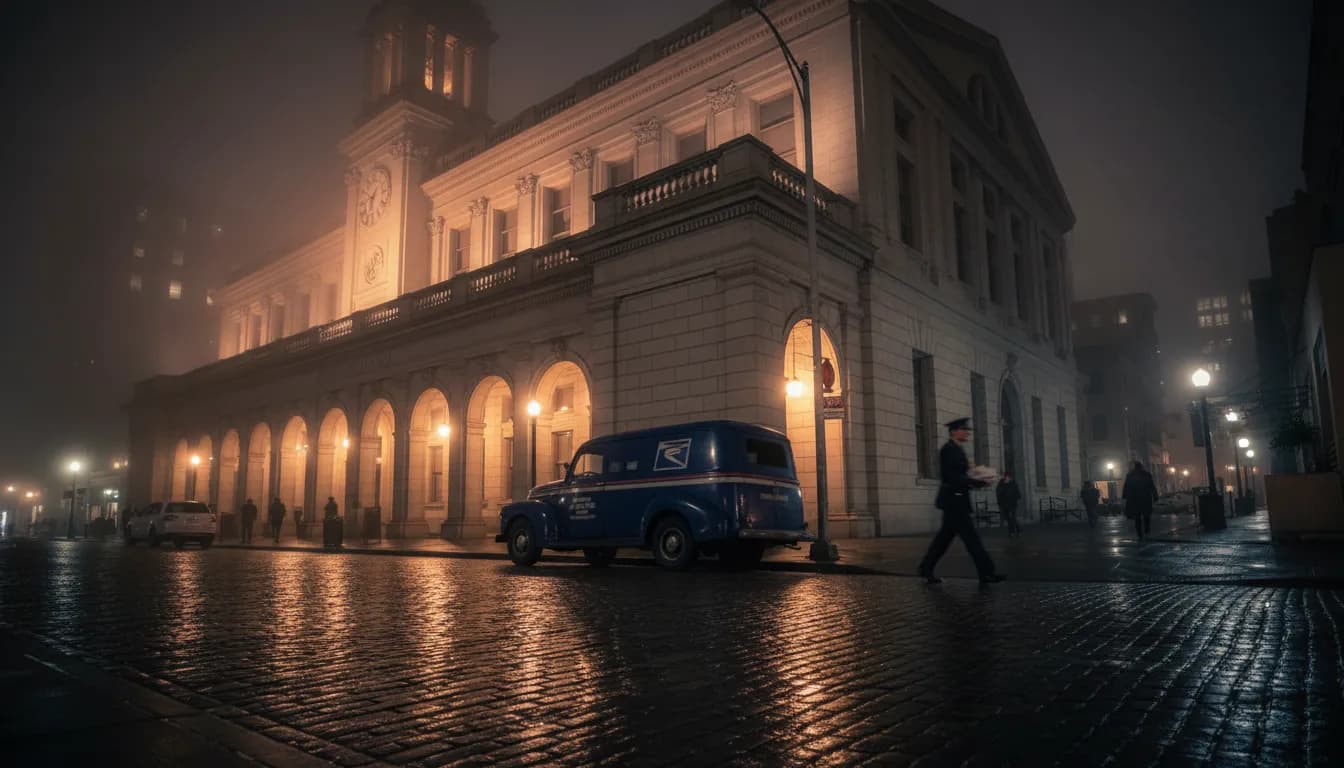
This walking tour covers multiple neighborhoods, so comfortable shoes and layered clothing are recommended due to San Francisco’s variable microclimates. Muni transit can connect several stops; consult SFMTA maps and schedules online before departure. Weekdays tend to be less crowded in post office lobbies, improving your viewing experience. Always prioritize pedestrian safety when crossing streets, especially near busy intersections. The tour involves both public buildings and outdoor sites; access inside buildings may vary, so check hours and note signage. No entrance fees are required, making this a budget-friendly way to explore hidden architectural gems.
Tags: #SanFrancisco #PostalHistory #ArchitecturalGems #UrbanExploration #HiddenGems #BeauxArts #ArtDeco #MidCenturyModern #WPAArt #WalkingTour #HistoricBuildings #PublicTransit #CityArchitecture #UrbanOddities #HiddenHistory
Sources consulted: SFMTA · San Francisco Travel · SF Recreation and Parks
All trademarks are the property of their respective owners.
Ask Karpo first
Curious about other hidden layers of San Francisco’s urban landscape? Ask Karpo first for personalized guides uncovering lesser-known city stories and landmarks, tailored to your interests and timing.


