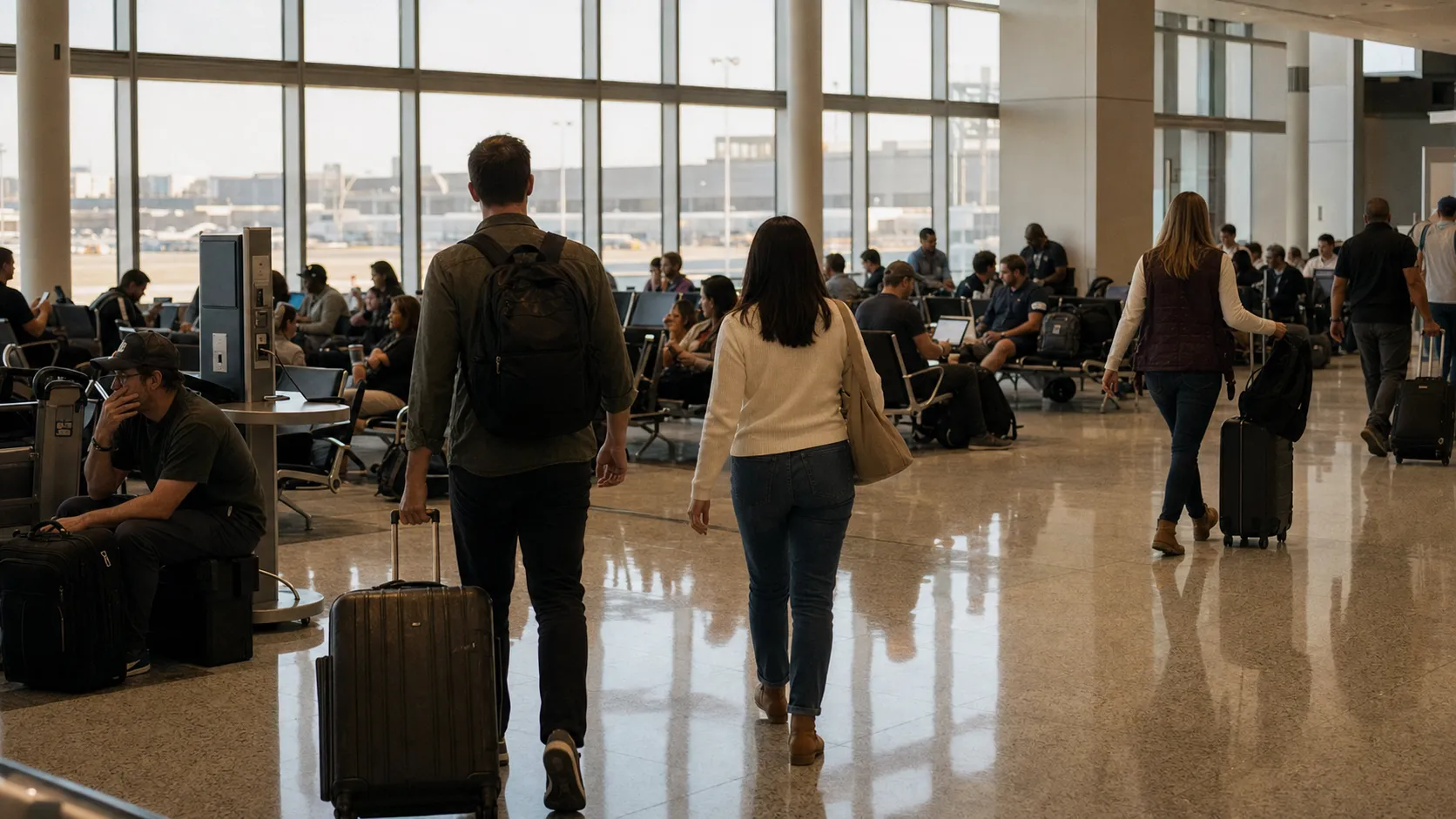
A United flight diversion can turn a routine New York trip into a maze of gate changes, app alerts, hotel questions, and uncertain timing. For NYC-origin travelers using Newark Liberty, LaGuardia, or JFK-area connections, the key is not to guess from social posts or airport rumor chains. Diversions may happen for weather, air traffic constraints, mechanical concerns, medical situations, crew timing, security issues, or destination-airport conditions. Some causes are within the airline’s control; others are not. That distinction matters for meal vouchers, hotels, reimbursement requests, and the paper trail you should keep. The practical move is to treat the first hour after a diversion as a documentation window, not just a waiting period.
Text Karpo before you head to EWR, LGA, or JFK and we’ll help you sort the official flight-status links from the noise. Ask Karpo what to screenshot, what to ask the airline, and when a refund request makes sense.
What a diversion means, and what it does not mean
A diversion means the aircraft lands somewhere other than the planned destination, or sometimes returns to its departure airport, because the operating crew, airline operations center, air traffic control, or safety conditions make the original plan impractical. It is not automatically a cancellation, and it is not automatically proof that the airline did something wrong. The flight may continue later, passengers may be rebooked, or the airline may arrange ground transportation depending on the airport, crew legality, fuel, maintenance, customs availability, and weather.
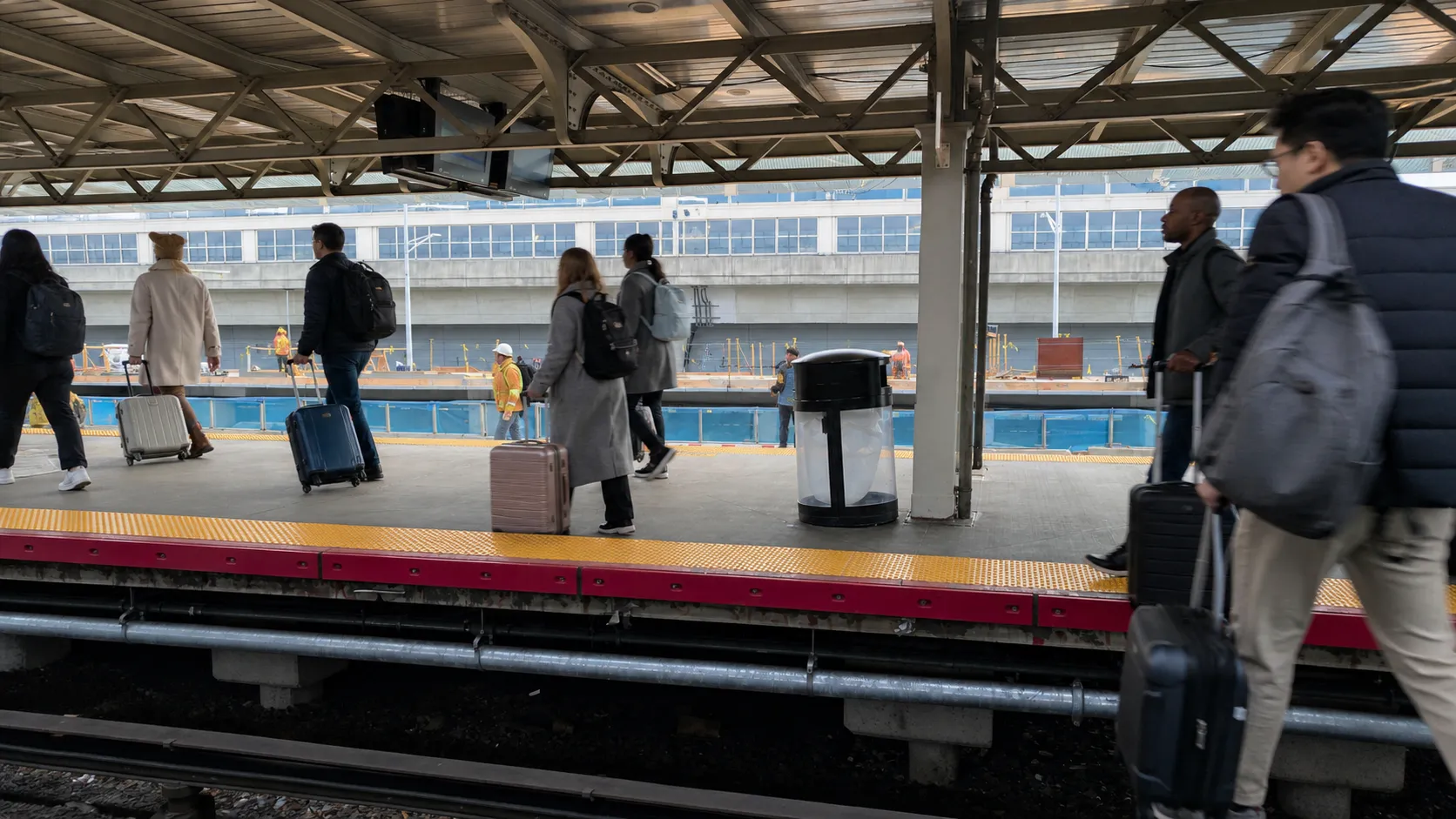
For NYC travelers, verify the airport picture before changing plans
New York’s airport system is unusually interconnected: trouble at one airport can ripple through the others, especially during thunderstorms, ground delay programs, runway constraints, or congestion in the regional airspace. Before abandoning an itinerary, check United’s flight status or app, the FAA airport status page for JFK, LaGuardia, or Newark, and Port Authority alerts for airport-access issues. The FAA’s public airport pages note that their status information describes general airport conditions and is not flight-specific, so the airline remains the decisive source for your individual booking.
Rebooking: act fast, but do not cancel blindly
If your United flight diverts and you are no longer on schedule, start by opening the United app or My Trips, saving screenshots, and checking whether an automatic rebooking has appeared. If you are at an airport, try the app, chat, airport customer-service desk, phone line, and elite-status line if applicable; using multiple official channels is reasonable during irregular operations. Ask whether you are being continued on the same aircraft, protected on a later United flight, moved through a partner, or offered another routing.
Refund rights depend on whether you accept the alternative
DOT’s refund guidance is the central rule to understand. If an airline cancels a flight, or significantly delays or changes a flight, and you choose not to travel or accept travel credits, vouchers, or alternative compensation, you may be entitled to a refund. DOT defines significant changes to include, among other things, a late arrival of three hours or more for domestic itineraries or six hours or more for international itineraries, a change in origin or destination airport, added connections, or an involuntary downgrade.
That does not mean every diverted passenger receives cash compensation. If you accept the rebooked flight, continue on the delayed aircraft, take arranged ground transportation, or otherwise complete travel on an alternative you accepted, DOT says you generally are not entitled to a ticket refund for the transportation you used. You may still have a separate case for certain expenses or amenities if the disruption was within the airline’s control and meets the airline’s commitments.
Meals, hotels, and ground transport: ask for the reason code
The practical question at the counter is simple: was the disruption controllable? DOT’s Airline Cancellation and Delay Dashboard tracks airline commitments for controllable cancellations and delays, such as rebooking at no additional cost, meals after certain waits, hotel accommodation for overnight disruptions, and transportation to and from a hotel. Weather and air traffic control restrictions are typically not treated the same way as maintenance or airline operational problems. Do not argue from memory; ask the agent to identify the cause listed in the reservation, then screenshot any United message that confirms it.
United’s own refund and customer-care pages direct customers to request refunds for unused services and to contact Customer Care for reimbursement or compensation related to a delayed or cancelled flight. Keep receipts modest, itemized, and connected to the disruption: airport meals, a hotel, local transportation, basic toiletries, or phone charges are easier to document than broad inconvenience claims.
Tarmac delays after a diversion have separate rules
A diversion can be especially frustrating when the aircraft lands but passengers remain onboard. DOT’s tarmac-delay rule applies at U.S. airports. For flights departing from a U.S. airport, airlines generally must begin moving the aircraft to a place where passengers can safely deplane before three hours for domestic flights and four hours for international flights, with safety, security, and air traffic control exceptions. Airlines must also provide food and drinking water no later than two hours after the tarmac delay begins, unless safety or security prevents it.
If you are on a diverted international flight that lands at a U.S. airport without normal customs processing, deplaning may be complicated by federal inspection requirements. That does not erase the need for updates. Log the time the aircraft landed, the time the door opened if it did, announcements about food or water, and any explanation given by the crew.
Bags, mobility devices, and essential items need a separate paper trail
Do not assume baggage will follow the same path you do after a diversion. If United rebooks you through a different airport or holds you overnight, ask whether checked bags will be transferred, delivered, or made available at baggage claim. DOT says passengers should file a mishandled-baggage report as soon as they learn a bag did not arrive, and it sets timing standards for when a delayed bag can trigger a baggage-fee refund. United also provides a bag-claim status tool for tracking claims.
Passengers traveling with wheelchairs, other assistive devices, service animals, or disability-related accommodations should ask for a Complaint Resolution Official if a disability issue cannot be resolved on the spot. DOT’s Airline Passengers with Disabilities Bill of Rights says airlines must provide prompt boarding and deplaning assistance when requested and that assistive devices must be accepted consistent with safety rules.
What to save before you leave the airport
Your strongest file is built in real time. Save the original confirmation, boarding pass, seat receipt, baggage receipt, upgrade or Wi-Fi receipt, app notifications, rebooking offers, gate display photos, meal or hotel voucher screenshots, and receipts for out-of-pocket expenses. Write a short timeline in your notes app: scheduled departure, actual departure, diversion announcement, landing time, deplaning time, cancellation or continuation notice, and final arrival. If an agent gives verbal instructions, ask for the same information by text, email, app notification, or printed itinerary.
Practical notes
Practical notes: If your United flight from the New York area diverts, first confirm your specific itinerary in United’s app or at united.com rather than relying on a general airport delay board. Check FAA airport status for broad JFK, LGA, or EWR conditions, but remember those pages are not flight-specific. If you no longer want to travel after a cancellation or significant delay, avoid accepting a voucher or new itinerary until you understand refund consequences. If you do travel, keep receipts for reasonable disruption expenses and submit them through United Customer Care. For disability-related issues, request a Complaint Resolution Official promptly. For bags, file a mishandled-baggage report before leaving the airport when possible.
Tags: #NYCTravel #UnitedAirlines #FlightDiversion #AirTravelTips #NewarkAirport #LaGuardiaAirport #JFKAirport #PassengerRights #TravelDelays #FlightStatus #WeekendPlans #NYCAirports #TravelSmart #KarpoNYC
Sources consulted: U.S. Department of Transportation refund guidance · DOT Airline Cancellation and Delay Dashboard · DOT tarmac delay rules · FAA diversion recovery procedures · FAA airport status for LaGuardia · United Airlines refunds and customer care · United operational alerts and waivers · DOT Airline Passengers with Disabilities Bill of Rights · Port Authority airport alerts
All trademarks are the property of their respective owners.
Ask Karpo first
Ask Karpo for a diversion checklist tailored to your route, airport, and connection time. We can help you organize official updates, receipts, rebooking options, baggage steps, and the right customer-care forms without turning a travel headache into a guessing game.