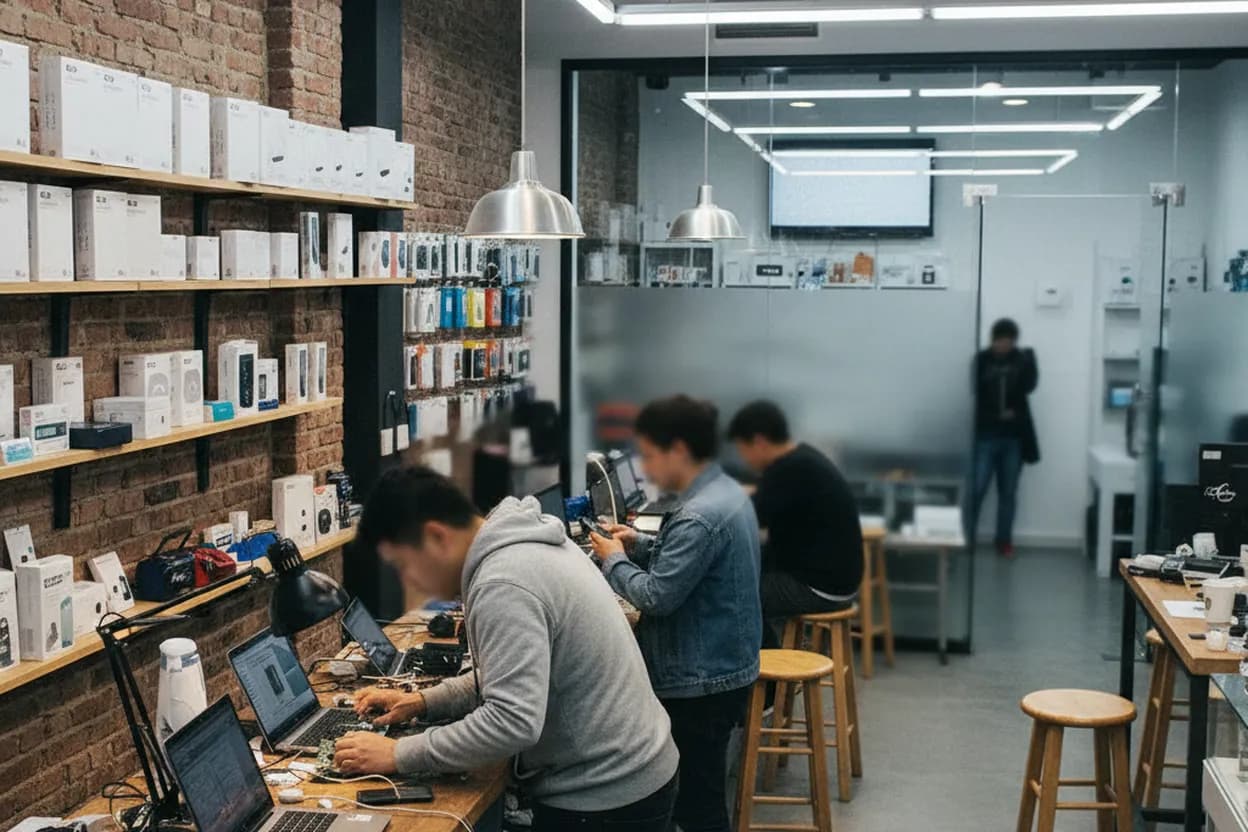
When a phrase like jim jordan referral jack smith starts climbing search trends, the hardest part is not finding opinions; it is separating original documents, reliable reporting, commentary, and recycled posts. For New Yorkers, NYPL branches offer a low-cost way to slow the story down without needing a law degree or a private database. The best move is to treat the headline as a research question: what happened, who issued it, what document proves it, and what remains disputed? This guide points you through venue-specific library options, from Midtown research desks to remote librarian help, so a curious solo reader can leave with sources instead of noise.
Want a calmer way to verify complicated public affairs headlines? Text Karpo with the story you are following, your borough, and your time window for a library-first research route.

Start at the Stephen A. Schwarzman Building for Original-Source Framing
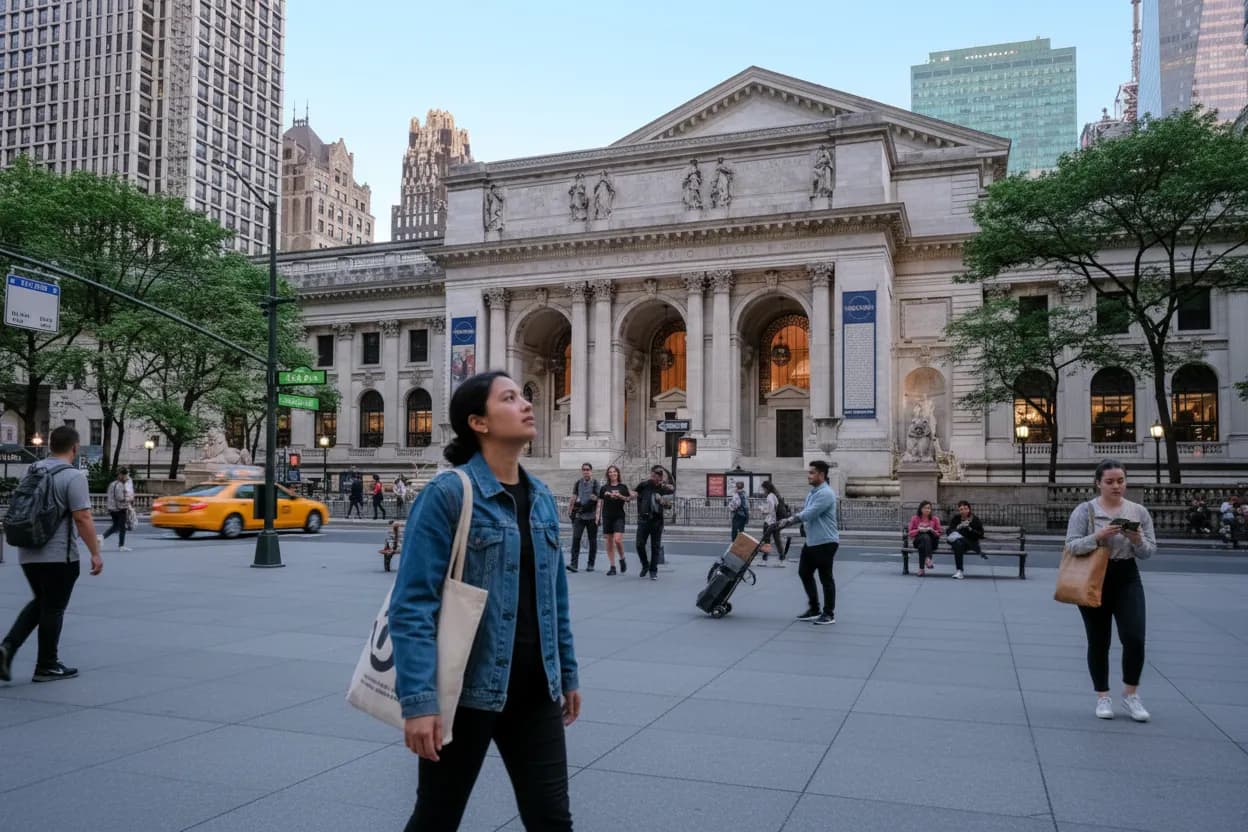
The Stephen A. Schwarzman Building at Fifth Avenue and 42nd Street is the strongest first stop if you want the news item placed in context rather than simply summarized. NYPL lists it as a premier research center with humanities and social science collections, and the General Research Division is the practical desk to ask where government documents, historical newspapers, legal reference works, and congressional materials might intersect. Because it is a research library, expect onsite use rather than take-home borrowing.
The tradeoff is pace. This is not the branch for rushing between errands with a vague headline and no search terms. Bring the exact phrase, names, dates, agency or committee names, and any article links you already trust. Check the Schwarzman location page the morning you go for hours, last-entry notes, construction impacts, and accessibility entrances at 40th Street or 42nd Street before committing your trip.
Use the NYPL Research Catalog Before Requesting Anything Onsite
NYPL’s Research Catalog is the step that keeps a political-news visit from becoming a desk-by-desk scavenger hunt. It covers research collections at major NYPL research locations and partner holdings, while NYPL separately directs borrowers to the circulating catalog for items they can take home. For a story tied to referrals, prosecutors, Congress, or public accountability, search names, offices, legal terms, and subject headings rather than only the viral phrase.
The failure mode is assuming every catalog result is immediately available. NYPL says research materials are used onsite and delivery times vary, so requesting in advance matters. If an item has no request button, it may be in use or restricted, and the next step is contacting the relevant division. For offsite material, build in business-day delay instead of planning a same-hour visit around a single record.
Choose Stavros Niarchos Foundation Library for a Workable Same-Day Plan
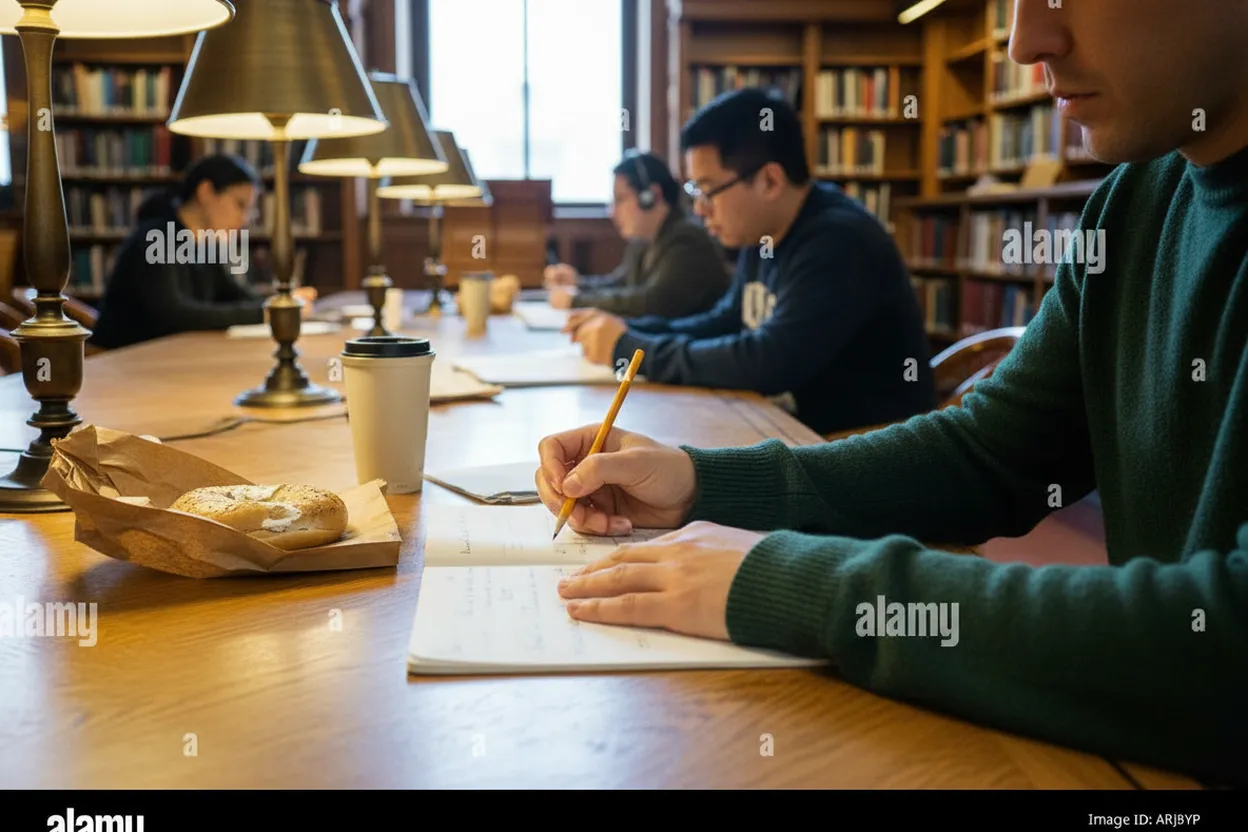
Stavros Niarchos Foundation Library, at 455 Fifth Avenue, is the better choice when you need a usable public workspace, circulating books, computers, Wi-Fi, and a less formal approach. NYPL identifies SNFL as its largest circulating branch, with browsable collections, public seating, programs, and online resources. For a back-to-school reader, student, or parent helping a teenager assess political news, this branch fits better than a special-collections research room.
The practical advantage is flexibility, but verify details first. SNFL hours, center availability, rooftop status, printing access, computer demand, and program listings can shift. NYPL also notes that e-bikes, e-scooters, and electronic transportation devices are not permitted inside its locations, except mobility aids. If you are carrying one, choose a different travel plan before arrival so your research session does not fail at the door.
Ask NYPL When the Document Trail Gets Too Technical
Ask NYPL is the pressure valve when the headline turns into acronyms, docket language, or competing claims about who has authority to do what. NYPL describes Ask NYPL as a virtual reference service answered by trained information specialists through phone, chat, email, and text. That is useful when you can frame a neutral question such as, “Where can I find the original referral document and reliable background on congressional criminal referrals?”
Do not use the service as a debate partner or as a substitute for legal advice. NYPL notes that questions may be declined if inappropriate or outside available expertise, and email responses have a minimum weekday turnaround. The better tactic is to ask for source paths: official documents, database suggestions, newspaper archives, or a relevant research guide. Include your deadline if you have one, then continue with a branch visit while waiting.
Search Articles, Databases, and Newspapers Without Treating Them Alike
NYPL’s online resources and databases page points users toward Articles Plus, A-Z databases, journals, research guides, and the Research Catalog. That matters because a breaking political story usually appears in several forms at once: original records, wire reports, newspaper analysis, opinion columns, and explainers. Your job inside the library is to label each source type before deciding how much weight it deserves.
A useful pacing rule is to spend ten minutes finding the primary document, twenty minutes comparing reputable reporting, and ten minutes recording what is still unconfirmed. Some databases may require a library card, onsite access, or a filter for resources available from home. If access fails, do not improvise facts from snippets. Save the citation, ask a librarian what access route applies, and mark that point as unresolved.
Use the Library for the Performing Arts Only for Media-Source Angles
The New York Public Library for the Performing Arts at Lincoln Center is not the default venue for a congressional-referral headline, but it can be useful if your question is about broadcast framing, public speech, televised hearings, performance, or media history. NYPL says the location holds research collections in theater, film, dance, music, recorded sound, plus circulating and reference materials. That makes it a targeted backup, not a general civics desk.
Go there only with a media-specific question, because division hours may vary and Sunday service is closed on the current location page. The venue is fully accessible and lists an Amsterdam Avenue entrance, but check the page before leaving for hours and contact details. If your question is simply “what happened in the news,” Schwarzman, SNFL, or Ask NYPL will usually be faster and less specialized.
Finish With a Three-Source Verification Loop Before You Share
Before posting, texting, or citing the story, run a final loop: one original or official source, one reputable news account, and one library-supported reference or database result. Write down what each source proves and what it does not prove. If the original document is unavailable, say that plainly. If the reporting is about a referral, distinguish an allegation, a request, a legal filing, and a court outcome.
Your last step should be logistical as well as editorial. Recheck NYPL location hours, holiday closings, room or division availability, accessibility notes, and MTA elevator or escalator status if step-free travel matters. A good decision guide does not pretend every fact is stable. It tells you when to go, where to ask, what to verify, and when the honest answer is still “not confirmed yet.”
Tags: #AskKarpo #BeforeYouGo #NYPL #NYCLibraries #MediaLiteracy #PublicRecords #CivicResearch #BackToSchool #Manhattan #BryantPark #LibraryResearch #NewsLiteracy #AccessibleNYC #SoloNYC
Sources consulted: Source 1: nypl.org · Source 2: nypl.org · Source 3: nypl.org · Source 4: nypl.org · Source 5: nypl.org · Source 6: mta.info
All trademarks are the property of their respective owners.
Ask Karpo first
Tell Karpo your date, group size, budget, and starting neighborhood. We’ll check current access, timing, transit, and the cleanest plan for New York Public Library branches before you head out.