North Beach has a visibility problem: one avenue is famous, and it absorbs almost everyone who comes here. Columbus is genuinely pleasant and some of it is genuinely good, but it is also where the sidewalk hosts stand, where the menus are laminated in four languages, and where you pay a premium for the location. The interesting eating in this neighbourhood is one street off, and a surprising amount of it has nothing to do with Italy.
The gap between the North Beach people visit and the one people live in is about two blocks wide. Tell Karpo where you are standing and it will point you at the places on the other side of that line.
The bakeries are the neighbourhood's real institution
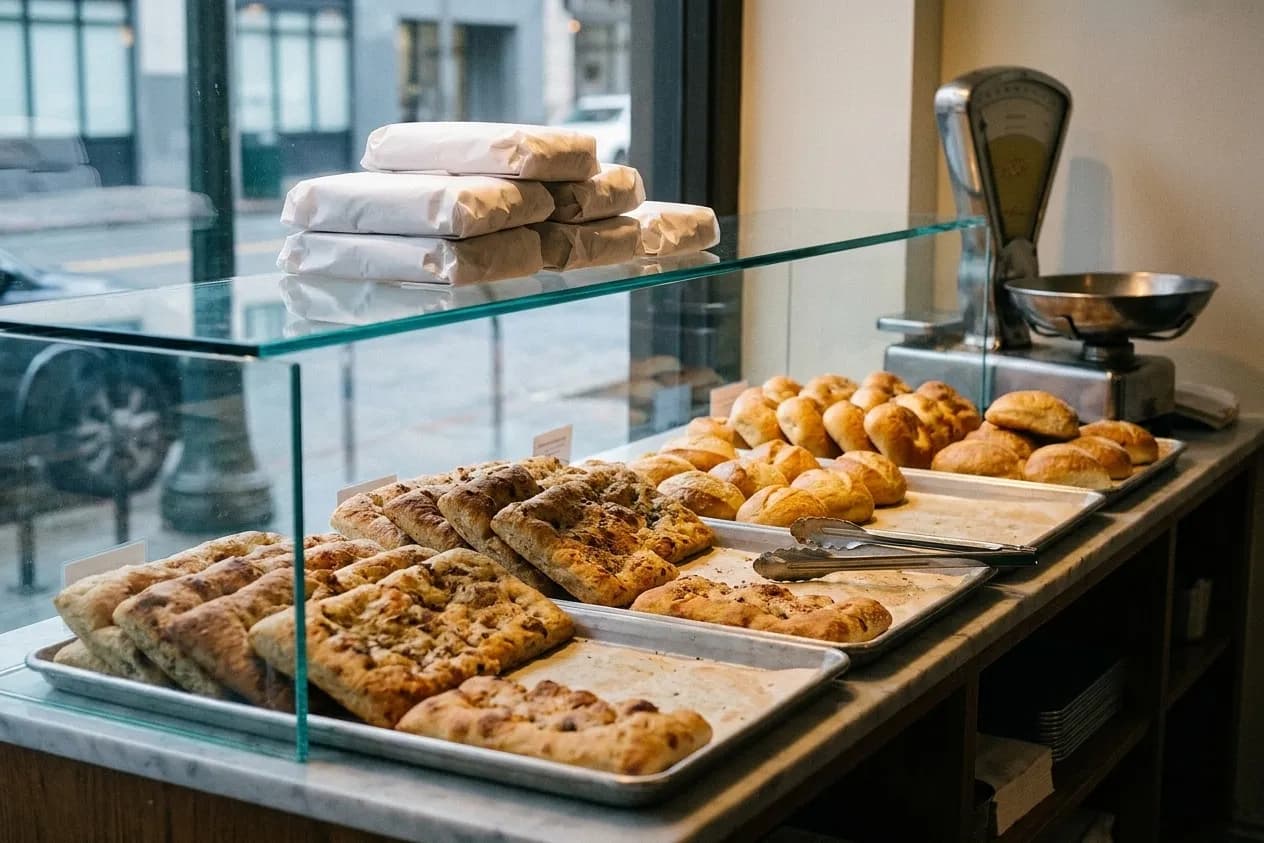
If you eat one thing here, make it focaccia from one of the old bakeries. It is sold by weight, wrapped in paper, eaten standing up or on a bench, and it costs a fraction of any restaurant plate in the neighbourhood. These bakeries have been operating here for generations and they sell out — the good stuff goes in the morning and by mid-afternoon the trays are down to the ends.
The same shops sell the other thing worth knowing about: sandwiches built on that bread, made to order at a counter, and better than most of the sit-down lunches on the avenue. This is the single biggest quality-to-price gap in North Beach and almost nobody with a guidebook finds it.
The Chinatown border is where it gets interesting
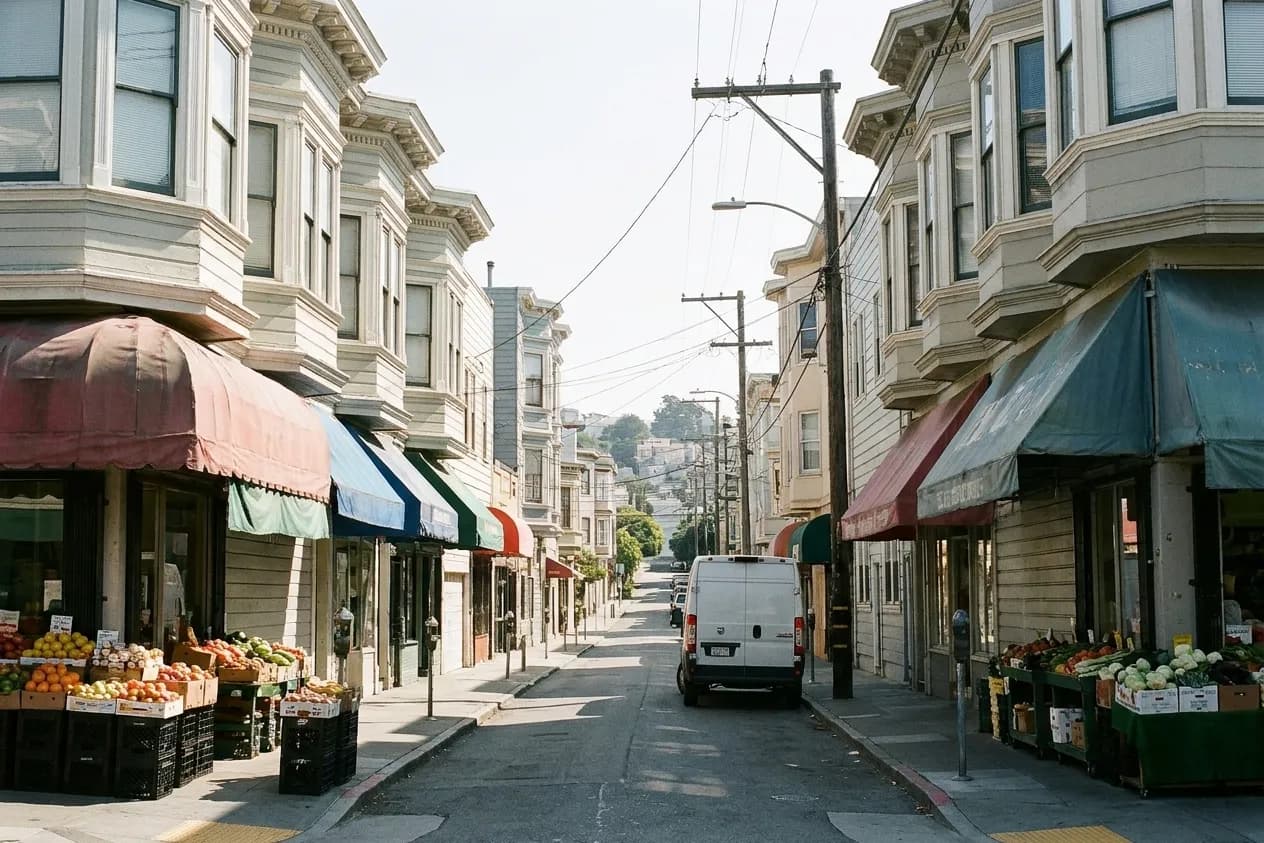
North Beach and Chinatown do not have a hard edge — they blend along Stockton, Grant and the streets around Broadway, and the blocks where they overlap are the best-value food in either neighbourhood. Roast meat shops, dumpling counters, produce markets selling vegetables at a third of supermarket prices, and small restaurants where the menu is written on the wall.
Most people walking from one neighbourhood to the other pass straight through this strip because it does not look like either postcard. It is worth slowing down. A roast duck plate here costs less than a plate of pasta three blocks north and is, by most measures, the better lunch.
The restaurants that are not on the avenue
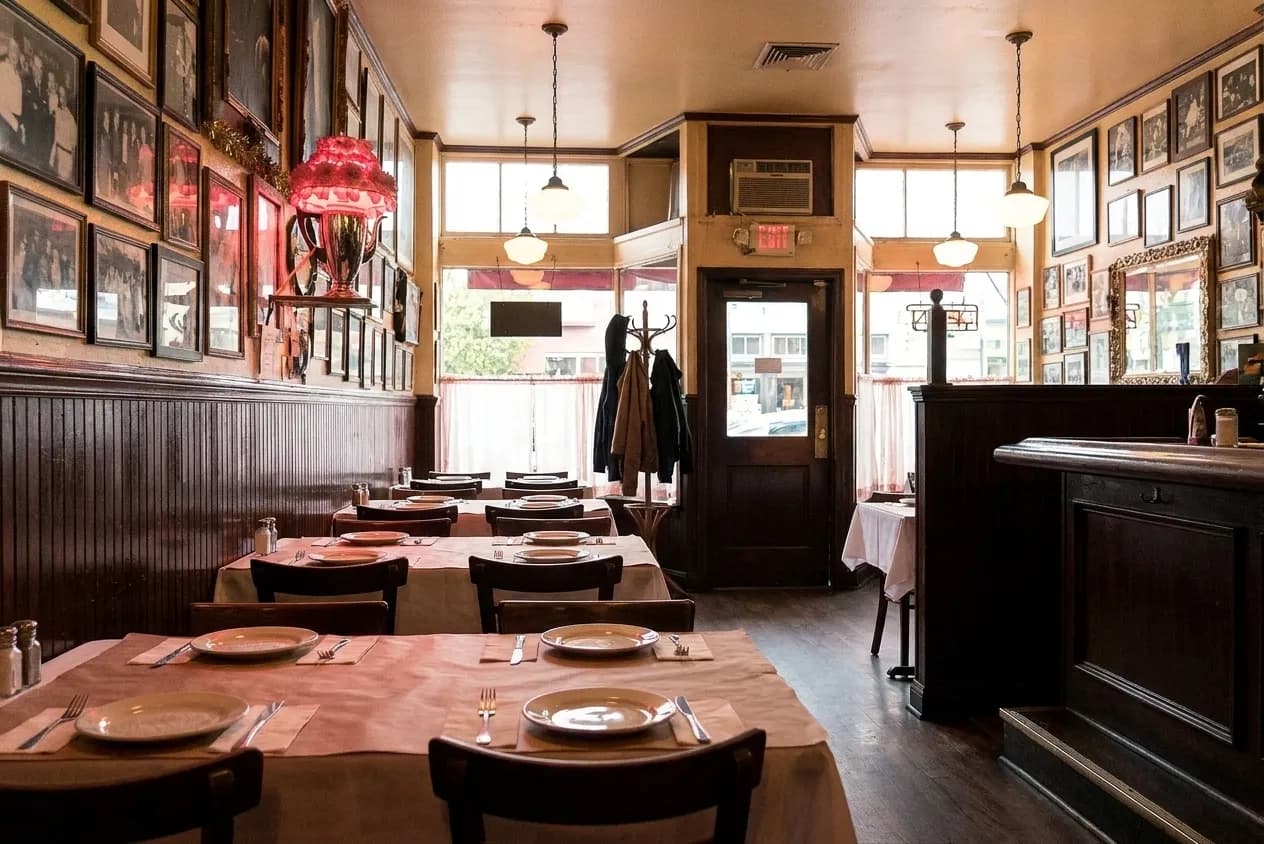
On Grant Avenue north of Columbus, and on the cross streets climbing toward Telegraph Hill, sit the small rooms that the neighbourhood's residents actually use: trattorias with a dozen tables and a handwritten specials board, a couple of long-running family-run places that have not changed in decades, and a set of newer, smaller openings that took the cheaper rent one street back.
The reliable signal is the size of the menu. A North Beach restaurant with twelve primi, twelve secondi, pizza and a full seafood section is cooking from freezers; one with eight dishes and a specials board is cooking. That rule sorts this neighbourhood faster than any review.
Coffee, and the neighbourhood's other original habit
North Beach ran an espresso culture long before the rest of the country had one, and the old café-bars are still here — rooms where an espresso is small, cheap and drunk standing at the counter, and where nobody minds if you sit for an hour with a newspaper. They are not competing with the third-wave shops on quality of extraction and they are not trying to; the product is the room.
Go in the morning, order at the bar rather than a table where there is a price difference, and take the pastry. This is the most reliably pleasant hour available in the neighbourhood and it costs about four dollars.
How to plan a walk that avoids the strip
A good route runs uphill and off-axis. Start at a bakery on the Chinatown side in the morning, walk north on Grant rather than Columbus, cut east on Union or Filbert toward Telegraph Hill, and come back down the eastern stairways. That covers the bakeries, the small shops, the quiet restaurants and the best views in the neighbourhood, and it crosses the main avenue exactly twice.
Save Washington Square for the end. It is the neighbourhood's living room, it is free, and eating something bought two blocks away while sitting on the grass with the church in front of you is a better North Beach experience than any table on Columbus.
What to buy to take home
This neighbourhood is unusually good for shopping rather than eating. The delis sell cured meat, cheese and tinned fish cut and wrapped to order at prices well below the specialty grocers elsewhere in the city, and the bakeries will sell you a whole tray of focaccia if you ask. Between the two, twenty dollars buys a considerably better lunch than twenty dollars buys sitting down on the avenue.
The Chinatown-side produce markets are the other stop worth making. Vegetables, herbs and fruit here run a fraction of supermarket prices and turn over daily, which is why you see restaurant cooks shopping them in the morning. Bring a bag and cash, and expect the queue to move faster than it looks.
If you are carrying things home on transit, do the shopping last and walk downhill toward the transit lines on the neighbourhood's southern edge rather than uphill. It sounds obvious and it is the difference between a pleasant errand and a hot one.
Tags: #SanFrancisco #NorthBeach #HiddenGems #SFEats #WhereToEatSF #Chinatown #TelegraphHill #Focaccia #SFFoodie #BayArea #LocalEats #Bakery #Espresso #WashingtonSquare
Sources consulted: sf.eater.com · sfstandard.com · sfchronicle.com
All trademarks are the property of their respective owners.
Ask Karpo first
The bakeries sell out, the small rooms keep irregular hours, and half of them do not appear in a search at all. Ask Karpo what is actually open and worth walking to near you, and it will keep you off the strip.