 Where to Eat Near Penn Station That Isn't a Chain
US Open 2026

When Is The Meteor Timing Tips For US Open 2026 Style Guide Night Session
How to time your arrival, plan around meteor showers, and dress for night tennis in Queens this August and September
The 2026 US Open runs August 23 through September 13 at the USTA Billie Jean King National Tennis Center in Flushing Meadows Corona Park, and this year the tournament overlaps with peak meteor shower season. Fan Week begins August 23, the main draw starts August 30, and night sessions under the lights at Arthur Ashe Stadium offer a chance to watch world-class tennis beneath the same sky that delivers annual celestial shows. If you are searching for meteor shower timing, you are probably planning late-night outdoor activity—and US Open night sessions are among the best reasons to be outside in Queens after dark. This guide helps you plan your visit around both the tennis schedule and the night sky, with practical advice for getting there, dressing right, and making the most of evening hours in Flushing.
Text Karpo your match session, neighborhood start point, and appetite, and we will turn this Night Session style guide into a live Queens plan.
When the US Open and meteor showers overlap
The Perseid meteor shower typically peaks in mid-August, with visible activity extending into late August—right when Fan Week begins. The tournament itself runs through mid-September, when the September Epsilon Perseids and early Orionids become active. While stadium lights make meteor-watching impossible inside the tennis center, the overlap means you are already dressed, mobile, and awake during prime viewing hours. If you are planning to attend a night session that ends around 11 PM or midnight, you are already positioned for a short trip to a darker viewing spot in Queens or beyond. The key is knowing when sessions start, how long they run, and where you can safely transition from tennis to stargazing if that is part of your evening plan.
US Open 2026 schedule and night session timing
Fan Week runs August 23–29, 2026, with practice sessions, qualifying matches, and fan activities. The main draw begins August 30. Night sessions typically start at 7 PM, though exact start times vary by round and broadcast schedule. Early-round night sessions may feature two or three matches; later rounds often showcase a single marquee match. Sessions can end anywhere from 10 PM to well past midnight depending on match length. The official US Open website publishes the daily order of play, usually released the evening before, so you can plan your arrival and departure with real information. Do not assume any specific player will appear on a given night unless the schedule confirms it.
Getting to Flushing Meadows for night tennis
The USTA Billie Jean King National Tennis Center sits inside Flushing Meadows Corona Park in Queens. The 7 train is the primary subway line, with stops at Mets-Willets Point the closest to the tennis center. The Long Island Rail Road also serves Mets-Willets Point station. During the US Open, the MTA often runs additional service and posts real-time updates. Plan to arrive at least 45 minutes before your session starts to clear security, pick up tickets, and find your seat. If you are coming from Manhattan, budget 45–60 minutes door-to-door. If you are starting in Brooklyn, consider the 7 train transfer at Queensboro Plaza or Court Square. Check the MTA US Open guide and the official transportation page on USOpen.org before you travel, as service patterns and entrances can shift during the tournament.
What to wear and carry for night sessions
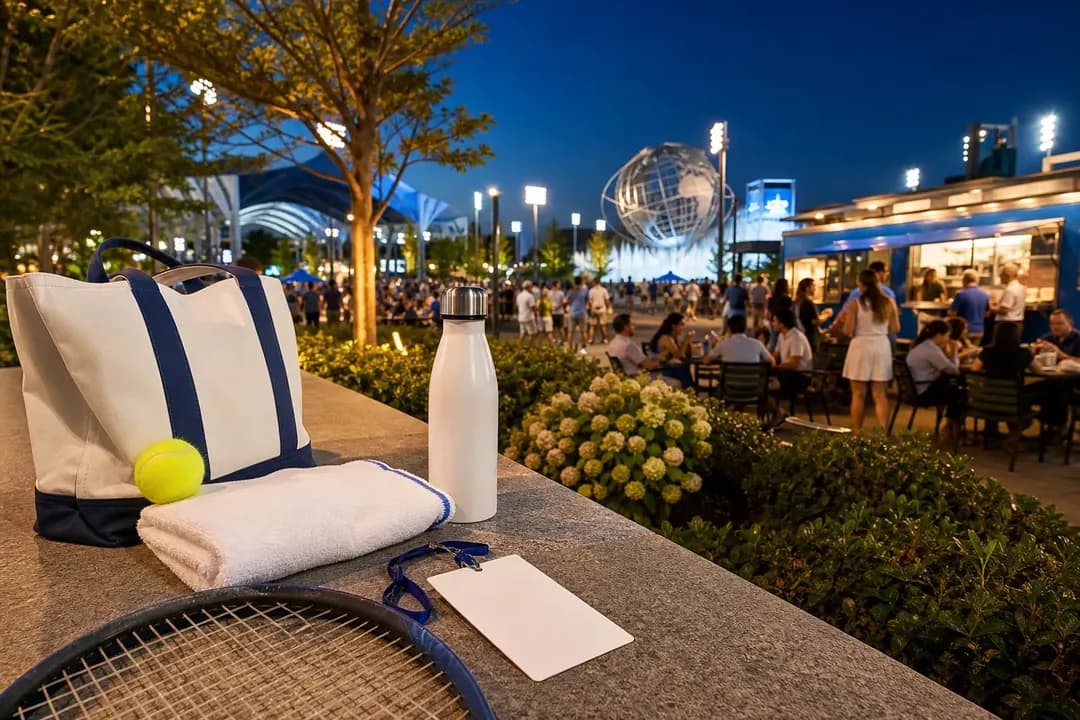
August and early September in New York can be warm and humid, but temperatures drop after sunset. Dress in layers: a breathable shirt or blouse, lightweight pants or a skirt, and a jacket or cardigan you can tie around your waist or stash in a bag. Comfortable walking shoes are essential—you will cover ground between the subway, the grounds, and your seat. Bring a small crossbody bag or backpack that meets US Open security guidelines (soft-sided, no larger than 12 x 12 x 16 inches). Sunglasses and a hat are useful if you arrive during twilight. A portable phone charger keeps you connected for transit apps, schedule updates, and photos. Avoid bringing large bags, outside food, or prohibited items; check the official plan-your-visit page for the current list.
Where to eat and pause before or after your session
Inside the tennis center, you will find food vendors, bars, and sit-down restaurants, though lines can be long and prices reflect stadium pricing. If you want a meal before you enter, explore the neighborhoods along the 7 train corridor. Jackson Heights offers diverse, affordable dining—Colombian, Ecuadorian, Indian, Tibetan, and more—within a few stops of the tennis center. Flushing's downtown, one stop past Mets-Willets Point, is packed with Chinese, Korean, and Malaysian restaurants open late. Long Island City and Court Square have newer cafés and bars if you are coming from Manhattan or Brooklyn. After a night session, many Flushing spots stay open past midnight, making it easy to grab a late bite before heading home. Confirm hours before you go, as schedules vary.
- Check the official US Open order of play the night before your visit
- Arrive 45 minutes early to clear security and find your seat
- Dress in layers—nights cool down, but stadiums can feel warm in crowds
- Bring a portable charger and keep transit apps handy
- Review the MTA US Open guide for real-time subway and LIRR updates
- Explore Jackson Heights or Flushing for pre- or post-match meals
- If you want to watch meteors after tennis, plan a trip to a darker spot outside the stadium
- Respect park hours, neighborhood quiet, and public space rules
Combining tennis and meteor watching in Queens
Stadium lights make meteor-watching impossible inside the tennis center, but if you are motivated, you can plan a post-match trip to a darker location. Flushing Meadows Corona Park itself has open fields, though ambient light from nearby streets and the stadium reduces visibility. For better viewing, consider traveling east to less-developed parts of Queens or out to Long Island. Fort Totten Park in Bayside offers darker skies and waterfront access, about 20 minutes by car from Flushing. If you are willing to travel farther, Jones Beach or Robert Moses State Park on Long Island provide wide-open beach views with less light pollution, though you will need a car or rideshare. Always check park hours, weather, and safety conditions before heading out after midnight. Meteor showers are best viewed between midnight and dawn, so plan accordingly and travel with others.
Respectful fan behavior and public space etiquette
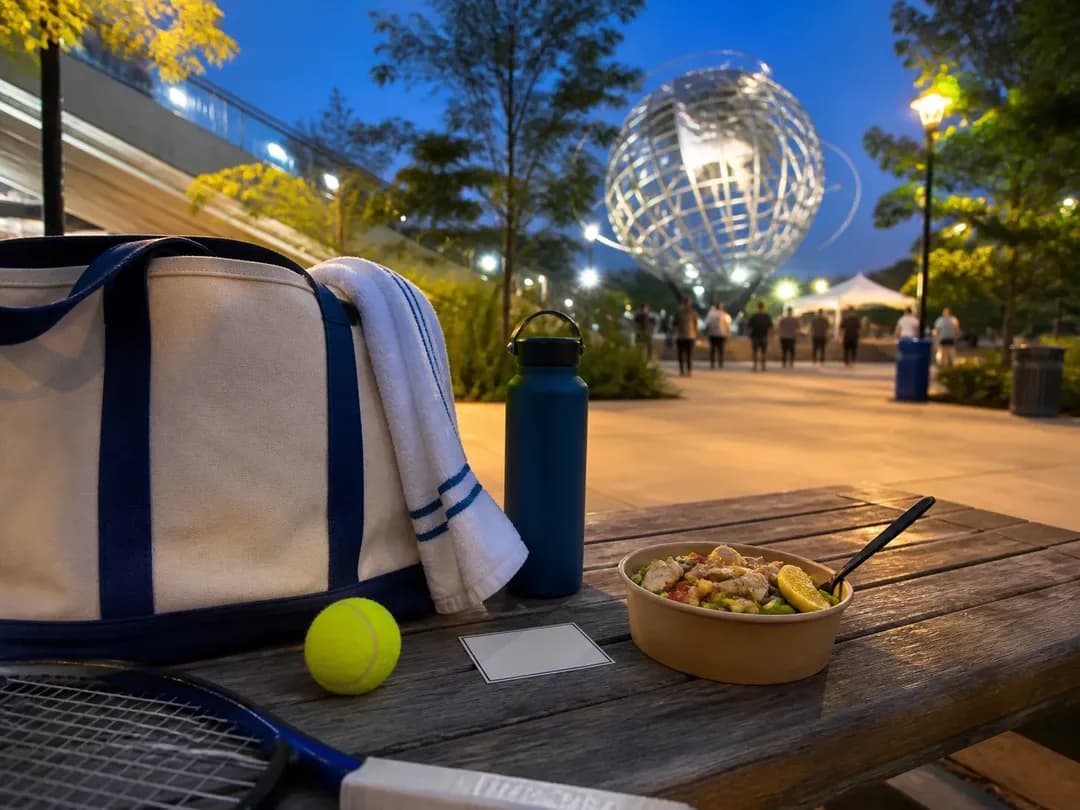
The US Open draws hundreds of thousands of visitors, and the surrounding neighborhoods feel the impact. Be mindful of noise, trash, and crowding, especially late at night. Use designated crosswalks, follow park rules, and respect residential streets in Corona, Jackson Heights, and Flushing. If you are stopping for food or drinks, tip service workers fairly and be patient during busy hours. On public transit, offer seats to those who need them and keep aisles clear. If you are taking photos, avoid blocking pathways or disturbing other fans. The tournament is a celebration, but it happens in a living, working community. Thoughtful behavior makes the experience better for everyone and ensures you are welcome back.
US Open® is a registered trademark of the United States Tennis Association. This guide is published independently by Karpo and is not affiliated with or endorsed by the USTA, the US Open, or the MTA.
Tags: #USOpen2026 #Queens #FlushingMeadows #KarpoFinds #Karpo #TennisTravel #NYCLocalLife #FanWeek #USTennis #NewYorkGuide #whenisthemeteorshower #Buzz
All trademarks are the property of their respective owners.
Ask Karpo first
Want to know what is actually open, how to time the trip, and where to pause around Queens? Ask Karpo for the latest public US Open context, a respectful visitor plan, and a live route around Flushing Meadows before you head out.
Ask Karpo for more information.
Keep reading
- Where to Eat Near Penn Station That Isn't a Chain
 Andytown Coffee in the Outer Sunset: The Snowy Plover Explained
- Best Things to Do in Chicago: What the City Gives Away