 Where to Eat Near Penn Station That Isn't a Chain
US Open 2026
Severe Thunderstorm Watch Launch Plan For US Open 2026 Late Night Watch NYC
How to plan a safe, flexible late-night visit to the US Open in Queens when severe weather threatens match schedules and transit
The US Open is New York's late-summer tennis tradition, but August and early September also bring the city's most volatile weather. Severe thunderstorm watches can roll in during evening sessions, halting play, closing Arthur Ashe Stadium's roof, and stranding thousands of fans across Flushing Meadows Corona Park. If you're planning a late-night visit to the 2026 US Open—running August 23 through September 13, with Fan Week August 23–29 and the main draw starting August 30—you need more than a ticket and a subway card. You need a weather-aware strategy that respects the tournament's schedule, the park's layout, and the reality that severe weather can change your night in minutes.
Text Karpo your match session, neighborhood start point, and appetite, and we will turn this NYC late night watch into a live Queens plan.
What a severe thunderstorm watch means for US Open night sessions
A severe thunderstorm watch means conditions are favorable for storms with damaging wind, hail, or frequent lightning. It is not a guarantee of bad weather, but it is a signal to stay alert. The US Open's evening sessions typically begin at 7:00 PM, and matches on Arthur Ashe Stadium—the only court with a retractable roof—can continue during rain. But lightning protocols require all outdoor courts to close, and fans on the grounds must seek indoor shelter. If a watch is issued during your planned visit, expect delays, crowded concourses, and possible suspension of play on Louis Armstrong Stadium and the outer courts. Check the official US Open app and USOpen.org for real-time match status, and monitor the National Weather Service for watch upgrades to warnings.
Timing your arrival and departure around weather windows
If a severe thunderstorm watch is active, aim to arrive earlier in the evening session window—closer to 6:00 or 6:30 PM—so you have time to settle, locate indoor shelter options, and understand the grounds layout before weather hits. The Billie Jean King National Tennis Center is large, and navigating it in a downpour or during a lightning delay is stressful. Identify covered areas near your ticketed court: the main concourses under Arthur Ashe and Louis Armstrong, the food halls, and the merchandise pavilions. For departure, avoid the rush immediately after a weather delay ends. Thousands of fans will flood the 7 train platform at Mets–Willets Point at once. If you can wait 20 minutes, the crush eases. Check the MTA's US Open transit guide at new.mta.info/guides/stadiums/us-open for service alerts and alternative routes via the Long Island Rail Road.
Where to shelter and regroup during a lightning delay
- Arthur Ashe Stadium concourses: Multiple levels, food vendors, restrooms, and seating areas under cover.
- Louis Armstrong Stadium interior: Enclosed seating bowl with climate control and concessions.
- South Plaza food village: Covered dining areas and vendor stalls with overhead protection.
- Merchandise pavilion: Large indoor space near the main entrance with air conditioning.
- Grandstand concourse: Smaller but accessible, with shade and seating.
- Avoid open-air seating, practice courts, and the park's outer pathways during active lightning.
Getting to and from Flushing Meadows on a stormy night
The 7 train is the primary transit artery for the US Open, running from Manhattan through Long Island City, Woodside, Jackson Heights, and Corona to the Mets–Willets Point station. During severe weather, service can slow due to signal issues or flooding on elevated tracks. Before you leave, check the MTA's live service status and consider the LIRR as a backup—it stops at the same station and runs express from Penn Station and Atlantic Terminal. If you're driving, parking at Citi Field lots fills early on popular match nights, and heavy rain can create backups on the Grand Central Parkway and Northern Boulevard. Ride-share pickup zones are located near the South Gate, but surge pricing spikes during weather delays when everyone tries to leave at once. Plan flexibility into your departure time, and keep a portable charger for your phone.
What to bring and wear for a weather-uncertain night
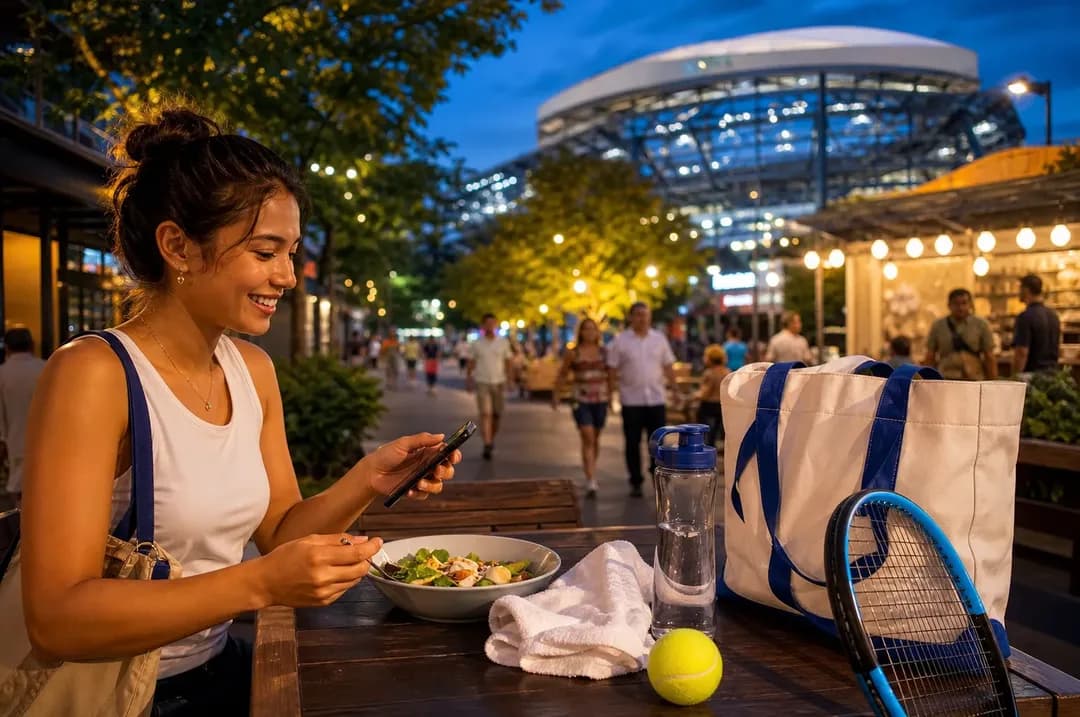
Pack light but smart. A compact rain jacket or poncho is essential—disposable ponchos are sold on-site, but they tear easily and cost more than bringing your own. Wear closed-toe shoes with grip; the grounds become slippery during rain, and you may be walking on wet concrete for extended periods. Bring a small, collapsible umbrella, but know that umbrellas are not allowed in seating areas during play. A portable phone charger is critical for checking match updates, transit alerts, and weather radar. Sunscreen and a hat are still useful for early-evening sun before storms arrive. The US Open allows one factory-sealed water bottle per person, and refill stations are available throughout the grounds. Avoid bringing large bags—security lines slow during weather delays, and bag check is limited.
Respectful fan behavior during delays and crowded conditions
Weather delays test patience, but they also reveal character. If you're sheltering in a concourse or food area, be mindful of space—don't block walkways or hoard seating. Venue staff and security are managing thousands of people in tight conditions; follow their directions without argument. If play resumes and you're returning to your seat, move quickly and quietly, especially during a point. Flash photography and loud conversation during play are prohibited. If you're on the grounds with children, keep them close during delays—crowds surge unpredictably, and it's easy to lose sight of someone in a packed concourse. If you decide to leave early due to weather, exit calmly and check the US Open app for any rescheduled matches or ticket policies related to weather cancellations.
Checking conditions before you go and staying flexible
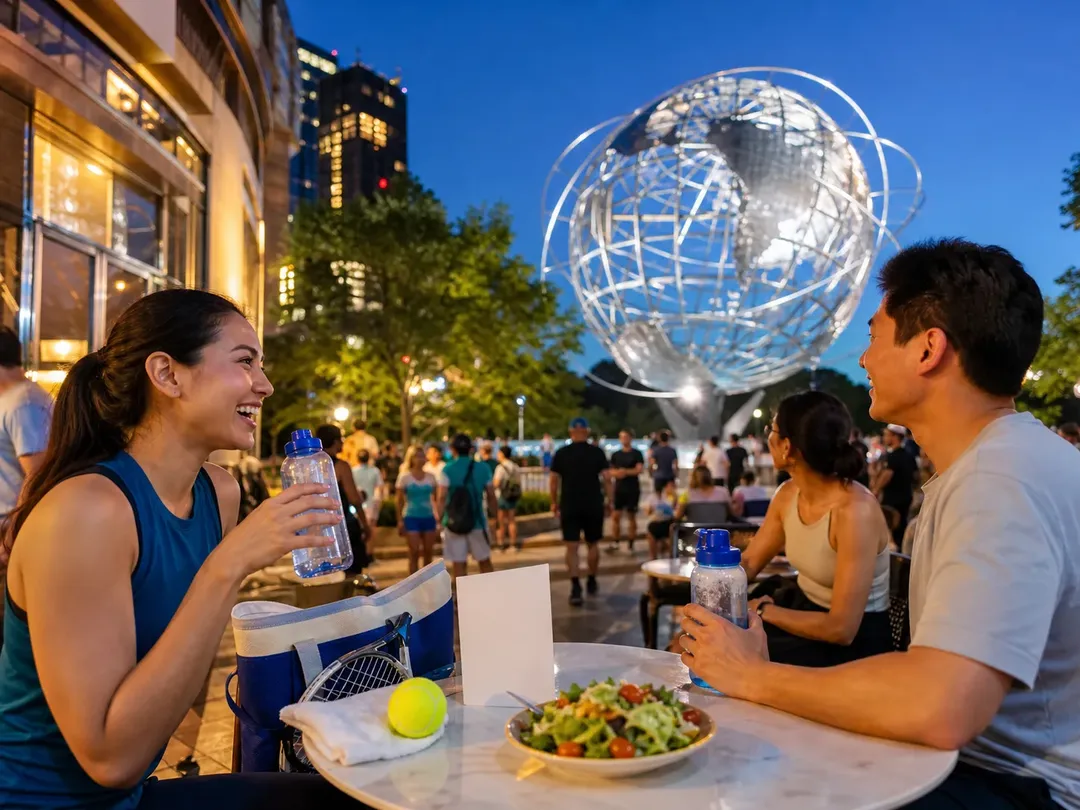
The best severe weather plan is a flexible one. On the day of your visit, check the National Weather Service forecast for Flushing and Queens, and monitor the US Open's official social media channels for any schedule changes. If a severe thunderstorm watch is issued in the afternoon, consider whether you're comfortable with possible delays, crowded shelter conditions, and a late return home. The US Open's ticket policies vary by session and weather impact—review the FAQs on USOpen.org for guidance on rain checks and refunds. If you're visiting from outside New York, build buffer time into your trip. A two-hour weather delay can turn a 10:00 PM departure into a midnight scramble. The tournament is worth the effort, but only if you plan for the variables that come with late-summer weather in New York.
Karpo is a trademark of Karpo Inc. All recommendations are editorial and based on publicly available information. Always verify hours, access, and safety conditions before travel.
Tags: #USOpen2026 #Queens #FlushingMeadows #KarpoFinds #Karpo #TennisTravel #NYCLocalLife #FanWeek #USTennis #NewYorkGuide #severethunderstormwatch #Buzz
All trademarks are the property of their respective owners.
Ask Karpo first
Want to know what is actually open, how to time the trip, and where to pause around Queens? Ask Karpo for the latest public US Open context, a respectful visitor plan, and a live route around Flushing Meadows before you head out.
Ask Karpo for more information.
Keep reading
- Where to Eat Near Penn Station That Isn't a Chain
 Andytown Coffee in the Outer Sunset: The Snowy Plover Explained
- Best Things to Do in Chicago: What the City Gives Away