 Where to Eat Near Penn Station That Isn't a Chain
US Open 2026
Weather Radar Field Notes For US Open 2026 Coffee Route Queens
How to plan a coffee-fueled Queens route when weather radar matters as much as your match ticket during US Open 2026.
The US Open runs August 23 through September 13, 2026, with Fan Week kicking off August 23 and the main draw beginning August 30. That means three weeks of tennis, crowds, and weather watching in Queens. If you are planning a coffee route that threads through Flushing Meadows, Corona, Jackson Heights, and Long Island City before or after a match, weather radar becomes your quiet co-pilot. Late August and early September in New York bring heat, humidity, and sudden afternoon storms that can turn a leisurely walk into a scramble for cover. A smart route respects the forecast, builds in indoor backup stops, and keeps your phone charged for live radar checks. This guide helps you plan a Queens coffee route that works with the weather, not against it, so you can enjoy the neighborhood energy without getting caught in a downpour halfway between the 7 train and your seat.
Text Karpo your match session, neighborhood start point, and appetite, and we will turn this Queens coffee route into a live Queens plan.
Why weather radar matters for a Queens coffee route during US Open
Weather radar is not just for storm chasers. During US Open season, it is a practical tool for anyone planning to walk, eat, and explore Queens before or after a match. Late summer weather in New York can shift fast: clear skies at noon, thunderheads by three, sunshine again by five. If your coffee route takes you from Long Island City through Jackson Heights to Flushing Meadows, you might cover two miles on foot with limited awning cover. Checking radar an hour before you leave and again when you finish your first stop helps you decide whether to linger indoors, speed up your walk, or reroute through a neighborhood with more indoor options. The goal is not to avoid weather entirely but to plan around it so a surprise storm does not derail your whole pre-match routine.
Building a weather-aware coffee route through Queens
Start by choosing anchor stops with indoor seating and flexible timing. A coffee shop in Long Island City, a bakery in Jackson Heights, and a sit-down spot in Flushing give you three natural pause points where you can check radar, charge your phone, and adjust your pace. If morning radar shows storms likely between two and four, plan your outdoor walking for late morning and save your longest indoor stop for early afternoon. If skies look clear all day, you can take your time, add a park detour, or explore side streets without pressure. The 7 train corridor offers dense, walkable blocks with plenty of awnings, doorways, and quick-access transit if weather turns. Use that density to your advantage: every few blocks, you have another option to duck inside, regroup, and decide your next move.
What to carry for a weather-flexible Queens walk
- A compact umbrella that fits in your bag without adding bulk or weight
- A charged phone with a weather radar app and offline map access for the 7 train corridor
- A light rain jacket or windbreaker that layers easily and dries fast
- A reusable water bottle to stay hydrated during humid stretches between stops
- A small towel or bandana for wiping down wet seats or drying off after a quick storm
- Cash for coffee shops or food carts that may not take cards during busy match days
- A backup plan: know which subway entrances are closest to your current block
Timing your route around match sessions and weather windows
US Open sessions typically start mid-morning and early evening, with the biggest crowds arriving an hour before first serve. If you are attending a day session, consider starting your coffee route early—around eight or nine—when weather is usually calmer and cafes are less crowded. This gives you time to enjoy two or three stops, check radar again, and arrive at Flushing Meadows with margin to spare. For evening sessions, plan your route for late afternoon, after the peak heat and any pop-up storms have passed. Weather radar helps you spot those narrow windows of clear sky between systems, so you can walk comfortably and arrive dry. Always build in an extra thirty minutes for weather delays, crowded trains, or an unexpected detour to a new bakery you spot along the way.
Neighborhood stops that work as weather shelters
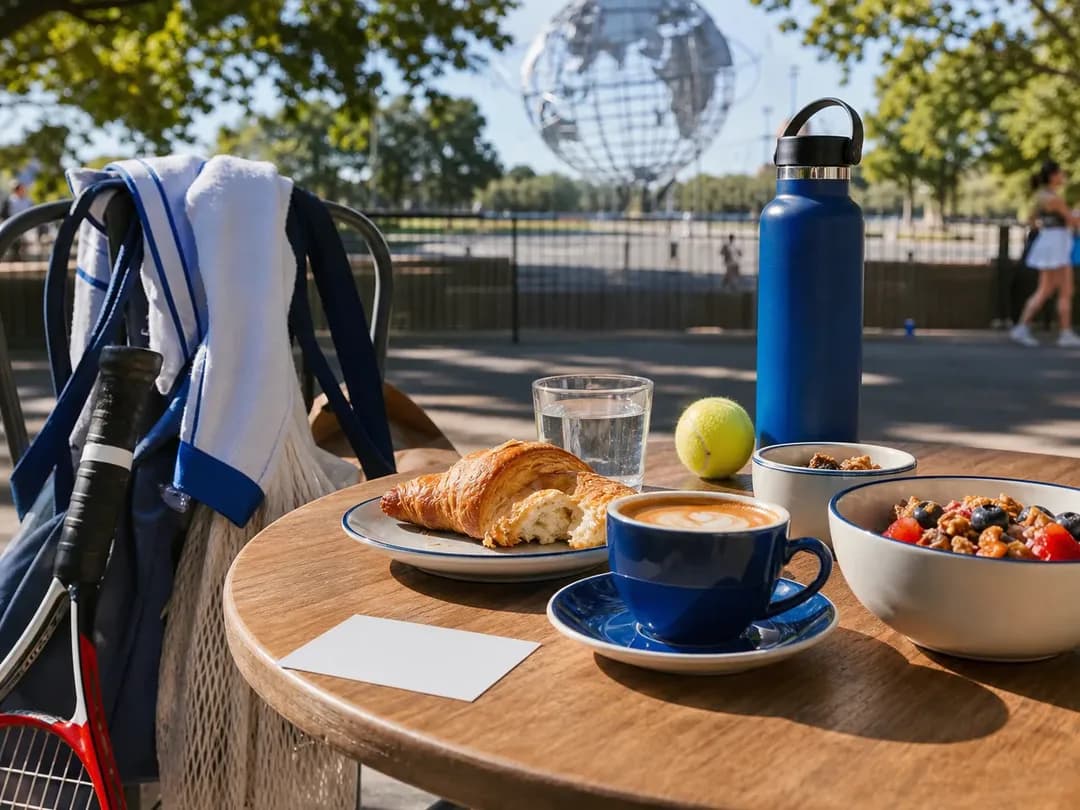
Queens is full of cafes, bakeries, and small restaurants that double as comfortable weather shelters. In Long Island City, look for spots near the Vernon Boulevard-Jackson Avenue or Court Square stations with big windows and counter seating where you can watch the sky. In Jackson Heights, the blocks around Roosevelt Avenue offer dense clusters of food options, many with indoor seating and air conditioning. In Flushing, the area around Main Street and the Flushing Library provides covered sidewalks, shopping arcades, and sit-down restaurants where you can wait out a storm without feeling rushed. Corona has smaller, family-run spots along Roosevelt Avenue and Corona Plaza that welcome lingering customers. Treat these stops as flexible anchors: if weather shifts, you have a comfortable place to pause, check radar, and decide whether to continue walking or take the train the rest of the way.
What to do if weather changes mid-route
If radar shows a storm moving in while you are between stops, do not panic. Look for the nearest subway entrance, awning, or open business. The 7 train runs frequently during US Open weeks, and you can hop on at any station to skip a few blocks or ride straight to Mets-Willets Point. If you are caught in light rain, many Queens cafes and delis are used to customers ducking in to wait it out—just buy something small and be respectful of the space. If storms look severe or long-lasting, consider shifting your route indoors entirely: spend more time in a sit-down restaurant, visit the Queens Museum or Queens Botanical Garden if they are open, or take the train directly to the US Open and explore the grounds instead. Flexibility is the key. Weather radar gives you information, but your willingness to adjust your plan is what keeps the day enjoyable.
Respectful visitor habits for a busy Queens neighborhood
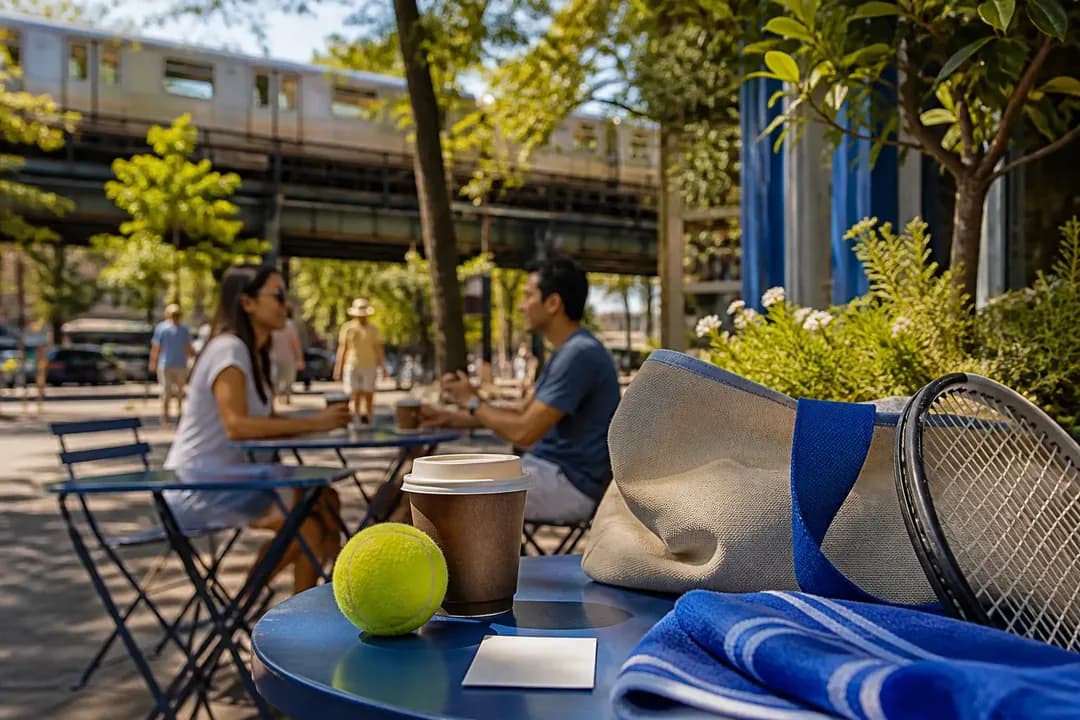
US Open weeks bring thousands of visitors to Queens, and the neighborhoods around Flushing Meadows are home to working families, small businesses, and daily routines that continue regardless of the tournament. Be a respectful guest: do not block sidewalks for photos, keep your voice down in residential blocks, and buy something if you use a cafe or restaurant as a weather shelter. Tip service workers well, especially during the rush. If you are using a business bathroom, make a purchase first. Keep trash with you until you find a proper bin, and do not leave wet umbrellas or bags blocking aisles or doorways. These small courtesies help ensure that local businesses welcome US Open visitors year after year and that the neighborhood remains a pleasant place to explore, rain or shine.
Karpo is a trademark of Karpo Inc. All recommendations are editorial and based on publicly available information. Always confirm hours, availability, and weather conditions before you travel.
Tags: #USOpen2026 #Queens #FlushingMeadows #KarpoFinds #Karpo #TennisTravel #NYCLocalLife #FanWeek #USTennis #NewYorkGuide #weatherradar #Buzz
All trademarks are the property of their respective owners.
Ask Karpo first
Want to know what is actually open, how to time the trip, and where to pause around Queens? Ask Karpo for the latest public US Open context, a respectful visitor plan, and a live route around Flushing Meadows before you head out.
Ask Karpo for more information.
Keep reading
- Where to Eat Near Penn Station That Isn't a Chain
 Andytown Coffee in the Outer Sunset: The Snowy Plover Explained
- Best Things to Do in Chicago: What the City Gives Away