 Where to Eat Near Penn Station That Isn't a Chain
US Open 2026
Indiana Fever Field Notes For US Open 2026 Shade Break Night Session
How to plan a respectful, comfortable shade break during night session at the 2026 US Open in Queens
Night session at the US Open brings cooler air, dramatic lighting, and a different energy to the Billie Jean King National Tennis Center—but even evening matches stretch long, and knowing where to find shade, water, rest, and a moment to regroup makes the difference between a memorable visit and an exhausting one. The 2026 US Open runs August 23 through September 13, with Fan Week from August 23–29 and the main draw starting August 30. Whether you are arriving via the 7 train to Mets–Willets Point, walking through Flushing Meadows Corona Park, or planning a pre-match stop in Jackson Heights or Long Island City, this guide helps you build a practical, comfortable night session plan that respects the event, the neighborhood, and your own stamina.
Text Karpo your match session, neighborhood start point, and appetite, and we will turn this Night Session shade break into a live Queens plan.
Understanding night session timing and shade strategy
Night sessions typically begin around 7:00 PM, but gates open earlier and matches can run past midnight depending on the draw. Even after sunset, the concrete plaza, metal seating, and stadium lighting hold heat, and crowded concourses offer little airflow. Plan your shade breaks before you feel overheated: scope out covered walkways, tree-lined paths in Flushing Meadows Corona Park just outside the grounds, and indoor food halls or merchandise areas where you can sit, hydrate, and cool down. Check the official US Open app or USOpen.org for real-time match schedules and weather updates, and build buffer time into your evening so a long match or a rain delay does not leave you stranded without a backup plan.
Transit timing and arrival strategy for night session
The 7 train is the primary transit route to the US Open, running from Manhattan through Long Island City, Woodside, Jackson Heights, and Corona to the Mets–Willets Point station. Service increases during the tournament, but evening rush hour and event crowds overlap, so aim to arrive at least 90 minutes before your session starts. The MTA publishes a dedicated US Open transit guide at new.mta.info with service alerts, accessible station details, and alternative bus routes. If you are driving, parking at Citi Field or nearby lots fills quickly; confirm availability and payment methods in advance. Leaving after a late match means navigating tired crowds and reduced train frequency, so check the last train time and consider a rideshare pickup point away from the main gate to avoid congestion.
Shade, rest, and hydration inside the grounds
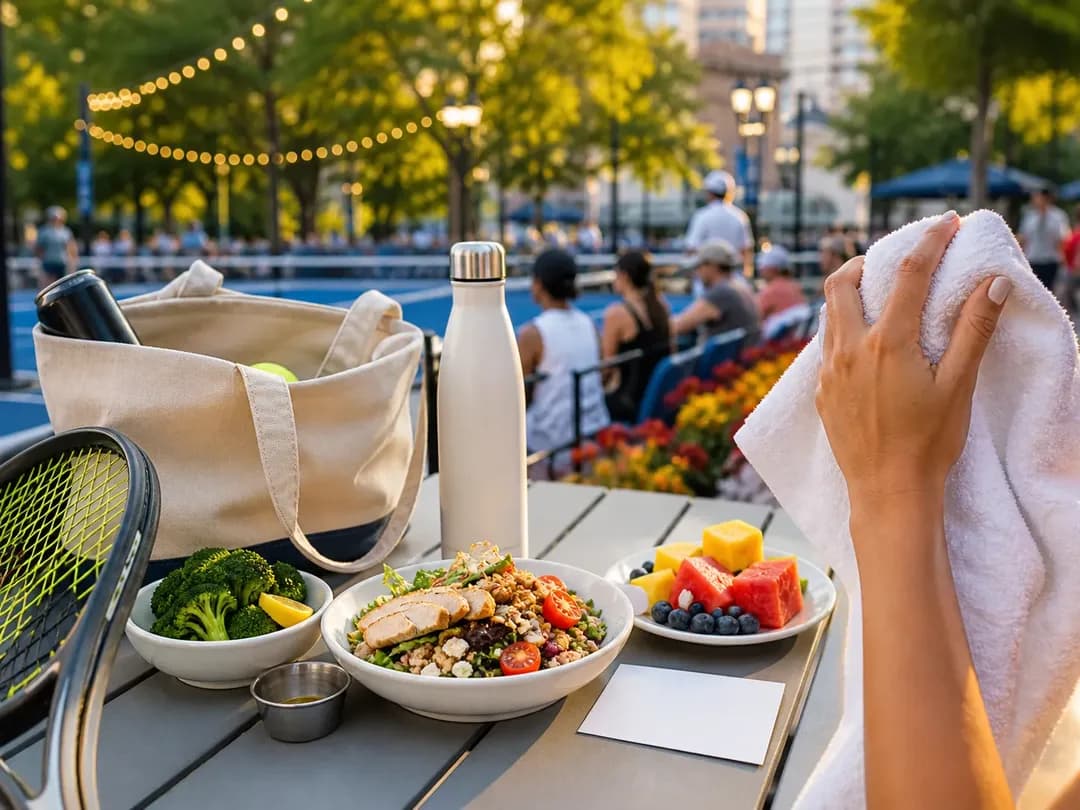
Inside the Billie Jean King National Tennis Center, shaded seating is limited, so bring a hat, sunglasses, and a refillable water bottle—hydration stations are available throughout the grounds. Between matches, move to the covered concourses near the food vendors, or step into the air-conditioned merchandise pavilion or hospitality areas if accessible with your ticket. The Grandstand and Louis Armstrong Stadium offer more shade than Arthur Ashe Stadium's upper bowl, and the practice courts area often has tree cover and benches where you can watch warm-ups while resting. Do not wait until you are dizzy or cramping to take a break; night session or not, August and early September in New York can be humid, and dehydration sneaks up quickly in a crowd.
Pre-match food and neighborhood stops in Queens
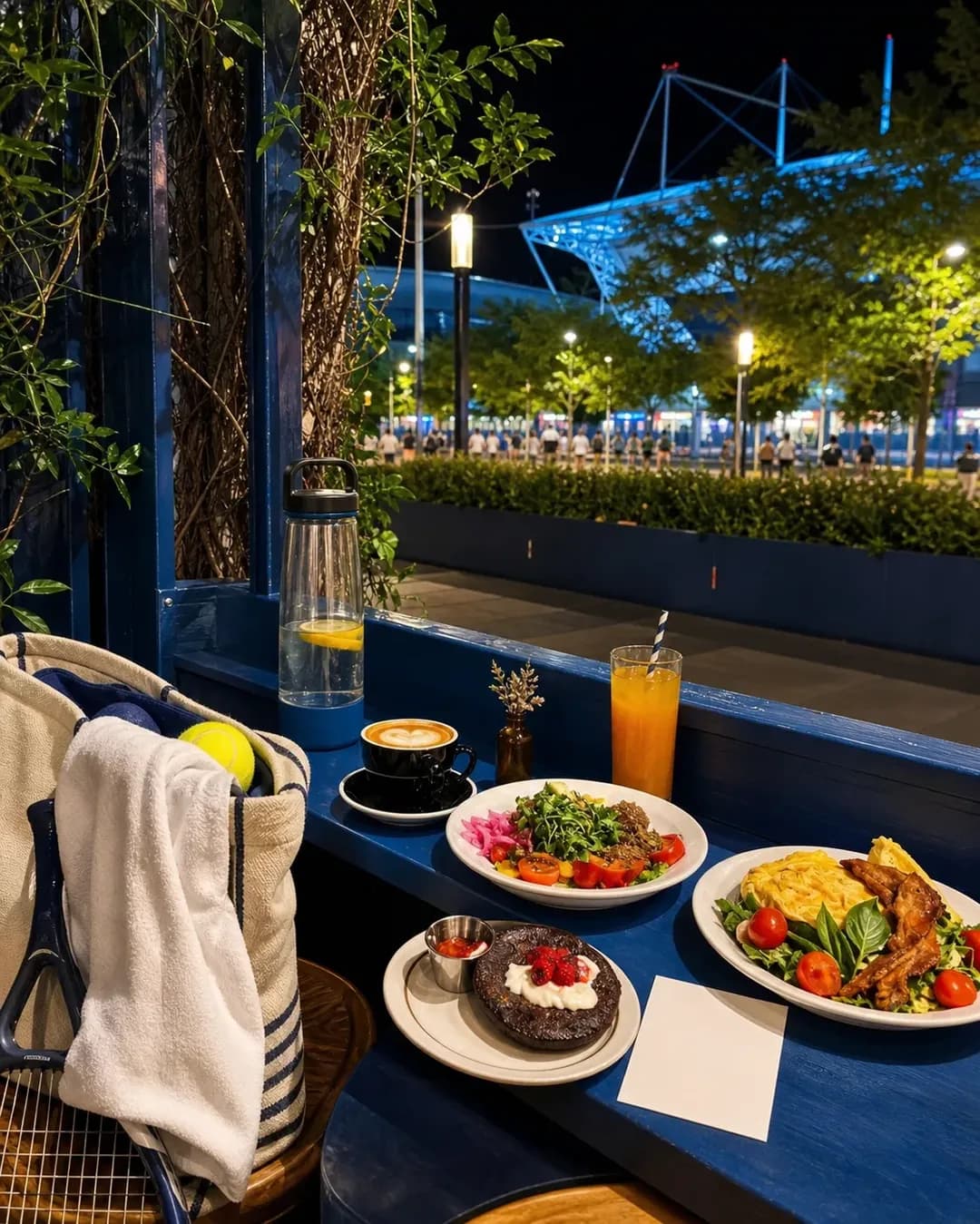
Arriving early gives you time to eat well and affordably before entering the grounds, where food prices are higher and options more limited. Jackson Heights, a short 7 train ride away, offers Colombian, Tibetan, Indian, and Mexican restaurants along Roosevelt Avenue and 74th Street. Corona has Mexican bakeries, taco trucks, and the historic Lemon Ice King of Corona on 108th Street. Flushing, a few stops past the stadium, is home to dense Asian food courts, hand-pulled noodles, and late-night dim sum, though it is better suited for a post-match stop if you have energy. Long Island City, closer to Manhattan, has waterfront parks and cafés if you want a quieter pre-event pause. Confirm hours and cash-or-card policies before you go, and budget extra time for sit-down meals during tournament weeks when neighborhood spots see higher traffic.
Flushing Meadows Corona Park as a shade and rest resource
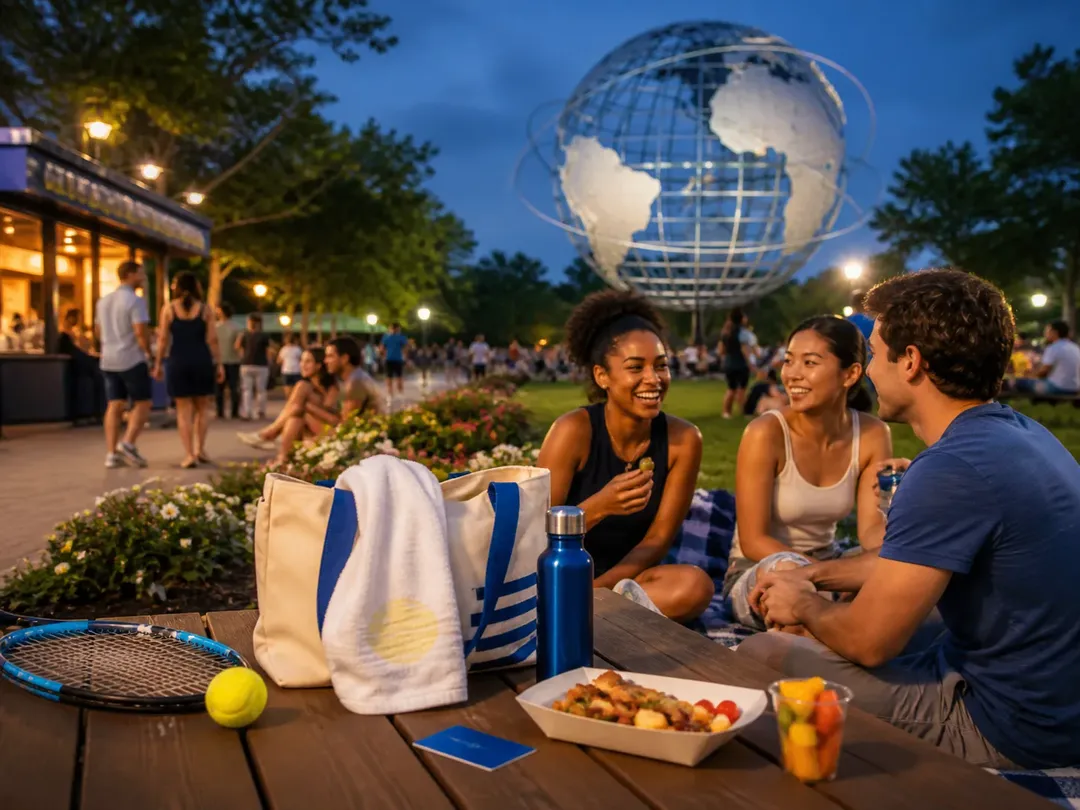
Flushing Meadows Corona Park surrounds the tennis center and offers free, open green space, tree cover, playgrounds, and the iconic Unisphere. If you need a longer break or arrive very early, walk the park paths, sit under a tree near Meadow Lake, or explore the Queens Museum or New York Hall of Science if they are open. The park is managed by NYC Parks, and nycgovparks.org provides maps, event calendars, and facility details. Restrooms and water fountains are available but not always well-marked, so plan accordingly. The park is also a popular spot for local families, joggers, and picnics, so be respectful of shared space, dispose of trash properly, and keep noise levels considerate, especially if you are in a large group.
- Check USOpen.org and the US Open app for live match schedules, weather alerts, and gate opening times before you leave
- Arrive 90 minutes early for night session to account for 7 train crowds and security lines
- Bring a refillable water bottle, hat, portable phone charger, and a light layer for air-conditioned spaces
- Scope out shaded concourses, indoor pavilions, and tree-covered areas in Flushing Meadows Corona Park for rest breaks
- Eat before entering the grounds in Jackson Heights, Corona, or Long Island City to save money and time
- Confirm last train times and rideshare pickup zones if your match runs late
- Respect park space, dispose of trash properly, and keep noise levels considerate in shared public areas
Respectful fan behavior and photo etiquette
The US Open attracts fans from around the world, and courtside etiquette matters: silence your phone, stay seated during points, and do not call out during play. If you are hoping to photograph players, practice courts and walkways between matches are your best bet, but do not block pathways, chase athletes, or interrupt their routines. The tournament has designated photo spots and social media backdrops; use those instead of crowding restricted areas. In the surrounding neighborhoods, be mindful that you are a guest—do not block sidewalks, photograph strangers without permission, or treat local businesses as mere backdrops. Queens is a working, residential borough, and respectful visitors are always welcome back.
Weather, backup plans, and check-before-you-go habits
Late August and early September in New York can bring thunderstorms, humidity, or surprise heat waves, and rain delays are common. Arthur Ashe Stadium has a retractable roof, but other courts do not, and matches can be suspended or rescheduled. Check the forecast before you leave, and have a backup plan: a café with wifi, a museum visit, or a neighborhood walk if play is delayed. Do not rely on tournament staff or neighborhood businesses for emergency medical advice, lost item recovery, or last-minute ticket changes—handle those through official US Open guest services or your own preparation. Confirm your ticket type, entry gate, and any bag restrictions on USOpen.org, and save offline maps and contact info in case cell service is slow in the crowd.
Karpo is an independent travel tool and is not affiliated with, endorsed by, or connected to the US Open, the USTA, the MTA, NYC Parks, or any business mentioned in this article. All names, events, and locations are referenced for practical planning only.
Tags: #USOpen2026 #Queens #FlushingMeadows #KarpoFinds #Karpo #TennisTravel #NYCLocalLife #FanWeek #USTennis #NewYorkGuide #indianafever #Buzz
All trademarks are the property of their respective owners.
Ask Karpo first
Want to know what is actually open, how to time the trip, and where to pause around Queens? Ask Karpo for the latest public US Open context, a respectful visitor plan, and a live route around Flushing Meadows before you head out.
Ask Karpo for more information.
Keep reading
- Where to Eat Near Penn Station That Isn't a Chain
 Andytown Coffee in the Outer Sunset: The Snowy Plover Explained
- Best Things to Do in Chicago: What the City Gives Away