 Where to Eat Near Penn Station That Isn't a Chain
US Open 2026
Chicago Ohare Flight Delays Launch Plan For US Open 2026 Second Screen Spot NYC
How flight uncertainty is shaping smarter second-screen planning for the 2026 US Open in Queens
When Chicago O'Hare flight delays ripple across the country, they remind travelers of a simple truth: the best plans leave room for the unexpected. That lesson applies just as much to a tennis tournament as it does to an airport connection. The 2026 US Open runs August 23 through September 13 at the USTA Billie Jean King National Tennis Center in Flushing Meadows Corona Park, with Fan Week kicking off August 23–29 and the main draw beginning August 30. Whether you're flying in, taking the 7 train from Manhattan, or starting your day in Jackson Heights, building a second-screen spot—a flexible, real-time plan you can adjust on the fly—turns uncertainty into confidence. This is about knowing your backup routes, your weather shelters, your food stops, and your photo moments before you leave home, so that when plans shift, you're already three steps ahead.
Text Karpo your match session, neighborhood start point, and appetite, and we will turn this NYC second screen spot into a live Queens plan.
Why flight delays shape smarter US Open planning
Flight delays at hubs like Chicago O'Hare don't just affect travelers in the Midwest—they cascade into arrival times, hotel check-ins, and first-day itineraries across the country. For fans heading to the 2026 US Open, that means rethinking rigid schedules. Instead of locking in a single session time and a single route, consider building a flexible window: an earlier train option, a nearby café where you can wait comfortably, and a backup plan if weather or crowding shifts your timeline. The US Open is a multi-week event, and the grounds are large enough to absorb delays gracefully if you know where to pause, regroup, and recalibrate. This is the second-screen mindset—treating your phone not as a distraction, but as a live planning tool that helps you adapt without stress.
Getting to Flushing Meadows: the 7 train and beyond
The 7 train is the most popular route to the US Open, running from Times Square and Grand Central directly to Mets–Willets Point station, steps from the tournament entrance. The MTA typically adds extra service during the event, but crowding is common, especially during evening sessions and weekends. If you're starting in western Queens—Long Island City, Astoria, or Sunnyside—consider taking the subway to a less-crowded 7 train stop like 61st Street–Woodside or Junction Boulevard, then boarding there. If you're driving, parking is available on-site, but arrive early and check the US Open transportation page for real-time lot status. Ride-share drop-off zones shift year to year, so confirm the current location before you go. The key is to have two or three routing options ready, so that if one feels too packed or delayed, you can pivot without losing time.
Weather, shade, and comfort around the grounds
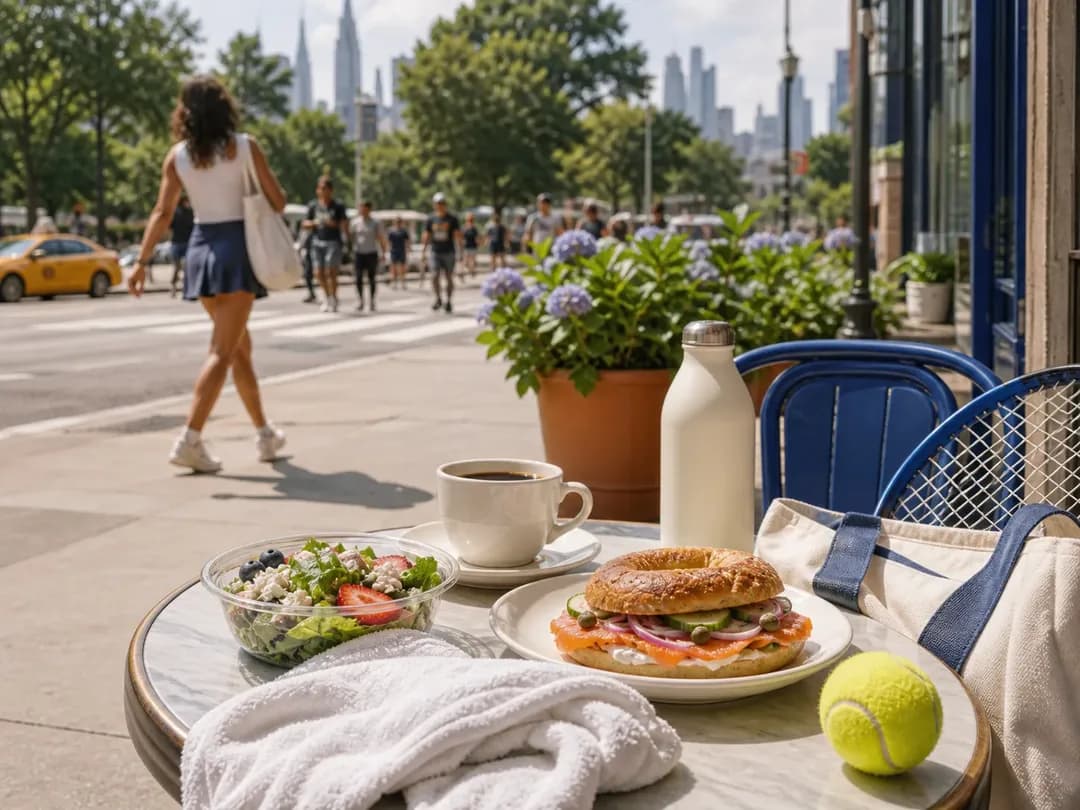
Late August and early September in Queens can bring heat, humidity, and sudden afternoon thunderstorms. The US Open grounds include both open-air and covered seating, but if you're spending the day, plan for sun and rain. Bring a hat, sunscreen, and a refillable water bottle—hydration stations are available throughout the site. If storms roll in, the Arthur Ashe Stadium retractable roof keeps play going, but outside courts may pause. Use that time to explore the covered walkways, grab a snack, or step into the air-conditioned merchandise pavilion. Flushing Meadows Corona Park itself is one of the city's largest green spaces, with shaded paths near the Unisphere and quiet benches if you need a break from the crowds. Knowing where to cool down or wait out weather makes a long day much more enjoyable.
Food, drink, and neighborhood stops
The US Open offers a wide range of food vendors, from classic ballpark fare to upscale dining options, but lines can be long during peak sessions. If you want to eat before you arrive or between sessions, the neighborhoods around Flushing Meadows are rich with options. Flushing's Main Street is a short walk or one subway stop away, packed with dim sum, noodle shops, and bakeries. Jackson Heights, a few stops west on the 7 train, offers Colombian arepas, Tibetan momos, and Indian dosas. Corona has Mexican taquerias and Ecuadorian ceviche. Arriving an hour early and eating in the neighborhood not only saves money—it also gives you a taste of Queens culture and a quieter start to your day. Just confirm hours and availability before you go, especially on weekdays when some spots may open later.
Fan Week, main draw, and session timing
- Fan Week runs August 23–29, 2026, with free and ticketed events, player practices, and family activities—check the official Fan Week page for the schedule.
- Main draw begins August 30, 2026, with day and evening sessions; night matches under the lights are especially popular.
- Grounds passes allow access to outside courts and general seating; reserved seats for Arthur Ashe and Louis Armstrong require separate tickets.
- Weekday sessions, especially early rounds, tend to be less crowded and offer more flexibility for spontaneous courtside wandering.
- Final weekend tickets are hardest to get and most expensive, so plan early if you want to attend the men's or women's finals.
- Arrive early to explore the grounds, watch warm-ups, and claim a good spot on the outside courts before the day heats up.
Photo spots and respectful fan behavior

Arthur Ashe Stadium, the Unisphere, and the colorful US Open branding throughout the grounds make for great photos, but be mindful of when and where you shoot. During matches, photography is allowed only when players are changing sides, and flash is never permitted. On the outside courts, you can move between matches, but avoid blocking sightlines or walking in front of seated fans. The plaza areas, food pavilions, and park pathways are all fair game for casual photos. If you're hoping to spot players, practice courts are your best bet during Fan Week and early-round days, but respect barriers and don't call out during play. The US Open is a major event, but it's also a shared public experience—courtesy keeps it enjoyable for everyone.
Building your live second-screen plan
A second-screen spot isn't just about having a backup—it's about treating your day as a living plan that adapts to real conditions. Before you leave, check the MTA service status, the US Open daily schedule, and the weather forecast. Save a few nearby cafés or parks in your phone so you have a place to regroup if you arrive early or need a break. Text yourself or a friend your intended route and session time, so you have a reference point if plans shift. And if something goes wrong—a delayed train, a rained-out match, a sold-out session—don't panic. Queens is full of alternatives, and the US Open runs for three weeks. Flexibility is the skill that turns a stressful day into a memorable one.
Karpo® is a registered trademark. All rights reserved. Always verify hours, availability, and transit conditions with official sources before traveling.
Tags: #USOpen2026 #Queens #FlushingMeadows #KarpoFinds #Karpo #TennisTravel #NYCLocalLife #FanWeek #USTennis #NewYorkGuide #chicagoohareflightdelays #Buzz
All trademarks are the property of their respective owners.
Ask Karpo first
Want to know what is actually open, how to time the trip, and where to pause around Queens? Ask Karpo for the latest public US Open context, a respectful visitor plan, and a live route around Flushing Meadows before you head out.
Ask Karpo for more information.
Keep reading
- Where to Eat Near Penn Station That Isn't a Chain
 Andytown Coffee in the Outer Sunset: The Snowy Plover Explained
- Best Things to Do in Chicago: What the City Gives Away