 Where to Eat Near Penn Station That Isn't a Chain
US Open 2026
Weather Storms Tornadoes Stops During US Open 2026 Airport Backup Fan Week
How to plan a flexible Fan Week visit to Flushing Meadows when weather, crowds, and airport delays reshape your US Open day
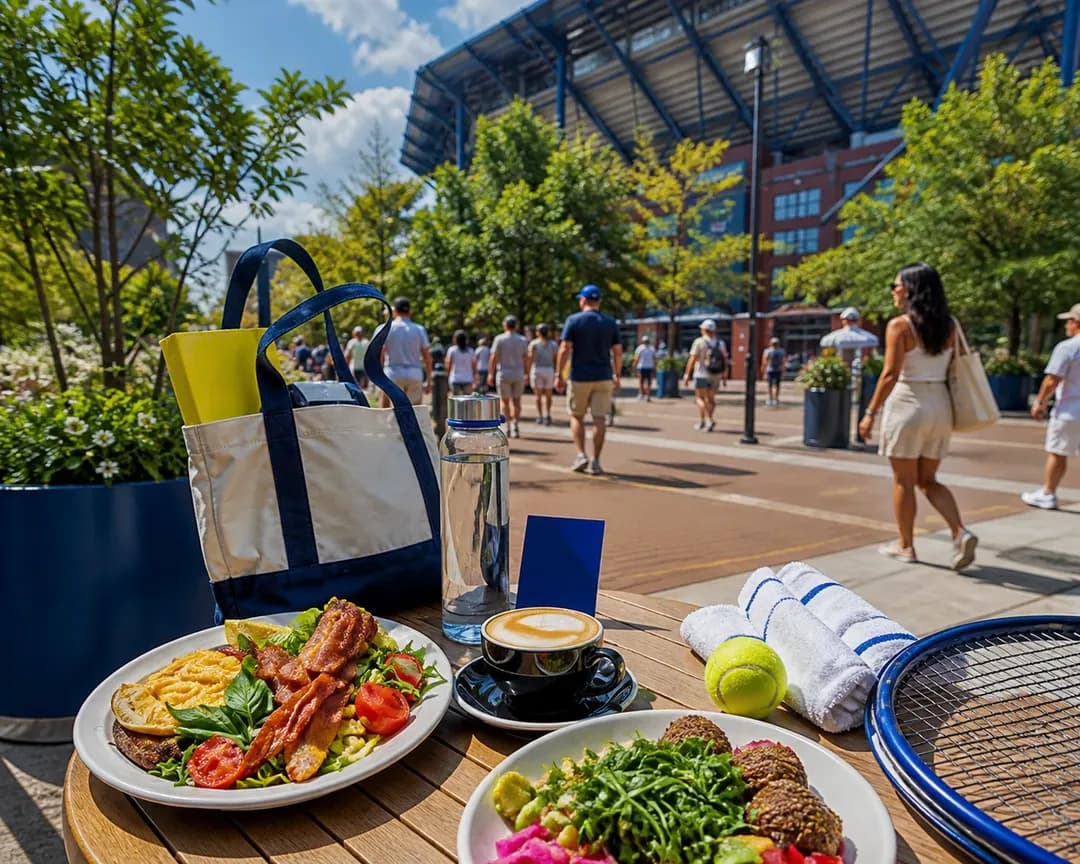
Fan Week at the 2026 US Open runs August 23–29, offering practice sessions, grounds access, and a first look at the Billie Jean King National Tennis Center before the main draw begins August 30. But late-summer weather in New York—especially thunderstorms and tornado watches—can ground flights, delay trains, and pause outdoor play. If your arrival into LaGuardia or JFK is pushed back, or if storms roll through Flushing Meadows mid-afternoon, a rigid schedule falls apart. The smarter approach is to plan around weather windows, transit alternatives, and the public spaces that make Queens a destination beyond the courts. This guide walks through how to turn an airport backup and a stormy forecast into a flexible, enjoyable Fan Week experience rooted in real conditions and official resources.
Text Karpo your match session, neighborhood start point, and appetite, and we will turn this Fan Week airport backup into a live Queens plan.
Why weather matters during Fan Week
The US Open sits in Flushing Meadows Corona Park, a wide-open expanse with limited natural cover. August in New York brings heat, humidity, and fast-moving thunderstorms that can halt play and clear the grounds. Fan Week tickets grant access to practice courts and outer courts, but those sessions pause when lightning is detected within a certain radius. If you fly in during a storm system, your airport delay may actually align with a weather hold on-site—meaning you lose less tennis time than you fear. The key is to check the hourly forecast before you leave your hotel or airport, and to have a backup plan for the two-hour window when storms typically roll through.
What to do when your flight is delayed
LaGuardia sits four miles from the tennis center; JFK is about ten. If your inbound flight is delayed by weather, use the time on the ground to refresh the US Open app, check the MTA service status, and identify which session you can realistically reach. Fan Week is more forgiving than main-draw days—grounds access often extends into early evening, and practice schedules are loose. If you land after your planned session starts, you can still catch the second half or pivot to a later window. The 7 train runs frequently from both airports via connecting subway or bus, and real-time arrival boards help you gauge whether express or local service is faster that hour.
Building a flexible Queens arrival plan
Instead of racing straight from baggage claim to the turnstiles, consider a layered arrival. Stop in Jackson Heights or Flushing for a meal—both neighborhoods sit along the 7 train corridor and offer deep benches of restaurants, bakeries, and grocery stores where you can grab snacks for the grounds. This buffer gives you a chance to check weather radar, charge your phone, and adjust your timeline. If storms are forecast for mid-afternoon, you might aim for a late-morning arrival at the tennis center, enjoy two hours of practice, then retreat to a nearby café during the downpour and return when play resumes. The official US Open transportation page and MTA guide both emphasize that the 7 train is the primary public route, and service runs every few minutes during daylight hours.
Where to wait out a storm near Flushing Meadows
- Flushing's downtown core, two stops east on the 7, has covered malls, sit-down restaurants, and the New World Mall food court
- The Queens Museum and New York Hall of Science, both inside Flushing Meadows Corona Park, offer indoor exhibits and air conditioning
- Corona Plaza, a short walk west, has covered seating and frequent food vendors, though less shelter during heavy rain
- Long Island City, a few stops west on the 7, has cafés, breweries, and waterfront parks with covered pavilions
- The Billie Jean King National Tennis Center itself has indoor concourses, but re-entry policies vary by session—check your ticket type before leaving the grounds
How to read the US Open weather policy
The US Open does not issue refunds or exchanges for weather delays, but Fan Week tickets are generally lower-cost and grant flexible access to multiple courts. If lightning pauses play, the grounds remain open and fans can move between covered concourses, shops, and food areas. Once the all-clear is given, practice resumes court by court. The official event schedule page on USOpen.org lists session times, but practice courts operate on a rolling basis—players and coaches decide when to return. Your best real-time source is the US Open app, which posts updates on court availability and weather holds. If you are planning around a specific player, remember that practice schedules are never guaranteed and can shift without notice.

Making the most of Fan Week beyond the courts
Fan Week is designed to let you explore the grounds, watch practice up close, and soak in the pre-tournament energy. If weather or airport delays compress your tennis time, treat the visit as a neighborhood day. Walk the park's perimeter, photograph the Unisphere, visit the Queens Museum, or ride the 7 train to its eastern terminus in Flushing and explore the blocks around Main Street. The MTA's US Open guide includes walking routes from the Mets–Willets Point station, and the NYC Parks page for Flushing Meadows Corona Park maps trails, playgrounds, and public restrooms. These resources help you build a fuller picture of the area, so a two-hour weather delay becomes a chance to see more of Queens rather than a lost afternoon.
What to pack for a storm-prone Fan Week day
Bring a compact umbrella, a lightweight rain jacket, and a small towel to dry off seats or bags. Sunscreen and a hat matter in the morning; a portable charger keeps your phone alive for radar checks and transit updates. The US Open allows small bags, but security screening can slow during peak entry times—pack light and keep essentials accessible. Refillable water bottles are permitted, and hydration stations are scattered across the grounds. If you are coming straight from the airport, consider stashing a change of socks and a dry shirt in your bag—wet feet and damp clothes sap energy fast during a long day outdoors.

How to stay flexible when plans shift
The best Fan Week visits are built on loose frameworks, not rigid itineraries. If your flight lands late, you skip the morning session but catch the afternoon. If storms roll in, you explore Flushing's food scene or visit a museum. If the grounds are crowded, you walk the park's outer paths and return when the rush thins. The official US Open site offers a Plan Your Visit page with maps, FAQs, and accessibility details, and the MTA guide includes service alerts and alternative routes. Bookmark both before you travel, and check them the morning of your visit. Weather apps with hourly radar—like the National Weather Service mobile site—give you a clearer picture than daily forecasts, and the US Open app pushes notifications when play resumes after a delay.
Karpo is a trademark of Karpo Inc. This article is for informational purposes only and does not guarantee athlete appearances, specific weather conditions, or real-time transit accuracy. Always confirm schedules, policies, and safety guidance through official sources before traveling.
Tags: #USOpen2026 #Queens #FlushingMeadows #KarpoFinds #Karpo #TennisTravel #NYCLocalLife #FanWeek #USTennis #NewYorkGuide #weatherstormstornadoes #Buzz
All trademarks are the property of their respective owners.
Ask Karpo first
Want to know what is actually open, how to time the trip, and where to pause around Queens? Ask Karpo for the latest public US Open context, a respectful visitor plan, and a live route around Flushing Meadows before you head out.
Ask Karpo for more information.
Keep reading
- Where to Eat Near Penn Station That Isn't a Chain
 Andytown Coffee in the Outer Sunset: The Snowy Plover Explained
- Best Things to Do in Chicago: What the City Gives Away