 Haaland Has Seven Goals and Norway Runs Entirely Through Him
⚽️2026 FIFA WORLD CUP

Two Slow Days in Mexico City During World Cup Summer
Two slow days in Mexico City during World Cup summer reveal the capital's true rhythm—tacos in Coyoacán, shaded walks through Roma, and Centro Histórico without the crush.
The Capital Exhales While the World Looks North
June 2026 brings an unusual quiet to Mexico City. The 48-team World Cup is unfolding across the United States, Canada, and Mexico from June 11 through July 19, with the final at MetLife Stadium in New Jersey. Estadio Azteca will host matches, but the tournament's gravitational pull has shifted north—semifinals in Arlington and Atlanta, the climactic match in East Rutherford. The result is a capital that feels less like a host city and more like itself: unhurried, generous, alive in the margins.
Two easy days in Mexico City? Ask Karpo how to soak up the World Cup summer.
This is the moment to visit. The metro hums with its usual efficiency, neighborhoods like Roma and Condesa settle into their rhythm, and the city's food culture—tacos, churros, mezcal bars—operates at full tilt without the overlay of fan zones and branded activations. You won't find the crush of tourists who descend when Mexico City is the main stage. Instead, you'll find locals reclaiming their parks, their plazas, their corner taquerías.
Two slow days here are enough to understand why this city never needed a tournament to feel essential. The World Cup is a backdrop, not the plot. What matters is the light through jacaranda trees, the snap of a fresh tortilla, the way a neighborhood can shift from residential calm to creative ferment in the span of a single block.
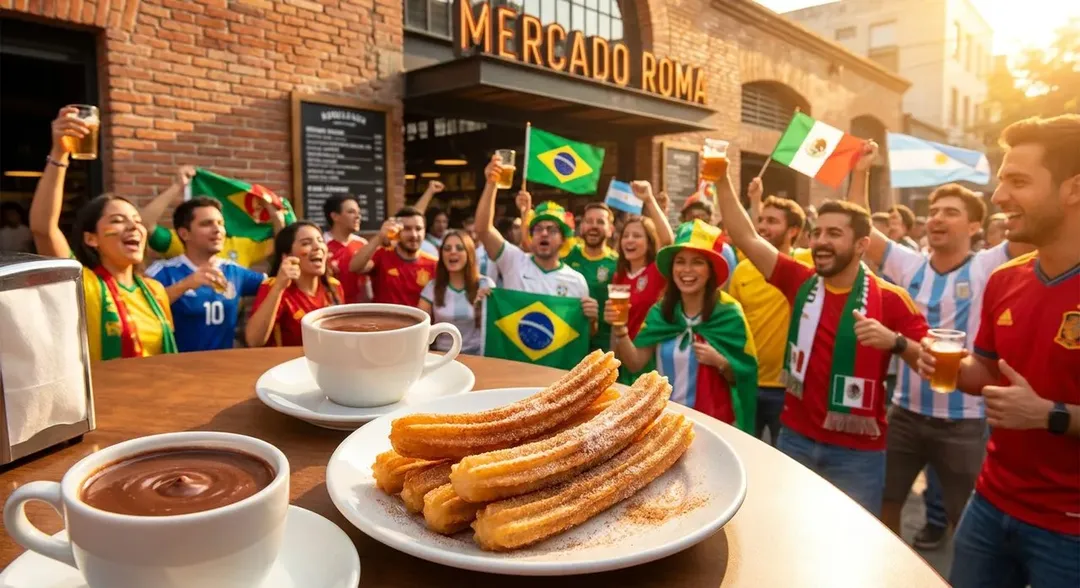
Roma and Condesa: The Art of the Unhurried Morning
Start in Roma Norte, where the streets are wide, the trees are old, and the cafes understand that coffee is a pretext for sitting still. The neighborhood's Art Deco and Porfirian architecture frames a scene that feels European in scale but unmistakably Mexican in texture. You'll find cyclists, dog walkers, and a rotating cast of freelancers nursing cortados at outdoor tables. The pace is deliberate. No one is rushing to a kickoff.
Condesa, just west, shares Roma's leafy sensibility but skews younger, louder, more nocturnal. During the day, though, it's all about Parque México and Parque España—two green lungs where joggers, yoga practitioners, and families with strollers claim their corners. The parks are ringed by cafes and juice bars, the kind of places that serve avocado toast without irony and micheladas when the sun climbs higher. If you're here during a match day, you'll find small crowds gathered around screens in cantinas, but the vibe is social, not tribal. The stakes are lower when your team isn't playing.
This is where you linger. Walk Avenida Álvaro Obregón, duck into bookstores, browse vintage shops that sell everything from Oaxacan textiles to mid-century furniture. The neighborhood rewards aimlessness. By mid-afternoon, you've earned a mezcal at a dimly lit bar where the bartender knows the provenance of every bottle. The World Cup is happening somewhere. Here, it's just another reason to gather.
Coyoacán: Markets, Murals, and the Myth of Frida
Coyoacán feels like a village that got swallowed by the city but refused to change its personality. The cobblestone streets, the colonial plazas, the weekend markets—it all hums with a slower, more rooted energy. The Mercado de Coyoacán is the heart of it: stalls piled with mole pastes, fresh flowers, and tostadas topped with ceviche. You eat standing up, elbow to elbow with locals who've been coming here for decades.
The neighborhood trades heavily on its association with Frida Kahlo and Diego Rivera, and the Casa Azul is worth the visit if you book ahead and brace for the crowds. But the real pleasure of Coyoacán is in the margins—the smaller plazas where mariachi bands tune up in the shade, the side streets lined with taquerías that don't bother with menus because everyone knows what's good. Order al pastor, order carnitas, order whatever the woman at the grill recommends. You won't regret it.
If you're here on a Sunday, the Jardín Centenario and Plaza Hidalgo fill with street performers, artisan vendors, and families out for a stroll. It's festive without being frenetic, the kind of scene that makes you forget the World Cup is even happening. The city's rhythms are older and deeper than any tournament. Coyoacán knows this. You will too, by the time you leave.

Centro Histórico: The Zócalo and the Weight of History
The Centro Histórico doesn't do subtlety. The Zócalo—one of the largest public squares in the world—is a vast, sun-baked expanse flanked by the Metropolitan Cathedral and the National Palace. It's the kind of space that makes you feel small in the best way, a reminder that this city has been a capital for centuries, long before the World Cup, long before you arrived. The square fills and empties with the rhythms of the day: office workers at lunch, tourists with cameras, vendors selling everything from elote to flags.
The surrounding streets are a tangle of colonial architecture, street food, and commerce. You can spend hours here without a plan—ducking into the Templo Mayor ruins, browsing the bookstores along Calle Donceles, stopping for churros and hot chocolate at a corner cafe where the recipe hasn't changed in generations. The churros arrive golden and crisp, the chocolate thick enough to coat a spoon. It's a small, perfect ritual, the kind that anchors a day of wandering.
The Centro is also where you'll feel the city's scale. It's crowded, yes, but the crowds are local, purposeful, indifferent to your presence in the best possible way. You're not a tourist here; you're just another body moving through a space that has absorbed millions before you. If there's a match on, you might catch it on a screen in a cantina, but the city doesn't pause. It never does.
Tacos, Churros, and the Geometry of a Good Meal
Mexico City's food culture is vast, democratic, and unforgiving of mediocrity. The best meals often happen at the humblest venues—street corners, market stalls, taquerías with plastic stools and no signage. The taco is the city's lingua franca, and you'll find regional variations everywhere: suadero from a cart in the Centro, cochinita pibil in Coyoacán, barbacoa on Sunday mornings in neighborhoods you've never heard of. The key is to follow the crowds, trust the char on the meat, and never skip the salsa.
Churros occupy a different emotional register. They're not a meal; they're a pause, a reward, a reason to sit down when your feet hurt. The best churrerías are no-frills operations where the dough is fried to order and the chocolate is served in heavy mugs. You dip, you sip, you feel the sugar hit your bloodstream. It's a simple pleasure, but in a city this big, simple pleasures are the ones that stick.
The metro makes it all accessible. Lines 1, 2, and 3 will get you to most of the neighborhoods worth visiting, and the system is cheap, efficient, and surprisingly pleasant during off-peak hours. You'll emerge at each stop into a different version of the city—markets, parks, plazas—and the through line is always food. Whether it's a five-peso taco or a sit-down meal in Roma, the city's culinary logic is the same: fresh, fast, and unapologetically itself.
When the Tournament Ends and the City Remains
The World Cup final on July 19 will draw millions of eyes to MetLife Stadium, where Coldplay's Chris Martin has curated a halftime show featuring Madonna, Shakira, and BTS—a spectacle designed for screens, not stadiums. Fans in New Jersey will navigate official shuttles and NJ Transit rail, clutching return wristbands and pre-purchased tickets. Free fan zones will light up Rockefeller Center, the USTA Billie Jean King National Tennis Center in Queens, and the indoor Dream Fan Fest at American Dream. Kansas City will host watch parties at Power & Light District and an official FIFA Fan Festival at the National WWI Museum and Memorial grounds. It's a global event, and the infrastructure reflects that scale.
But in Mexico City, the final will be just another Sunday. Families will gather in parks, cantinas will fill with regulars, and the taquerías will keep slinging carnitas. The city has hosted World Cups before—1970 and 1986, both finals at Estadio Azteca—and it will host again. But its identity isn't tethered to any single tournament. The rhythms here are older, deeper, more durable than that.
Two slow days in June or July 2026 will give you a version of Mexico City that most visitors miss: unhurried, generous, indifferent to the noise. The World Cup is happening, yes, but the city doesn't need it to feel alive. It never did.
Practical notes
- The metro is your best tool—Lines 1, 2, and 3 connect Centro Histórico, Roma, Condesa, and Coyoacán efficiently and cheaply.
- Book Casa Azul tickets online in advance if you're visiting Coyoacán; walk-up availability is rare, especially on weekends.
- Street tacos are safe and excellent—look for high turnover, visible grills, and locals in line; trust the char and the salsa.
- Churros and hot chocolate are best mid-afternoon; ask locals for their favorite churrería rather than relying on tourist guides.
- If you're watching a match, smaller cantinas in Roma and Condesa offer a more relaxed vibe than the crowded sports bars in Zona Rosa.
Mexico City in World Cup summer is a gift: all the infrastructure, none of the chaos. The neighborhoods breathe, the food shines, and the city's true personality—generous, unhurried, endlessly layered—comes into focus. You'll leave with full notebooks, full bellies, and the quiet certainty that you saw something real. The tournament will end. The city will remain, exactly as it was, waiting for the next visitor smart enough to show up when everyone else is looking elsewhere.
Tags: #MexicoCityTravel #WorldCup2026 #RomaCondesa #Coyoacan #CentroHistorico #StreetTacos #MexicoCity #SlowTravel #NeighborhoodGuide #FoodCulture #ChurrosAndChocolate #MetroMexicoCity #SummerInMexico #AuthenticMexico #CityRhythms
Please drink responsibly. Must be of legal drinking age.
All trademarks are the property of their respective owners.
Ask Karpo first
Planning a trip to Mexico City while the World Cup unfolds up north? Ask Karpo first. We'll help you map the best taquerías, time your Coyoacán market visit, and find the cantina where locals actually watch the matches—no tourist traps, no wasted afternoons, just the city at its unhurried best.
Ask Karpo for more information.
Keep reading
- Haaland Has Seven Goals and Norway Runs Entirely Through Him
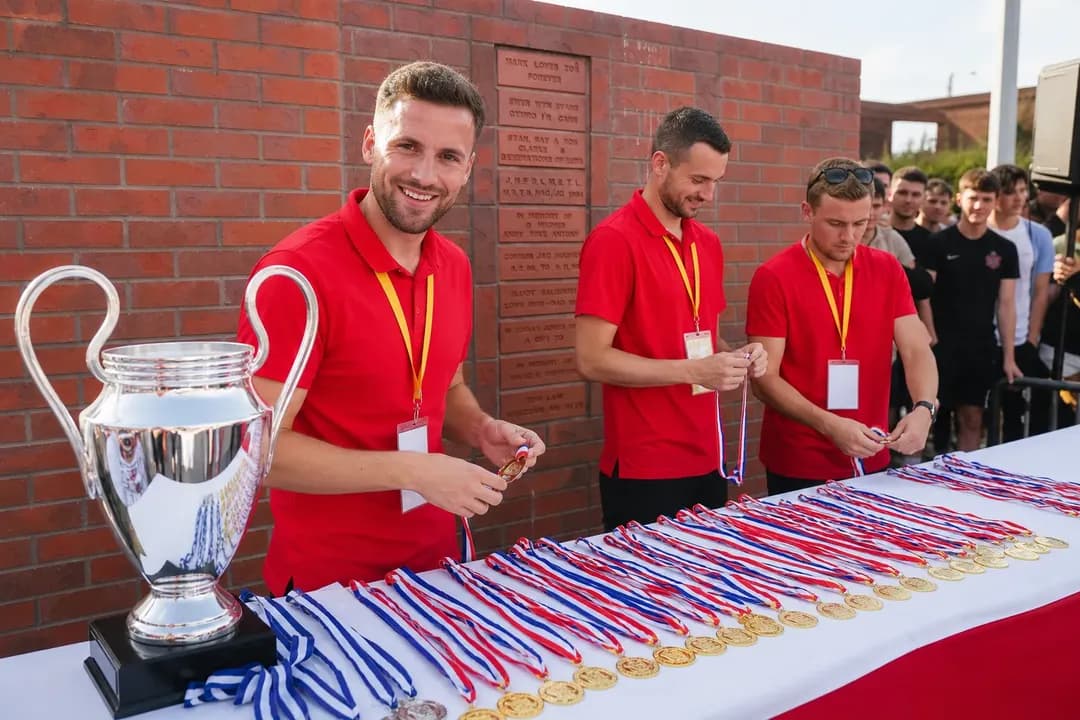 World Cup Trophy Ceremony Timing Medals and Postmatch Celebrations
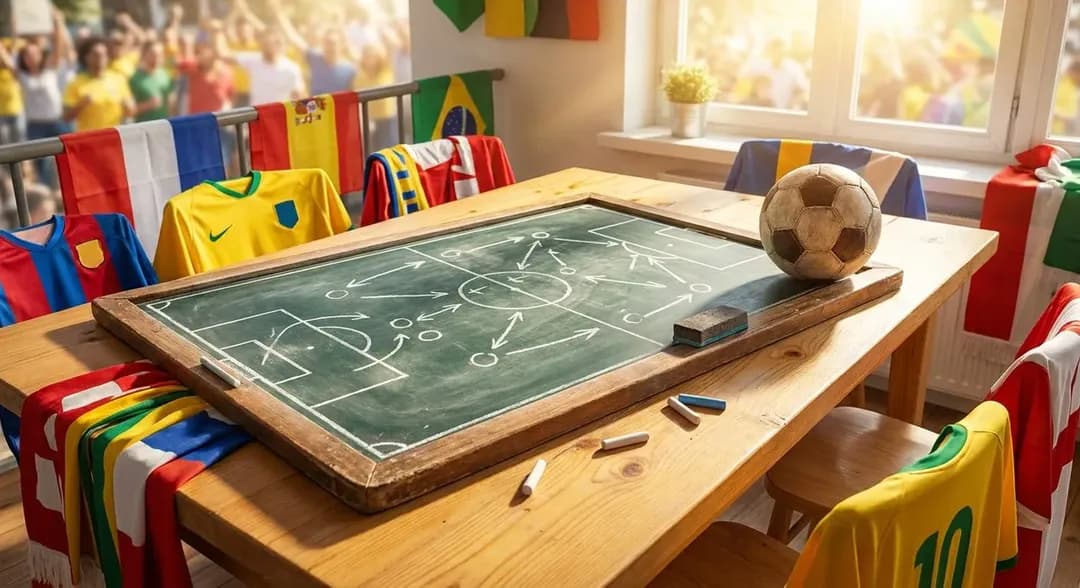 Olise and France's Attack: The Semifinal Tactical Question