 Where to Eat Near Penn Station That Isn't a Chain
US Open 2026

Travel Weather Airport Checklist For US Open 2026
A practical weather, transit, and neighborhood guide for planning your US Open visit to Flushing Meadows Corona Park in late August and early September 2026.
The 2026 US Open runs August 23 through September 13 at the USTA Billie Jean King National Tennis Center in Flushing Meadows Corona Park, Queens. Fan Week begins August 23, and the main draw starts August 30. Late August and early September in New York bring warm days, occasional thunderstorms, and high humidity—conditions that shape everything from what you pack to how you time your arrival. Whether you are flying into JFK, LaGuardia, or Newark, or taking the 7 train from Manhattan, a weather-aware checklist helps you move smoothly through airports, transit hubs, and the park itself. This guide walks through practical weather planning, airport logistics, transit timing, and neighborhood stops so you can focus on the tennis and the atmosphere instead of scrambling for shade or a backup plan when the skies open up.
Text Karpo your match session, neighborhood start point, and appetite, and we will turn this weather / trip planning into a live Queens plan.
Weather patterns for late August and early September in Queens
Late August through mid-September in New York typically brings daytime highs in the low to mid 80s Fahrenheit, with humidity that can make it feel warmer. Afternoon thunderstorms are common, especially during the first week of the tournament. These storms usually roll through quickly but can delay play and leave the grounds wet and crowded as fans wait under cover. Evenings cool into the 60s and 70s, making night sessions more comfortable. Check the forecast the morning of your visit and again before you leave your hotel or airport. Weather apps with hourly breakdowns and radar help you decide whether to carry a light rain jacket, pack sunscreen, or plan for an earlier arrival to claim shaded seating. The US Open grounds include covered walkways and indoor spaces, but outdoor courts and plaza areas offer little relief during sudden downpours.
Airport arrival and transit timing
Most visitors fly into John F. Kennedy International Airport, LaGuardia Airport, or Newark Liberty International Airport. JFK sits closest to Flushing Meadows, about 30 minutes by taxi or rideshare in light traffic, though rush hour can double that time. LaGuardia is roughly 20 minutes away, and Newark adds 45 minutes to an hour depending on traffic and your route. If you are taking public transit, the AirTrain from JFK connects to the subway system, and the 7 train runs directly to Mets–Willets Point station, the stop for the US Open. The MTA publishes a US Open transit guide each year with service updates, and the official US Open website offers detailed transportation directions. Plan extra time for security lines, baggage claim, and transit connections, especially if you are arriving on a weekend or during evening rush. If your flight lands in the afternoon and you want to catch a night session, build in at least two to three hours between touchdown and first serve.
What to pack for weather and all-day comfort
- Lightweight rain jacket or packable poncho that fits in a small bag
- Sunscreen with high SPF and a hat with a brim for daytime sessions
- Refillable water bottle to stay hydrated in heat and humidity
- Portable phone charger to keep maps, tickets, and weather apps running
- Comfortable walking shoes that dry quickly if caught in rain
- Small umbrella that meets venue security guidelines
- Layers for evening sessions when temperatures drop
- Sunglasses and a bandana or towel for wiping sweat or rain off seats
The US Open allows small bags, but check the official plan-your-visit page for current security policies and prohibited items before you pack. Bringing your own snacks and an empty water bottle can save time and money, and refill stations are available throughout the grounds.
Navigating the 7 train corridor and neighborhood stops
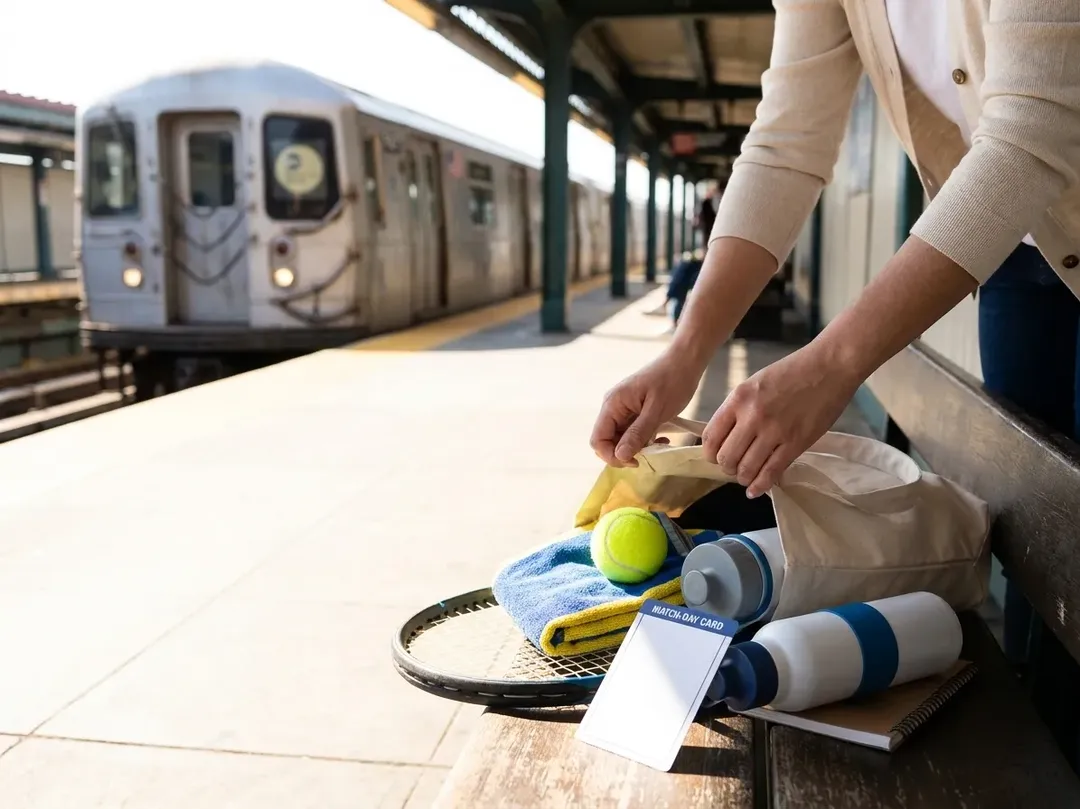
The 7 train is the most popular public transit route to the US Open, running from Manhattan through Queens with stops in Long Island City, Jackson Heights, and Corona before reaching Mets–Willets Point. The train gets crowded during peak session times, so consider traveling outside rush hour or arriving early to avoid standing-room-only cars. If you have time before or after your session, the 7 train corridor offers food, coffee, and neighborhood atmosphere. Jackson Heights is known for diverse dining, and Corona has bakeries, taquerias, and casual spots within a short walk of the train. Long Island City offers waterfront parks and cafes if you want a quieter pause before heading to Flushing. The MTA's US Open guide includes real-time service updates, and the official US Open transportation page links to maps and schedules.
Timing your arrival for weather and crowd flow
Gates typically open mid-morning for day sessions and mid-afternoon for night sessions, but confirm exact times on the official US Open schedule page. Arriving early gives you first pick of shaded seating, shorter lines at food vendors, and time to explore the grounds before the heat peaks. If thunderstorms are forecast for late afternoon, plan to be inside a stadium or covered area by mid-afternoon, as outdoor courts may suspend play and crowds will concentrate under awnings and in the food halls. Evening sessions start after sunset, so temperatures drop and humidity eases, but bring a light layer in case the breeze picks up. If you are flying in the same day as your session, book a morning flight and allow a cushion for delays, especially during summer storm season.
Shade, hydration, and photo spots around the grounds
Flushing Meadows Corona Park is large and open, with limited natural shade outside the stadiums. The Unisphere, a short walk from the tennis center, is a popular photo spot and offers some tree cover nearby. Inside the US Open grounds, the food village and merchandise tents provide air conditioning and a break from the sun. Refill your water bottle often, especially during day sessions, and take advantage of misting stations if they are available. If you are waiting out a rain delay, the indoor spaces fill quickly, so claim a spot early or use the time to explore covered walkways and grab a snack. Respectful fan behavior includes keeping walkways clear, following staff directions during weather delays, and being patient with security and gate staff who manage crowd flow during storms.
Check before you go: live updates and official resources
Weather, transit, and event schedules can shift, so check official sources the morning of your visit. The US Open website posts daily schedules, gate times, and weather-related updates. The MTA's US Open transit guide includes service changes and real-time alerts. NYC Parks maintains information about Flushing Meadows Corona Park, including closures and public access. If you are staying in Queens, ask your hotel or host about local food spots, coffee shops, and quiet parks where you can regroup before or after your session. Building a flexible plan with backup indoor options, extra transit time, and weather-appropriate gear turns a potentially stressful day into a smooth, enjoyable experience.
Karpo is a trademark of Karpo Inc. This article was prepared using official event sources and public transit resources. Weather conditions, transit schedules, and event details may change. Always confirm current information with official sources before traveling.
Tags: #USOpen2026 #Queens #FlushingMeadows #KarpoFinds #Karpo #TennisTravel #NYCLocalLife #FanWeek #USTennis #NewYorkGuide #Weathertrends #Buzz
All trademarks are the property of their respective owners.
Ask Karpo first
Want to know what is actually open, how to time the trip, and where to pause around Queens? Ask Karpo for the latest public US Open context, a respectful visitor plan, and a live route around Flushing Meadows before you head out.
Ask Karpo for more information.
Keep reading
- Where to Eat Near Penn Station That Isn't a Chain
 Andytown Coffee in the Outer Sunset: The Snowy Plover Explained
- Best Things to Do in Chicago: What the City Gives Away