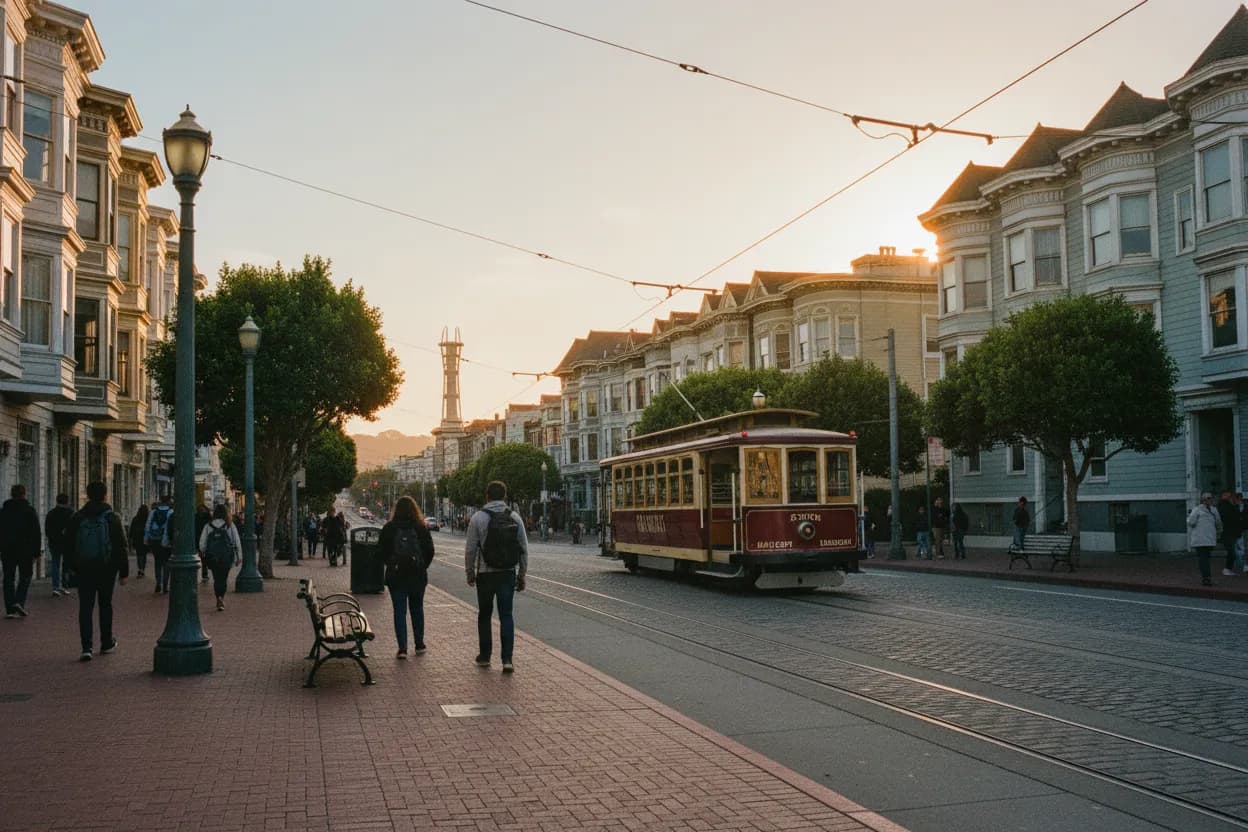
San Francisco rewards curiosity, but it punishes sloppy planning. A search spike around tommy detamore may make the city feel like a place where something secret is about to happen, yet this guide does not claim any local appearance, affiliation, private access, event, or endorsement. Treat the phrase as a timely hook, not a promise. The better move is to use the attention as motivation for a public, verifiable city detour: one odd stop with a real reason to go, one calmer second option, and a transit plan checked the same day. As of Monday, August 10, 2026, official details can still shift, especially transit alerts, park access, and venue rules. Your job is not to chase hype. It is to arrive informed.
Want a tighter San Francisco detour before you leave? Text Karpo with your neighborhood, mobility needs, time window, and whether you prefer strange architecture, archives, parks, or quiet indoor stops.

Use the headline to open a more curious detour
A useful hidden-gems plan starts by separating search interest from on-the-ground facts. The phrase tommy detamore belongs in this article because people are looking for it now, but a search term is not evidence of a San Francisco appearance, meet-up, show, tour, or special access. Do not build your day around an assumption that no official source has confirmed.
Instead, let the headline point you toward a more durable kind of city travel: small public places, overlooked collections, unusual civic details, and neighborhoods where the reward is observation rather than spectacle. San Francisco is especially good for that because moving around the city can be done by Muni, walking, biking, driving, parking, taxi, or visitor-oriented transportation planning tools listed by SFMTA. The official SFMTA site also keeps alerts and travel updates, so your first real decision should be practical: can you reach the area cleanly today?
Before choosing the odd stop, open the SFMTA Trip Planner and enter a real starting point and ending point. Then check current alerts, because the agency’s site shows that reroutes and service updates can occur. If your route depends on a specific bus, train, historic streetcar, cable car, elevator, or transfer, verify it before you commit.
Choose a place with a real point of view
A hidden gem is not just a place with fewer people. It should have a point of view: a material story, a civic purpose, a strange design decision, a landscape edge, or an archive-like quality that makes the stop worth more than a quick photo. For San Francisco, that might mean choosing a public site where the city’s transportation, recreation, neighborhood history, or built environment is visible without needing private access.
Because this guide is verification-first, do not rely on recycled social posts that say a site is open, free, empty, or easy to photograph. If your candidate is a park, recreation site, or public outdoor place, verify changing details on the official San Francisco Recreation and Parks page before going. The available source extract for that site indicates the page should be checked directly because rendering failed, which is exactly the kind of uncertainty that matters when you are planning around access.
Use a simple filter: if the place cannot be verified through an official page, a current transit check, or clearly posted public access rules, make it the optional part of the day rather than the anchor. The anchor should be reachable, public, and flexible enough that a delay does not ruin the route.
Look for materials archives or hands-on details
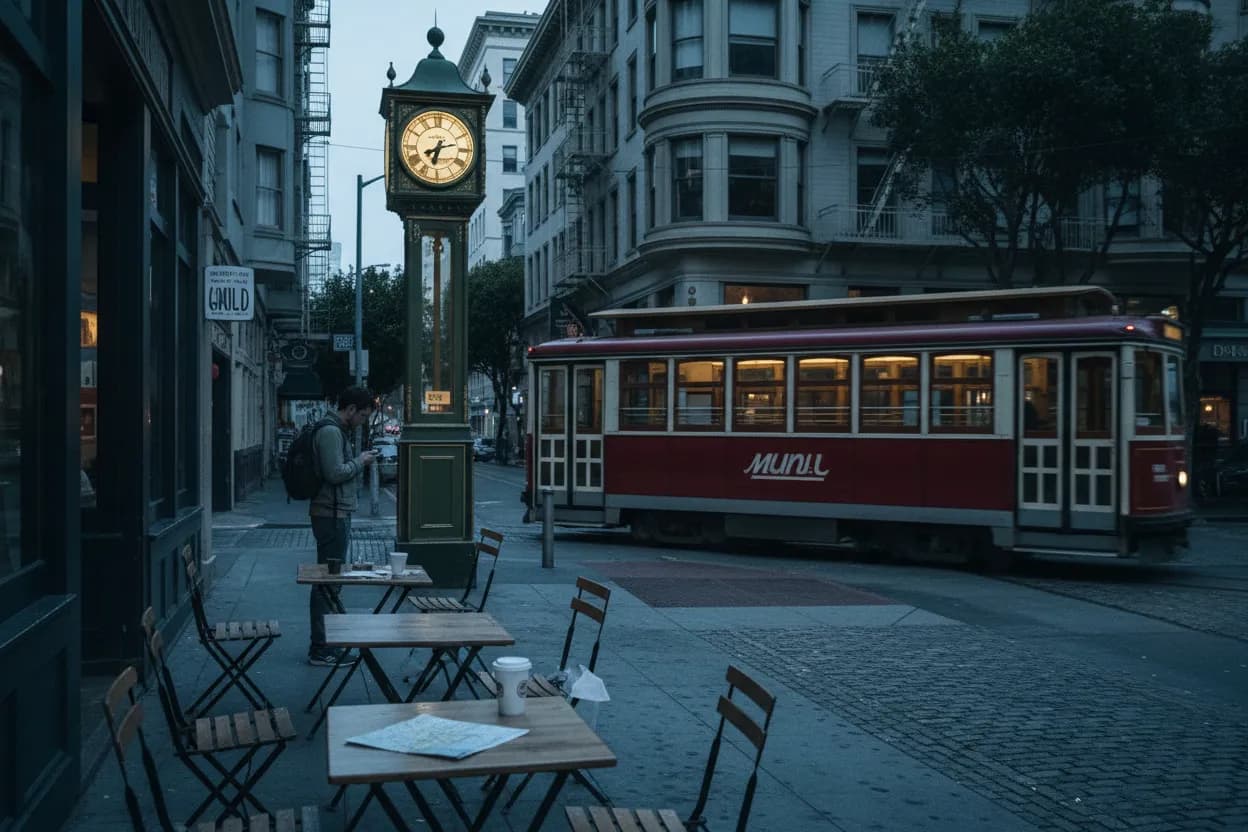
The best odd finds often involve close looking: signs, tools, maps, preservation choices, transit infrastructure, garden edges, repair marks, or displays that explain how a city works. San Francisco’s official transportation site points readers to Muni routes and stops, transit maps and guides, visitor transportation information, accessibility resources, travel updates, and Muni Metro elevator status. Those are not glamorous details, but they are the difference between a satisfying detour and a frustrating one.
Build the plan around a 60-to-90-minute primary window, then add travel padding. Start by checking how you will arrive by Muni, walking, biking, driving and parking, or taxi. If accessibility is part of the plan, check SFMTA’s accessibility resources and elevator status before you leave. If your odd stop involves a park or recreation site, confirm current access on the official recreation page rather than assuming yesterday’s information still applies.
For the on-site experience, look for public-facing details rather than restricted spaces. Read posted signs. Stay on allowed paths. Notice construction notices, temporary closures, crowd-control barriers, or neighborhood parking restrictions. If the interesting part requires entering an unmarked door, crossing a barrier, or asking for special treatment, it is not a public hidden gem for this plan.
Pair the odd stop with a calmer second option
Every San Francisco odd-find plan needs a backup because hills, fog, transit delays, crowd surges, and access changes can all alter the day. The backup should not be another hard-to-reach novelty. Choose something calmer in the same general direction: a public park area, a neighborhood walk, a transit-accessible viewpoint, or an indoor public-facing stop whose official access details you can verify before heading over.
SFMTA’s site is useful here because it does not force one mode. It supports trip planning by Muni, walking, biking, driving, and parking, and it also lists travel and transit updates. If your first stop becomes crowded or inconvenient, use the same official planning habit to pivot. Do not guess that a second place will be open, quiet, or reachable just because it is nearby on a map.
Crowd risk deserves special attention in August. The SFMTA homepage extract shows city transportation pages can carry timely notices, including major event reminders and service changes. Even after a large event weekend has passed, residual crowding, street activity, or service adjustments may affect how a neighborhood feels. Check alerts close to departure, then decide whether the calmer option should become the main stop.
Respect access photography and privacy rules
Odd-find travel can become intrusive when visitors treat a neighborhood like a set. Keep this plan public and low-impact. Photograph only where photography is allowed, avoid pointing cameras into homes, workplaces, schools, service areas, or private windows, and do not block sidewalks, transit platforms, stairs, curb ramps, or building entrances while trying to capture a detail.
If posted rules limit access, hours, photography, bikes, dogs, food, group activity, or equipment, follow the posted rules and verify anything unclear through the official source before you arrive. This is especially important for parks, recreation spaces, transit facilities, civic buildings, and small public-facing collections, where policies can vary by site and change without becoming viral knowledge.
The same restraint applies to the tommy detamore hook. Do not ask staff, volunteers, transit workers, park employees, or residents to confirm rumors that are not on an official page. They are not part of a scavenger hunt. A good San Francisco detour should leave people, property, and services undisturbed.
Verify current entry details
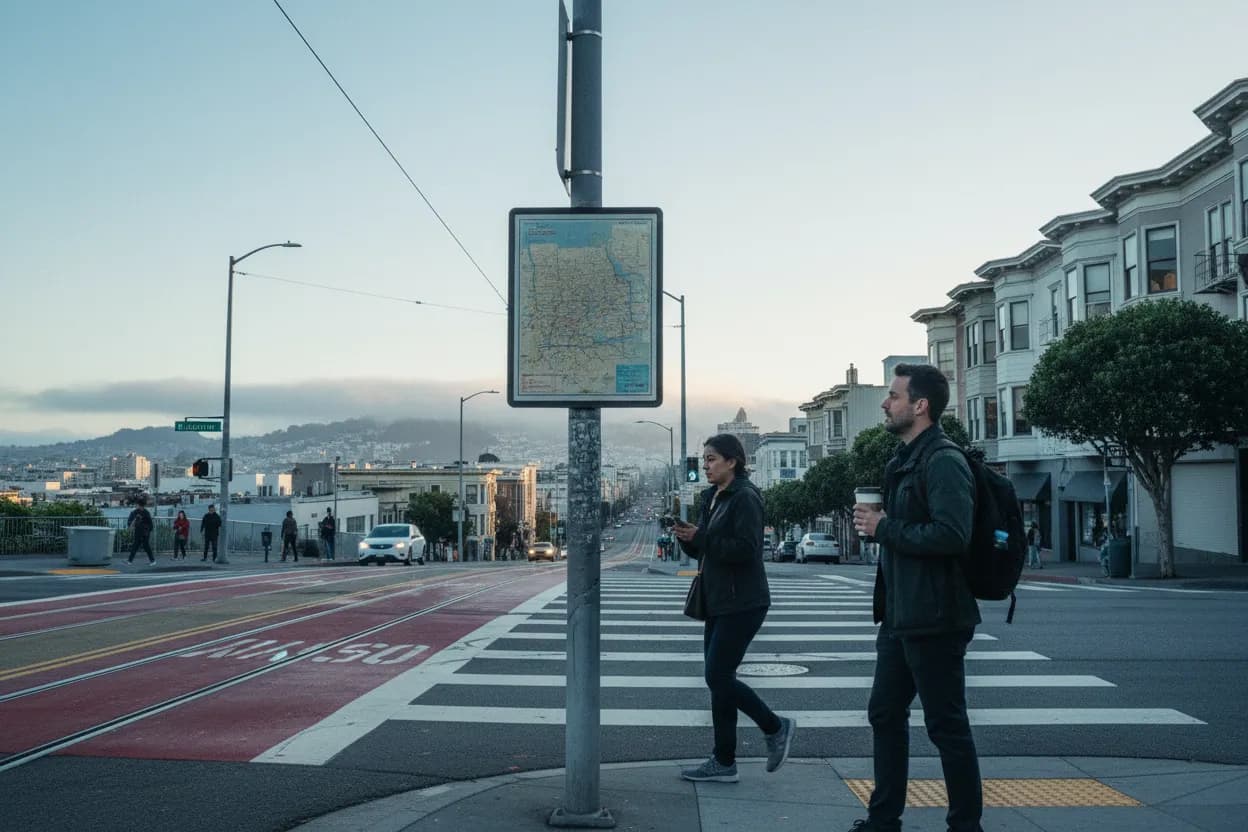
Make the final check in this order: official site, transit status, access conditions, weather-adjacent comfort, and backup route. The official tourism page may require security verification before it loads, so do not treat a failed page view as confirmation of anything. For transportation, use SFMTA’s Trip Planner, route and stop information, travel updates, alerts, accessibility information, and elevator status where relevant.
For recreation or park-related stops, verify current details on the official San Francisco Recreation and Parks website before you go. The source extract available for that site explicitly says rendering failed and changing details should be verified there. That means you should not assume access, facilities, closures, permits, or conditions from memory, screenshots, or old articles.
A clean executable plan looks like this: pick one public odd stop, confirm official access, check SFMTA for the route, note a same-neighborhood calmer alternative, set a turn-back time, and avoid any claim that depends on rumor. If the first stop is blocked, crowded, closed, or simply not worth the trip, switch without drama. In San Francisco, the backup often becomes the better story.
Tags: #tommydetamore #SanFrancisco #HiddenGems #OddFinds #AskKarpo #BeforeYouGo #SFMTA #Muni #CityGuide #PublicAccess #TransitTips #TravelSmart #SFDetour #VerifyFirst
Sources consulted: sftravel.com · sfmta.com · sfrecpark.org
All trademarks are the property of their respective owners.
Ask Karpo first
Ask Karpo first if your San Francisco plan depends on a rumor, a tight transfer, a park detail, or a supposedly secret stop. Share your start point, time window, mobility needs, and backup tolerance, and Karpo can help turn the idea into a verified public route.


