The Velvet Seats Still Recline
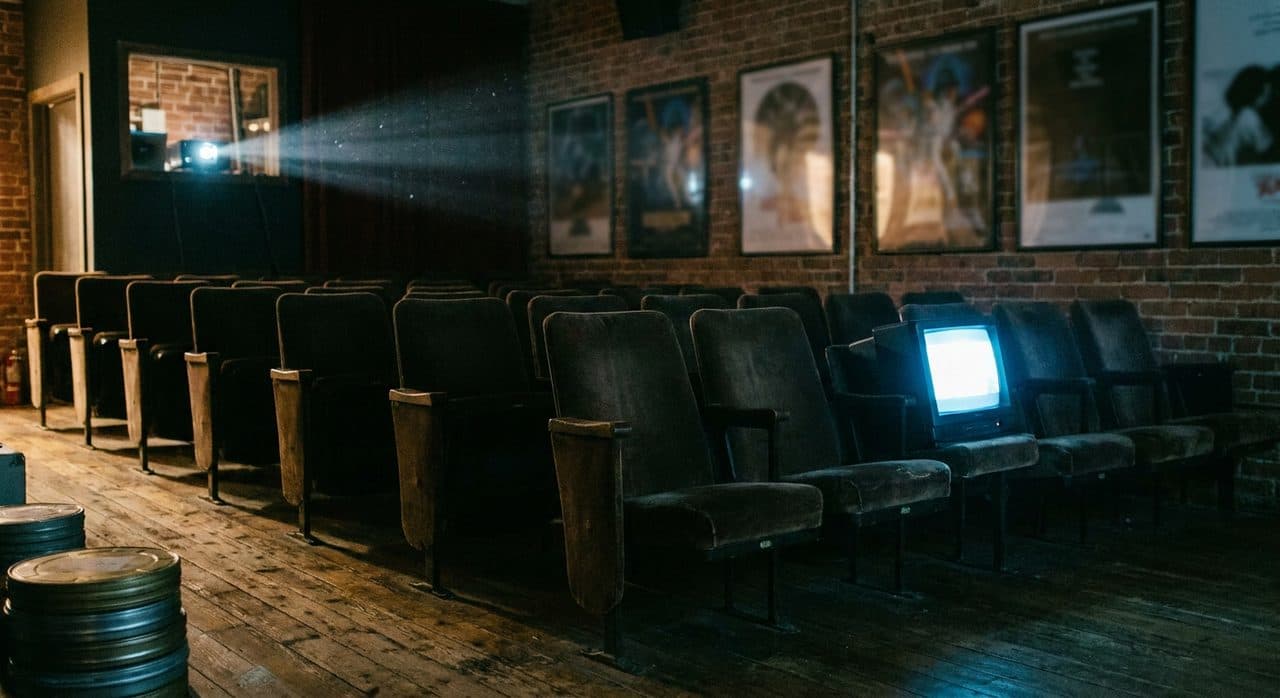
You walk into a microcinema in Astoria on a Thursday night and the air smells like old carpet and something faintly electrical — projector heat, maybe, or the particular warmth of analog equipment working hard. The seats are mismatched, upholstered in burgundy or teal, some of them salvaged from theaters that closed decades ago. You settle in and the person two rows ahead leans back with a creak that echoes. This is where film people come when they want celluloid adrenaline without stadium seating or assigned ticketing apps. The screen flickers on and the room goes quiet in a way that feels muscular, committed.
Projection Booth Intimacy You Can Hear

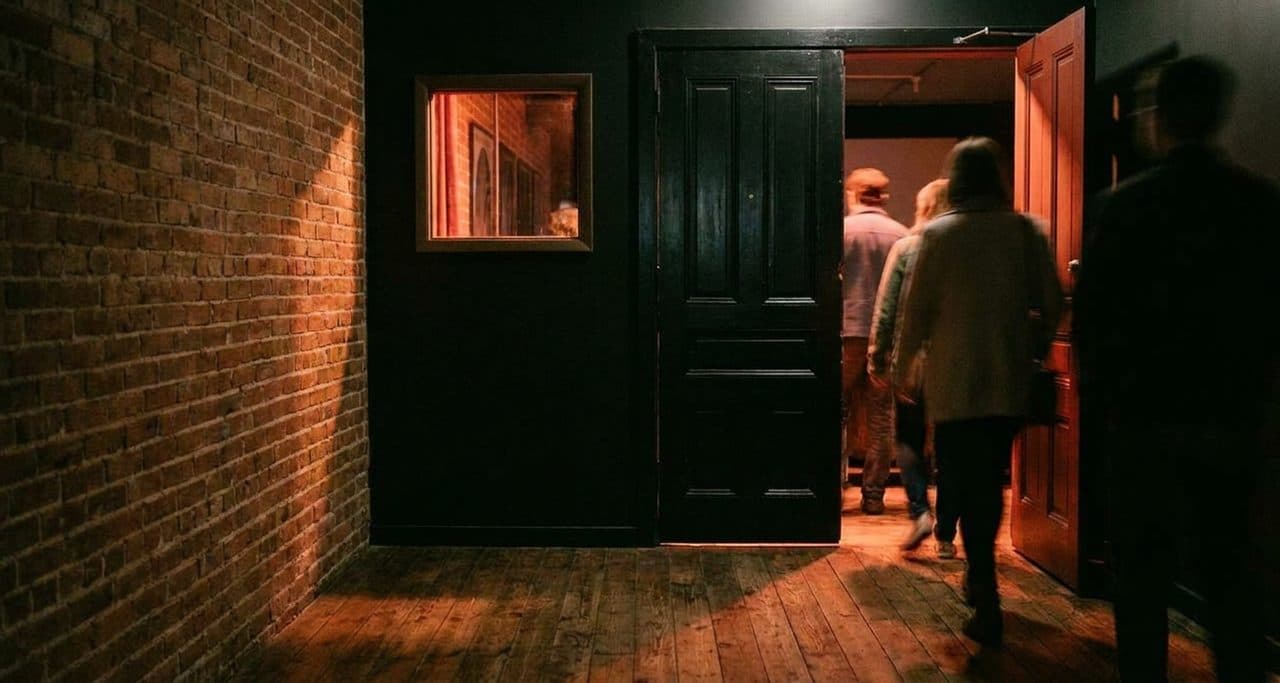
The projectionist is visible through a small window at the back of the room, silhouetted against the lamp glow. You hear the mechanical click and whir of film threading through sprockets — actual 35mm stock when they can get it, which is more often than you'd think in a neighborhood where Greek film distributors still keep connections alive. Between reels there's a pause, maybe thirty seconds, and someone always coughs or shifts weight and you remember you're watching with other bodies in real time. The sound system is better than it should be for a room this size. Explosions land in your chest. Dialogue sits right at your ear level. When they screen action films from the Eighties and Nineties, the bass rattles the folding tables near the back where volunteers sell concessions.
The Popcorn Comes in Paper Bags
No plastic tubs, no branded cups. You get popcorn in a brown paper bag, the kind that breathes and keeps kernels from going soggy. It costs a few bucks and tastes like it was popped in a machine someone's grandmother used. The butter is real, pooled at the bottom by the time you reach the last handful. Coffee comes in ceramic mugs with mismatched handles — you're expected to return yours to a gray bus tub by the door on your way out. There's usually one person working concessions who knows every regular by face if not by name, and they'll tell you which nights draw the biggest crowds. Monday genre nights pack the room. Midweek retrospectives run quieter, more contemplative, the kind of screening where you notice the lighting design.
The Audience Leans Forward During Practical Stunts
You feel it happen in real time when Tom Cruise hangs off a plane or scales a building without CGI nets. The whole room shifts weight, spines straighten, breath holds. Someone near the front mutters "Jesus Christ" under their breath and it's not commentary, it's reflex. This is the crowd that knows the difference between a stunt double and the real thing, that watches for continuity errors and lighting rigs visible in reflections. They're film students and projectionists and people who work in post-production in Manhattan but live out here because the rent still makes sense. After the credits roll, conversations start before anyone stands up — arguments about whether a sequel holds up, whether practical effects still matter, whether a certain director sold out or just got older.
The Schedule Runs on Programmer Instinct
Screenings happen multiple nights a week but the calendar doesn't follow corporate logic. You get a Howard Hawks double feature one week, a Verhoeven retrospective the next, then a midnight series of Hong Kong action films that draws crowds from three boroughs. The programming reflects whoever's running the projector that month, which means the lineup shifts with personalities and obsessions. Sometimes there's a guest speaker — a cinematographer or a stunt coordinator who worked on a film being screened — and those nights you show up early because seating fills fast. The room holds maybe sixty people at capacity, eighty if some stand in back. No one checks tickets twice. You pay what you can at the door, sliding bills into a cashbox, and someone marks your hand with a stamp that smudges by the time you leave.
The Bathroom Hallway Doubles as a Gallery
You walk down a narrow corridor to reach the restroom and the walls are covered in film posters, some of them original one-sheets from the Seventies, others contemporary prints from local designers. The lighting is dim, a single yellow bulb, and the posters curl slightly at the edges where tape has loosened. You read them while waiting in line — there's always a line before the feature starts — and you notice which ones have been signed, which ones have notes scribbled in margins. Someone taped up a Polaroid of a crowd from a previous screening, everyone mid-laugh or mid-argument. The bathroom itself is small and clean enough, with a window that opens onto an airshaft where you can hear the street three floors below.
Practical Notes
The microcinema operates in a mixed-use building in Astoria, accessible by subway with a short walk through residential blocks. Screenings typically start in the evening on weeknights and weekend afternoons. Tickets are kept affordable, usually under ten dollars, and cash is preferred. The space doesn't take reservations — you show up and hope for a seat, though arriving fifteen minutes early usually works. Check community boards or local film forums for the current schedule, as programming changes monthly. The neighborhood has plenty of Greek and Middle Eastern restaurants within a few blocks if you want to eat before or after. Dress for a room that runs slightly cool in winter, slightly warm in summer. The venue is up a flight of stairs, no elevator.
Tags: #MicroCinema #AstoriaQueens #35mmFilm #FilmCulture #IndependentCinema #NewYorkFilm #AnalogProjection #CinemaExperience #QueensNightlife #CultFilm #ActionMovies #FilmProgramming #TheOddEdit #CinephileCommunity #PracticalEffects
Sources consulted: atlasobscura.com · timeout.com · nytimes.com
All trademarks are the property of their respective owners.