 Where to Eat Near Penn Station That Isn't a Chain
US Open 2026
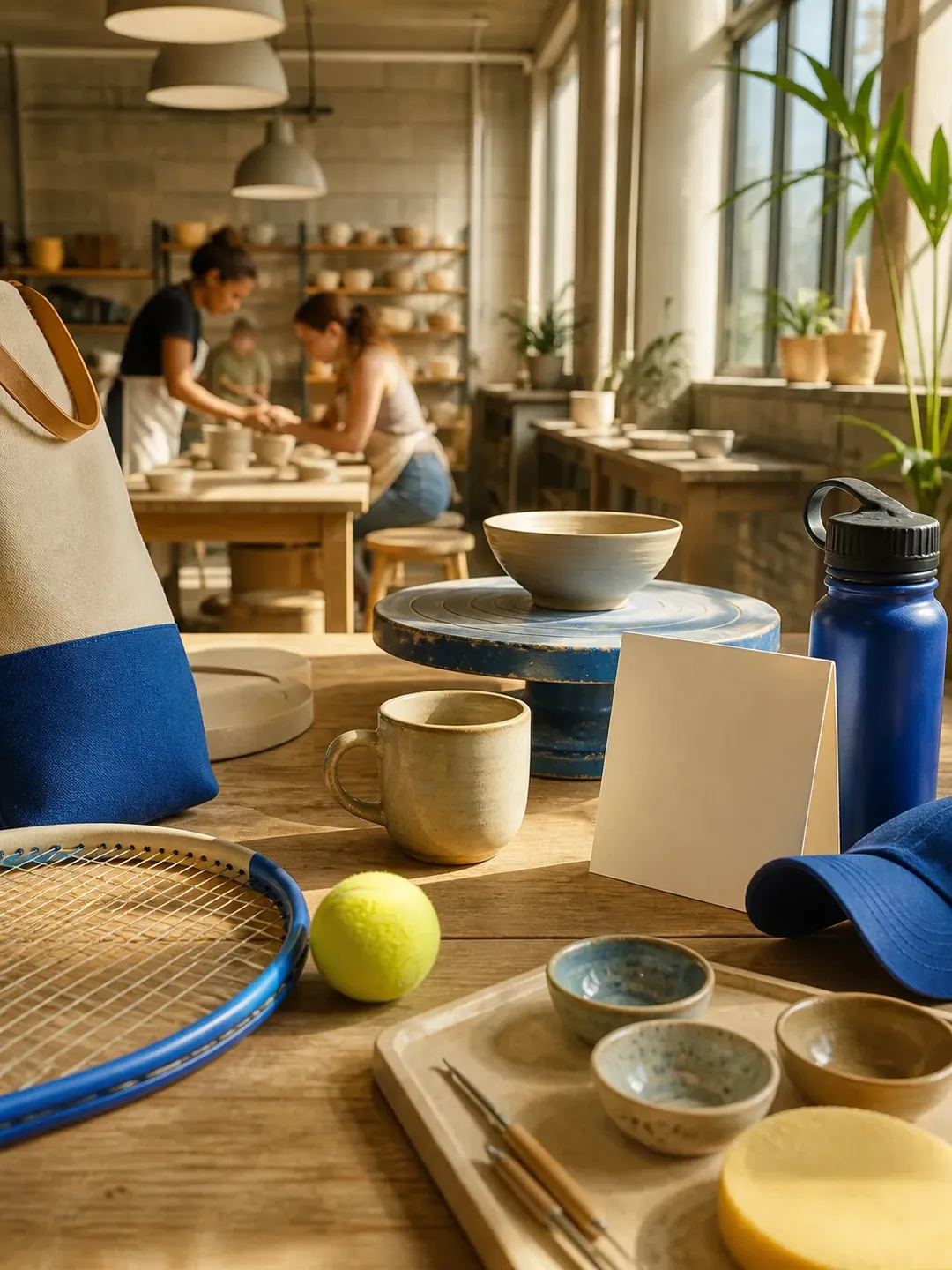
Toluca Seattle Sounders Soccer Pottery Classes Near US Open
How to weave drop-in pottery sessions, creative studio breaks, and clay-wheel calm into your 2026 US Open week across Queens and the 7 train corridor.
When you're planning a 2026 US Open visit to Flushing Meadows, the rhythm of match schedules, 7 train connections, and tournament crowds can feel relentless. But Queens also offers a quieter counterpoint: drop-in pottery and ceramics studios where you can center clay on a wheel, hand-build a small vessel, or glaze a piece between sessions. Whether you're staying near the tournament grounds, exploring the neighborhoods along the 7 line, or looking for a creative pause before an evening match, knowing where to find welcoming studios—and how they fit into your tennis-week logistics—turns a high-energy sports trip into a more textured, hands-on New York experience. This guide maps the practical side of weaving pottery breaks into your US Open days, from studio formats and timing to transit connections and the local-life details that make Queens a rewarding place to slow down and make something with your hands.
Text Karpo with your US Open session time and Queens starting point, and we’ll turn this Drop-in pottery and ceramics studios for creative breaks during tennis week into a practical local plan.
Why pottery studios fit US Open week
The US Open runs for two weeks each late August and early September, with day and night sessions that leave gaps in your schedule—morning hours before an afternoon match, midday breaks between early and late rounds, or recovery time after a long day courtside. Pottery studios that offer drop-in wheel time, hand-building workshops, or open-studio hours give you a way to use those gaps creatively, especially if you're traveling solo, waiting for friends, or simply craving a tactile, screen-free activity. Queens neighborhoods along the 7 train—Long Island City, Astoria, Jackson Heights, Corona, and Flushing—are home to community arts spaces, independent studios, and maker collectives that welcome beginners and experienced ceramicists alike. Checking studio schedules, drop-in policies, and class formats in advance helps you match a pottery session to your tournament calendar without overcommitting or missing a match.
Studio formats and what to expect
Drop-in pottery experiences come in several forms. Some studios offer open-studio hours where you pay by the hour for wheel access, clay, and tools, assuming you have basic throwing skills. Others run beginner-friendly workshops—typically two to three hours—that teach centering, pulling walls, and trimming, with an instructor guiding a small group. Hand-building sessions focus on pinch pots, coil construction, or slab work, which can be more forgiving if you've never touched clay. A few spaces offer paint-your-own-pottery or glazing sessions, where you decorate pre-fired bisque pieces and return later to collect the finished work, or arrange shipping if you're visiting from out of town. Understanding these formats helps you choose an experience that matches your skill level, time window, and whether you want to take a finished piece home or simply enjoy the process.
Long Island City and Astoria: studios near the 7 and N/W lines
Long Island City and Astoria, both accessible via the 7 train or the N/W lines, are home to artist studios, galleries, and maker spaces that sometimes offer ceramics programming. LIC's industrial-loft character and Astoria's residential density create different studio cultures—some spaces are membership-driven but open select hours to the public, while others run weekend workshops or evening classes that welcome drop-ins. If you're staying in a hotel near Court Square or exploring the waterfront parks and Museum of the Moving Image, a morning or early-afternoon pottery session can anchor your day before you head east to Flushing Meadows. Checking studio websites or social media for current drop-in hours, booking links, and any holiday or event closures is essential, especially during late summer when schedules shift.
Jackson Heights, Corona, and Flushing: community arts and cultural centers
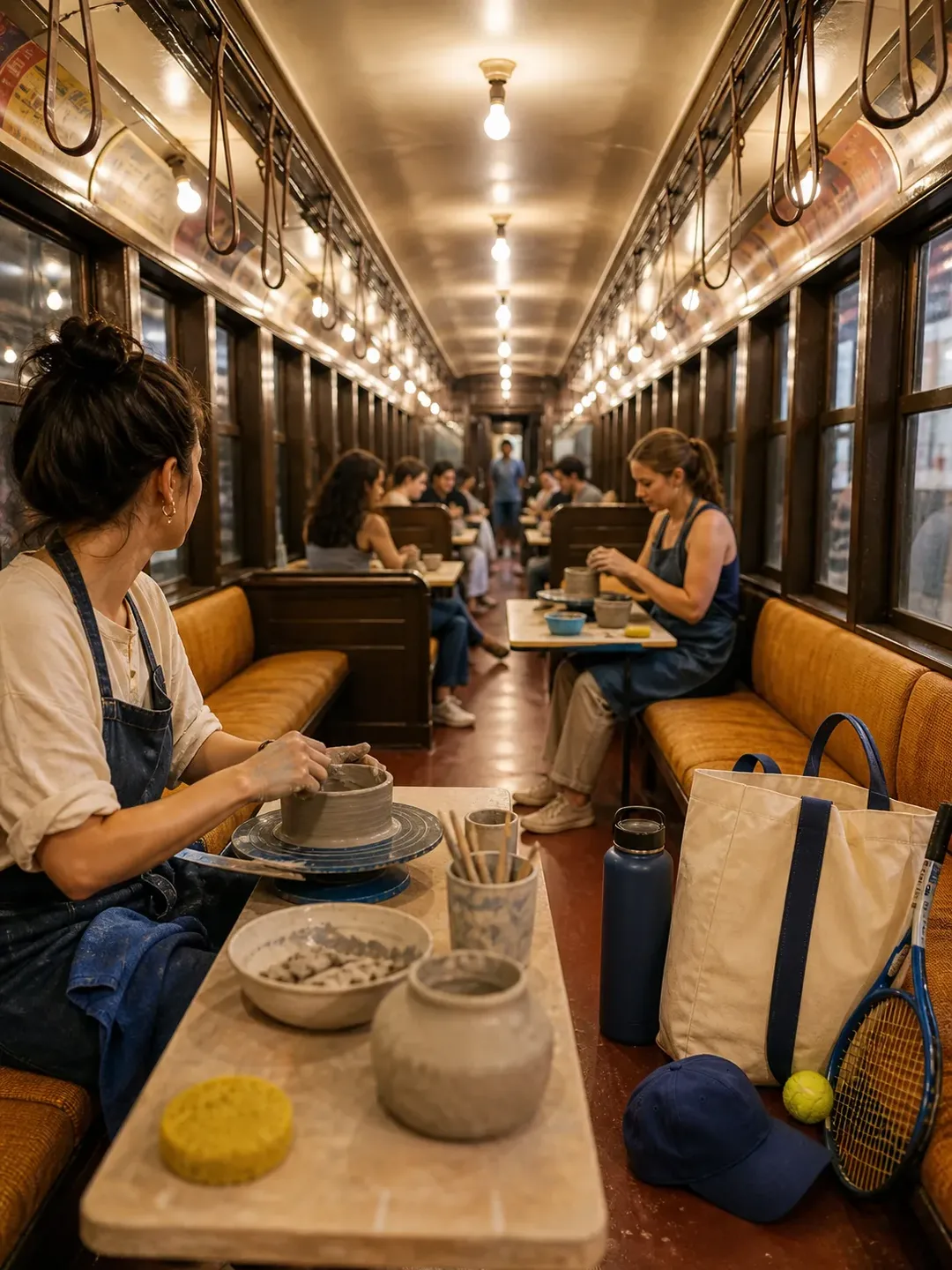
Jackson Heights, Corona, and Flushing—neighborhoods closer to the US Open grounds—host community arts organizations, cultural centers, and libraries that sometimes offer ceramics classes or partner with local artists for workshops. These programs tend to be affordable, beginner-focused, and rooted in the neighborhood's diverse creative traditions. Corona's proximity to Flushing Meadows Corona Park and the Queens Museum makes it a natural stop if you're planning a pre-match walk or post-match meal. Flushing's density and transit hub status mean you might find studio spaces tucked above storefronts or in shared artist buildings. Timing is key: many community programs run on weekday evenings or weekend mornings, so aligning a session with your tournament schedule requires advance planning and flexibility.
Timing your studio visit around match schedules
The US Open's official event schedule, published on usopen.org, lists day-session start times (typically 11 a.m.) and night-session gates (usually 6 or 7 p.m.), but match lengths vary and early-round schedules shift. If you're attending an afternoon session, a morning pottery workshop—say, 9 a.m. to noon—gives you time to clean up, grab lunch, and reach the grounds by first serve. If you're holding night-session tickets, a midday or early-afternoon studio slot lets you enjoy the creative work, then travel east on the 7 train with plenty of buffer. Studios closer to the 7 line—especially stops like 61st Street–Woodside, Junction Boulevard, or Mets–Willets Point—shorten your transit window. Always confirm studio start times, whether you need to book in advance, and how long the session runs, so you're not rushing or missing the opening you planned.
What to bring and what studios provide
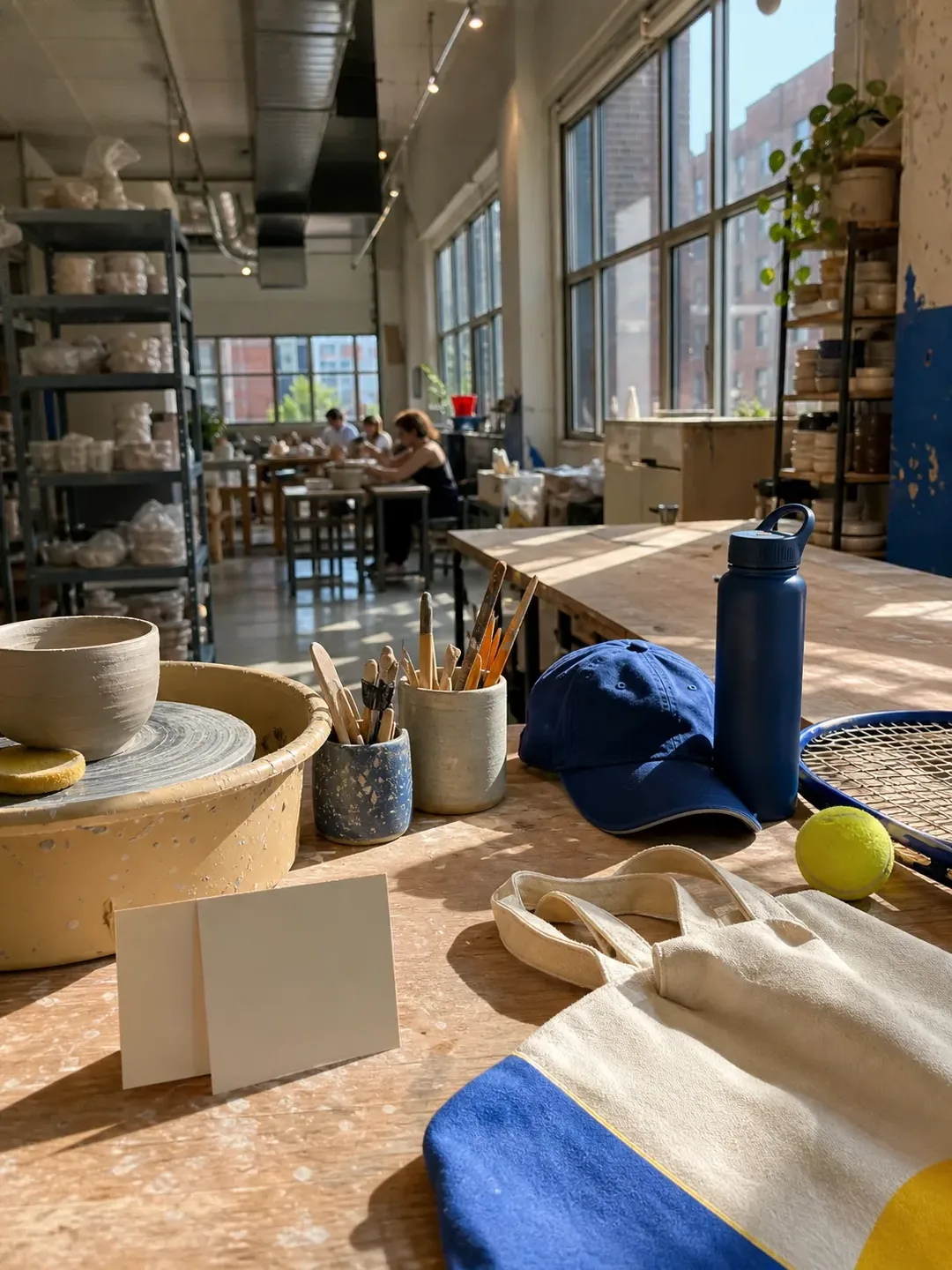
Most drop-in pottery sessions provide clay, wheels, hand-building tools, aprons, and access to sinks. You'll want to wear clothes you don't mind getting dusty—clay dries and brushes off, but wet clay can stain—and closed-toe shoes for safety. Some studios ask you to bring a towel or sponge; others supply everything. If you're planning to keep a piece, ask about firing schedules, pickup windows, and whether the studio ships finished work. Greenware (unfired clay) is fragile, and bisque firing plus glaze firing can take weeks, so if you're visiting from out of town, confirm logistics before you start. For paint-your-own-pottery sessions, the studio typically handles all materials and firing, and you return or arrange shipping for the finished piece. Bringing a water bottle, a small notebook for glaze notes, and a phone for photos of your work-in-progress can enhance the experience.
Pairing pottery with other Queens stops
A pottery session fits naturally into a broader Queens itinerary. If you're starting in Long Island City, the Museum of the Moving Image and Socrates Sculpture Park are nearby, and the waterfront offers views of Manhattan. Astoria's cafes, bakeries, and bookstores make good pre- or post-studio stops. Closer to Flushing Meadows, the Queens Museum and New York Hall of Science—both in Flushing Meadows Corona Park—pair well with a morning pottery class and an afternoon match. Corona's diverse food scene, from Colombian bakeries to Mexican taquerias, provides lunch options between studio and stadium. Flushing's bustling downtown, with its food courts, tea shops, and bookstores, is a natural post-match destination if you've spent the morning at a nearby studio. Checking park hours on the NYC Parks website and museum schedules on queensmuseum.org and nysci.org helps you build a cohesive day.
Practical notes for planning your pottery break
- Check studio websites or call ahead to confirm drop-in hours, booking requirements, and whether beginner instruction is included.
- Review the US Open event schedule on usopen.org to identify gaps in your tournament calendar that align with studio availability.
- Use the MTA's US Open transit guide at new.mta.info to plan 7 train connections between your studio stop and Mets–Willets Point.
- Wear comfortable, clay-friendly clothing and closed-toe shoes; bring a hair tie if you have long hair.
- Ask about firing timelines, pickup policies, and shipping options if you want to keep your finished piece.
- Confirm any studio fees, material costs, or membership requirements before your visit.
- Check the US Open's prohibited-items guide on usopen.org if you're carrying tools or materials and plan to enter the grounds afterward.
- Allow extra travel time during tournament weeks, as 7 train crowding and neighborhood traffic increase near match times.
Planning a pottery break around your 2026 US Open schedule adds a hands-on, creative dimension to your Queens visit, turning tournament downtime into a chance to center clay, meet local artists, and explore neighborhoods beyond the stadium gates. By checking studio formats, timing sessions around match schedules, and using the 7 train to connect creative stops with tennis, you build a trip that balances high-energy competition with quiet, tactile craft—and leaves you with a handmade souvenir or simply the memory of a few hours well spent at the wheel.
Tags: #USOpen2026 #Queens #FlushingMeadows #KarpoFinds #Karpo #toluca-seattlesounders #NewYorkLocal #TennisTravel #NYCLocalLife #TennisTravel
Sources consulted: usopen.org — Official event schedule · usopen.org — Official visitor A-Z guide · usopen.org — Official transportation directions · usopen.org — Official prohibited-items guide · MTA — Official US Open transit guide · NYC Parks — Flushing Meadows Corona Park · Queens Museum · New York Hall of Science · Museum of the Moving Image
All trademarks are the property of their respective owners.
Ask Karpo first
Want to know what is actually open, how to time the trip, and where to pause around Queens? Ask Karpo for the latest public US Open context, a respectful visitor plan, and a live route around Flushing Meadows before you head out.
Ask Karpo for more information.
Keep reading
- Where to Eat Near Penn Station That Isn't a Chain
 Andytown Coffee in the Outer Sunset: The Snowy Plover Explained
- Best Things to Do in Chicago: What the City Gives Away