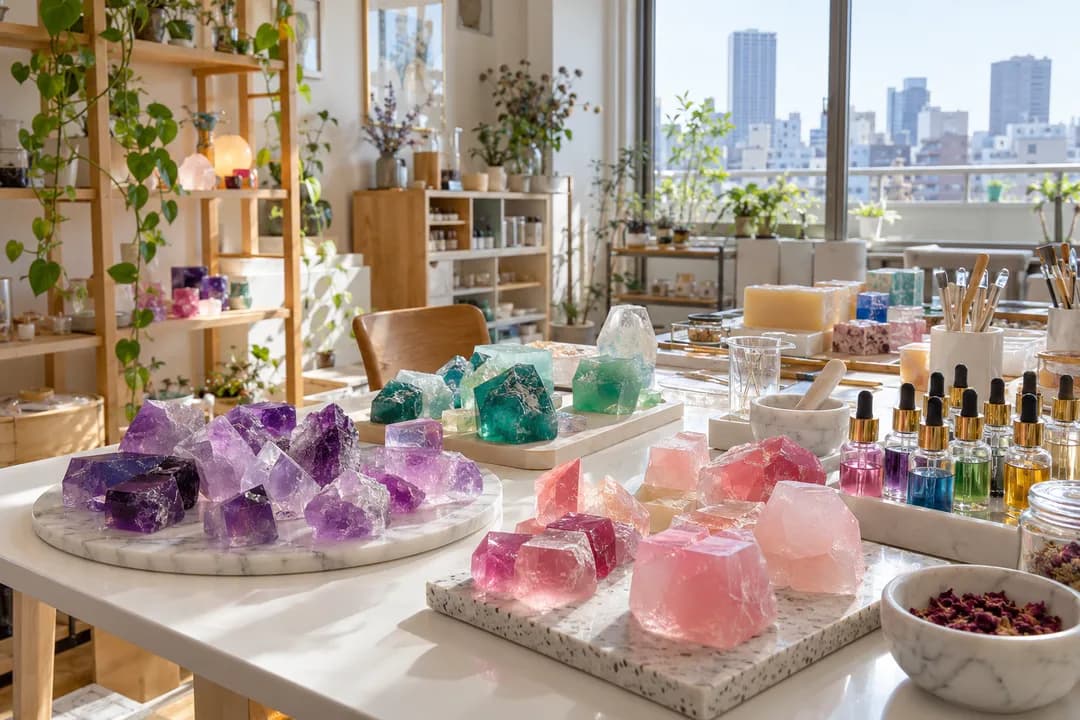
 Soap Making Workshop Near Me in Edogawa: Eight Wakuwaku
Weekend Plans
Botanical Garden Near Me in Shinjuku: Shinjuku Gyoen Greenhouse
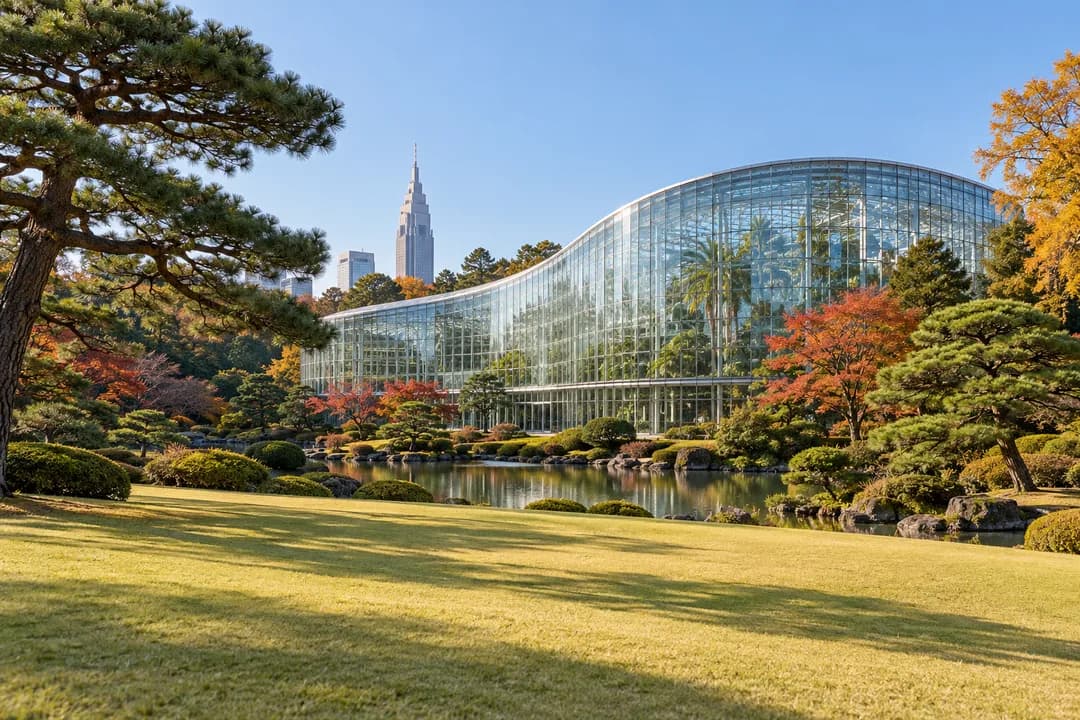
Explore the Shinjuku Gyoen Large Greenhouse in central Tokyo, a curved glass botanical sanctuary preserving rare Ogasawara endemics, imperial orchid varieties, and tropical water lilies.
Set against the dramatic backdrop of towering skyscraper silhouettes in the heart of the capital, the Shinjuku Gyoen Large Greenhouse stands as both an architectural masterpiece and a living repository of Japanese botanical history. Located within the sprawling sixty-hectare grounds of Shinjuku Gyoen National Garden, this luminous curved glass conservatory immerses visitors in a lush subtropical sanctuary teeming with over two thousand distinct plant varieties. The temperature-controlled pavilion provides a serene and contemplative counterpoint to the hurried pace of central Tokyo streets outside, drawing horticulturists, botanical photographers, and casual strollers who seek to experience Japan's historic imperial plant collections in an impeccably maintained conservatory setting.
Meiji Imperial Heritage and Japan's Earliest Glasshouse Conservation
The lineage of glasshouse cultivation at Shinjuku Gyoen traces back to the very dawn of modern Japanese agricultural and botanical science. Originally developed during the Edo period as the private residential estate of the feudal daimyo Lord Naito, the fertile land was acquired by the Meiji government in 1872 to establish the Naito Agricultural Experiment Station. In 1879, government horticulturists constructed an early heated glasshouse on the property to experiment with Western fruit trees, vegetables, and ornamental flora, marking one of the earliest official botanical propagation and acclimatization programs in modern Japanese history.
In 1892, an elegant Western-style imperial greenhouse was completed under the visionary leadership of master royal horticulturist Hayato Fukuba. The facility served the Imperial Household Agency for decades, conducting pioneering orchid hybridization and cultivating prized exotic fruits, including musk melons and sweet pineapples, for grand imperial banquets. Fukuba's groundbreaking horticultural techniques laid the permanent foundation for modern Japanese orchid cultivation. Although wartime air raids destroyed the historic prewar glass pavilions, the living botanical collection was painstakingly re-established in 1958 and steadily expanded, cementing Shinjuku Gyoen's enduring reputation as Japan's premier national institution for tropical plant preservation and horticultural research.
Modern Curved Glass Architecture and Solar Heat Retention Systems
In November 2012, Shinjuku Gyoen unveiled its modern replacement greenhouse, an award-winning architectural triumph designed by the Environmental Design Institute. The structure features a sweeping, gently curved roof formed from hundreds of high-transparency glass panels, carefully engineered to maximize natural daylight while harmonizing gracefully with the surrounding heritage parkland. The soaring fifteen-meter-tall ceilings provide ample vertical clearance for mature tropical palms, while an elevated mezzanine catwalk allows visitors to stroll directly through the mid-canopy level and observe upper-story epiphytes, hanging ferns, and blooming vines from eye level.
Beyond its dramatic visual beauty, the conservatory functions as an advanced working model of metropolitan environmental sustainability. High-performance double-glazed insulating panels, automated roof ventilation louvers, and passive solar heat retention systems dramatically lower energy consumption throughout the chilly autumn and winter months. The interior is divided into specialized climate-controlled ecological zones, including lowland tropical jungle pools, arid succulent terraces, and misty subtropical forest slopes, creating precisely tailored microclimates for fragile botanical specimens gathered from diverse geographical latitudes across the globe.
Rare Ogasawara Endemics, Jade Vines, and Tropical Epiphytic Orchids
The living collection within the greenhouse encompasses over twenty-seven hundred botanical varieties, highlighted by critically endangered species native to Japan's isolated oceanic islands. The dedicated Ogasawara and Ryukyu conservation zone showcases rare island endemics, such as the climbing Melodinus and dwarf island palm varieties that evolved in complete geographical isolation over millions of years. Educational placards detail ongoing ex-situ seed banking and vegetative propagation initiatives conducted in close partnership with Japanese national environmental institutes to rescue vanishing flora from extinction.
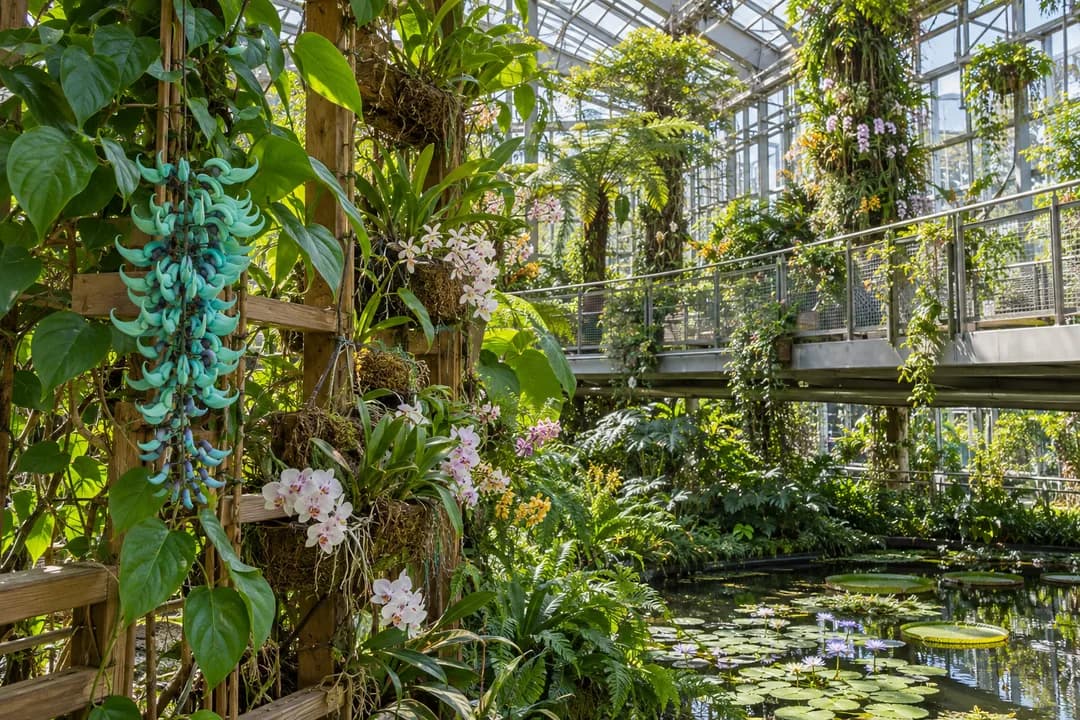
Visitors can also admire globally celebrated botanical wonders, including the famed jade vine with its pendulous clusters of iridescent turquoise blossoms, carnivorous nepenthes pitcher plants, and giant Victoria amazonica water lilies whose circular pads float serenely in central viewing ponds. The heritage orchid gallery pays homage to Hayato Fukuba's imperial breeding programs, displaying historic Cattleya and Dendrobium varieties alongside delicate wild epiphytes clinging to moss-draped trunks, filling the humid indoor air with delicate floral fragrances throughout every season of the year.
National Garden Ticketing, Entry Regulations, and Quiet Stroll Etiquette
Admission to the greenhouse is included with general park entry to Shinjuku Gyoen National Garden, offering exceptional value for international visitors and local residents alike. General adult admission tickets cost ¥500, seniors aged 65 and older pay ¥250, and high school or university students with valid student identification also pay ¥250. Junior high school students and younger children enter completely free of charge. Visitors can purchase entry passes directly at automated gate kiosks using cash, IC transit cards, or major international credit cards, ensuring swift entry even during peak weekend hours.
The greenhouse is situated at 11-1 Naitomachi, Shinjuku City, Tokyo. Greenhouse exhibition hours run from 9:30 am to 3:30 pm, with the outer national garden grounds remaining open until 4:00 pm during the autumn and winter seasons. The park is closed on Mondays, or on Tuesday whenever a national holiday falls on Monday. The park administration office can be reached by telephone at +81 3-3350-0151. Inside the glasshouse, guests must remain on marked stone paths, avoid touching living specimens, refrain from using tripods or selfie sticks on the catwalks, and maintain a quiet, respectful speaking volume throughout the conservatory.
Marunouchi Subway Proximity, Sendagaya Gate Strolls, and Neighborhood Cafes
Public transit access to Shinjuku Gyoen is exceptionally convenient from all major railway hubs across Tokyo. The Okido Gate and Shinjuku Gate are located just a five-minute walk from Exit 1 of Shinjuku-gyoemmae Station on the Tokyo Metro Marunouchi Line, while Shinjuku-sanchome Station on the Fukutoshin Line is less than ten minutes away on foot. Visitors arriving via JR lines can enjoy an easy ten-minute stroll eastward from the South Exit of Shinjuku Station, or access the southern park perimeter directly from JR Sendagaya Station.
After admiring the tropical glasshouse, visitors are encouraged to spend unhurried hours exploring the surrounding national garden, which features sweeping English landscape lawns, formal French geometric rose gardens, and an authentic Japanese stroll garden anchored by reflective koi ponds and historic teahouses. Exiting through the Shinjuku Gate leads directly into a charming neighborhood filled with artisanal matcha dessert shops, independent bookstores, and quiet traditional kissaten cafes. It provides the perfect contemplative conclusion to a refreshing day spent immersed in metropolitan botanical splendor.
Ask Karpo for more information.
Keep reading
- Soap Making Workshop Near Me in Edogawa: Eight Wakuwaku
 Soap Making Workshop Near Me in Nakameguro: Luxum
 Soap Making Workshop Near Me in Ikebukuro: And S