 Soap Making Workshop Near Me in Nakameguro: Luxum
Weekend Plans
Soap Making Workshop Near Me in Edogawa: Eight Wakuwaku
8%WAKUWAKU hosts eco-friendly natural botanical soap making workshops at 3-15-16 Nishi-Ichinoe, Edogawa City, Tokyo 132-0023 from ¥1,500 in eastern Tokyo.
8%WAKUWAKU (手作り石鹸教室 8%WAKUWAKU) operates a warm, community-centered natural soapmaking atelier and craft studio at 3-15-16 Nishi-Ichinoe, Edogawa City, Tokyo 132-0023, situated in the tranquil residential heart of eastern Tokyo. Founded in 2020 by certified environmental soapcrafting instructors dedicated to zero-waste household living, 8%WAKUWAKU conducts accessible workshops that demystify soap formulation for everyday families and hobbyists. Anyone looking for an authentic, welcoming soap making workshop near me discovers a down-to-earth neighborhood studio where natural plant oils, domestic rice bran extracts, and citrus peel infusions are transformed into gentle, biodegradable household and bath soaps at remarkably affordable rates.
Warm Neighborhood Craft Space in Traditional Shitamachi Edogawa
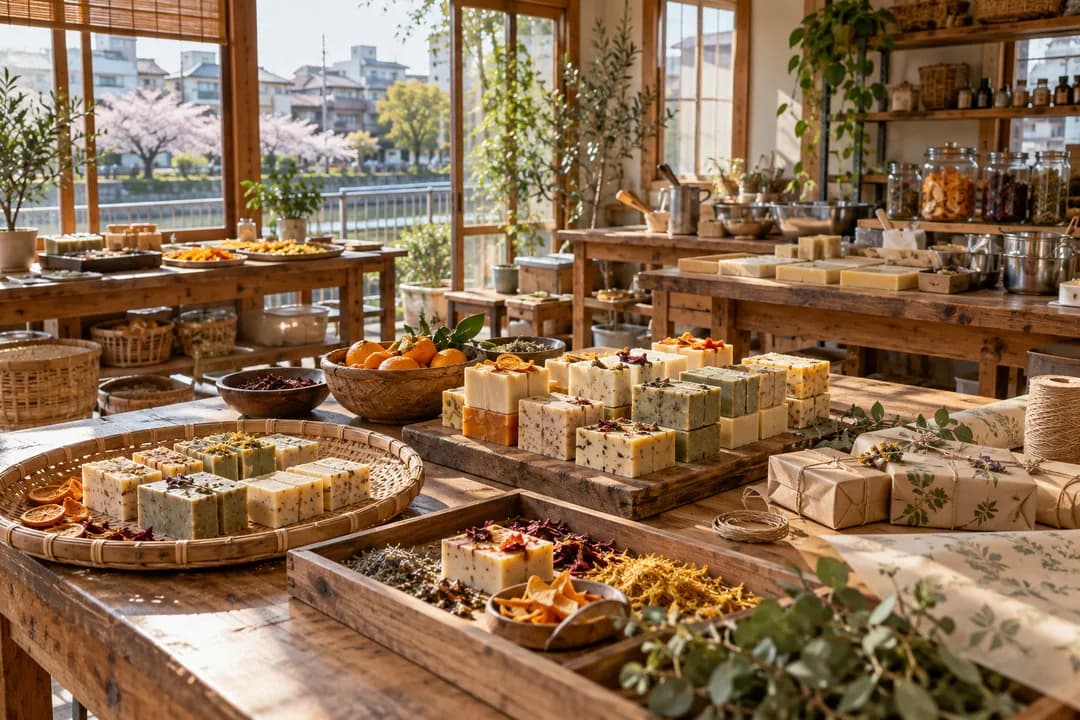
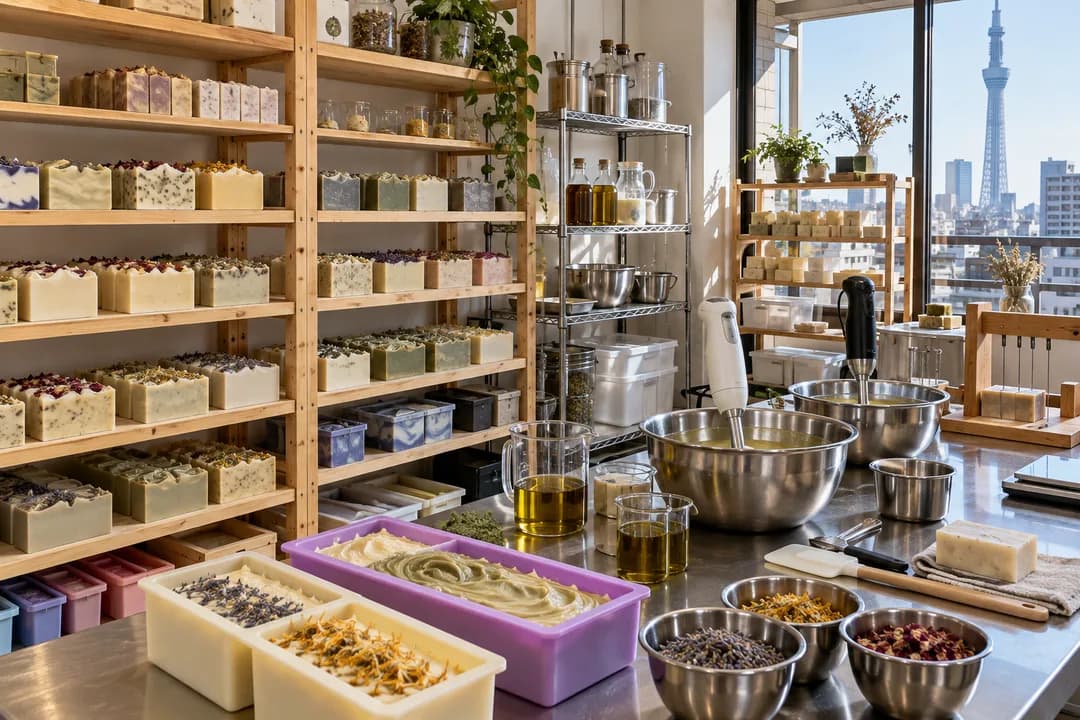
Located in the family-friendly shitamachi district of Nishi-Ichinoe along quiet streets lined with family homes and small green parks, 8%WAKUWAKU offers an unpretentious, home-like craft environment. The atelier is equipped with sturdy wooden workbenches, enamel mixing bowls, stainless hand whisks, and silicone loaf cutters. Shelves are stocked with organic vegetable oils, domestic rice bran oil, unrefined coconut oil, and glass containers of dried botanical powders. The open studio is bathed in warm daylight, filled with honest, uplifting aromas of domestic yuzu peel, Japanese peppermint, and natural lavender.
The studio's founding ethos, reflected in its playful name, is making sustainable handmade soap accessible and joyful for everyone. While high-end commercial salons often charge steep fees for luxury styling, 8%WAKUWAKU focuses on practical, eco-conscious everyday soaps that are healthy for the skin, gentle on household pipes, and fully biodegradable. Instructors take time to explain how simple vegetable lipids combine with alkaline reagents to produce gentle, additive-free soap that eliminates the need for plastic bottle packaging and synthetic foaming agents in daily household life.
Sustainable Formulation Using Natural Rice Bran and Citrus Peels
The studio's signature curriculum teaches participants how to craft nutrient-dense botanical soaps utilizing domestic agricultural ingredients. Students work with domestic Japanese rice bran oil (komeabura), prized for its rich content of skin-nourishing vitamin E and squalene, combined with pure coconut oil for generous lather and olive oil for deep conditioning. Instructors guide students in measuring oils accurately on digital kitchen scales and slowly blending them with mild lye solutions prepared under attentive safety supervision.
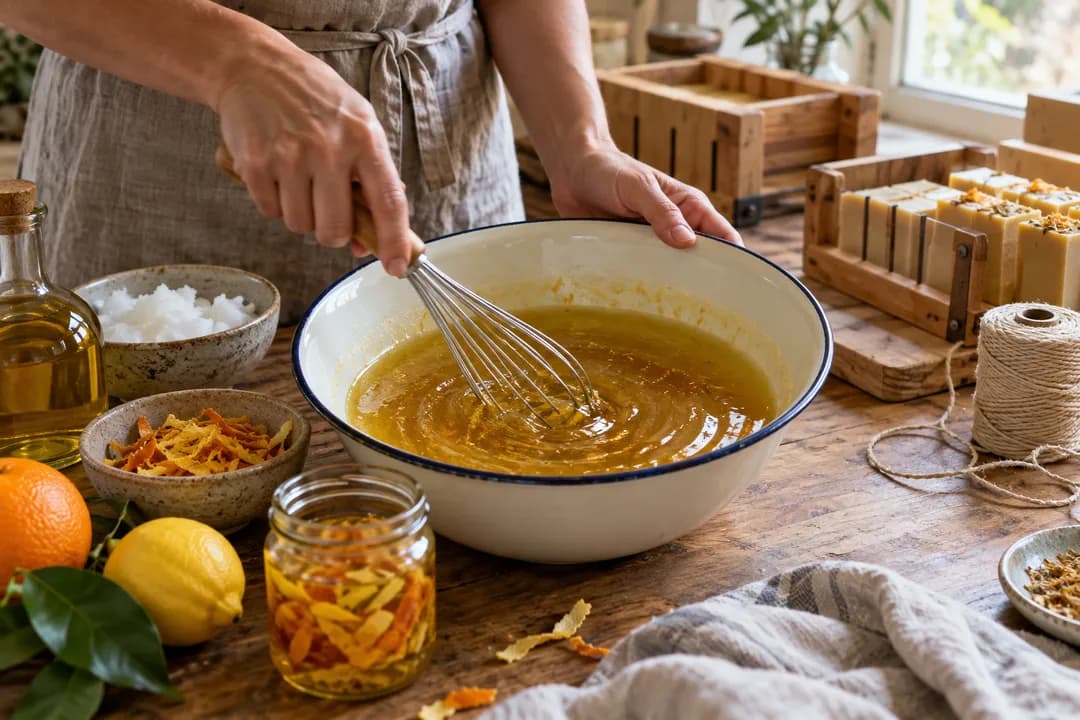
Participants learn to personalize their batches with natural exfoliants and botanical colorants, incorporating dried Japanese orange peel, powdered organic green tea (matcha), and bamboo charcoal. Hand-whisking the batter in wide enamel bowls creates a rhythmic, meditative experience as the mixture thickens into trace. Once the batter reaches a rich custard consistency, it is poured into recycled wooden frames or individual silicone molds, yielding a block of wholesome, skin-friendly soap that naturally retains moisturizing vegetable glycerin without harsh artificial preservatives.
Accessible Community Tuition and Family-Friendly Formats
In keeping with its community-first philosophy, 8%WAKUWAKU offers some of the most accessible workshop pricing anywhere in the Tokyo metropolitan area. Introductory community soapmaking sessions are priced from ¥1,000 to ¥2,000 (tax included) per person, with standard hands-on workshops averaging approximately ¥1,500 including all base oils, botanical additives, equipment usage, and take-home soap molds. The affordable pricing allows parents, children, and hobbyists to participate regularly without financial hesitation.
For crafters interested in broader ecological crafts, the studio also runs workshops on natural household cleaning bars, liquid laundry soap made from recycled cooking oils, and gentle pet shampoo bars priced between ¥1,200 and ¥2,500. Public sessions are held on selected weekday mornings from 10:00 am and weekend afternoons from 1:30 pm. Because classes are organized in small, supportive cohorts of three to six participants to guarantee hands-on attention, advance registration is required through their official website at soapclass8wakuwaku.my.canva.site or by phone at 080-5176-1115.
Safe Hand-Mixing Techniques, Child Supervision, and Curing Boxes
8%WAKUWAKU maintains a welcoming, patient atmosphere where first-time soapers feel completely supported. Participants slip off outdoor shoes at the entrance and are provided with cotton aprons and protective gloves. When children or beginners attend, instructors manage all caustic measurement and lye mixing beforehand or under close one-on-one supervision, allowing students to focus safely on oil blending, scent infusion, and color swirling without anxiety.
Students are guided to whisk with steady, controlled motions close to the bottom of the bowl to avoid splashes while ensuring thorough emulsification. After pouring the batter into provided molds, students place their container inside a sturdy cardboard transport box lined with bubble wrap or towels to maintain warmth on the journey home. The fresh soap must rest covered at home for twenty-four hours to finish solidifying before slicing into bars, followed by three to four weeks of natural curing on a shaded, airy shelf before everyday use.
Cycling Along the Komatsugawa River and Local Confectioneries
Edogawa City is cherished by Tokyo locals for its extensive waterfront green spaces, quiet residential cycling paths, and friendly shitamachi shopping streets. Following your soap workshop, take a pleasant stroll or bicycle ride through the neighborhood toward the Komatsugawa and Shinkawa canals, where paved riverbank parks provide wide-open skies and refreshing breezes uncommon in central high-rise wards.
Walk eight minutes west from Nishi-Ichinoe to Shinkawa Senbonzakura promenade, a scenic waterfront canal park lined with hundreds of blooming trees, historic boat landings, and wooden footbridges. Along nearby Ichinoe Dori, stop by traditional neighborhood Japanese sweet shops such as Confectionery Tamaya for freshly grilled dango and seasonal dorayaki pancakes, which offer a delightful, nostalgic taste of Tokyo's historic merchant quarter.
Transit Route Options for Reaching Nishi-Ichinoe
8%WAKUWAKU is located at 3-15-16 Nishi-Ichinoe, Edogawa City, Tokyo 132-0023, and can be contacted by telephone at +81 80-5176-1115 or locally at 080-5176-1115. Public transit access is convenient from multiple railway lines: take the Toei Shinjuku Line to Ichinoe Station (Exit A1), from which the studio is a short six-minute bus ride on the Keisei Bus (heading toward Kasai or Kameido) or a fifteen-minute neighborhood walk. Alternatively, take the Tokyo Metro Tozai Line to Kasai Station and catch the frequent local bus toward Ichinoe, disembarking at the Nishi-Ichinoe San-chome bus stop right around the corner from the studio. Street parking is limited, so public buses or bicycles are recommended. If weekend class slots are full, inquire via their website for weekday morning workshops or customized family group lessons.
Ask Karpo for more information.
Keep reading
- Soap Making Workshop Near Me in Nakameguro: Luxum
 Soap Making Workshop Near Me in Ikebukuro: And S
 Soap Making Workshop Near Me in Oshiage: Ciao Soap