 Soap Making Workshop Near Me in Edogawa: Eight Wakuwaku
Weekend Plans
Botanical Garden Near Me in Itabashi: Tropical Plant Museum
Discover Itabashi Botanical Garden in Takashimadaira, a lush municipal conservatory recycling incineration steam to sustain Southeast Asian rainforests, freshwater stingrays, and cloud forest orchids.
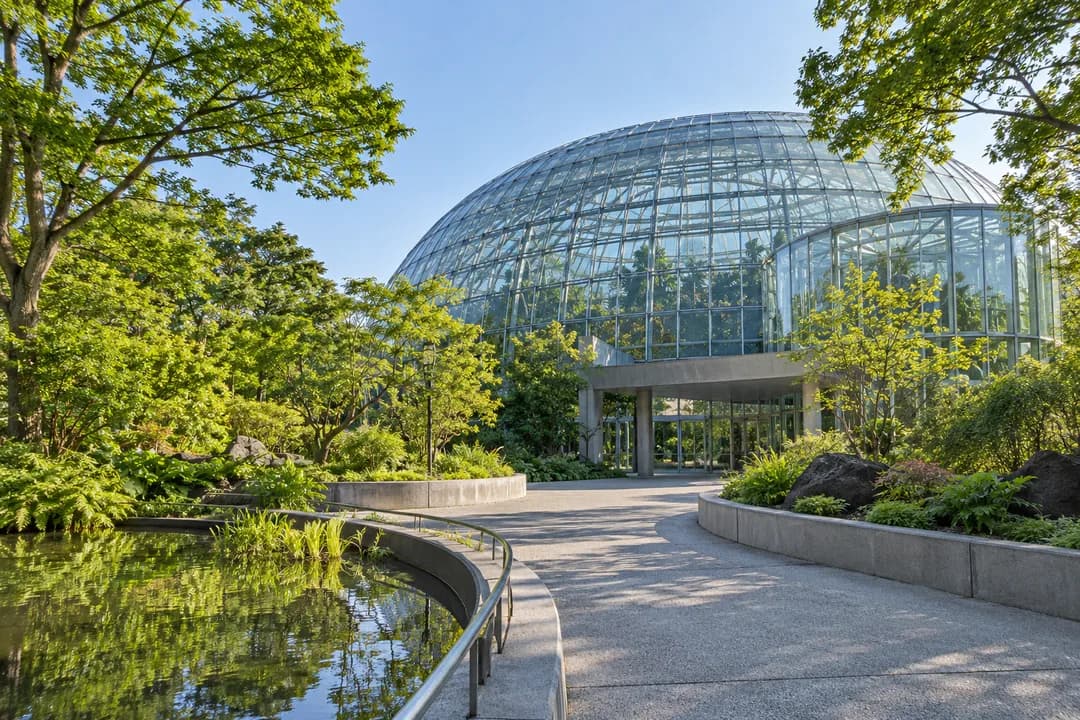
Tucked away in the quiet northern neighborhood of Takashimadaira, the Itabashi Botanical Garden, officially known as the Itabashi Tropical Environmental Plant Museum, offers an astonishing encounter with Southeast Asian equatorial ecology. Inside a gleaming multi-tiered glass pavilion, warm humid air carries the earthy aroma of damp loam and tropical blossoms, inviting travelers to step completely out of Tokyo's brisk autumn breezes. The facility is celebrated locally for its unique combination of botanical conservation, environmental education, and community leisure. Whether you are seeking a peaceful nature retreat or an educational weekend family excursion, this hidden metropolitan botanical sanctuary provides a remarkably lush living forest experience right in the residential heart of northern Tokyo.
Incineration Thermal Recycling and the Birth of a Municipal Rainforest
The origins of this municipal botanical conservatory represent an inspiring milestone in forward-thinking urban ecological engineering. Opened to the public in September 1994, the entire complex was designed from its earliest blueprints to capture and utilize surplus heat and steam generated by the adjacent Itabashi Clean Center municipal waste incineration plant. Rather than permitting valuable industrial thermal energy to dissipate harmlessly into the sky, city planners constructed high-efficiency subterranean heat exchange pipes. These systems channel continuous thermal warmth into the glass dome, maintaining stable equatorial temperatures and humidity throughout the freezing winter months without relying on heavy fossil fuels or high-emission heating boilers.
Affectionately nicknamed Greener by Takashimadaira residents, the three-story facility was developed in close academic partnership with professional research botanists specializing in Southeast Asian lowland jungle ecosystems. Across approximately one thousand square meters of thoughtfully designed exhibition terrain, the museum faithfully reproduces three distinct microclimates, ranging from brackish coastal mangrove estuaries up to cool mountainous cloud forests. This sustainable thermal recycling model has earned the institution widespread praise from architectural and environmental organizations as an exemplary municipal template for low-carbon metropolitan horticulture and neighborhood climate education.
Subterranean Stingrays and Mangrove Estuary Boardwalks Beneath the Glass Dome
The visitor route begins unexpectedly on the subterranean basement level, where an ambient mini aquarium introduces the diverse freshwater ecology of the Sundaland river basins. Thick acrylic observation tanks display fascinating aquatic creatures that thrive along equatorial riverbanks and estuarine channels, including graceful freshwater stingrays gliding across pale river sand, prehistoric Asian arowana patrolling shadowy currents, and lively mudskippers clinging to tangled mangrove roots. Detailed Japanese and English display placards explain how riverine water quality directly supports downstream forest biodiversity and traditional fishing villages across Southeast Asia.
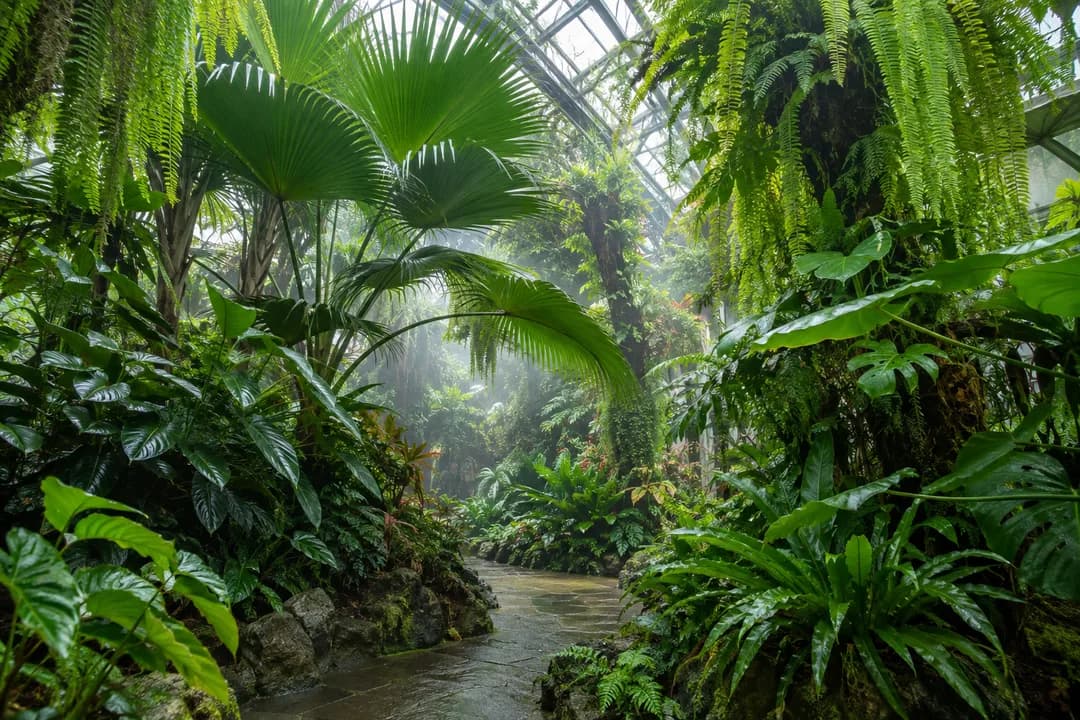
Ascending via a gentle ramp onto the ground floor, guests enter the expansive tropical rainforest hall, where towering fan palms, weeping figs, and thick clusters of bamboo reach toward the vaulted glass roof. Wooden boardwalks guide guests directly through a reconstructed mangrove swamp, where authentic aerial stilt roots dip into shallow tidal pools. Along the meandering trail, visitors encounter spectacular seasonal treasures, including the giant Amazon water lily, carnivorous nepenthes pitcher plants suspended from mossy branches, vibrant flowering orchids, and climbing vines that frame picturesque vistas across the verdant indoor canopy.
High Elevation Cloud Forest Flora and Endangered Tropical Specimens
A gently winding staircase leads to the upper level, where the ambient indoor atmosphere shifts noticeably as cooler mountain air circulates through the specialized cloud forest gallery. In this climate-controlled zone, automated misting nozzles periodically bathe delicate montane vegetation in fine vapor, replicating the high-altitude elevations of Mount Kinabalu in Borneo. Epiphytic orchids, delicate insectivorous sundews, and ancient tree ferns cling to artificial rock faces, showcasing extraordinary evolutionary adaptations developed to harvest moisture and nutrients directly from passing clouds in foggy tropical highlands.
The botanical museum plays an active role in international plant conservation, cultivating vulnerable tropical varieties that face severe habitat destruction in the wild. During select seasons, fortunate visitors can witness the rare blooming of titan arum specimens, whose colossal flowering structures generate intense public interest among Tokyo plant enthusiasts and visiting researchers. Quiet benches placed beneath broad palm fronds invite contemplative observation, allowing guests to sketch exotic foliage, read nature journals, or simply listen to the soothing trickle of cascading terrarium waterfalls echoing throughout the glass dome.
Admission Pricing, Free Saturday Youth Entry, and Seasonal Visitor Etiquette
Visiting this metropolitan green haven is remarkably affordable, making it one of the most accessible educational outings anywhere in the capital. Adult admission costs ¥260, elementary and junior high school students pay ¥130, and seniors aged 65 and over enter for ¥130. Children under school age enter completely free of charge. In a generous municipal initiative supporting local youth education, all elementary and junior high school students receive completely free admission on Saturdays and official public holidays throughout the school term, encouraging families to return regularly to study changing seasonal blossoms.
The conservatory is located at 8-29-2 Takashimadaira, Itabashi-ku, Tokyo. Standard operating hours run from 10:00 am to 6:00 pm, with last entry permitted until 5:30 pm. The facility is closed on Mondays, or on Tuesday whenever a national holiday falls on Monday, as well as during the year-end holiday period from December 28 to January 4. For direct inquiries, the front desk can be reached at +81 3-5920-1131. To preserve the living collection, guests must refrain from touching sensitive leaves, park strollers in the designated entry foyer, and avoid tripod photography along the narrow elevated catwalks.
Takashimadaira Transit Connections and Peaceful Residential Greenways
Reaching the conservatory by public transit is straightforward and relaxing. From central Tokyo stations, travelers can take the Toei Mita Line directly to Takashimadaira Station, disembark at the East Exit, and enjoy a pleasant seven-minute stroll heading southward along wide, tree-lined pedestrian boulevards. Along the walking route, clear neighborhood directional signs guide visitors past manicured residential flower beds, small community parks, and quiet apartment complexes, providing an authentic glimpse into everyday Tokyo neighborhood life far removed from the bustling commercial corridors of major rail interchanges.
After completing your tour through the tropical jungle canopy, consider extending your afternoon with a peaceful walk through the nearby Takashimadaira Green Path, an elongated linear parkway popular with local joggers and neighborhood walkers. The surrounding blocks feature welcoming neighborhood eateries, including traditional hand-pulled soba noodle shops and cozy family-run kissaten cafes serving hot pour-over drip coffee alongside toasted shokupan sandwiches. Pairing a morning greenhouse tour with an unhurried neighborhood stroll delivers a deeply refreshing cultural and botanical retreat.
Ask Karpo for more information.
Keep reading
- Soap Making Workshop Near Me in Edogawa: Eight Wakuwaku
 Soap Making Workshop Near Me in Nakameguro: Luxum
 Soap Making Workshop Near Me in Ikebukuro: And S