 Soap Making Workshop Near Me in Edogawa: Eight Wakuwaku
Weekend Plans
Tokyo Art Museum Guide to The Historic Tokyo Metropolitan Art Museum
Explore the historic Tokyo Metropolitan Art Museum in Ueno Park, featuring Kunio Maekawa's red-brick architecture, civic art salons, and international loan shows.
For cultural pilgrims and casual park wanderers searching for an inspiring, community-centered art museum near me in Tokyo, the Tokyo Metropolitan Art Museum offers a century of rich artistic heritage. Situated at 8-36 Ueno-koen, Taito City, Tokyo 110-0007, this beloved civic landmark—affectionately known to generations of Tokyoites as Tobikan—serves as the beating heart of public visual culture in the capital. As Japan's very first public art museum, the institution blends historic democratic art salons with world-renowned international loan retrospectives inside a celebrated modernist brick sanctuary.
Keitaro Sato's Philanthropy and Kunio Maekawa's Red-Brick Masterpiece
The origins of the Tokyo Metropolitan Art Museum date back to May 1, 1926, when it was inaugurated under the municipal government of Tokyo following a generous one-million-yen donation by coal industrialist and philanthropist Keitaro Sato. Sato believed passionately that modern Tokyo deserved a grand public palace where working citizens could experience artistic beauty and where emerging artists from across the nation could exhibit their creations without political interference.
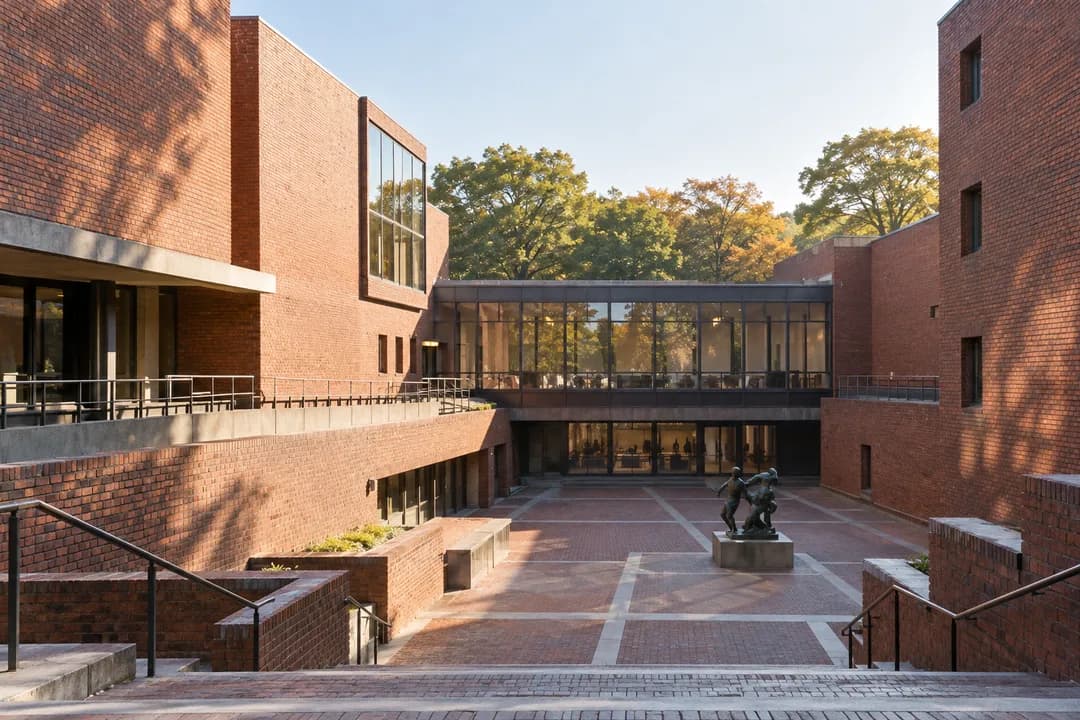
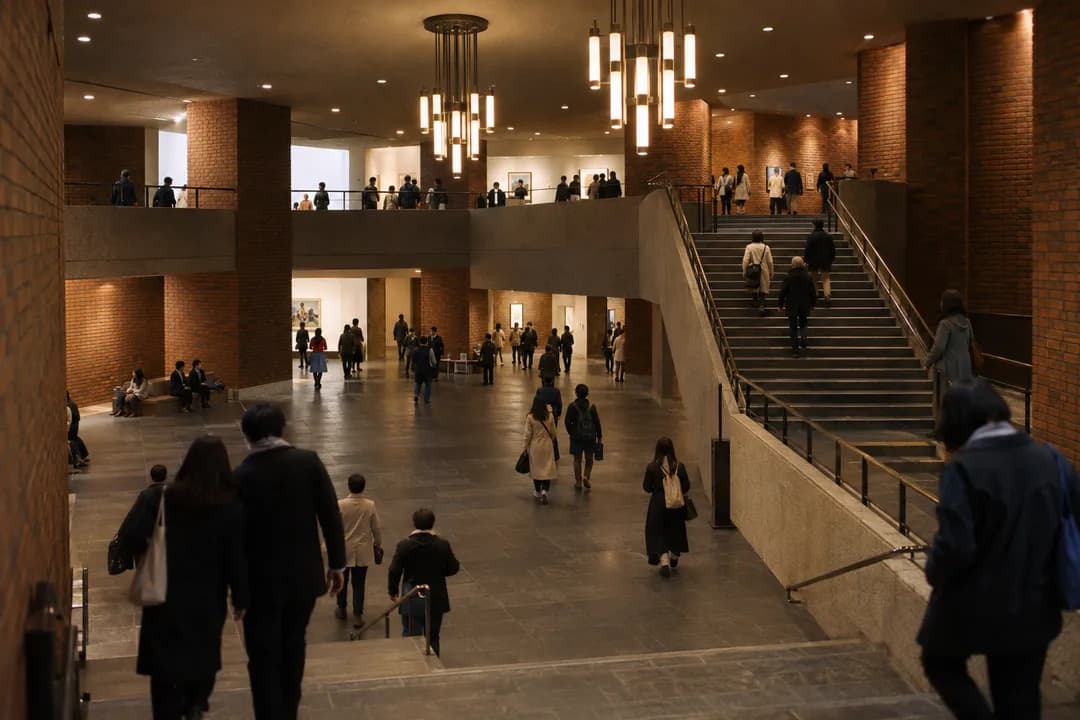
As visitor numbers expanded over the twentieth century, the original structure was replaced in 1975 with the current masterwork designed by modernist architect Kunio Maekawa, a foremost disciple of Le Corbusier. Maekawa engineered a low-profile architectural complex featuring warm reddish-brown tiled exterior brickwork designed to sit harmoniously beneath the canopy of Ueno Park's ancient ginkgo and zelkova trees. To respect the park's strict height regulations, Maekawa buried approximately sixty percent of the building volume underground, organizing exhibition halls around a sunken, sunlit granite courtyard.
Throughout the museum's public courtyards and open terraces, visitors encounter striking modern sculptures integrated into the architecture. Highlights include Bukichi Inoue's meditative sphere sculpture titled my sky hole 85-2, which reflects the shifting clouds and seasonal greenery, and Isamu Noguchi's majestic granite monument titled Seitan, inviting contemplation in the fresh open air.
Maekawa's signature precast concrete facade cladding is subtly textured with exposed river stones, giving the sprawling institution an approachable, tactile presence. Wide perimeter glass walls bring natural reflections of surrounding camphor and pine trees directly into the public transit corridors, reinforcing the bond between art and civic parkland.
Civic Art Societies, Blockbuster International Loans, and Public Education
True to its founding mandate as an open civic gateway to the arts, Tobikan functions as Japan's premier venue for annual public group art societies. Each month, its expansive gallery floors showcase thousands of juried works submitted by grassroots artist collectives, historic calligraphy organizations, water-colorists, and printmaking guilds, offering visitors an authentic window into contemporary Japanese everyday creative practice.
Alongside these grassroots exhibitions, the museum regularly organizes premier international thematic presentations in its dedicated special exhibition galleries. Past landmark presentations have brought treasures from the Boston Museum of Fine Arts, the Van Gogh Museum in Amsterdam, the Munch Museum in Oslo, and the State Hermitage Museum to Tokyo, drawing hundreds of thousands of art enthusiasts from across the country.
Education and accessibility remain central to the museum's civic mission. The institution hosts regular Tobikan Young Curators workshops, tactile sensory tours for visually impaired visitors, architectural history walks led by volunteer art communicators known as Tobira, and open studio sessions where visitors can engage directly with contemporary artists and craftspeople.
The museum's Art Lounge on the first floor provides comfortable seating designed by Danish furniture master Hans Wegner, allowing visitors to rest, read art journals, and appreciate architectural monographs in an unhurried, welcoming setting.
Banquets at Restaurant Salon, Art Lounges, and Ueno Tosho-gu Walks
Tobikan offers exceptional on-site dining and relaxation facilities open to park visitors even without an exhibition ticket. On the museum's upper floor, Restaurant Salon serves exquisite French-Japanese seasonal menus featuring roast beef, fresh fish fillets in white wine emulsion, and traditional demi-glace hamburg steak, all framed by floor-to-ceiling park views. For casual fare, Cafe Art on the first floor serves artisanal matcha lattes, siphon coffee, and fresh sandwiches. The museum shop on the central concourse carries exhibition catalogues, artisanal canvas tote bags, custom stationery, and traditional Japanese wooden folk toys crafted by regional artisans.
Stepping outside into the tranquil greenery of northern Ueno Park, visitors can wander down the adjacent stone-paved path toward the ornate gold-leaf gates of Ueno Tosho-gu Shrine, dedicated to shogun Tokugawa Ieyasu. In winter and spring, the shrine's historic peony garden blooms in vibrant color, while the Kan'ei-ji Five-Story Pagoda rises majestically through the tree branches above the museum plaza. The surrounding park pathways feature shaded stone benches, historic bronze lanterns, and quiet clearings where open-air sketching groups gather on sunny weekend afternoons.
Visitor Guidelines, Exhibition Pricing, and Subway Transit Links
Admission to enter the museum grounds, explore the subterranean public concourse, browse the museum shop, and dine at the cafes is completely free of charge. Thematic special exhibitions require individual admission tickets, typically priced at ¥2,200 for adults, ¥1,400 for university students, and free for junior high school students and younger, as well as visitors holding a physical disability certificate along with one caregiver.
The museum opens Tuesday through Sunday from 9:30 am to 5:30 pm, with final admission granted thirty minutes before closing. During special exhibition runs, evening hours are extended until 8:00 pm on Fridays. The museum is closed on the first and third Mondays of each month, except on national holidays when it opens and closes the subsequent Tuesday. Guests seeking exhibition schedules, guided tour reservations, or wheelchair assistance can contact the museum reception directly at 03-3823-6921, or +81 3-3823-6921 for callers outside Japan.
Access to the museum through Ueno's park network is pleasant and straightforward. The facility is a scenic seven-minute walk from the Park Exit of JR Ueno Station, and approximately ten minutes on foot from Ueno Station on the Tokyo Metro Ginza and Hibiya lines. Visitors can also approach the museum from the west via a ten-minute walk from Nezu Station on the Tokyo Metro Chiyoda Line, strolling through the quiet historic residential lanes of the charming Yanaka neighborhood.
For curated neighborhood itineraries, seasonal exhibition alerts, and authentic local culinary recommendations across Tokyo, explore the Karpo APP. Whether you are discovering historic museums in Ueno or exploring hidden kissaten coffee shops in Yanaka, the app ensures every Tokyo experience is thoughtfully tailored and effortless.
Ask Karpo for more information.
Keep reading
- Soap Making Workshop Near Me in Edogawa: Eight Wakuwaku
 Soap Making Workshop Near Me in Nakameguro: Luxum
 Soap Making Workshop Near Me in Ikebukuro: And S