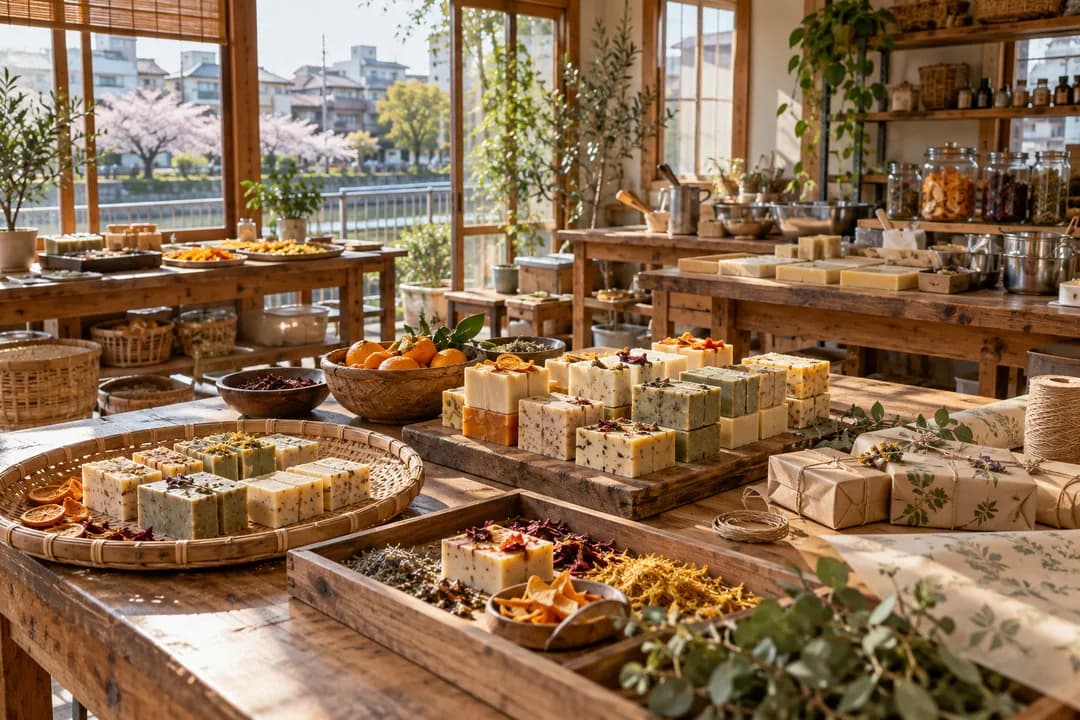
 Soap Making Workshop Near Me in Edogawa: Eight Wakuwaku
Weekend Plans

Tokyo Art Museum Guide to The National Museum of Modern Art
Explore The National Museum of Modern Art, Tokyo near the Imperial Palace, featuring 13,000 modern Japanese masterworks and panoramic moat-view lounges.
For art lovers, design enthusiasts, and curious travelers looking for an authoritative and historically rich art museum near me in Tokyo, The National Museum of Modern Art, Tokyo—widely celebrated as MOMAT—stands as the definitive chronicle of Japanese modern creative identity. Situated at 3-1 Kitanomaru-koen, Chiyoda City, Tokyo 102-8322, this distinguished national institution sits right alongside the historic stone moats and imperial ramparts of the Imperial Palace. Housing over thirteen thousand paintings, sculptures, prints, and photographs spanning the late nineteenth century to the present, the museum offers visitors an intimate, panoramic journey through Japan's turbulent transition from feudal isolation to global contemporary artistic leadership.
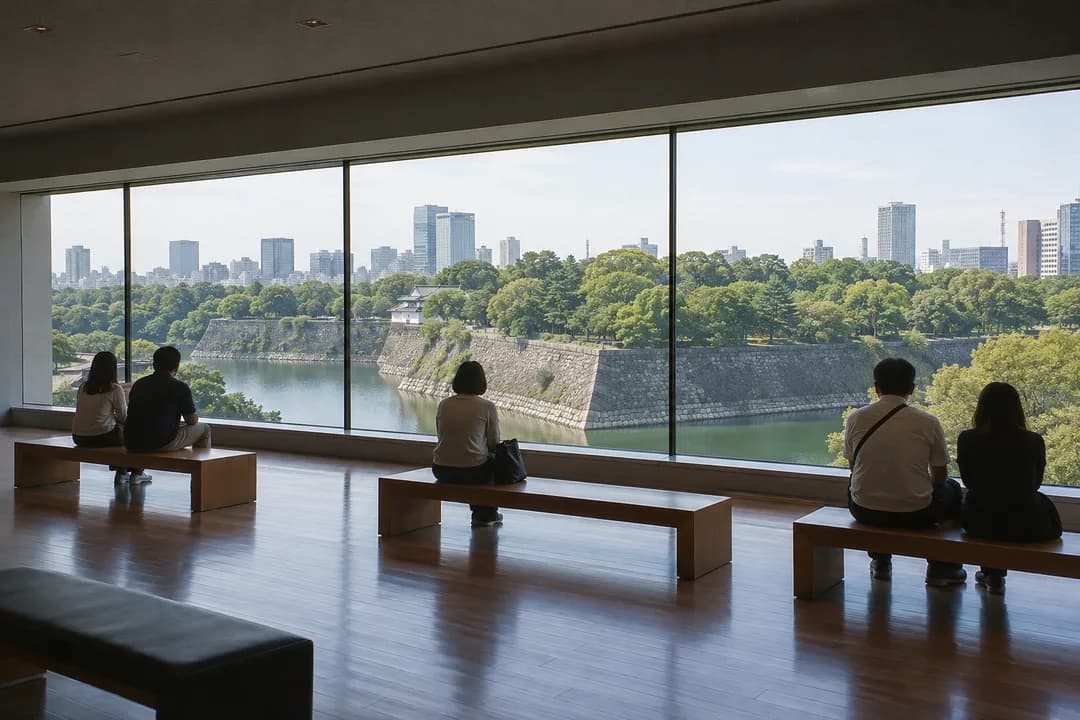
Yoshiro Taniguchi's Palace Architecture and A Room with a View
The National Museum of Modern Art, Tokyo was established in December 1952 in the downtown Kyobashi district as Japan's very first national art museum, occupying a former municipal building. In response to a rapidly expanding permanent collection, the museum relocated in 1969 to its current prestigious home in Kitanomaru Park, commissioning celebrated Japanese modernist architect Yoshiro Taniguchi to design a purpose-built exhibition complex. Taniguchi, famed for his graceful harmonization of traditional Japanese proportions with Western modernism, conceived a dignified white stone pavilion framed by bronze trim.
In 2001, the facility underwent an extensive seismic strengthening and expansion overseen by Yoshiro's son, renowned museum architect Yoshio Taniguchi. The renovation refreshed the chronological exhibition layout, expanding gallery spaces across four generous upper floors while maintaining the building's seamless connection to the surrounding Imperial Palace gardens and ancient stone walls.
One of the museum's most celebrated architectural highlights is the fourth-floor observation lounge, officially titled A Room with a View. Equipped with custom wooden seating, this tranquil panoramic chamber features massive uninterrupted horizontal glass windows overlooking the dramatic stone fortifications, peaceful waters of the Takebashi Moat, and flowering cherry trees of Kitanomaru Park, offering an idyllic contemplative pause during an intensive gallery tour.
The gallery floors feature subtle acoustic treatments and subdued ambient illumination engineered specifically to protect light-sensitive washi paper and silk scrolls, while wide central corridors allow crowds to circulate comfortably during high-demand weekend retrospectives.
From Meiji Enlightenment to Avant-Garde: 13,000 Modern Masterworks
MOMAT's permanent collection constitutes the most comprehensive visual chronicle of modern Japanese art history in existence. The museum's primary permanent exhibition, titled the MOMAT Collection, curates approximately two hundred works rotated three to four times annually, ensuring that return visitors always encounter fresh thematic dialogues between historic traditions and avant-garde rebellions.
The chronological journey begins on the fourth floor with the dramatic modernization of the Meiji period in the late nineteenth century, tracing how traditional Japanese Nihonga mineral-pigment painting evolved through revolutionary masters such as Hishida Shunso, whose monumental pair of folding screens Fallen Leaves is designated an Important Cultural Property, and Gyoshu Hayami. The galleries simultaneously showcase the emergence of Western-style Yoga oil painting, displaying powerful expressive portraits and landscapes by Ryuzaburo Umehara, Tetsugoro Yorozu, and Ryusei Kishida.
Descending through the third and second floors, visitors explore the dynamic crosscurrents of Taisho democracy, pre-war surrealism, wartime official war paintings by Tsuguharu Foujita, and the explosive post-war avant-garde explosion. Groundbreaking post-war collectives such as Gutai and Neo-Dada are prominently represented, alongside iconic masterpieces by Taro Okamoto and early polka-dot sculptures and paintings by Yayoi Kusama.
The museum also maintains an extraordinary collection of modern Japanese photography, showcasing pioneering portfolios by Ken Domon, I兵e Kimura, and Daido Moriyama that capture the rapid physical transformation of Tokyo during the mid-twentieth century.
L'ART ET MIKUNI Dining, Chidorigafuchi Walks, and Crafts Heritage
Gastronomy at MOMAT is elevated to an art form at L'ART ET MIKUNI, the museum's acclaimed ground-floor restaurant directed by legendary chef Seizo Mikuni. The dining room blends seasonal Japanese regional produce with classic French and Italian culinary techniques, serving exquisite lunch and dinner courses such as slow-braised Wagyu beef cheek and seasonal seafood risottos facing the sunlit garden terrace. Nearby, the museum art shop offers high-quality design goods, scholarly exhibition publications, silk scarves featuring modern Nihonga motifs, and handmade lacquer accessories.
Following a museum visit, guests can enjoy a serene walking tour through the imperial perimeter. Strolling west leads through the forested groves of Kitanomaru Park past the octagonal roof of the Nippon Budokan arena toward Chidorigafuchi, Tokyo's most celebrated cherry blossom moat. Walking south across the Takebashi bridge leads visitors directly into the East Gardens of the Imperial Palace, where historic Edo Castle stone foundations and feudal guardhouses stand amid manicured lawns. The surrounding neighborhood provides a rare window into the ceremonial landscapes of old Edo, offering quiet stone bastions and tranquil waters within sight of Marunouchi's glass towers.
Ticketing Options, Operating Hours, and Takebashi Transit Links
Accessing MOMAT's permanent collection is exceptionally budget-friendly, costing just ¥500 for general adult admission, ¥250 for college students, and entirely free for high school students, visitors under eighteen, and seniors aged sixty-five and over. Even better, the museum grants completely free admission to the MOMAT Collection galleries on the first Sunday of every month, making it an extraordinary weekend cultural destination for families and budget-conscious travelers.
The museum is open from 10:00 am to 5:00 pm from Tuesday through Sunday, with extended night hours until 8:00 pm on Fridays and Saturdays. Last admission is permitted thirty minutes before closing time. The museum remains closed on Mondays, except when Monday falls on a national holiday, in which case it opens and closes the following Tuesday. Visitors seeking exhibition dates, group tour reservations, or foreign-language audio guides can reach the telephone assistance desk at 050-5541-8600, or +81 50-5541-8600 from overseas.
Transit connections to the museum are swift and convenient. The museum entrance is located just a three-minute stroll from Takebashi Station on the Tokyo Metro Tozai Line via Exit 1b. Visitors can also reach the facility via a ten-minute scenic walk through the park from Kudanshita Station, served by the Tokyo Metro Hanzomon Line, Tozai Line, and Toei Shinjuku Line.
For personalized Tokyo cultural recommendations, transit shortcuts, and curated museum walking loops, rely on the Karpo APP. Whether you are seeking contemporary art galleries in Chiyoda or discovering serene traditional tea gardens across the capital, the app guides your journey with authentic local intelligence.
Ask Karpo for more information.
Keep reading
- Soap Making Workshop Near Me in Edogawa: Eight Wakuwaku
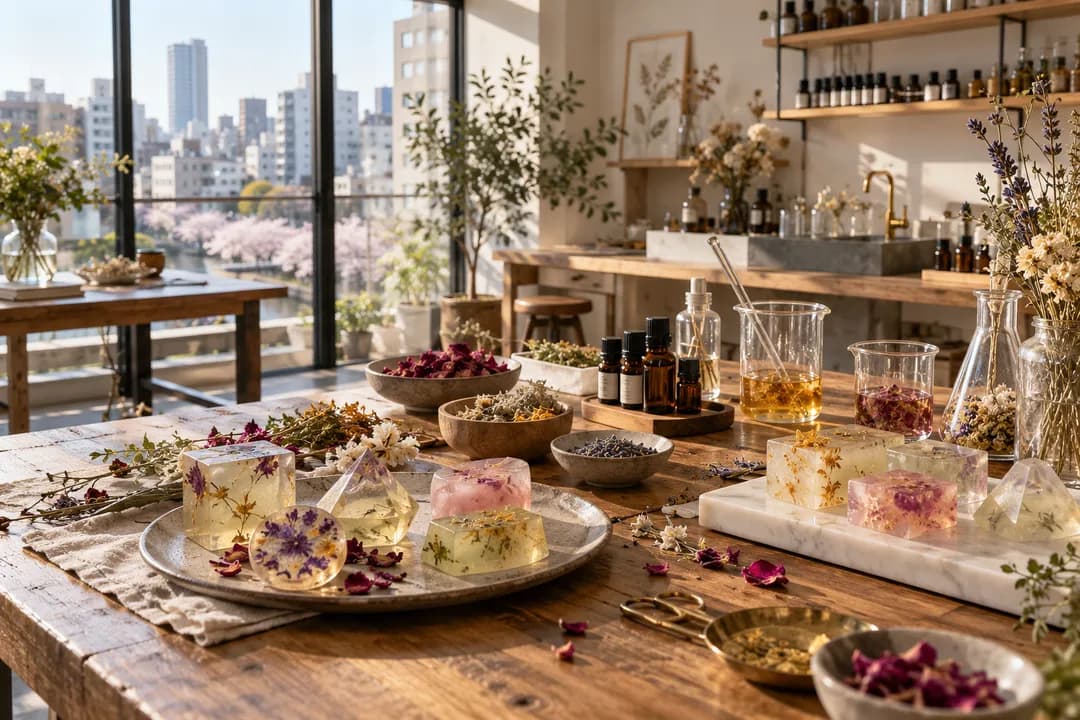 Soap Making Workshop Near Me in Nakameguro: Luxum
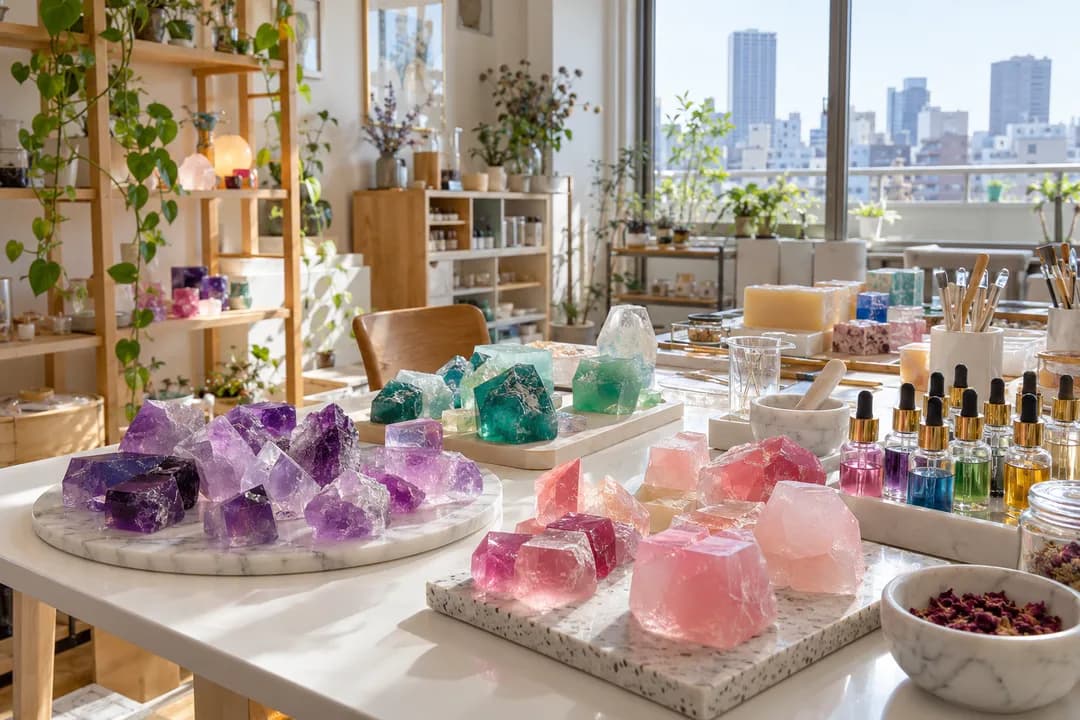 Soap Making Workshop Near Me in Ikebukuro: And S