 Soap Making Workshop Near Me in Edogawa: Eight Wakuwaku
Weekend Plans
Tokyo Art Museum Guide to Roppongi Hills' Iconic Mori Art Museum
Explore the Mori Art Museum atop Roppongi Hills Mori Tower in Tokyo, featuring world-class contemporary art exhibitions and panoramic fifty-third-floor city views.
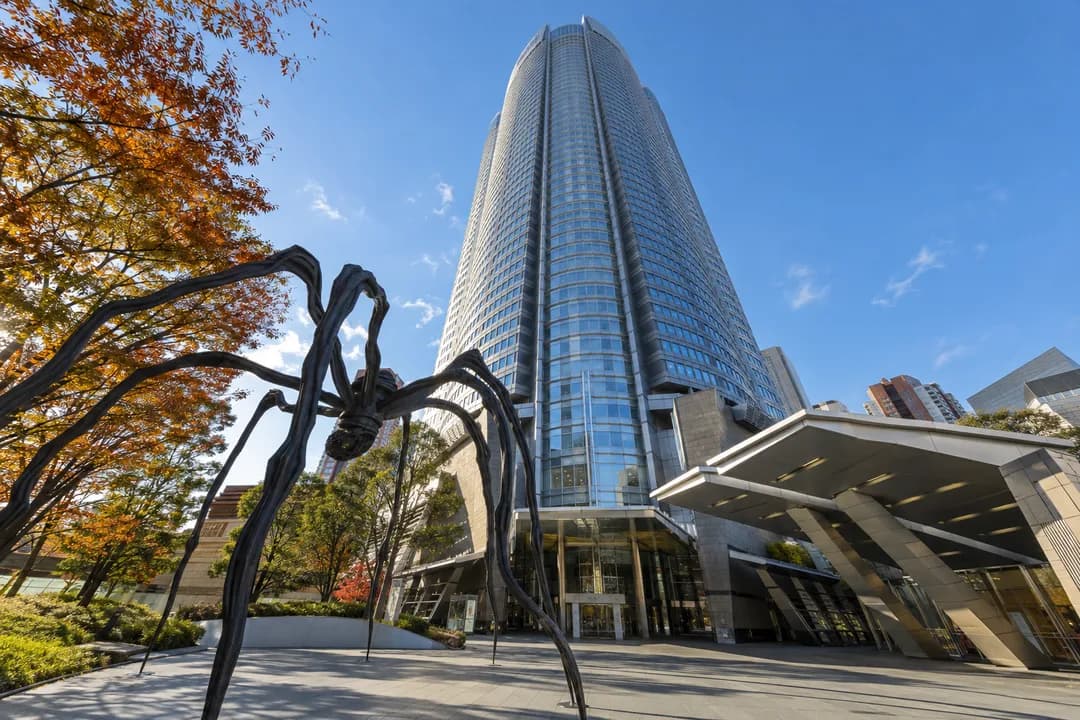
For contemporary culture lovers searching for an extraordinary and world-renowned art museum near me in Tokyo, the Mori Art Museum atop the Roppongi Hills Mori Tower provides an unforgettable sky-high experience. Located at 6-10-1 Roppongi, Minato City, Tokyo 106-6153, this internationally celebrated museum sits perched on the fifty-second and fifty-third floors of one of the capital's most famous architectural landmarks. Operating under the visionary philosophy of Art plus Life, the institution presents ambitious global contemporary exhibitions while treating visitors to breathtaking panoramic vistas stretching across Tokyo Tower, the Shinjuku skyscraper cluster, and distant Mount Fuji.
Fifty-Third-Floor Architecture and Richard Gluckman's Sky Gallery Design
The Mori Art Museum was founded by visionary urban developer Minoru Mori and officially opened its doors to the public in October 2003 as the cultural anchor of the massive Roppongi Hills complex. Rather than placing cultural facilities in subterranean basements as was traditional in earlier Japanese commercial developments, Mori deliberately placed the museum at the very pinnacle of the fifty-four-story tower, establishing the sky as a shared civic space for artistic enlightenment.
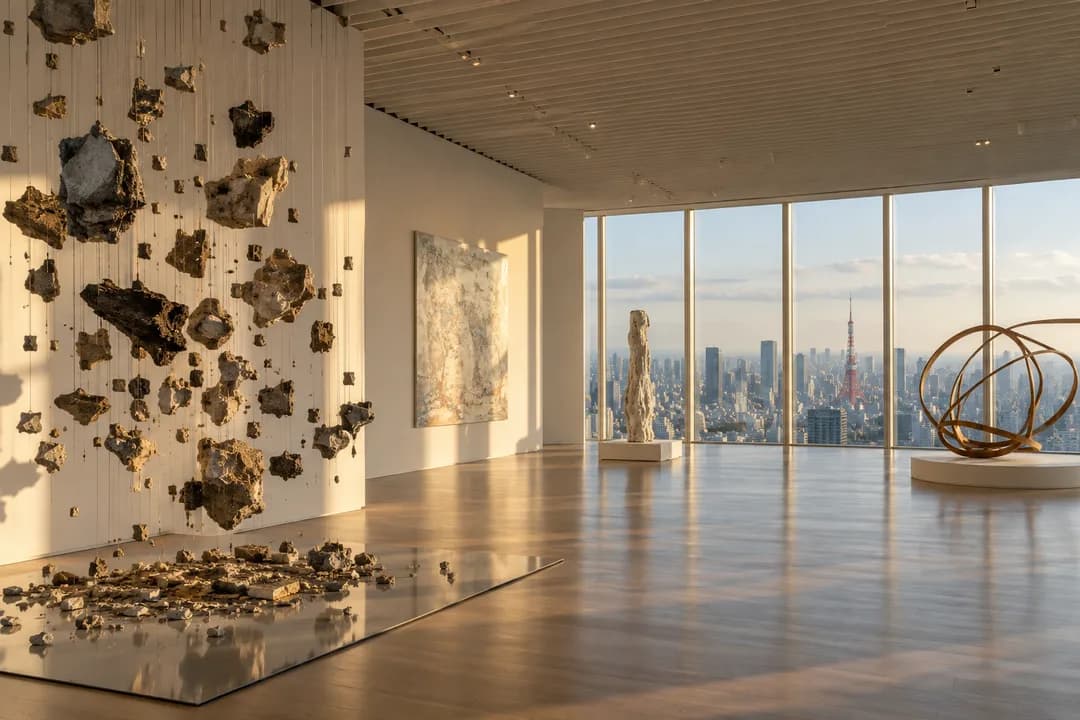
The interior gallery architecture was conceived by celebrated American museum architect Richard Gluckman of Gluckman Mayner Architects. Gluckman engineered a sophisticated suite of flexible white-cube gallery spaces featuring six-meter-high ceilings, concealed lighting troughs, and heavy-load timber-and-concrete floors capable of supporting massive sculptural works. The sequence of rooms flows smoothly from intimate video screening alcoves to expansive open exhibition halls, creating a serene sanctuary elevated two hundred and fifty meters above Tokyo's bustling streetscape.
Engineering a world-class exhibition facility at this dizzying elevation required unprecedented structural solutions. Gluckman and Japanese structural engineers incorporated high-capacity service elevators capable of transporting multi-ton monolithic stone and bronze sculptures directly from the tower loading docks to the 53rd floor without dismantling. Tuned mass dampers in the tower crown stabilize the galleries against seismic tremors and typhoon winds, ensuring sensitive historical canvases and delicate glass installations remain completely secure.
Groundbreaking Contemporary Exhibitions and the Roppongi Crossing Series
Unlike conventional municipal institutions in Japan, the Mori Art Museum functions primarily as a non-collecting kunsthalle, allowing its curatorial team to organize dynamic, timely exhibitions that respond directly to urgent international issues. Past landmark presentations have included major mid-career retrospectives of Ai Weiwei, Yayoi Kusama, Takashi Murakami, Chiharu Shiota, and Bill Viola, alongside broad thematic investigations exploring ecological collapse, artificial intelligence, architecture, and gender identity.
A central pillar of the museum's programming is the triennial Roppongi Crossing exhibition series, launched in 2004 to provide a critical survey of the most compelling emerging artists, designers, and collectives working across Japan. Complementing its main temporary exhibitions is the MAM Project series, an experimental laboratory dedicated to supporting emerging international artists through newly commissioned solo projects, and the MAM Research archival gallery, which examines neglected artistic movements in modern Asian art history.
Together with The National Art Center Tokyo in nearby Nogizaka and the Suntory Museum of Art in Tokyo Midtown, the museum forms the cornerstone of the celebrated Roppongi Art Triangle. This dynamic cultural triangle coordinates exhibition calendars and provides mutual ticket discounts, transforming the historic Roppongi nightlife district into Asia's premier contemporary art destination. Visitors can easily walk between all three institutions in under fifteen minutes along pedestrian-friendly green boulevards.
Visitors holding admission to the Mori Art Museum frequently enjoy combined access to the Tokyo City View observation deck on the fifty-second floor, where twelve-meter-high floor-to-ceiling glass walls frame an unmatched 360-degree panorama of the metropolitan expanse. In the plaza far below, Louise Bourgeois's monumental ten-meter bronze spider sculpture, titled Maman, stands guard as the beloved outdoor symbol of the Roppongi Hills cultural quarter.
Roppongi Hills Cultural Hub, Mori Garden, and Sky-High Dining
Following an enriching gallery visit, visitors can explore the extensive lifestyle and culinary offerings embedded within Roppongi Hills. On the fifty-second floor adjacent to the museum entrance, the stylish Museum Cafe and Restaurant THE SUN and THE MOON serves French-inspired seasonal lunch courses, afternoon high tea towers, and artistic cocktails inspired by current museum exhibitions, all accompanied by sweeping skyline views overlooking Tokyo Tower.
Descending to the ground level, guests can stroll through the historic Mori Garden, a classical circular Japanese strolling garden dating back to the Edo period when it formed the feudal estate of the Mori clan of Choshu. Shaded by heritage weeping cherry trees and Japanese maples, the garden features a tranquil koi pond and gentle stone waterfall. The surrounding complex offers dozens of world-class restaurants, ranging from casual artisanal ramen counters to Michelin-starred dining rooms, alongside premier cinema screens and design boutiques.
Timed-Entry Ticketing, Night Operating Hours, and Station Connections
The Mori Art Museum is renowned for its generous evening accessibility, welcoming art lovers from 10:00 am to 10:00 pm from Wednesday through Monday, with last entry permitted at 9:30 pm. On Tuesdays, the museum closes earlier at 5:00 pm, except on national holidays when regular night hours apply. Standard adult weekday tickets booked online in advance are priced at ¥2,000, while university and high school students pay ¥1,400, and children aged four through junior high school pay ¥800. Weekend online tickets carry a ¥200 supplement at ¥2,200 for adults.
Visitors can obtain ticketing assistance, inquire about exhibition schedules, or book multilingual guided tours by calling the museum's dedicated Hello Dial telephone line at 03-5777-8600, or +81 3-5777-8600 for international callers. The entire facility is fully wheelchair accessible, providing dedicated priority elevators connecting the ground level directly to the upper museum concourse, barrier-free restrooms on the fifty-second and fifty-third floors, and complimentary wheelchair loans at the third-floor information desk.
Arriving at Roppongi Hills via Tokyo's subway network is exceptionally convenient. Roppongi Station on the Tokyo Metro Hibiya Line (station code H04, Exit 1C) connects directly to the lower concourse of Mori Tower via an indoor underground glass walkway equipped with moving escalators. Alternatively, Roppongi Station on the Toei Oedo Line (station code E23, Exit 3) is just a four-minute walk away, while Azabu-Juban Station on the Namboku Line (N04 Exit 7) is an easy eight-minute stroll uphill.
To discover more contemporary museums, rooftop observation decks, and evening cultural spots across Tokyo, turn to the Karpo APP. From tracking contemporary gallery openings to finding quiet neighborhood soba shops, the platform powers every step of your Tokyo journey.
Ask Karpo for more information.
Keep reading
- Soap Making Workshop Near Me in Edogawa: Eight Wakuwaku
 Soap Making Workshop Near Me in Nakameguro: Luxum
 Soap Making Workshop Near Me in Ikebukuro: And S