 Salad Near Me in the West Village: Westville's Market-Table Vegetables
Back To School
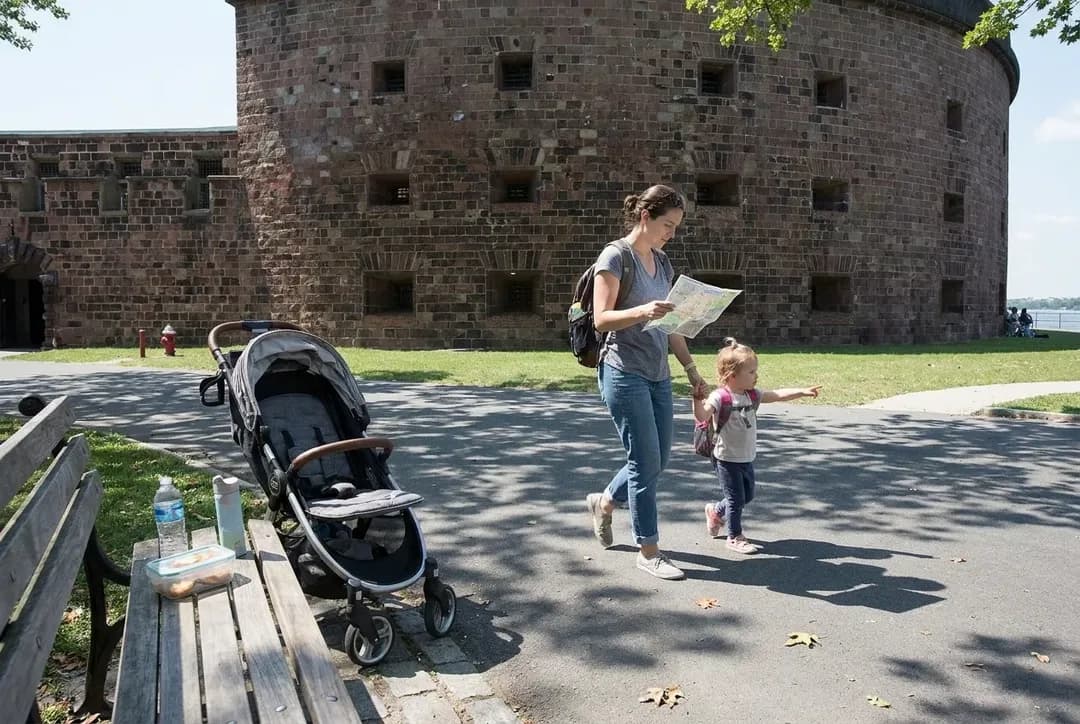
Toddler Transition Prep: NYC Preschool Visit Routes Before September Starts
Practice walks, snack stops, and bathroom timing help ease your toddler into their first preschool routine. Two weeks before orientation is the ideal window to rehearse the commute and build confidence for both parent and child.
As September approaches, parents with a toddler entering their first preschool program face a unique planning challenge: how to transform an unfamiliar route into a comfortable daily routine before the school year begins. With just two weeks until orientation, coordinating practice visits requires balancing work schedules between co-parents, verifying each program's trial-visit policies, and mapping realistic walking routes that account for a young child's pace and needs. This preparation window—typically mid-August for programs starting after Labor Day—offers a critical opportunity to identify reliable bathroom stops, test snack timing, and gauge whether your child can manage the distance or whether a stroller, subway transfer, or alternate drop-off arrangement makes more sense. The goal is not perfection but familiarity: reducing separation anxiety by turning the unknown into a predictable sequence your toddler recognizes.
Text Karpo the neighborhoods you're considering, your toddler's nap schedule, any dietary restrictions, and whether you need bilingual programs—we'll send a visit-sequence route, backup open-house dates, and a checklist for what to ask at each stop so you feel confident before enrollment locks.
Verifying Trial-Visit Policies and Enrollment Deadlines Across Programs
Before mapping any route, confirm whether each preschool on your list permits pre-orientation visits and what restrictions apply. Some programs welcome families to walk the perimeter or observe outdoor play areas during pickup hours, while others limit access until the official orientation date due to staff availability or licensing requirements. Call the director's office directly rather than relying on website FAQs, and ask whether you can schedule a brief weekday morning visit to simulate the actual drop-off time. If your child has a sibling already enrolled, inquire about sibling-priority rules that might allow earlier access or flexible tour slots; many programs reserve August walk-throughs for returning families first, then open remaining slots to newcomers closer to the start date.
Enrollment deadlines for fall 2026 programs have largely passed by early August, but confirming your child's placement status prevents wasted effort rehearsing a route to a program where waitlist movement remains uncertain. Request written confirmation of your spot, note any outstanding paperwork—immunization records, emergency contact forms, tuition deposit receipts—and clarify whether missing a scheduled orientation affects your enrollment guarantee. If you applied to multiple schools and are still weighing options, prioritize practice walks to your top two choices rather than attempting to rehearse every possibility; toddlers benefit more from repeated exposure to one or two routes than from sampling many unfamiliar paths once.
Mapping the Commute: Distance, Timing, and Toddler Pace Realities
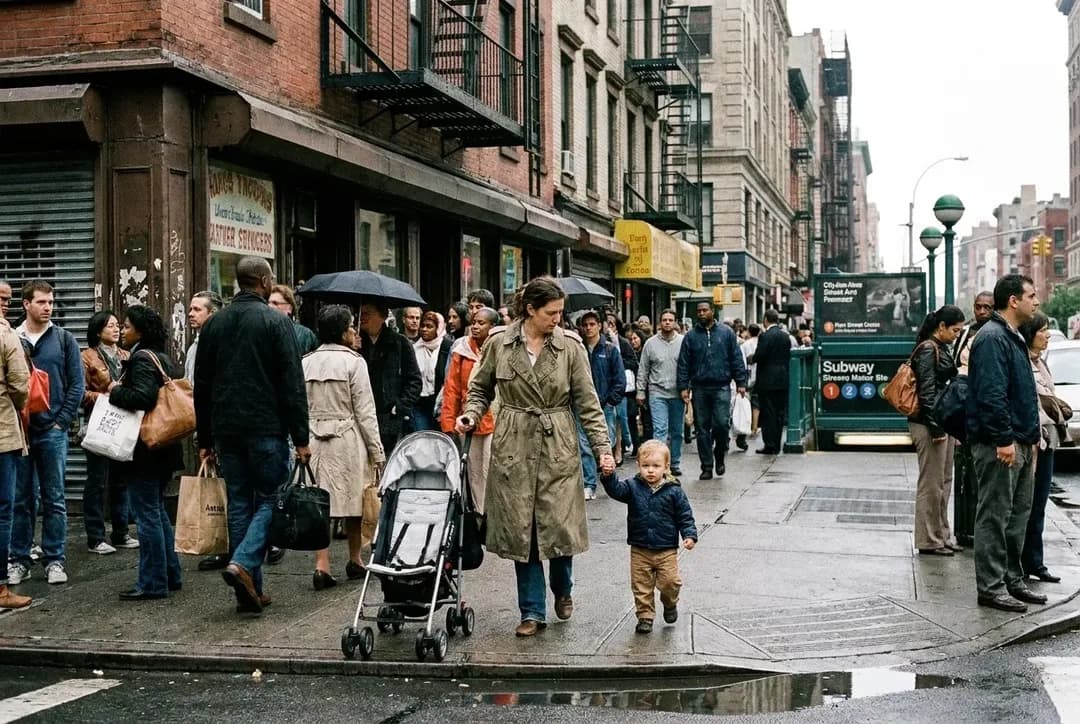
A route that takes an adult twelve minutes can easily stretch to twenty-five when a toddler stops to examine a fire hydrant, refuses to hold hands at a crosswalk, or insists on climbing every stoop step independently. Use a mapping tool to identify the walking distance from your home to the preschool entrance, then double the estimated time and add ten minutes as a buffer for the first few practice runs. If the program is more than half a mile away, consider whether your child will walk the entire distance or whether part of the journey involves a stroller, subway ride, or bus transfer. For subway-dependent routes, check the MTA's elevator and escalator status in advance; out-of-service elevators can force last-minute stair navigation with a stroller, turning a manageable commute into a logistical scramble.
Walk the route at the same time of day you'll use during the school year—typically between 8:00 and 9:00 a.m.—to assess sidewalk congestion, construction detours, and crosswalk timing. Note which intersections have walk signals long enough for a toddler's pace and which require waiting through multiple cycles. Identify landmarks your child can recognize: a blue mailbox, a bakery window, a neighbor's dog gate. Repetition builds confidence, so aim for at least three practice walks spaced across different days rather than clustering them all in one weekend. If your co-parent handles morning drop-off while you manage afternoon pickup, each of you should rehearse your respective route so your toddler learns to associate different times of day with different caregivers and paths.
Snack Stops and Hydration Strategy Along the Route
Toddlers regulate energy and mood through frequent small meals, so planning a mid-commute snack stop can prevent meltdowns and create a positive association with the walk. Scout for a park bench, plaza seating area, or building stoop where you can pause for five minutes with a pre-packed snack—crackers, a banana, a pouch—without blocking pedestrian flow. Avoid planning snack stops inside cafés or delis unless you're certain you can manage a quick transaction with a restless child; the goal is a brief, predictable pause, not a drawn-out errand. If your route includes a public park, check whether it has a water fountain; carrying a refillable bottle is essential, but knowing where to top off reduces the load in your bag.
Test your snack timing during practice walks to see whether your child needs fuel before leaving home, midway through the commute, or upon arrival at school. Some programs discourage outside food in the classroom before morning circle time, so clarify the preschool's policy on bringing snacks from home versus waiting for the program's scheduled snack period. If your child is a slow eater, factor that into your departure time rather than rushing through the snack, which can create negative associations with the routine. A calm, unhurried snack stop signals to your toddler that this new journey has room for their needs and pace.
Bathroom Access and Contingency Planning for Accidents
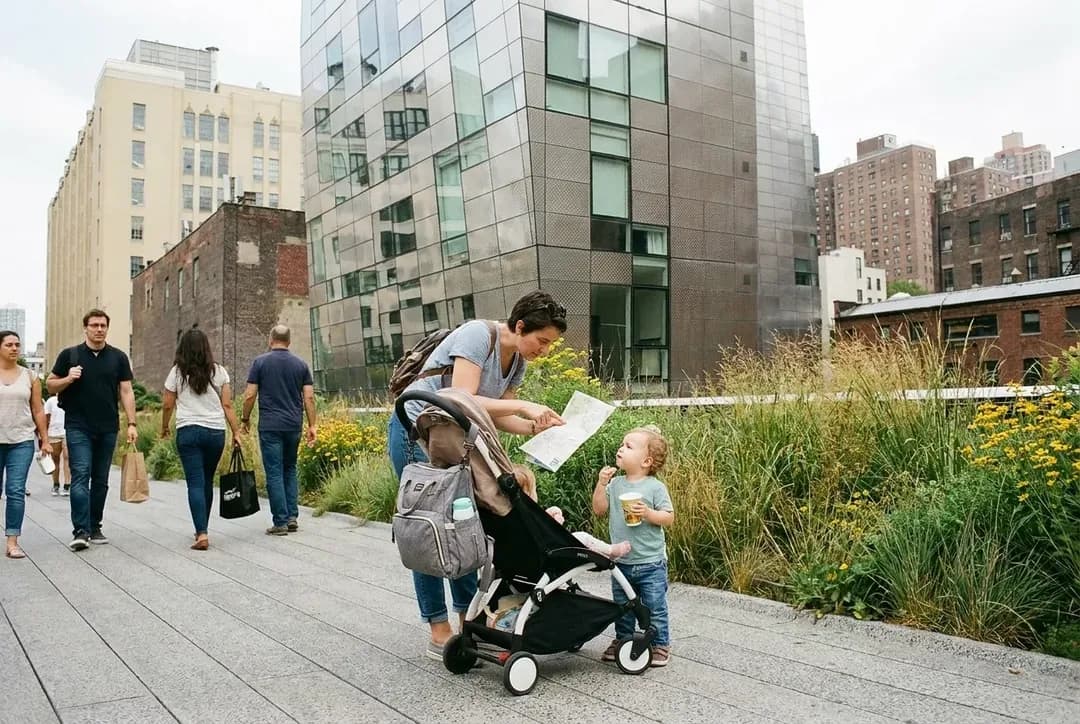
Bathroom timing is one of the most anxiety-inducing variables for parents navigating a new preschool commute, especially if your toddler is recently potty-trained or still adjusting to verbal cues. Identify at least one public restroom option along your route—a library branch, community center, or chain retailer with accessible facilities—and rehearse using it during a practice walk so your child knows it's available. Many NYC public library branches offer restrooms without requiring a library card, though hours vary; confirm operating times before relying on a location for your morning routine. If no public option exists midway, plan to use the preschool's bathroom immediately upon arrival, and communicate with staff during orientation that your child may need extra time before joining the classroom.
Pack a small emergency kit in your daily bag: a change of underwear, pull-up, wipes, and a plastic bag for soiled clothes. Even children who are fully trained at home can have accidents when anxious or distracted by a new routine, and having supplies on hand prevents a minor setback from derailing the entire morning. Discuss with your co-parent who will handle bathroom stops on days when schedules overlap or when one of you is running late; clarity on roles reduces stress when time is tight. If your child resists using unfamiliar bathrooms, practice at home by talking through what the preschool bathroom might look like—"It will have a small toilet, just like ours"—and role-playing the steps: knocking, waiting, washing hands.
Who This Plan Fits and When to Adjust Expectations
This rehearsal approach works best for families with flexible morning schedules during the two weeks before orientation, access to the preschool neighborhood for multiple practice visits, and a toddler whose temperament tolerates repetition without boredom. If both co-parents work full-time with rigid start times, you may need to condense practice walks into weekend mornings or enlist a grandparent or caregiver to conduct midweek rehearsals. The strategy is less effective for families whose preschool is far from home and requires a complex multi-transfer commute; in those cases, focus on rehearsing the final walking segment from the nearest subway or bus stop rather than attempting the entire journey repeatedly.
Adjust expectations if your toddler shows signs of stress rather than growing comfort after several practice walks: clinging, crying at the preschool gate, or refusing to leave home. Some children need less advance exposure, not more, and benefit from a single confident walk-through the day before orientation rather than prolonged anticipation. Conversely, if your child adapts quickly and begins asking to "go to school" during practice runs, you've successfully built positive associations. The moderate difficulty of this plan lies in coordinating schedules, verifying policies, and reading your individual child's readiness cues—not in the walking itself. Trust your judgment about when rehearsal helps and when it adds pressure, and remember that the first real day will bring surprises no amount of practice fully prevents.
Tags: #toddler #preschoolpreparation #NYCparenting #backtoschool #commuteplanning #separationanxiety #pottytraining #preschoolorientation #familyroutines #earlychildhood
Sources consulted: Source 1: nycgovparks.org · Source 2: new.mta.info · Source 3: nypl.org · Source 4: a816-health.nyc.gov
All trademarks are the property of their respective owners.
Ask Karpo first
Ask Karpo to turn this NYC idea into a current plan for your date, budget, companion, transit preference, and energy level. Karpo can narrow the route and flag what to verify before you go.
Ask Karpo for more information.
Keep reading
- Salad Near Me in the West Village: Westville's Market-Table Vegetables
 Lunch Near Me in the Flatiron: S&P Runs a Classic Luncheonette Counter
 Coffee Near Me in the East Village: Abraço Is Standing-Room Only