 Portugal vs Spain in Singapore: A Clarke Quay Watch Route With Food Backups
Hidden Gems & Odd Finds
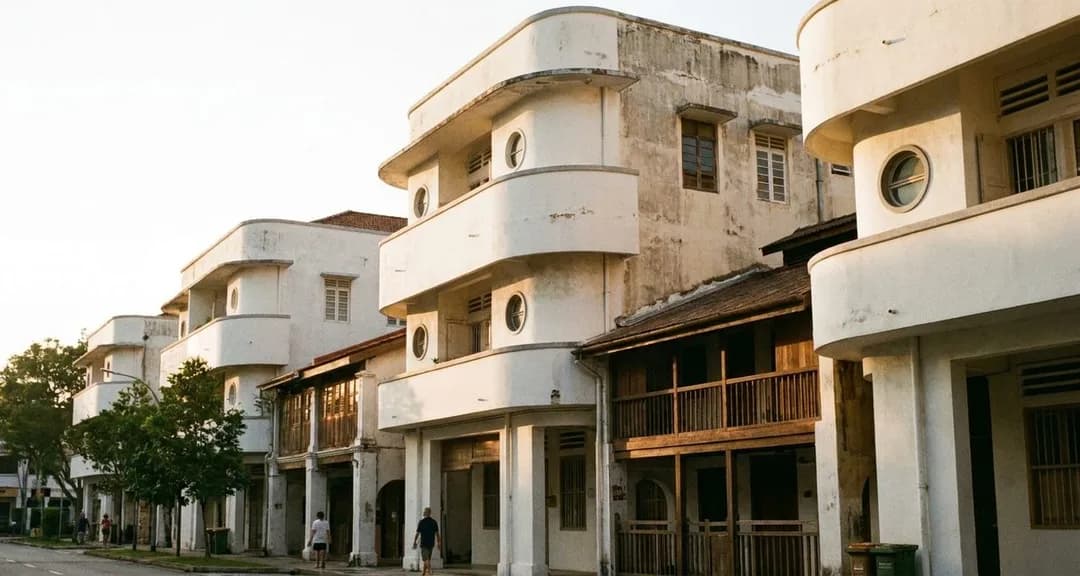
Tiong Bahru in Singapore Before 8am, Kaya Toast and Art Deco Blocks in Early Light
A morning when heritage coffee shops serve kaya toast, the wet market winds down, and the art deco blocks catch the early light before the heat arrives.
The neighborhood wakes before the city does. By 6:30am, the wet market at Tiong Bahru is already deep into its second act—stall holders hosing down concrete, the morning's best produce long claimed, the air thick with the smell of fish scales and monsoon drains. A block away, the art deco estates catch the first slant of light, their rounded balconies and porthole windows throwing shadows that will vanish by nine. The window for this version of Tiong Bahru is narrow, maybe ninety minutes, and it belongs to those who arrive before the heat settles in and the brunch crowd wakes up.
The Market's Closing Rhythm
The wet market on Seng Poh Road operates on a different clock than the rest of Singapore. Peak chaos hits around 5:30am, when restaurant buyers and early risers jostle for the freshest cuts and the firmest vegetables. By the time most visitors arrive—7am, maybe 7:30—the energy has already shifted. Stall holders are packing up, weighing the last bundles of morning glory, sweeping water across the aisles. The fluorescent lights still buzz overhead, but the urgency has drained out. What remains is a kind of winding-down choreography: tarps folded, crates stacked, the occasional shout between vendors who've been working this space for decades. First-timers often mistake this for the main event. The regulars know the real show ended an hour ago, but there's something honest about catching the aftermath—the market at rest, before the heat makes standing still unbearable.
Kaya Toast in Rooms That Haven't Changed
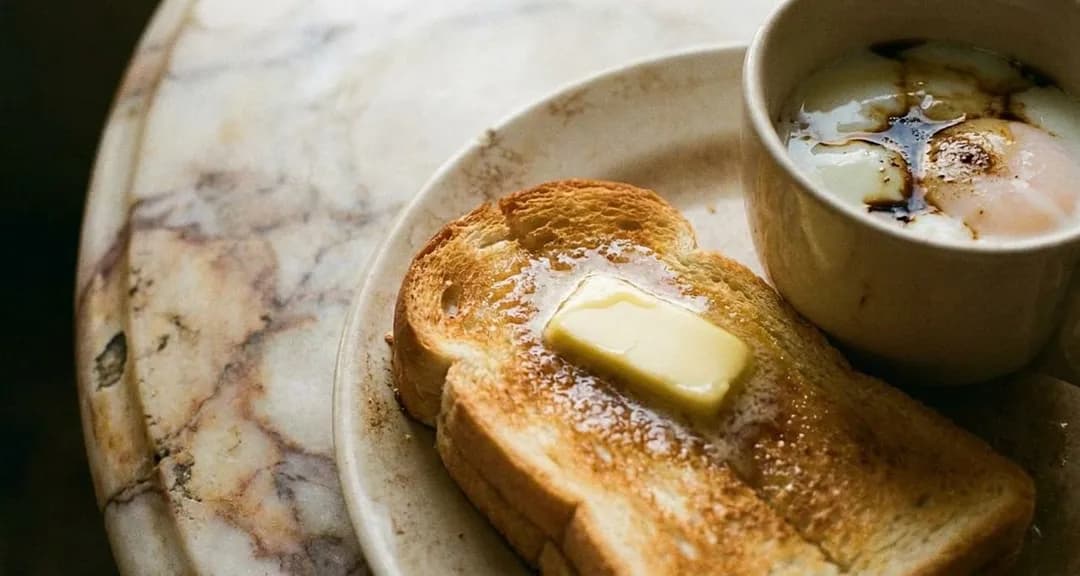
The heritage coffee shops scattered around Tiong Bahru—Heap Seng Leong on Seng Poh Road, Tong Ah Eating House near the market—serve breakfast the way they have for sixty years. Kaya toast arrives on mismatched plates, the bread grilled over charcoal, the coconut jam sweet and faintly caramelized. Soft-boiled eggs come in floral-patterned cups, cracked into saucers and mixed with dark soy sauce and white pepper. The coffee is strong, filtered through cloth socks that hang behind the counter like relics. These places don't announce themselves. The signage is faded, the furniture is formica and bentwood, the ceiling fans turn slow circles that barely move the air. The crowd at this hour is mostly older men in singlets, retirees who've claimed the same corner tables for years, reading Chinese newspapers folded into narrow columns. The rhythm is unhurried. Orders are called out in Hokkien. No one checks their phone. The coffee shops operate as social infrastructure, a morning routine that predates the boutique bakeries and specialty roasters that have opened a few streets over.
The Geometry of the Blocks
Tiong Bahru's art deco estates were built in the 1930s, Singapore's first public housing experiment, and the architecture still reads as radical. The blocks are low-slung, four or five stories, with curved facades and spiral staircases and balconies that wrap around corners. Early morning is when the lines sharpen. The sun comes in low from the east, carving hard shadows across the whitewashed concrete, turning the rounded edges into something sculptural. Photographers know this light lasts maybe forty minutes before it flattens out. The blocks themselves—Lim Liak Street, Guan Chuan Street, Yong Siak Street—are arranged in a loose grid, with courtyards and open corridors that catch cross-breezes. Walk through at 7am and the details emerge: the original terrazzo floors in the stairwells, the art deco motifs above doorways, the potted plants on every landing. The estate still functions as it was designed—families live here, laundry hangs from bamboo poles, the void decks host morning tai chi sessions. The heritage designation came later, but the bones of the place were always elegant.
The Crowd That Arrives Early
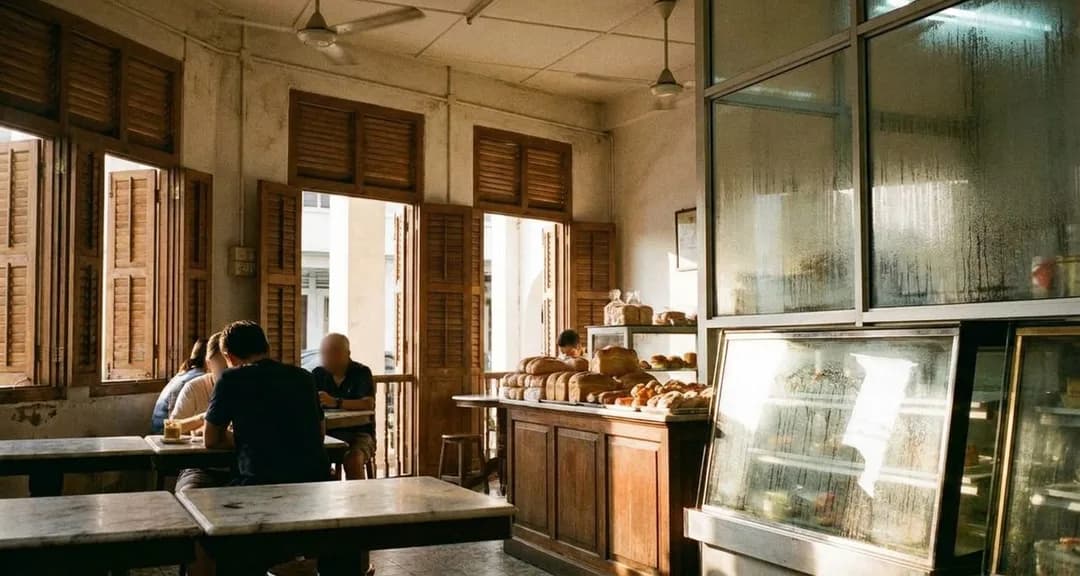
Before 8am, Tiong Bahru belongs to a specific cross-section of the city. Retirees who've lived in the estate since the '70s, market vendors finishing their shifts, construction workers grabbing breakfast before the job site opens, the occasional early-bird tourist who read about the architecture and set an alarm. The mix is functional, not performative. No one is here for the Instagram shot, though the light certainly delivers. The coffee shops fill first, then empty as the morning progresses. By 7:45, a second wave starts to trickle in—younger locals, freelancers with laptops, couples who've learned that the best tables at the hawker centre are claimed by 8:30. The turnover is quick. The older crowd finishes their kopi and leaves. The rhythm shifts. The neighborhood doesn't resist the change so much as absorb it, the old routines making space for the new ones without much fuss.
What the Guidebooks Miss
Three details that separate the early risers from the late arrivals: First, the best kaya toast comes from the stalls that still grill over charcoal, not electric coils—the difference is in the uneven char, the slight smokiness that cuts the sweetness. Second, the spiral staircases in the art deco blocks are open to the public, and climbing to the top floor of any building on Lim Liak Street offers a clear view across the estate's roofline, the geometry of the blocks laid out in a way that's invisible from street level. Third, the hawker centre at Tiong Bahru Market opens at 6am, but the porridge stalls run out by 8—regulars know to arrive before 7:30 if they want the good stuff. These aren't secrets, exactly, just the kind of intelligence that comes from showing up often enough to notice the patterns. The neighborhood rewards the attentive without making a fuss about it.
Practical Notes
Tiong Bahru sits a few stops west of the CBD on the East-West Line—Tiong Bahru MRT station drops visitors at the edge of the estate. The wet market operates from around 5am to 10am, though the energy peaks early. Heritage coffee shops open as early as 5:30am and serve through mid-morning; some close by noon, others run into the afternoon. Walk-ins only, no reservations, no queues—just grab a table and order at the counter. The art deco blocks are residential, so wander respectfully; the stairwells and corridors are public, but the apartments are not. Mornings are cooler, but by 9am the heat climbs fast—bring water, wear a hat, and plan to finish exploring before the sun gets high. The neighborhood is compact enough to cover on foot in an hour, though the coffee shops invite lingering. Cash is useful at the older establishments, though most places now take cards.
When the Heat Arrives
By 8:30am, the light has lost its edge. The shadows under the art deco balconies shrink back, the morning cool burns off, and the neighborhood begins its transition into the day's second act. The heritage coffee shops stay open, but the crowd changes—tourists now, brunch seekers, the laptop crowd claiming tables for the long haul. The wet market is mostly shuttered, the aisles hosed down and quiet. The architecture remains, of course, but the early-morning magic—the slant of light, the unhurried rhythm, the sense of catching Tiong Bahru before it fully wakes—has already passed. Those who arrived before eight know what the late risers missed. The neighborhood doesn't advertise its best hours. It just rewards those who show up for them.
Tags: #TiongBahru #SingaporeEats #KayaToast #ArtDecoArchitecture #WetMarket #HeritageCoffeShops #SingaporeHeritage #EarlyMorning #LocalSingapore #TiongBahruMarket #SingaporeMornings #TheOddEdit #SingaporeNeighborhoods #PreWarArchitecture #KopiCulture
Sources consulted: atlasobscura.com · timeout.com · nytimes.com
All trademarks are the property of their respective owners.
Ask Karpo first
Want to know which coffee shop has the best kaya toast, or what to look for at the wet market before it closes?
Ask Karpo for the Tiong Bahru morning route and the heritage coffee shop that opens earliest before you head out.
Ask Karpo for more information.
Keep reading
- Portugal vs Spain in Singapore: A Clarke Quay Watch Route With Food Backups
 The Sembawang Hot Spring Where Locals Still Boil Eggs on Sunday Morning
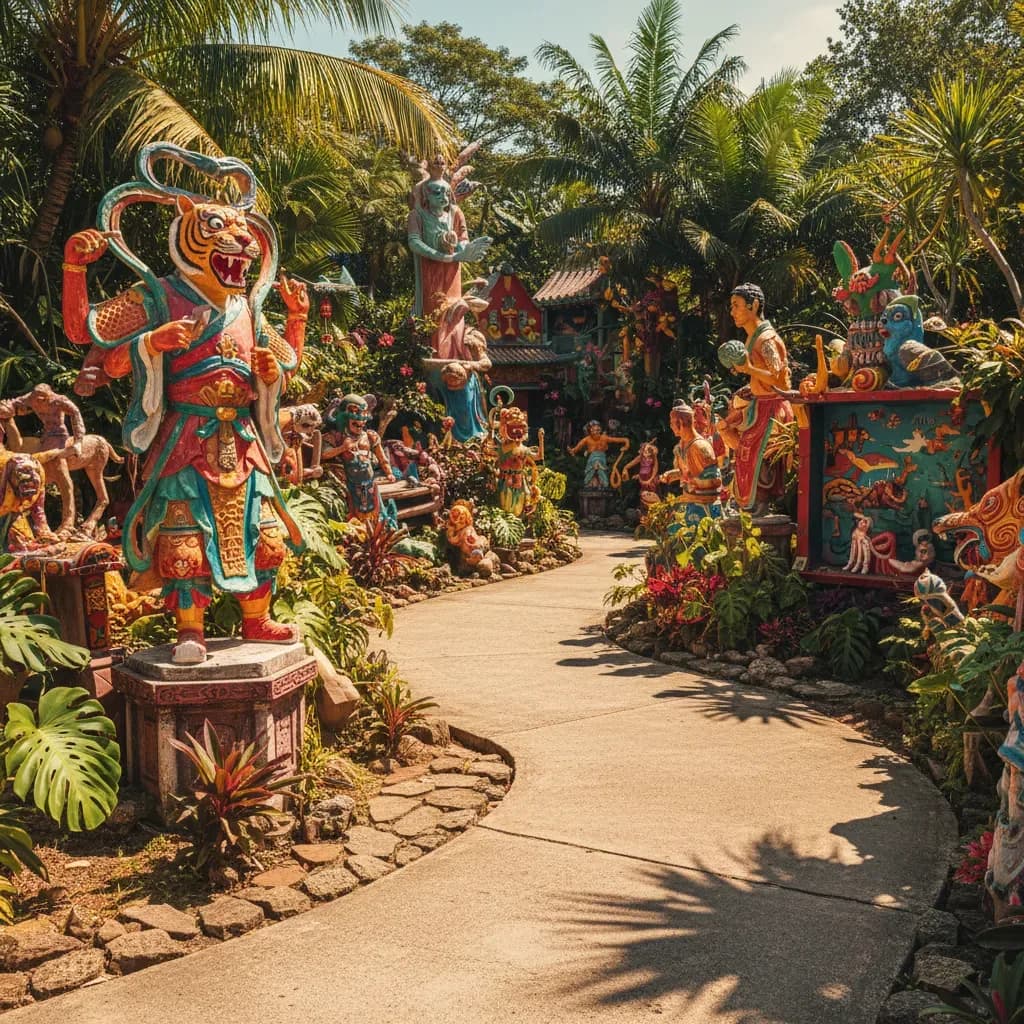 When Is Summer 2026: Haw Par Villa Is Still the Strangest Sunny-Day Walk