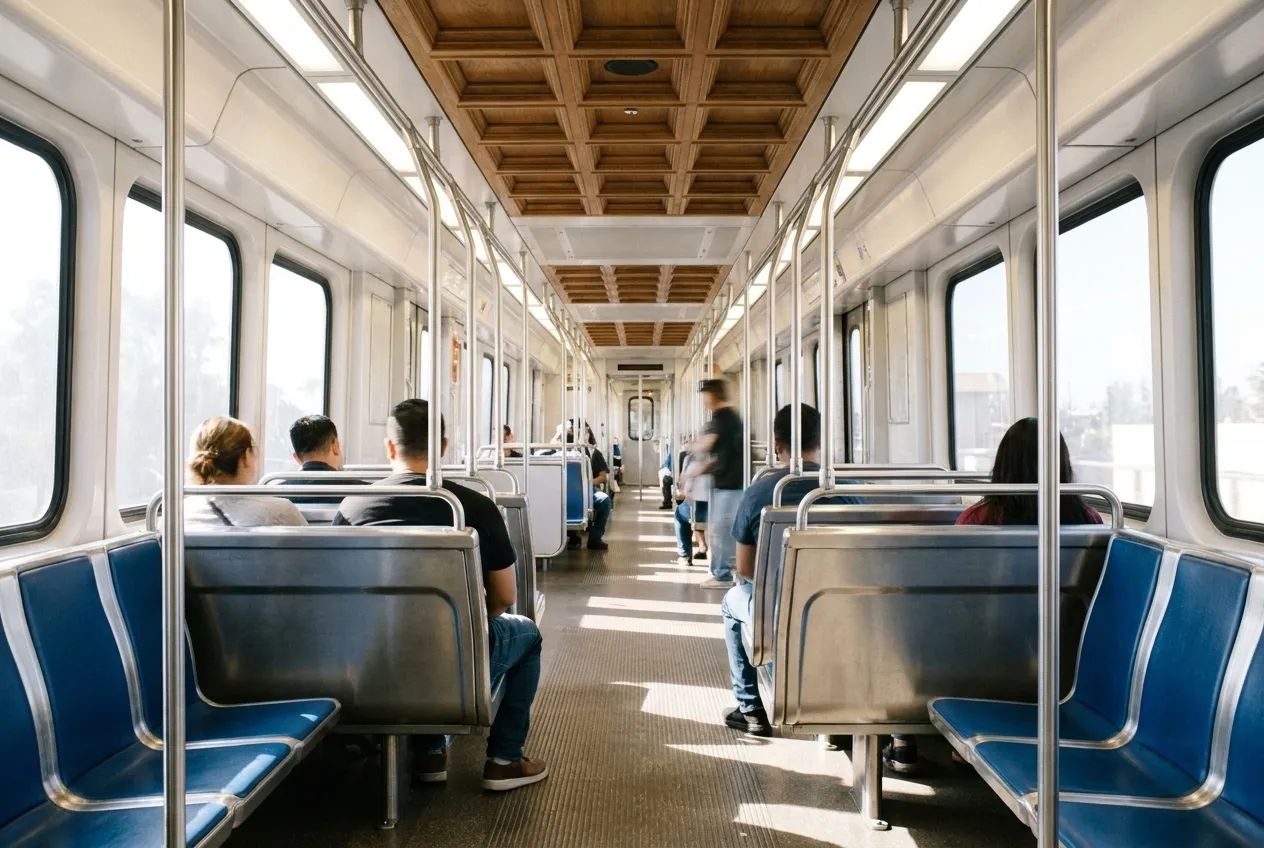
You are standing on a Metro platform on a Saturday morning, looking at the map, trying to decide whether to ride east or west. The mistake most people make is treating LA rail like a grid they can hop across. It is not. The lines run long and thin, and transfers eat thirty minutes you will not get back. A good car-free Saturday in Los Angeles is not about covering the basin. It is about picking one corridor, riding it to the ends, and working everything worth doing within a ten-minute walk of each stop.
Before you commit to a line, ask Karpo which stations actually put you within four blocks of what you want today. It knows which museums are open, which markets close early, and how long the walk really is.
Which Lines Actually String Together Enough
The Expo Line from downtown to Santa Monica is the only rail corridor in Los Angeles that puts you within walking distance of a full day's worth of distinct experiences. You can start with coffee and pastries in the Arts District, move west to museum row in the mid-afternoon, and finish at the beach before sunset. The walk from each station to what you actually want ranges from two blocks to eight, and the frequency on Saturdays is fifteen minutes most of the day.
The Red Line through Hollywood and the B Line through Koreatown also work, but they are shorter runs. You will fill four hours, not eight. The Gold Line up to Pasadena strings together good breakfast, used bookstores and a serious museum, but the return trip after six can stretch to forty-five minutes if you catch the wrong window. The Blue Line down to Long Beach has the beach at one end and decent taco clusters near the Willowbrook and Artesia stops, but the middle stretch does not reward wandering.
If you are trying to cross between lines, add a half hour of standing on a platform and walking through tunnels to your mental math. Transferring at 7th/Metro or Union Station is faster than most intersections, but it is still not fast. The day you are planning is not about hitting five neighborhoods. It is about working one good corridor hard.
How Far the Walk Really Is
The distance from a Metro station to the thing you want is the single most important variable in whether a car-free day works. Most LA rail stops are not surrounded by density. They are surrounded by parking lots, wide streets and buildings set back behind landscaping. When a station is marked as serving a museum or a market, that can mean a two-block walk or a fifteen-minute trudge through surface lots with no shade.
On the Expo Line, the La Cienega and Farmdale stops put you closest to the museum row anchored by LACMA and the Petersen Automotive Museum, but you are still walking six to eight blocks. The walk is flat and has sidewalks, but it is not quick. The Culver City station is four blocks from the main stretch of Washington Boulevard where the restaurants and bars cluster, and the platform itself is elevated, so you are adding stairs. Expo/Bundy is a ten-minute walk from the part of Sawtelle with the ramen and the Japanese markets, and the route crosses two six-lane streets.
Downtown LA and Santa Monica are the exceptions. Most stops between Pico and 7th/Metro put you within two or three blocks of something good, and the density means you can zigzag. The Santa Monica terminus drops you four blocks from the pier and two blocks from the Third Street Promenade, and the walk is downhill. If your day is anchored at either end of the Expo Line, the middle stops are where you need to plan the walk.
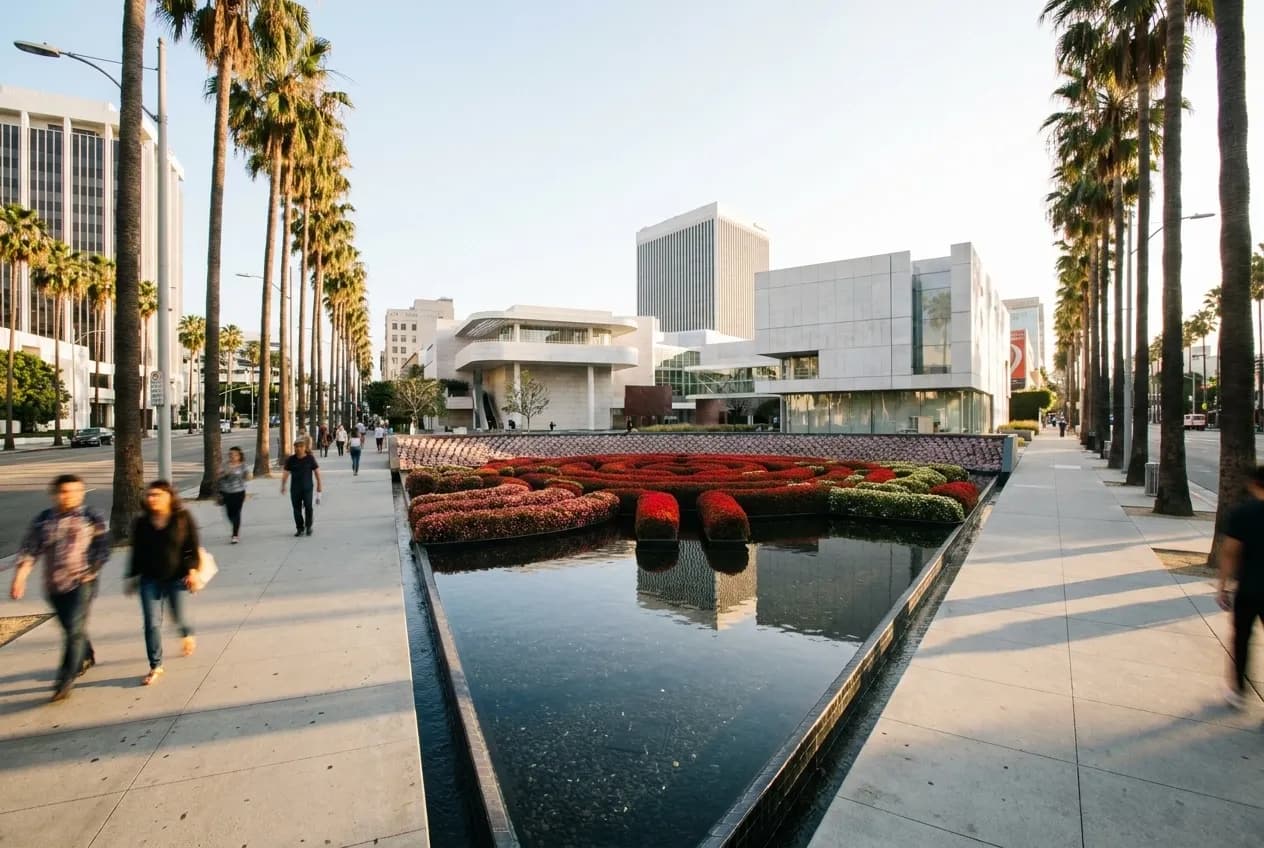
Where the Corridors Intersect With Markets, Museums and the Beach
A Saturday that works on the Expo Line starts in the Arts District near Little Tokyo/Arts District station. The coffee roasters and bakeries open early, the walk from the platform is under five minutes, and you are positioned to ride west before the midday crowd fills the trains. By eleven you want to be at La Cienega or Farmdale, because that is when the museums open and before the parking lots fill. LACMA and the surrounding campus can absorb two hours if you are moving through the permanent collection, longer if there is a temporary show worth the time.
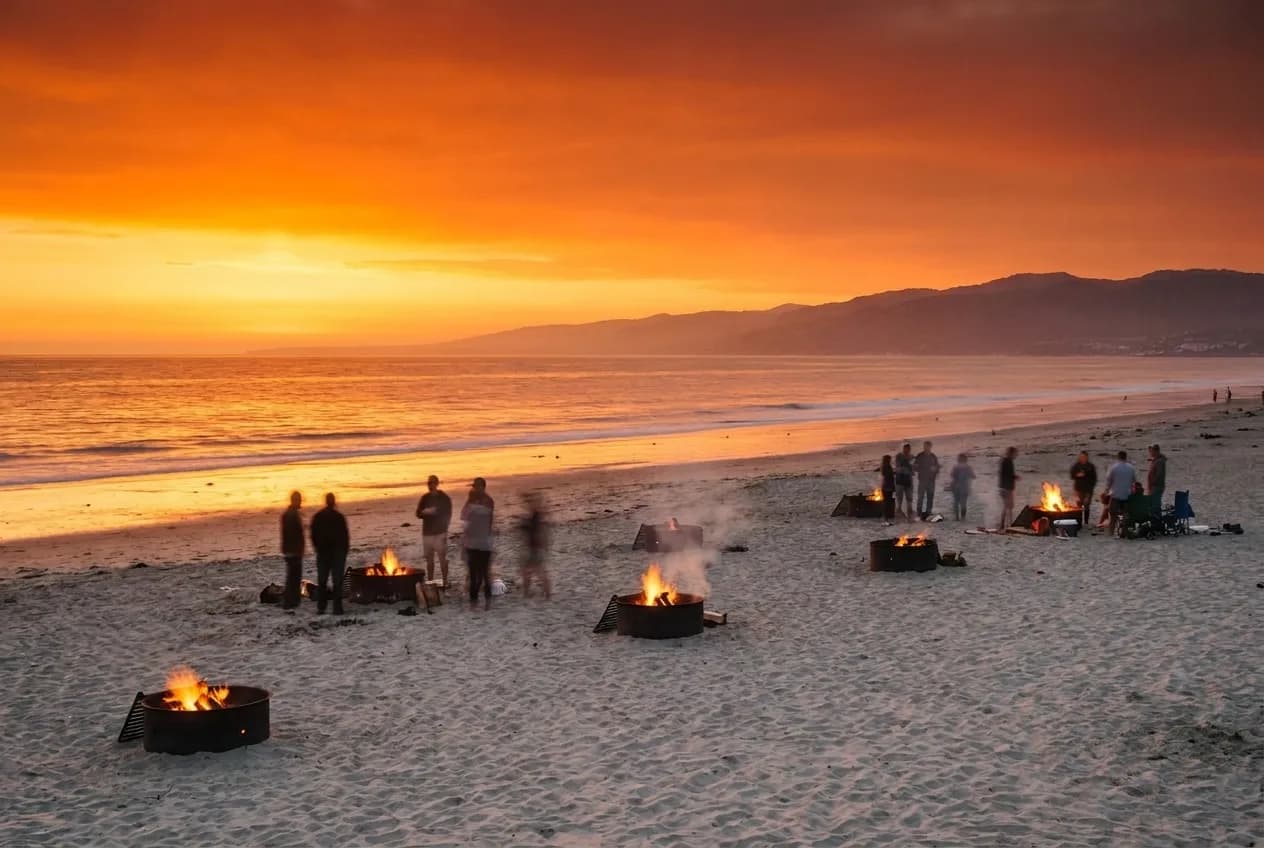
Lunch should happen in Culver City or further west in Palms, because the restaurant clusters near those stops open by noon and do not require reservations on a Saturday. The stretch of Washington Boulevard between the Culver City station and the National/Palms station has enough taco shops, Thai places and pizza counters that you can walk until something looks right. After two, ride the rest of the way to Santa Monica. The beach is the payoff, but the blocks north of the pier between Ocean Avenue and Second Street are where you will want to spend the hour before sunset.
If you are working the Red Line instead, the museum anchors are different. The Hollywood/Highland stop is closest to the Dolby Theatre and the touristy stretch of Hollywood Boulevard, but the actual cultural payoff is at Hollywood/Vine, which puts you within walking distance of Amoeba Music and the eastern edge of the restaurant row on Sunset. The Vermont/Sunset and Vermont/Beverly stops in East Hollywood and Los Feliz are where the day slows down, because the blocks around those stations have bookstores, record stores and coffee shops that do not rush you out.
Planning the Return Leg So the Last Stretch Is Not a Crawl
The return trip is where most car-free Saturdays in Los Angeles fall apart. If you ride the Expo Line out to Santa Monica and stay until sunset, you are boarding an eastbound train at the same time as everyone else who had the same idea. The trains run every fifteen minutes, but the platforms fill, and if you are riding all the way back downtown, you are standing for forty minutes. The move is to get on the train by five or five-thirty, before the beach crowd starts moving.
If you are staying later in Santa Monica, the better plan is to get off at Culver City or Expo/La Brea and find dinner near one of those stops, then ride the final stretch east after seven when the trains empty out. The frequency does not drop until after eight on Saturdays, so you are not waiting on the platform, and the ride from Culver City to downtown is under thirty minutes when the train is not packed.
On the Red Line, the return crush happens after events let out at the Hollywood Bowl or when a show ends at one of the big theaters on Hollywood Boulevard. If you are riding the Red Line on a Saturday, check what is scheduled that night, because the trains heading back downtown between nine and ten-thirty can be shoulder-to-shoulder. The alternative is to get off at Vermont/Santa Monica or Vermont/Sunset and take a bus the rest of the way, which sounds worse but is often faster when the trains are stalled by crowding at the Hollywood/Highland platform.
The other mistake is assuming the train you need is still running at the frequency you saw earlier in the day. After eight on Saturdays, most lines drop to twenty-minute headways, and after ten it can stretch to thirty. If you are planning to stay out late, check the schedule for the last train that gets you home without a transfer, because the alternative is a forty-dollar rideshare from a station you did not mean to end up at.
What to Try Next Weekend
The next weekend you do this, pick a different line and work it the same way. The Gold Line to Pasadena is good for a Sunday morning that starts with breakfast near the Memorial Park station and ends at the Norton Simon Museum, which is a six-block walk from the Del Mar stop but worth it if you are there for the sculpture garden. The Blue Line to Long Beach is better in the afternoon, when you can start in downtown LA, get off at the Willowbrook or Artesia stops for lunch in the neighborhoods along the corridor, and finish at the beach in Long Beach by four.
The experiment is not trying to cover more ground. It is learning which clusters are actually within walking distance of which stops, and which times of day the trains are empty enough that you can sit. Once you know one line well, you can start thinking about transfers, but the first few Saturdays should be about staying on the train and getting off when something looks right.
Tags: #ThingsToDoNearMe #LosAngelesWeekend #LAMetro #CarFreeLosAngeles #ExpoLine #WeekendPlansLA #LosAngelesPublicTransit #SantaMonicaBeach #LAMuseums #HollywoodWeekend #CulverCityEats #LARailLines #DowntownLA #LAWeekendGuide #MetroSaturday
Please drink responsibly. Must be of legal drinking age.
All trademarks are the property of their respective owners.
Ask Karpo first
Before you commit to a line, ask Karpo which corridor has the most options open right now and how long the walk really is from each station to what you want. The Karpo app knows which museums are open today, which markets close early on Saturdays, and which trains are running on schedule.