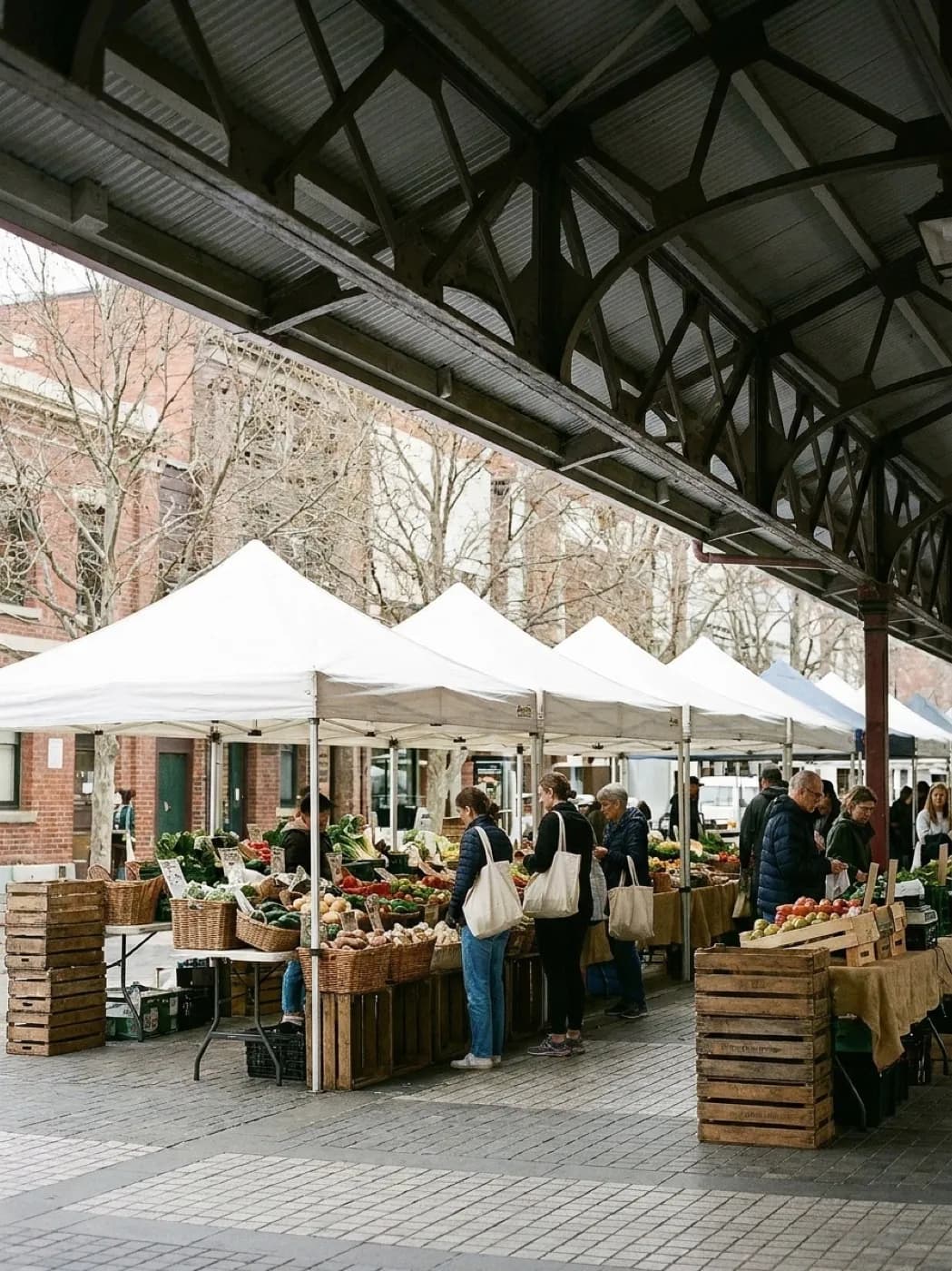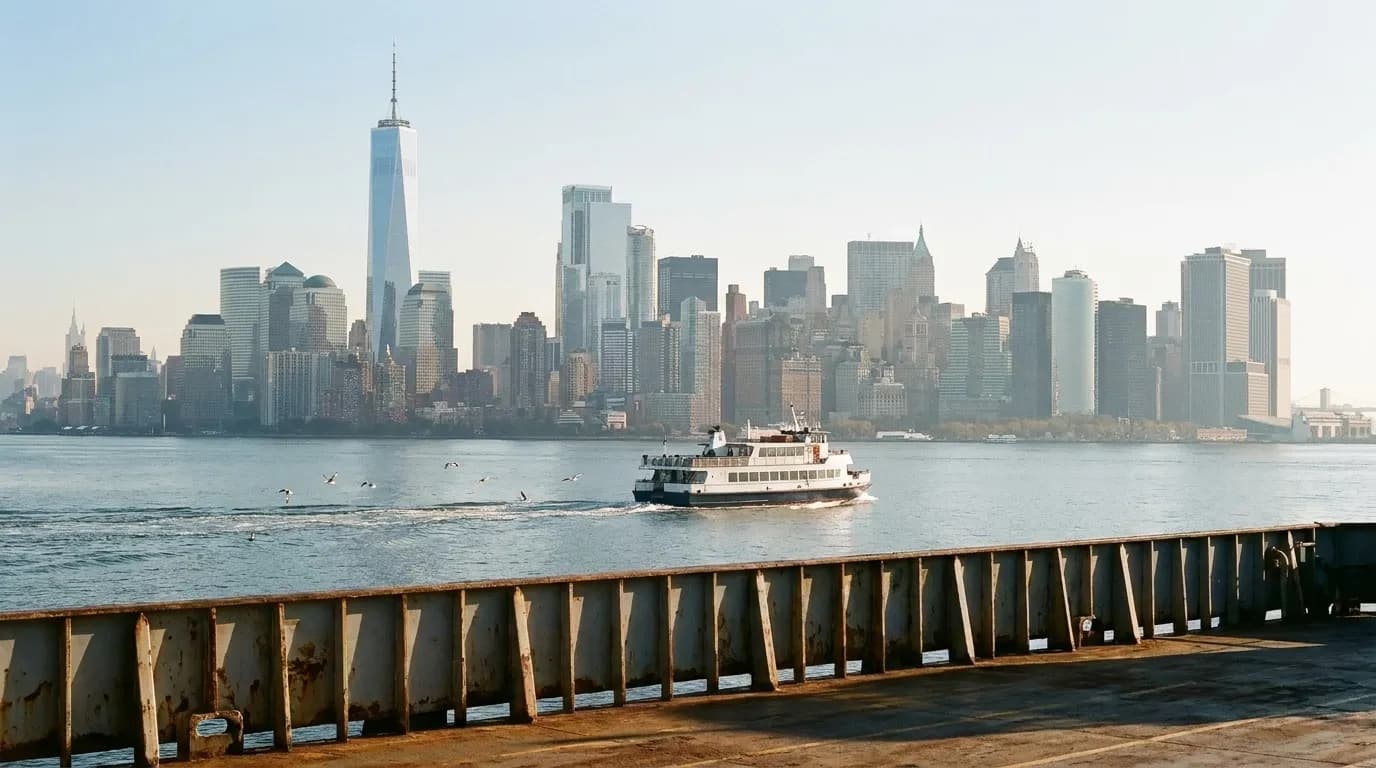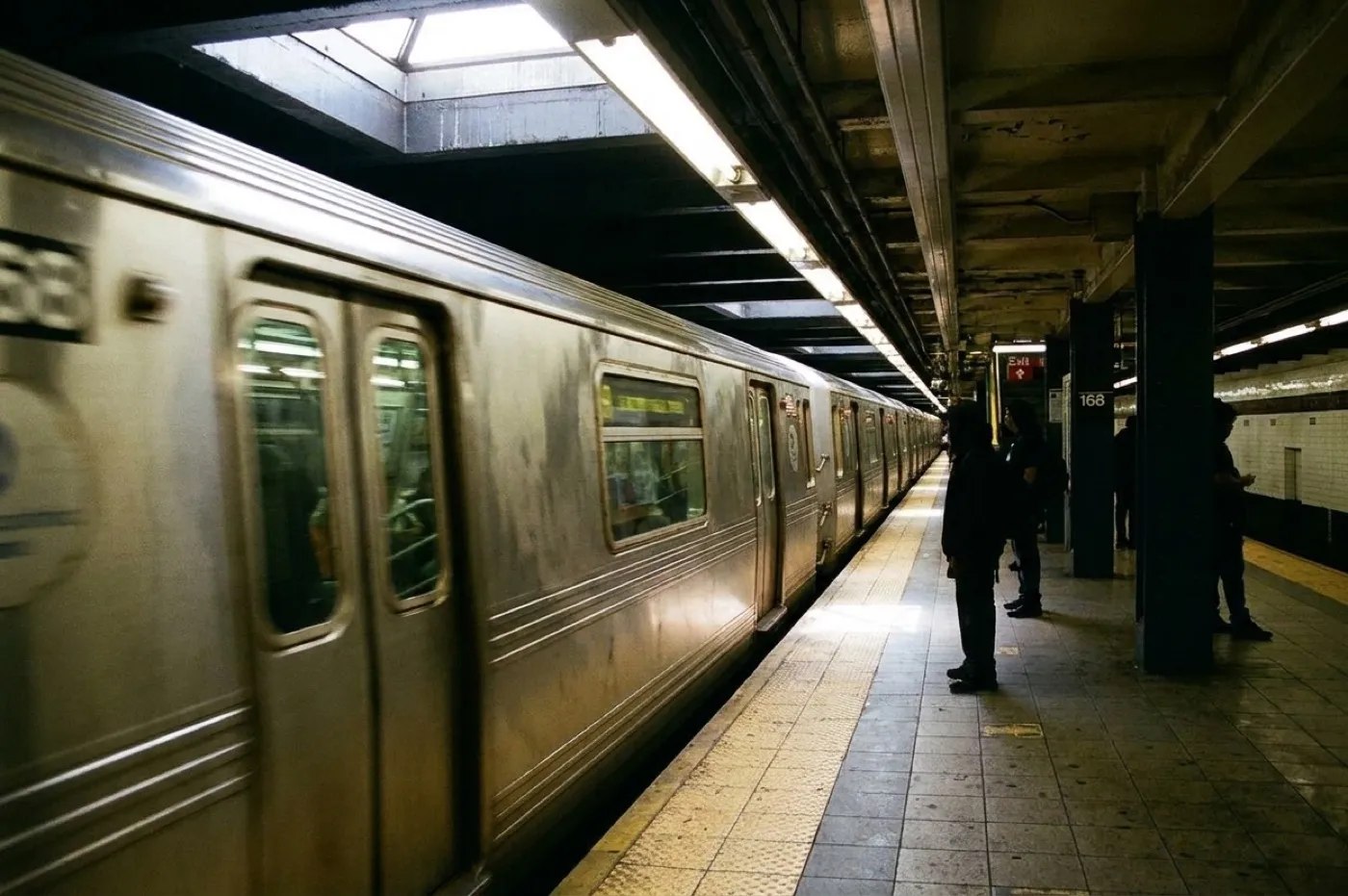
Things to do near me in New York is the wrong shape of question, because the answer depends less on where you are than on what you are willing to travel. The city is genuinely easier to plan by subway line: pick a train, ride it, and get off three or four times. That turns a day out from a series of separate decisions into one, cuts the travel time to almost nothing, and reliably takes you further from the tourist core than a radius search ever will. Here are twenty-five ideas, arranged by the line that reaches them. None of them require a car and almost all of them cost the price of a single fare.
Karpo can build a day around the line you are already on, check what is open, and tell you how long each hop actually takes with the weekend service changes.
The 7 to Queens: the best value day in the city
Ride it east from Midtown and get off at will. Long Island City for the waterfront park at Gantry Plaza with the skyline directly opposite, and the contemporary art museum a few blocks inland. Sunnyside and Woodside for Irish pubs and Thai food within a block of each other. Jackson Heights for the Indian, Nepali, Tibetan and Colombian food that makes Roosevelt Avenue the best eating street in New York, and for the historic garden-apartment blocks that are worth a walk in their own right. Flushing at the end for the food halls, the botanical garden and the park with the old World's Fair structures in it. Do it on a Saturday and the whole line is at its busiest and best; on a Sunday several of the Jackson Heights shops open late.
The A to the Rockaways: a beach day on a subway fare
The longest ride in the system and the only subway in America that reaches an ocean beach. Take it south past Broad Channel, where the line runs across the water through a wildlife refuge that is one of the best birdwatching sites on the east coast, and continue to the Rockaway peninsula for surf, a boardwalk and a concession row that runs through summer. In cold weather the same trip is a bleak and beautiful walk on an empty beach with almost nobody on it. Allow ninety minutes each way from Midtown and treat the ride as part of the day. Bring layers even in summer — the ocean end of the peninsula is consistently several degrees cooler than Midtown.
The L and the G: north Brooklyn without a car
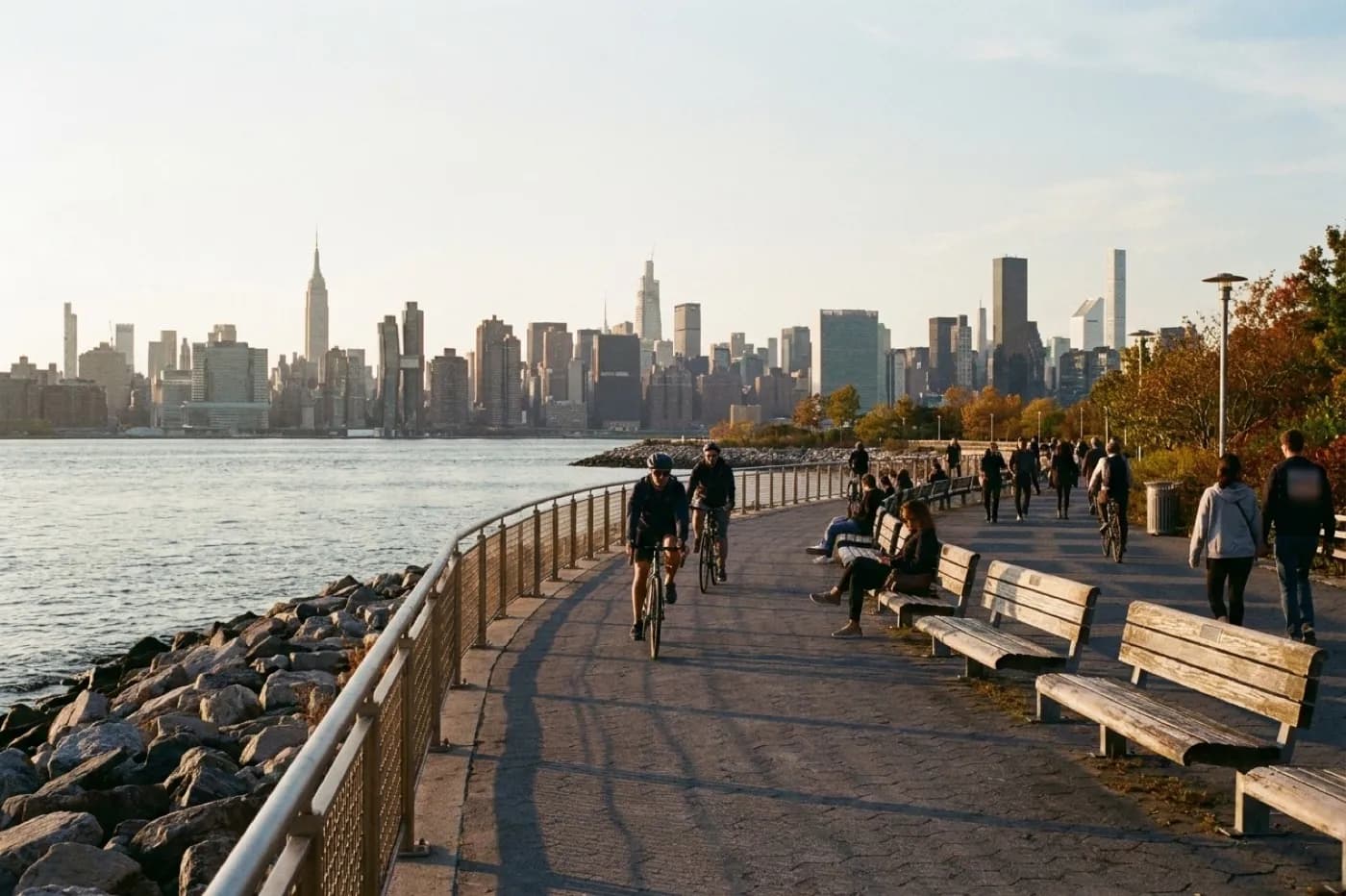
The L covers Williamsburg and Bushwick and the G links them north to Greenpoint and south to Clinton Hill, Prospect Heights and Carroll Gardens. Between them they reach the waterfront parks at Domino and Bushwick Inlet, the Bushwick murals, the vintage and record shops on Bedford and Wythe, the Greenpoint waterfront and, further south, the Brooklyn Museum and the botanic garden. The G is the only line that never enters Manhattan, which makes it the most useful train in the city for a day that is deliberately not about Manhattan. The two lines cross at Metropolitan and Lorimer, which is the pivot point for building a day that uses both.
The 1 up the west side: parks, cloisters and the top of the island
Ride it north and the day gets steadily quieter. The High Line and Hudson Yards at the southern end, the Upper West Side museums and Riverside Park in the middle, and then the part almost nobody does: Fort Tryon Park and the medieval museum at the top of Manhattan, with Inwood Hill Park beyond it, which contains the last stretch of original forest on the island. That final section is forty minutes from Midtown and feels like a different city, and it is free apart from the museum. Go north to south rather than south to north if you want the walk to get easier rather than harder as the day goes on.
The 2, 3 and 4 to the Bronx and deep Brooklyn
North on the 2 or 4 for the botanical garden, the zoo and Arthur Avenue's Italian market streets, all within a short distance of each other and none of them crowded on a weekday. South on the 2 or 3 for Prospect Park, the Brooklyn Museum and the long, walkable stretch of Flatbush and Crown Heights beyond them, which is one of the most interesting food corridors in the city. The Bronx in particular rewards being treated as a planned trip rather than an accident of a search radius.
How to actually use this
Pick the line first, then decide how far along it you are willing to go, then fill in stops. Check for weekend service changes before you commit, because they are routine and can turn a direct ride into an hour of shuttle buses. Eat at the far end rather than near the start, where the prices and the queues are worst. And build in a walk between two consecutive stops at least once — most of what is interesting in New York happens between stations rather than on top of them, and a fifteen-minute walk between two stops on the same line is the single best way to see it.
Practical notes
Weekend service changes are frequent and can add an hour to any of these routes; check the day of travel. A single fare covers the whole ride, and the daily and weekly fare caps make a multi-stop day cheaper than it looks. The Rockaway trip needs ninety minutes each way from Midtown. The Bronx and upper Manhattan destinations close earlier than downtown ones, especially gardens and museums. Many museums have discounted or pay-what-you-wish periods for New York residents. Hours and service patterns change, so confirm before travelling.
Tags: #ThingsToDoNearMe #NYC #Subway #Queens #Bronx #Brooklyn #Rockaways #JacksonHeights #LongIslandCity #ProspectPark #FortTryon #ArthurAvenue #NYCWeekend #CheapNYC
All trademarks are the property of their respective owners.
Ask Karpo first
Want a day built around the line you are already near? Ask Karpo for stops worth getting off at on your route, what is open today, and whether weekend service changes are going to break the plan.