There is a canonical list of things to do in Los Angeles and it is almost entirely wrong for anyone over about twenty-five who is not here for four days. It sends you to a boulevard of costumed characters, a pier, a sign on a hill and a studio tour, which between them consume two days and a great deal of driving in exchange for very little. The city that people actually live in is organised completely differently, and it is more interesting.
The famous list and the local one barely overlap. Ask Karpo what is worth doing near you today.
The organising principle is the neighbourhood, not the attraction
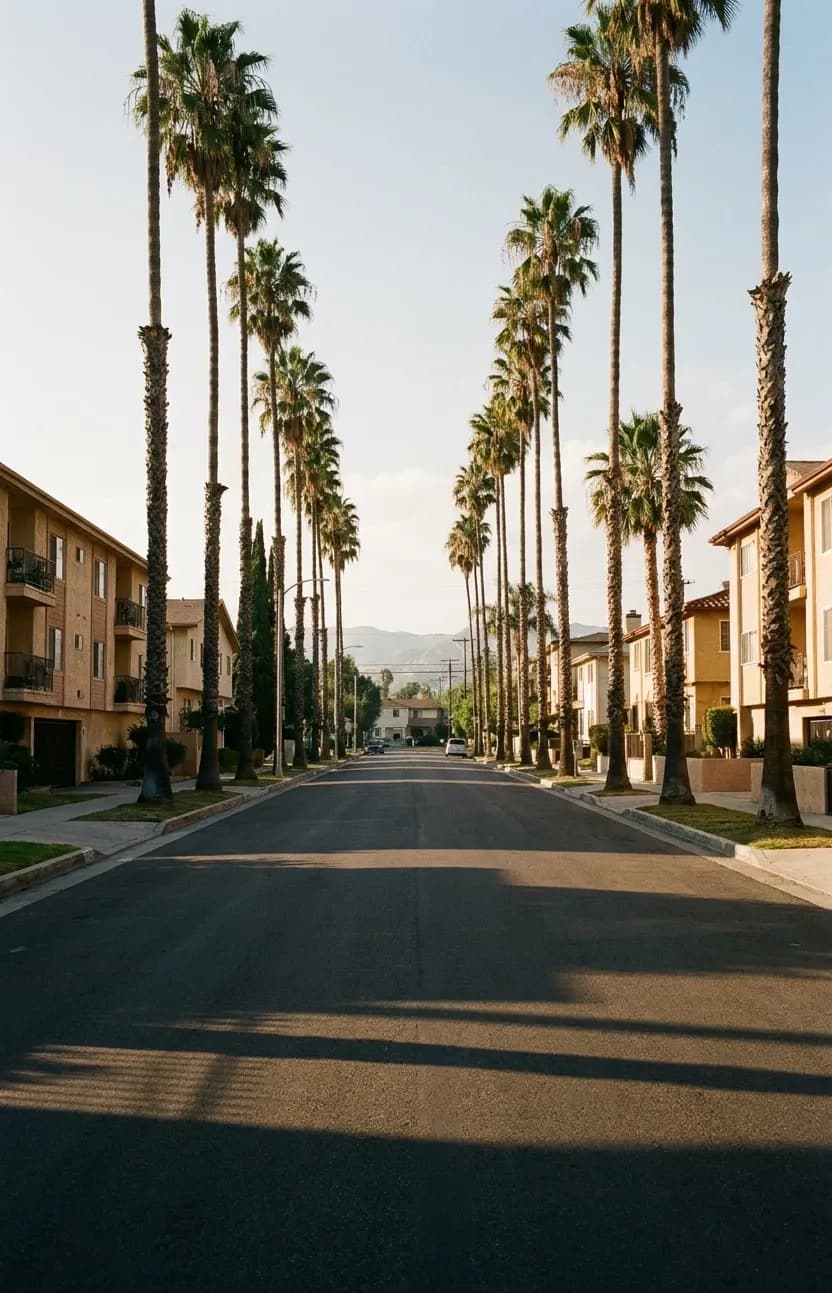
Los Angeles does not reward a checklist itinerary, because the distances punish it — three attractions in a day is four hours in a car. It rewards depth: picking one area and spending six hours in it, walking, which most visitors are told is impossible here and which is true only of the gaps between neighbourhoods rather than within them.
Highland Park, Frogtown and the arts district on the eastern side; Culver City and the Mar Vista stretch on the west; Koreatown and the surrounding blocks in the middle; Long Beach and San Pedro to the south. Each of these is a walkable day with food, shops, galleries and bars, and none of them appears on a standard itinerary.
The museums are genuinely world-class
This is the part of the city's cultural offering that is both famous and underrated, because people assume the museums are a consolation prize. They are not. The collections here are among the strongest in the country, several are free or nearly free, and the buildings and gardens are frequently better than the exhibitions.
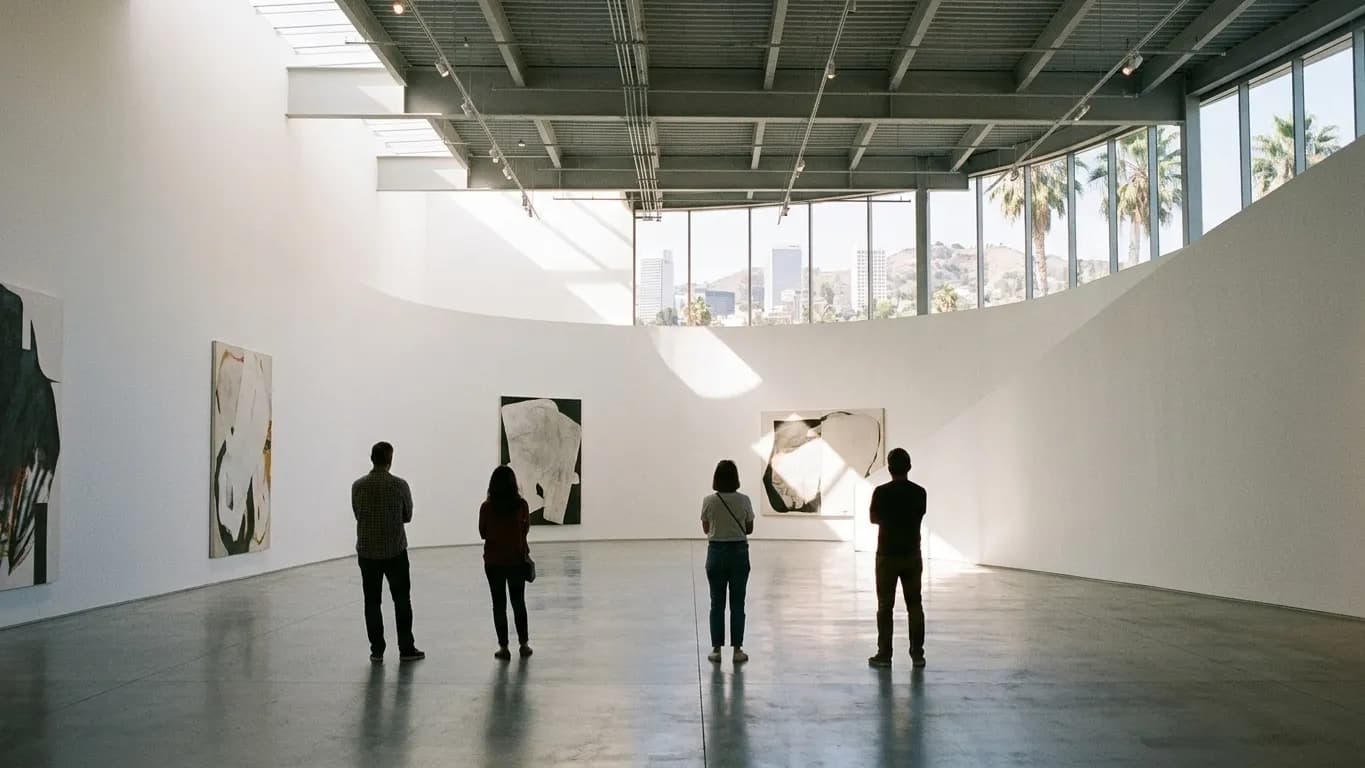
The practical advice is to book the free ones in advance, because free means timed entry rather than walk-up, and to go on a weekday if at all possible. The difference between a Tuesday and a Sunday at any major museum here is the difference between a contemplative afternoon and a slow-moving crowd.
Eating is the actual main event
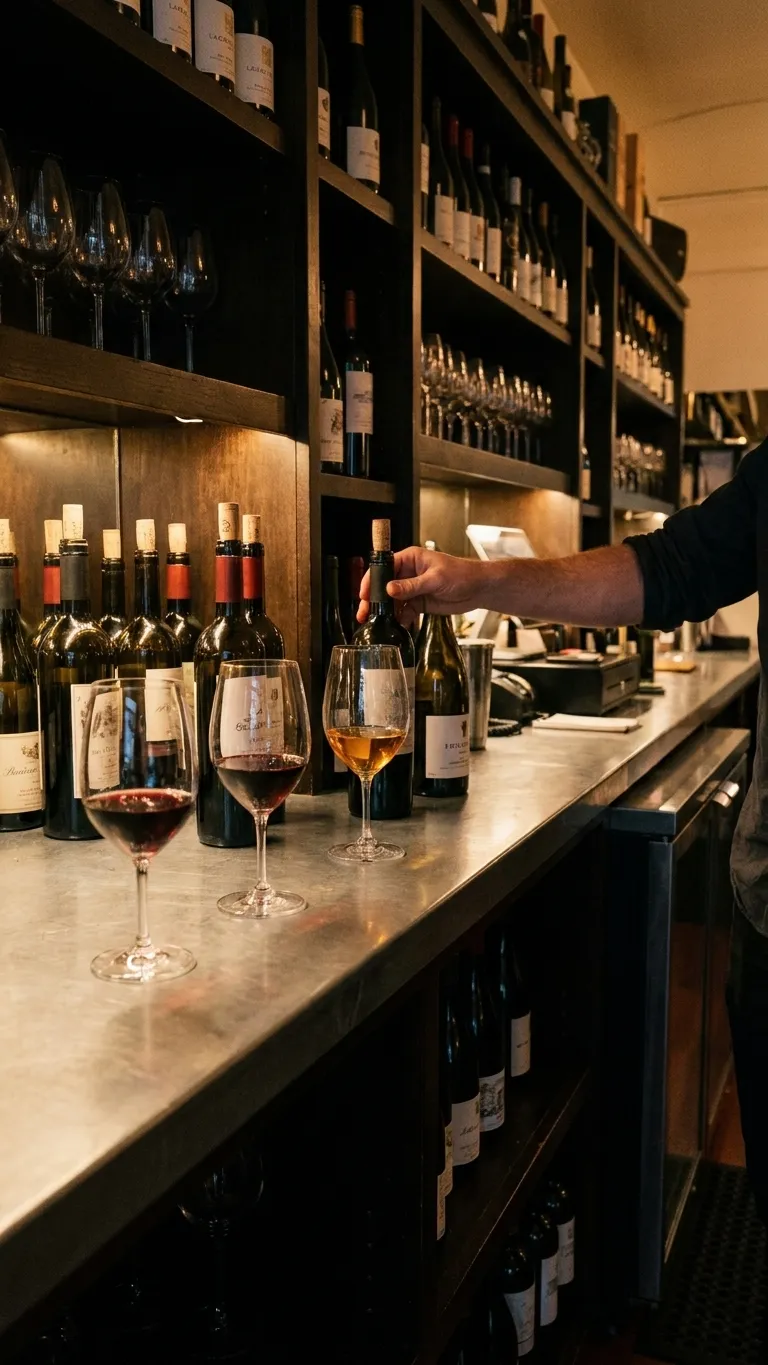
If you do one thing in this city, eat in it properly. Los Angeles has the best and most varied food of any American city, and almost none of the best of it is in the neighbourhoods visitors are directed to. The Thai, Oaxacan, Salvadoran, Armenian, Persian, Filipino, Korean and Chinese cooking here is the reason people who live here rarely feel any need to leave.
The correct approach is to pick a cuisine and a neighbourhood rather than a restaurant and a reservation. The San Gabriel Valley for Chinese regional food, Koreatown for Korean, the eastside for Mexican and Central American, Glendale and the valley for Armenian and Persian, Thai Town for Thai. Any of these produces a better day than any list of celebrated restaurants.
Outdoors, at the right hour
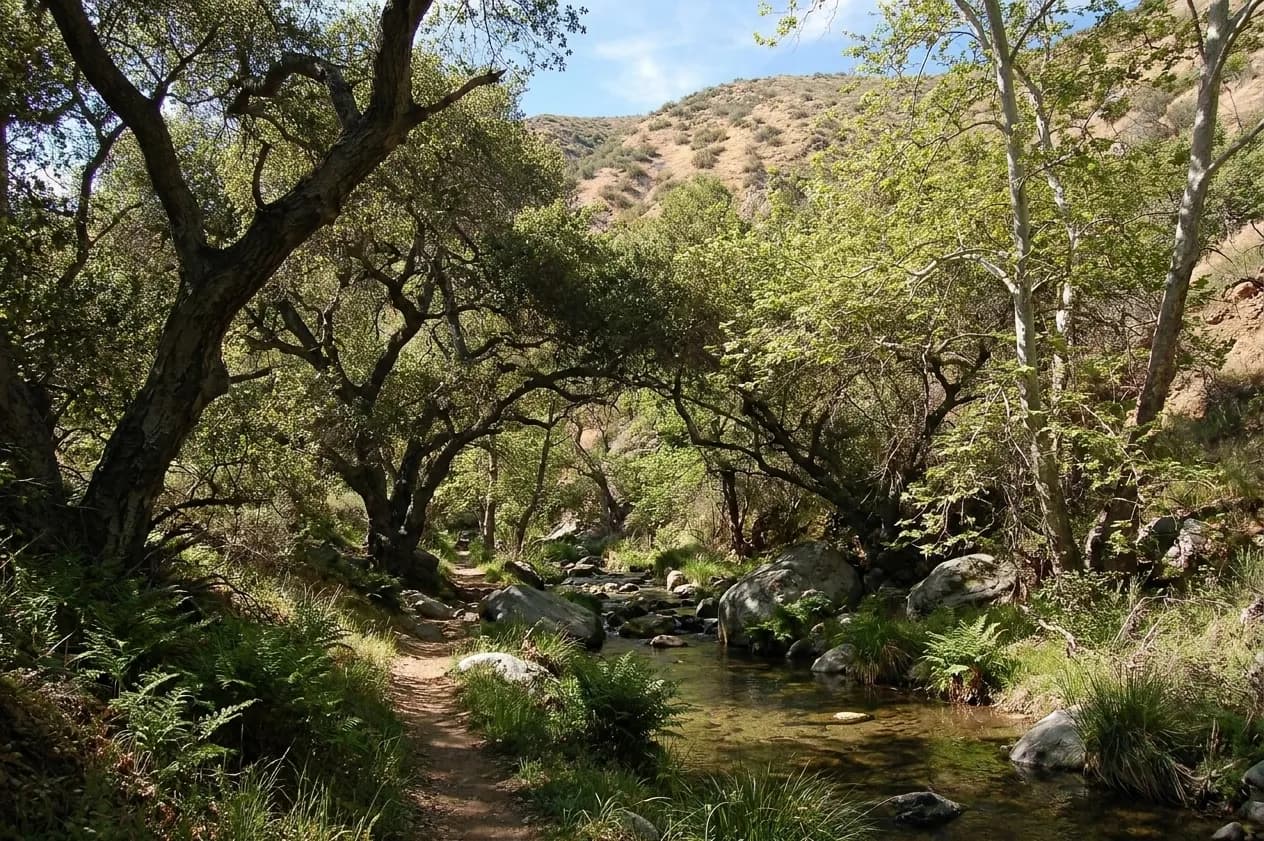
The hikes and the coast are genuinely great and are ruined by doing them at the wrong time. Trails here are crowded and hot from ten to four and empty and pleasant at seven in the morning or after five. The beaches are the same. Adjusting the hour costs nothing and changes the experience completely, and it is the single most useful piece of local knowledge in the whole category.
The specific recommendation for an adult weekend is a long early walk somewhere with elevation, breakfast afterwards at a neighbourhood place, and the rest of the day indoors while it is hot. That is roughly how people who live here structure a good Saturday, and it is the inverse of what a visitor typically does.
What to actually skip
The Walk of Fame, which is a crowded pavement. The pier, unless you have children or a specific fondness for piers. The bus tours of houses. The wax museums. And any experience with a queue, a photo opportunity and a gift shop as its three components — the city has a substantial industry built on selling the idea of Los Angeles to people standing in Los Angeles.
The exception worth naming is the observatory, which is genuinely good and worth the visit despite being firmly on the tourist list. Go at dusk on a weeknight, take transit or park a long way down and walk up, and it is one of the best things in the city rather than one of the most crowded.
Nights, which are earlier than you think
Los Angeles is not a late city on weeknights. Kitchens close around ten, bars empty well before two, and the notable exception is Koreatown, which runs genuinely late and is where much of the city goes when everywhere else has shut. A night out here works better starting at seven than at nine.
The other structural fact is that driving shapes everything. An evening in a walkable neighbourhood where you can leave the car in one place, or better still take transit, is a completely different social experience from one where somebody is monitoring their drinking. Choosing the area on that basis first, and the venue second, is what makes an evening here work.
The rail network is better than its reputation
The train here is genuinely useful along specific corridors and almost nobody visiting considers it. It connects downtown, Koreatown, Hollywood, Pasadena, Culver City, Santa Monica and Long Beach, which between them cover a substantial share of the things worth doing. Where it goes, it beats driving on cost, parking and the ability to drink.
Where it does not go, it is not a solution, and pretending otherwise leads to a two-hour journey with three transfers. The honest use of it is to check whether both ends of your day are on the network; if they are, take it, and if they are not, drive. That single check removes most of the frustration people report about transit here.
Tags: #LosAngeles #ThingsToDoLA #LAForAdults #HighlandPark #Koreatown #SanGabrielValley #LAMuseums #LAFood #WeekendPlans #NonTouristy #SoCal #LALife #ExploreLA
All trademarks are the property of their respective owners.
Ask Karpo first
Ask Karpo what is worth doing near you in Los Angeles today, at the right hour, without the drive across town.