 Haaland Has Seven Goals and Norway Runs Entirely Through Him
⚽️2026 FIFA WORLD CUP
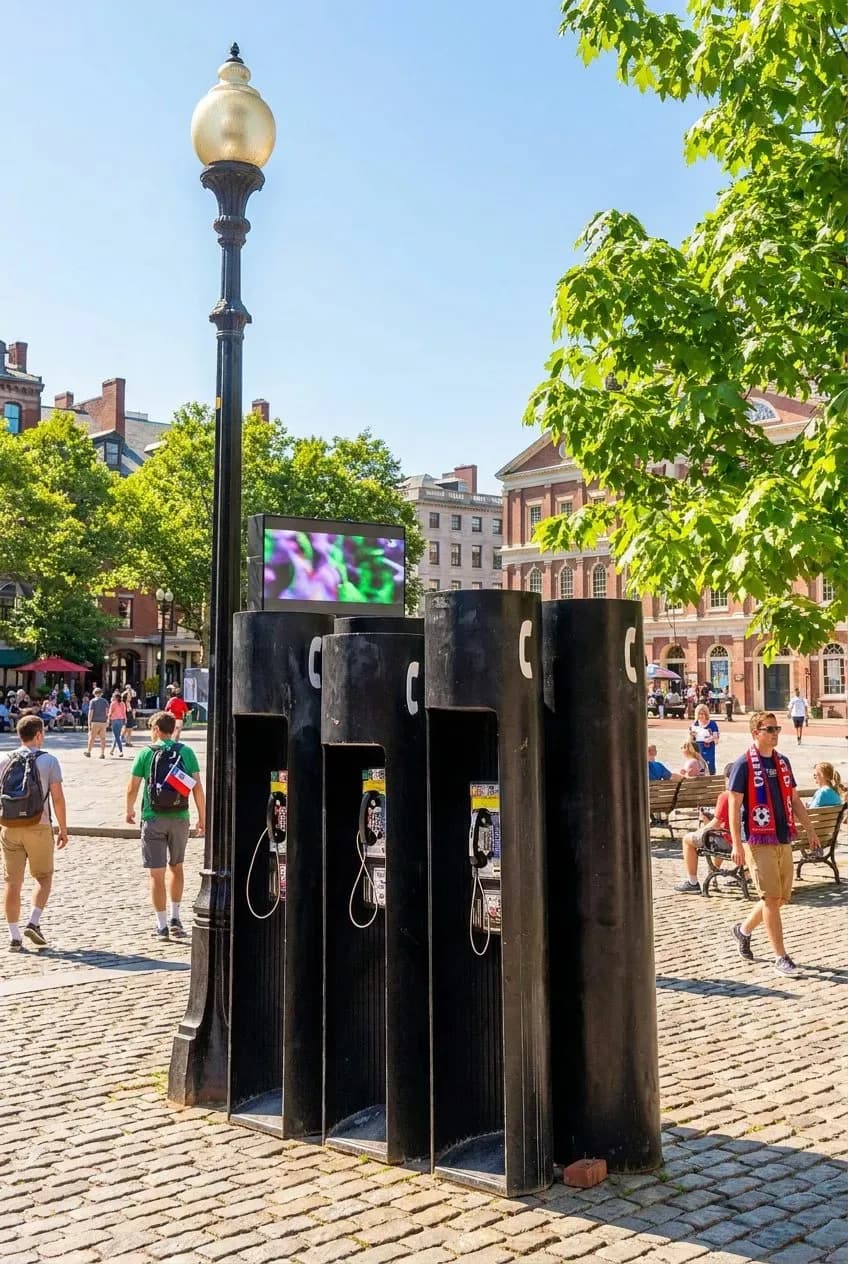
Things to Do in Boston Between World Cup Quarterfinal Matches
Between World Cup quarterfinal whistles at Gillette, Boston's Freedom Trail, North End bakeries, and harbor walks offer grounding escapes.
The Geography of Knockout Days
Gillette Stadium sits thirty miles southwest of downtown Boston in Foxborough, a commuter-rail ride that swallows forty-five minutes each way. When the 2026 World Cup quarterfinals arrive—four matches compressed into two days, each demanding three hours in the stands plus security queues—you'll bank six to eight waking hours in the city between opening and closing whistles. That's enough daylight to shake off the first match's tension and arrive at the second with fresh legs and a clearer head.
In Boston between matches? Ask Karpo what to do around the quarterfinals.
Boston rewards that interval better than most host regions. The commuter rail deposits you at South Station, where the Red Line and harbor walk converge. Fenway lies four stops west, the North End ten minutes north on foot, and the Freedom Trail unspools from the Old State House in every direction. You're not killing time; you're spending it in neighborhoods that predate the republic and still argue about cannoli.
Pack light—a crossbody bag, a charged phone, comfortable shoes—and accept that you'll cover three to five miles without noticing. The city compresses centuries into walkable blocks, and the quarterfinal schedule gives you just enough rope to explore without the guilt of missing kickoff.
Freedom Trail as Halftime Therapy
The two-and-a-half-mile red-brick trail connects sixteen colonial and revolutionary sites, but you don't need to complete the circuit to feel its effect. Start at the Old State House—where the Boston Massacre unfolded in 1770—and follow the crimson path north through cobblestone arteries that predate the Constitution. Faneuil Hall, Paul Revere's house, the Old North Church: each stop offers ten minutes of context and a shaded bench, no admission pressure.
The trail's genius lies in its refusal to sentimentalize. Plaques state facts; the architecture does the storytelling. You'll pass tour groups and school buses, but the path itself remains open and unmonetized, a public good that asks only that you read and walk. Between matches, that low-stakes rhythm—move, pause, absorb—clears the mental clutter of VAR reviews and penalty shootouts.
If you have ninety minutes, walk from the Old State House to the Bunker Hill Monument in Charlestown, then double back via the harbor. If you have thirty, loop through the North End's narrow streets and call it enough. The trail doesn't judge; it simply offers a thread through history when your own timeline feels fractured by match schedules.
North End Pastry as Tactical Fuel
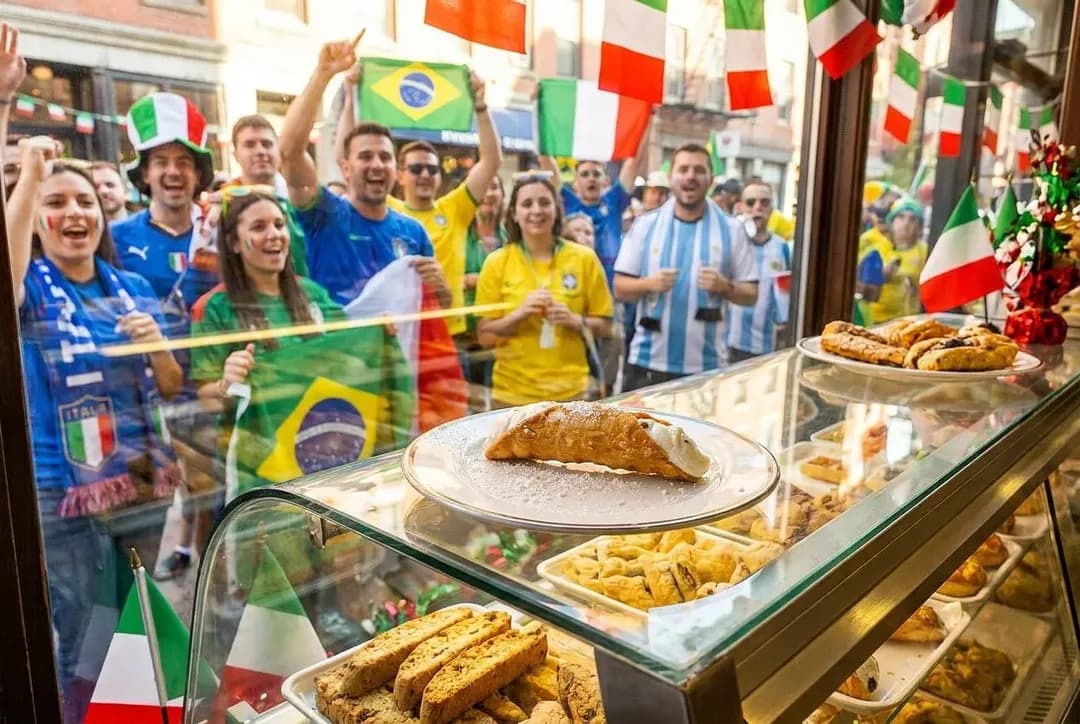
Boston's North End crams a century of Italian immigration into a half-square-mile tangle of brick rowhouses and sidewalk cafés. The neighborhood's bakeries—no need to name them; you'll see the lines—serve cannoli, sfogliatelle, and espresso with a brusqueness that borders on affection. Order at the counter, pay in cash if possible, and eat standing at a chest-high shelf while strangers debate filling ratios.
The cannoli question matters here: ricotta versus custard, shell thickness, chip size. You'll develop opinions after two stops. The sfogliatelle—a seashell pastry with citrus-scented ricotta—offers a lighter counterpoint, less canonical but no less serious. Pair either with a short pull of espresso, and you've built a bridge between the morning's match and the evening's kickoff without the weight of a full sit-down meal.
Timing: arrive after the lunch rush but before the dinner prep, roughly two to four in the afternoon. The bakeries stay open, the streets thin out, and you can claim a sunny stoop on Hanover Street to watch the neighborhood reset. It's a functional break—calories, caffeine, shade—but the North End's density and accent turn function into theater.

Harbor Walk When the Noise Climbs
The Boston Harborwalk stretches forty-three miles along the waterfront, but the downtown segment—from the New England Aquarium to the Seaport—gives you two miles of breeze, benches, and sightlines that quiet the city's usual clamor. Between quarterfinal matches, when your ears still ring with stadium roar and your shoulders carry three hours of tension, the harbor walk offers a reset that gyms and hotel rooms can't match.
Walk east from Faneuil Hall toward the water. The path skirts the aquarium, crosses the Fort Point Channel, and delivers you into the Seaport's glass-and-steel sprawl. You'll pass joggers, tourists photographing the skyline, and locals walking dogs with the confidence of people who've lived through every Boston sports triumph and heartbreak. The harbor itself—gray-blue, dotted with ferries and sailboats—provides a middle distance that lets your eyes relax after hours of tracking a ball across a pitch.
If you need more than a walk, the harbor islands—accessible by ferry from Long Wharf—offer hiking and beach time, but the schedule rarely permits the round trip between matches. Stick to the mainland walk, claim a bench near the Institute of Contemporary Art, and let the seabirds and shipping traffic recalibrate your nervous system before the evening's anthem.
Fenway Neighborhood, Not the Ballpark
Fenway Park will likely sit dark during the World Cup—baseball's All-Star break overlaps the tournament's knockout rounds—but the neighborhood around it hums regardless. Lansdowne Street, Brookline Avenue, and the blocks west of the park hold record shops, used bookstores, and lunch counters that serve the city's college population and the medical staff from nearby Longwood. It's a neighborhood built for browsing, not spectacle.
The used bookstores on Comm Ave stock poetry, philosophy, and Red Sox lore in equal measure. You can lose thirty minutes flipping through oversized art books or hunting first editions, no purchase required. The record shops skew vinyl and indie, with listening stations that let you sample before committing. Both categories offer air conditioning, quiet, and the permission to move slowly—all rare commodities on a doubleheader day.
Lunch here runs to counter-service sandwiches, Thai takeout, and pizza by the slice. Nothing fancy, nothing slow. Eat at a window bar, watch the students and nurses cycle past, and remember that Boston's rhythms don't pause for global tournaments. The city has seen enough parades to know that the next match, the next season, the next century will arrive whether or not you finish your fries.
Commuter Rail as Moving Meditation
The commuter rail between South Station and Foxborough becomes a shared ritual on match days—forty-five minutes of enforced stillness while the suburbs scroll past the window. Between quarterfinal matches, that same train offers a chance to decompress without the pressure to sightsee or optimize. Board at South Station, claim a window seat, and let the trip itself become the activity.
The route cuts through Dorchester, Quincy, and the South Shore's tidal flats before swinging inland toward Foxborough. You'll see triple-deckers, marshland, and the occasional heron. The train fills with a mix of commuters heading home early and fans shuttling between matches, the latter identifiable by their jerseys and the nervous energy that comes from knowing the stakes just doubled. Conversations bloom and fade; strangers compare first-match notes and predict lineups.
Use the ride to charge your phone, hydrate, and review your evening plans. The train's rhythm—steady, predictable, immune to traffic—offers a rare guarantee on a day when kickoff times and crowd surges control everything else. By the time you reach Foxborough for the second match, you've banked forty-five minutes of rest that your legs and attention span will thank you for during extra time.
Practical notes
- Commuter rail from South Station to Foxborough runs roughly every 90 minutes on match days; check MBTA schedules and buy round-trip tickets in advance.
- Wear comfortable walking shoes—Boston's brick sidewalks and cobblestones punish dress shoes and new sneakers alike.
- Most North End bakeries prefer cash; ATMs cluster near Hanover Street intersections.
- The Freedom Trail is free and self-guided; download the NPS app for site details or follow the red-brick path without tech.
- Harbor ferries to the islands require 2–3 hours round trip; save them for non-match days or early mornings before kickoff.
Quarterfinal days demand stamina, but Boston's compact geography and layered history turn the hours between matches into their own kind of reward. You'll arrive at the second kickoff with cannoli sugar on your fingers, harbor salt in your hair, and the quiet confidence that comes from walking streets older than the tournament itself. The knockout rounds will end, the champions will lift the trophy in New Jersey, but the city's rhythm—brick paths, bakery lines, tidal breeze—will outlast every result.
Tags: #WorldCup2026 #BostonTravel #FreedomTrail #NorthEndBoston #BostonHarbor #FenwayNeighborhood #GilletteStadium #CommuterRail #WalkableCity #HistoricBoston #MatchDayItinerary #QuarterfinalWeekend #UrbanExploration #BostonFood #CityBetweenMatches
All trademarks are the property of their respective owners.
Ask Karpo first
Planning your Boston quarterfinal doubleheader and need the cleanest route between harbor walk and kickoff, or wondering which bakery line moves fastest at three in the afternoon? Ask Karpo first—we map the city's rhythms so you spend less time guessing and more time walking streets that watched the republic begin.
Ask Karpo for more information.
Keep reading
- Haaland Has Seven Goals and Norway Runs Entirely Through Him
 World Cup Trophy Ceremony Timing Medals and Postmatch Celebrations
 Olise and France's Attack: The Semifinal Tactical Question