In the closing moments of the 2022 World Cup final, as Lionel Messi lifted the golden trophy in Qatar, stadium speakers blasted Pitbull's "We Are One" across Lusail Stadium. But scattered throughout the crowd, a different sound emerged—thousands of Argentine fans singing "Muchachos," a folk tune transformed into their team's unofficial anthem. That moment captured the eternal tension of World Cup music: the polished official soundtrack versus the raw, tribal chants that truly move nations. As the 2026 World Cup prepares to span three countries and 16 cities, the musical landscape promises to be more complex and captivating than ever before.
The Triple-Nation Anthem Challenge
For the first time in World Cup history, FIFA faces the unprecedented challenge of creating an official soundtrack that represents three host nations simultaneously. The United States, Mexico, and Canada each bring distinct musical traditions—from Nashville country to mariachi to indigenous Canadian folk—creating both opportunity and complexity for the tournament's official theme song.
Early discussions suggest FIFA may break tradition by commissioning multiple official anthems rather than a single track. Industry sources indicate collaborations between artists from all three nations are already in development, with names like Bad Bunny, The Weeknd, and various Mexican regional artists circulating in music industry circles. The challenge isn't just linguistic—it's cultural, requiring a delicate balance that honors each country's musical identity without creating a diluted compromise.
The stakes couldn't be higher. World Cup anthems historically become global phenomena, with tracks like Shakira's "Waka Waka" achieving over 3.3 billion views on YouTube and becoming synonymous with the tournament itself. The 2026 edition must capture the essence of three nations while appealing to a global audience that will exceed 5 billion viewers.
Stadium Symphonies Across 16 Cities
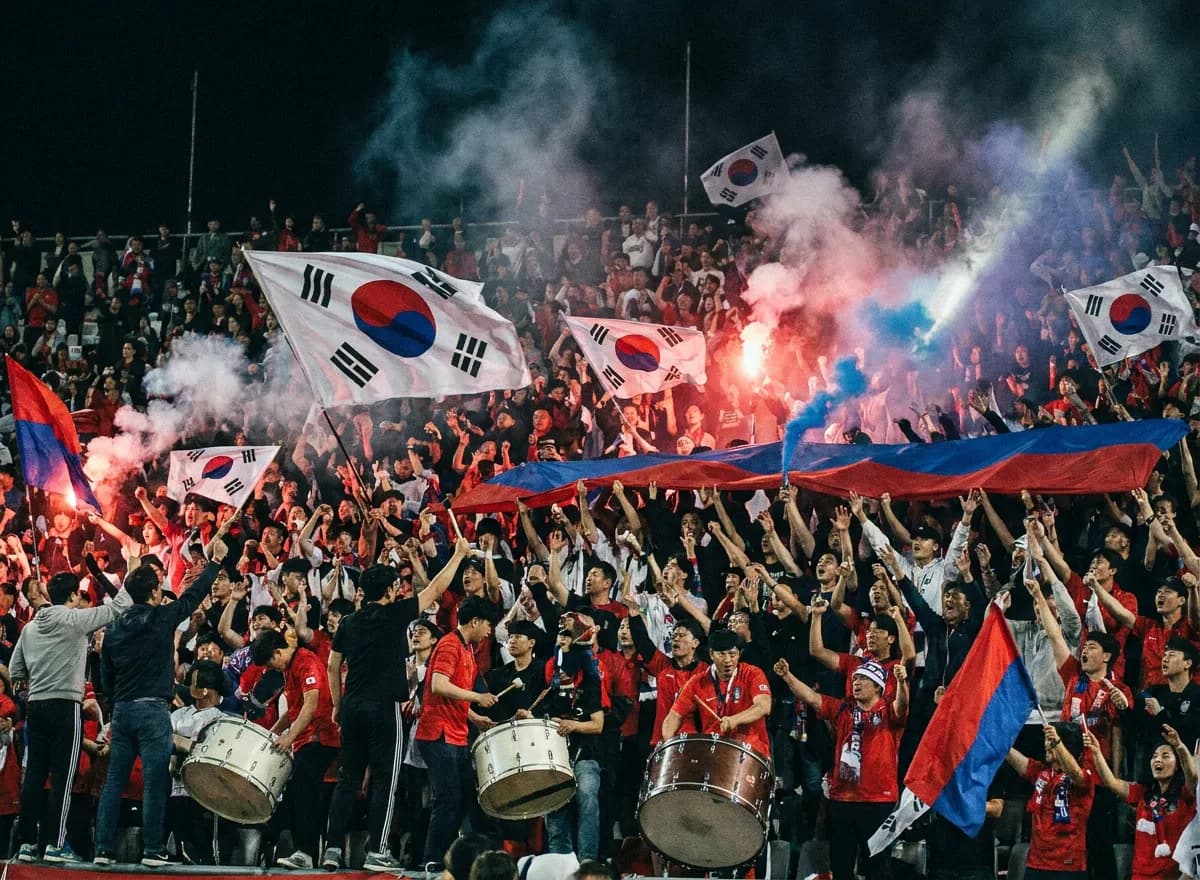
The expanded format of 104 matches across 16 venues creates an unprecedented opportunity for regional musical flavors to emerge. Each stadium will develop its own acoustic identity, influenced by local fan cultures and architectural acoustics. AT&T Stadium in Arlington, with its retractable roof and 80,000 capacity, will create a different sonic experience than the open-air Rose Bowl in Pasadena.
Mexico's three host cities—Mexico City, Guadalajara, and Monterrey—bring established traditions of coordinated fan chants, including the controversial "Puto" chant that FIFA has been attempting to eliminate. Mexican supporters' groups have already begun developing new chants specifically for 2026, working with fan organizations to create alternatives that maintain their passionate energy while meeting FIFA's conduct standards.
Canadian venues in Toronto and Vancouver present unique opportunities for bilingual chants and the integration of indigenous musical elements. The Toronto FC supporters' groups have pioneered bilingual chanting in MLS, creating templates that could influence how international fans experience matches in Canada. These local innovations often become the tournament's most memorable musical moments, spreading organically through social media and fan networks.
The Digital Age of Fan-Created Anthems
Social media has revolutionized how World Cup songs spread and evolve. The most impactful songs of recent tournaments haven't been official FIFA releases but fan-created content that goes viral. Argentina's "Muchachos" began as a simple folk melody before becoming a global phenomenon through TikTok videos and WhatsApp shares.
For 2026, expect fan-created content to reach new heights. Apps like Smule and BandLab allow supporters to collaborate on original chants and remixes across international boundaries. American fans, traditionally less versed in soccer chanting culture, are already learning from European and South American supporters through YouTube tutorials and TikTok demonstrations.
The tournament's timing during the North American summer coincides with festival season, creating crossover opportunities between World Cup celebrations and existing music festivals. Several major music festivals are already planning World Cup-themed stages and collaborations, potentially creating new hybrid forms of sports and music entertainment that could influence future tournaments.
Mariachi Meets Hip-Hop: The Fusion Phenomenon
Mexico's musical contribution extends far beyond traditional mariachi, encompassing the country's thriving hip-hop and reggaeton scenes. Artists like Peso Pluma and Natanael Cano have pioneered "corridos tumbados," a fusion genre that could become the tournament's breakout sound. These artists combine traditional Mexican storytelling with contemporary trap beats, creating music that resonates with both older and younger generations.
The proximity of matches to major music hubs like Los Angeles, Nashville, and Toronto creates opportunities for spontaneous collaborations and surprise performances. The entertainment industry's involvement in World Cup 2026 is expected to exceed any previous tournament, with major record labels already planning extensive marketing campaigns around the event.
Canadian artists bring their own fusion traditions, particularly the mixing of French and English lyrics that could create unique multilingual anthems. The success of artists like Drake and The Weeknd in global markets provides a platform for Canadian musical contributions that could reach unprecedented international audiences during the tournament.
When Silence Becomes Sound: The Acoustic Architecture of Victory
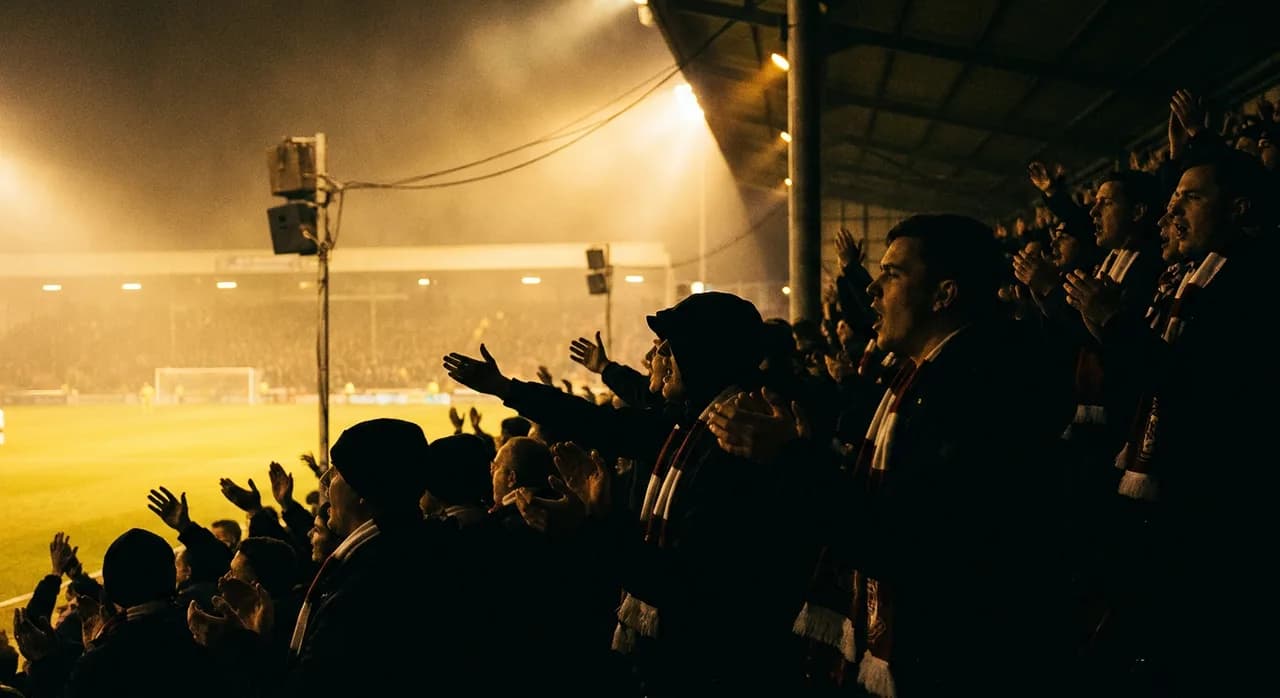
The most powerful musical moments often occur in the spaces between organized chants—when 80,000 people collectively hold their breath before a penalty kick, or when a stadium erupts in spontaneous celebration after an unexpected goal. These unscripted sonic experiences define World Cup memories more than any official soundtrack.
Stadium designers for 2026 have studied the acoustic properties that enhance these moments. The renovation of Gillette Stadium in Foxborough specifically considered how sound travels and reverberates, while new sound systems at several venues are designed to amplify crowd noise rather than mask it with artificial enhancements.
The tournament's musical legacy will ultimately be determined not by FIFA's official selections but by these organic moments of collective expression. Previous World Cups show that the most enduring musical memories come from supporter creativity, cultural collision, and the universal language of celebration that transcends national boundaries.
Practical Notes
Download apps like SoundHound and Shazam before attending matches to identify songs and chants you hear in stadiums. Many supporter groups publish their songbooks online weeks before matches, allowing visiting fans to learn and participate. Follow official team and FIFA social media accounts for early releases of tournament music, and consider creating playlists that blend official anthems with fan-created content to capture the full musical experience of World Cup 2026.
Tags: #WorldCup2026 #FIFA2026 #WorldCupMusic #FanChants #TournamentAnthems #USMexicoCanada #SoccerCulture #WorldCupSongs #StadiumAtmosphere #FIFAMusic #GlobalFootball #WorldCup2026USA
Sources consulted: fifa.com · espn.com
All trademarks are the property of their respective owners.
Ask Karpo first
Want to keep following the World Cup 2026 story as it unfolds? Ask Karpo for a personalized bracket, live score alerts, and a match schedule tailored to your teams and your city.