The Morris Park Corner Where Italian Pasticcerie and Dominican Panaderías Share a Block
A Corner That Time Forgot to Gentrify
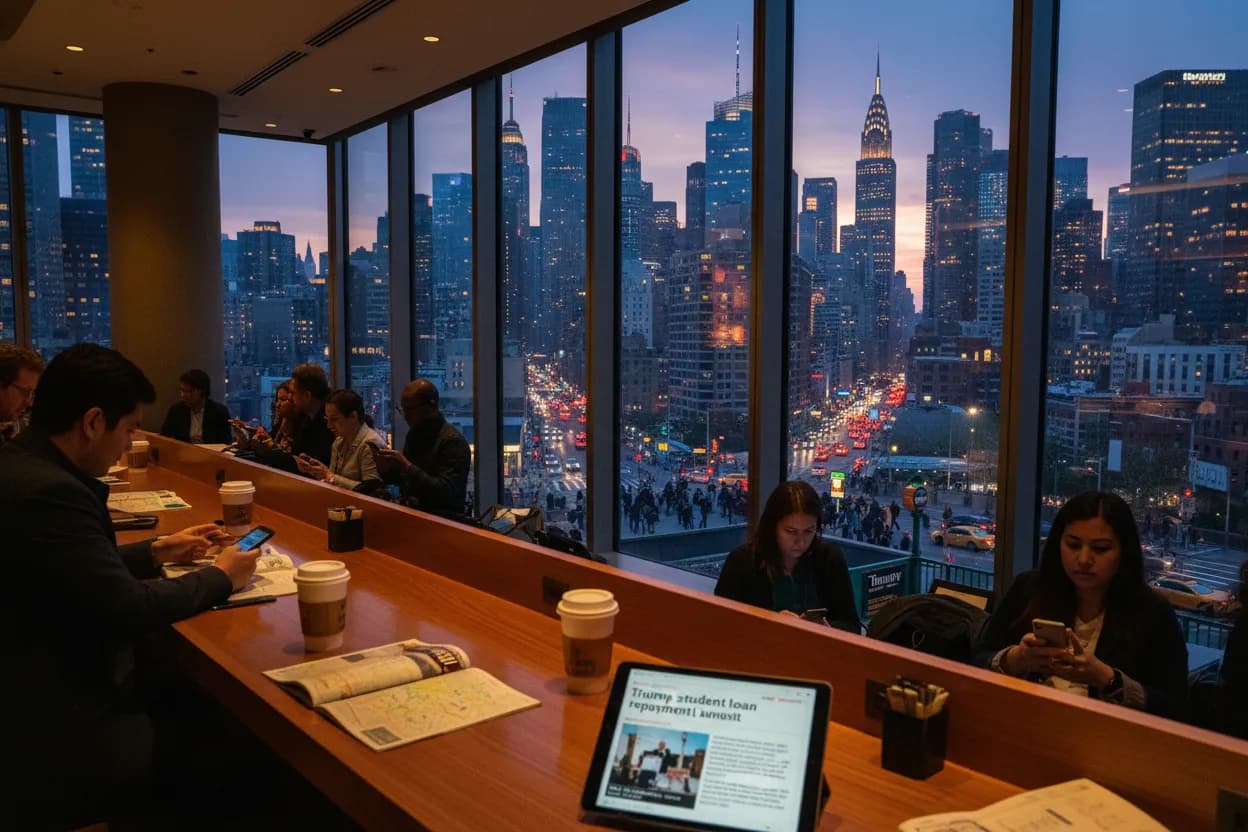
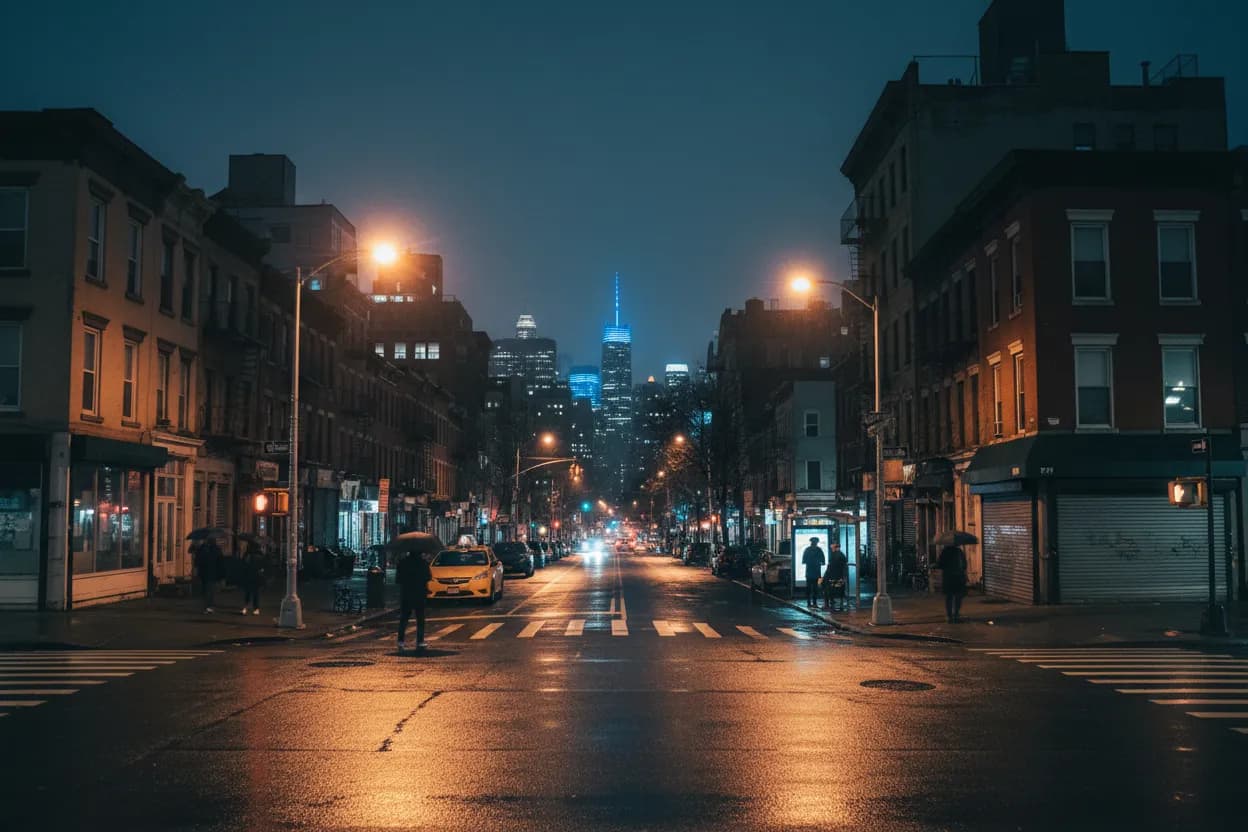
Morris Park Avenue doesn't photograph well for Instagram. The elevated train shadows don't cast the kind of light that flatters latte art, and the storefronts haven't been updated with the minimalist sans-serif signage that signals a neighborhood's arrival on the culinary radar. This is precisely what makes the intersection at its commercial heart so remarkable—two bakeries, diagonal from each other, operating in a kind of unspoken partnership that no food hall could manufacture.
The northeast Bronx has always been a place where communities layer rather than displace. Here, between the medical complexes and the row houses with aluminum siding, a particular block tells a story about what happens when immigrant food traditions don't compete but coexist. The Italian-American pasticceria on the south corner has been here since 1981. The Dominican panadería on the north corner arrived in 2011. Neither has any interest in expanding, rebranding, or being discovered. They're too busy making bread.
The Weight of a Neapolitan Press
Walk past Pasticceria del Nonno on any morning and you'll see it through the front window: a cast-iron sfogliatelle press from the 1960s, bolted to a wooden work table that has absorbed four decades of flour dust and butter. The current owner's grandfather shipped it from Naples before the family emigrated, and it remains the only tool used to shape the bakery's signature pastry. The machine produces a distinctly thicker shell than the automated versions common in modern Italian bakeries—the layers separate with an audible crack, each one shattering into a controlled flake rather than a powder.
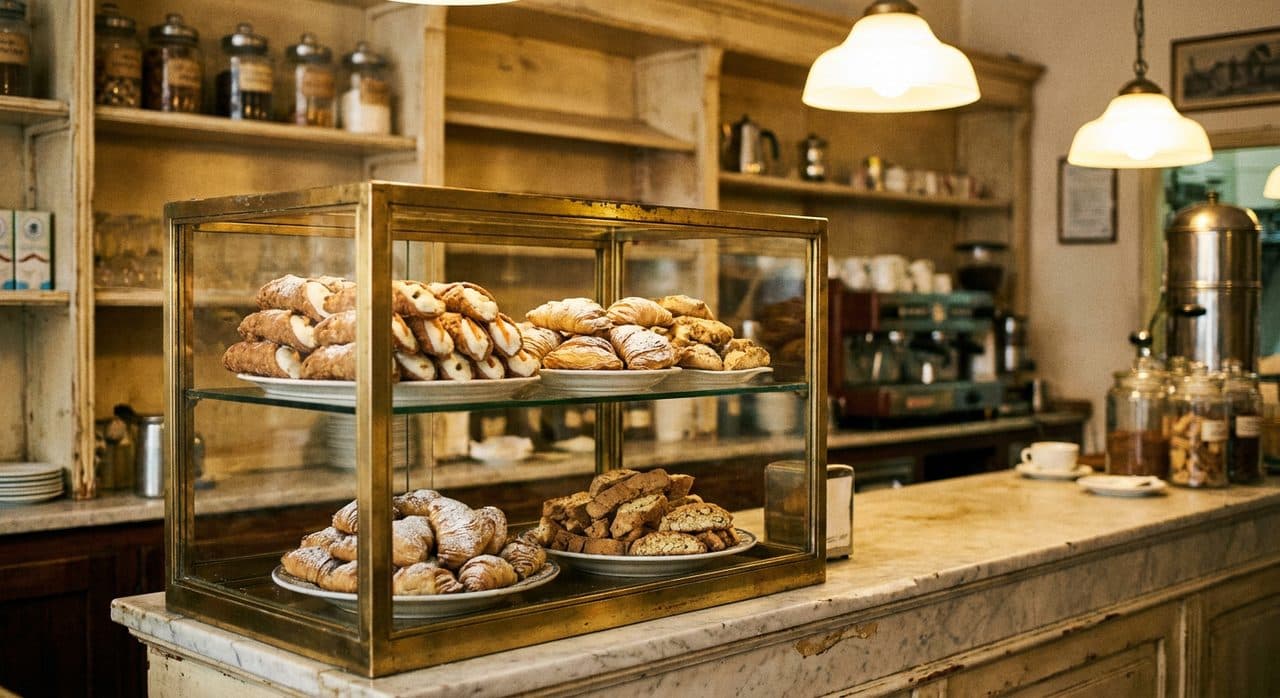
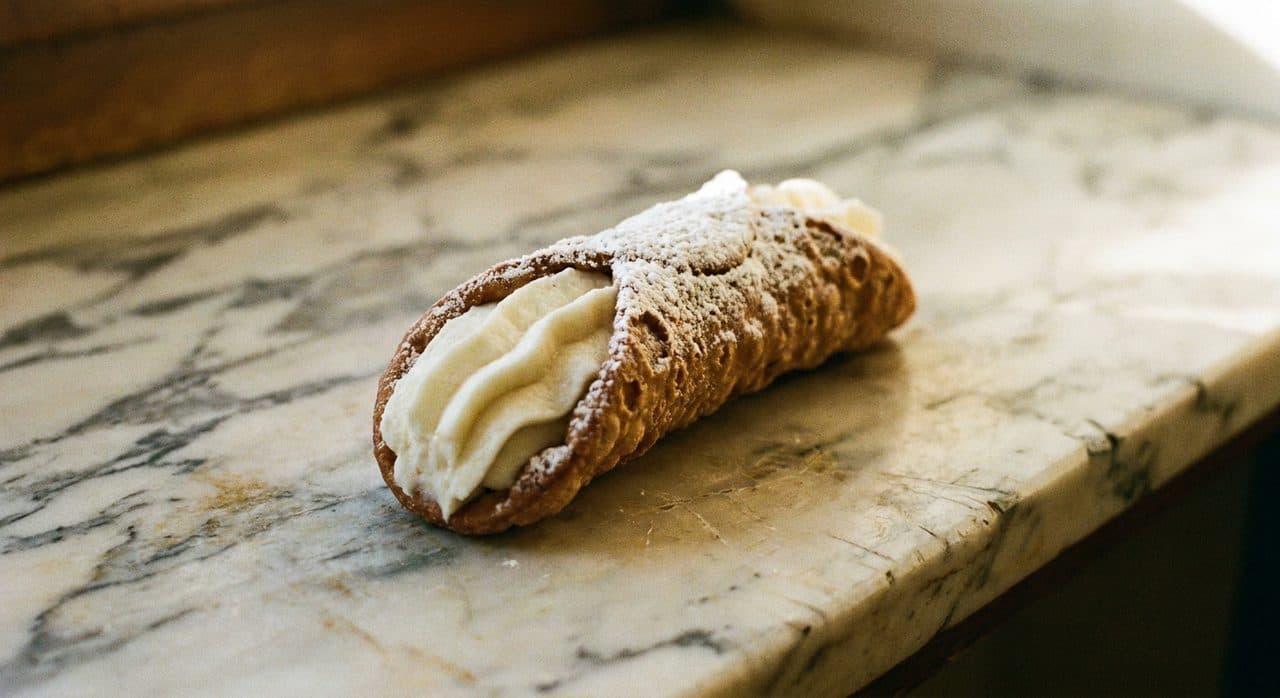
The pasticceria operates like a museum that happens to sell food. Glass cases display cannoli filled to order, their shells stored separately to prevent sogginess. Biscotti are arranged by hardness, from the tooth-threatening twice-baked variety to softer anise-scented logs meant for dunking. The sfogliatelle sit in neat rows, their ridged surfaces golden and glistening, each one slightly irregular in a way that betrays its handmade origin. The ricotta filling inside carries a hint of orange zest and cinnamon, a recipe that hasn't changed since the Reagan administration.
Three generations have worked this counter. The current owner, a soft-spoken man in his fifties, learned to crimp dough edges before he learned to ride a bicycle. He doesn't advertise, doesn't offer online ordering, and closes promptly at 6pm regardless of customer traffic. The regulars know the schedule. Everyone else can figure it out.
When 2am Becomes a Professional Standard
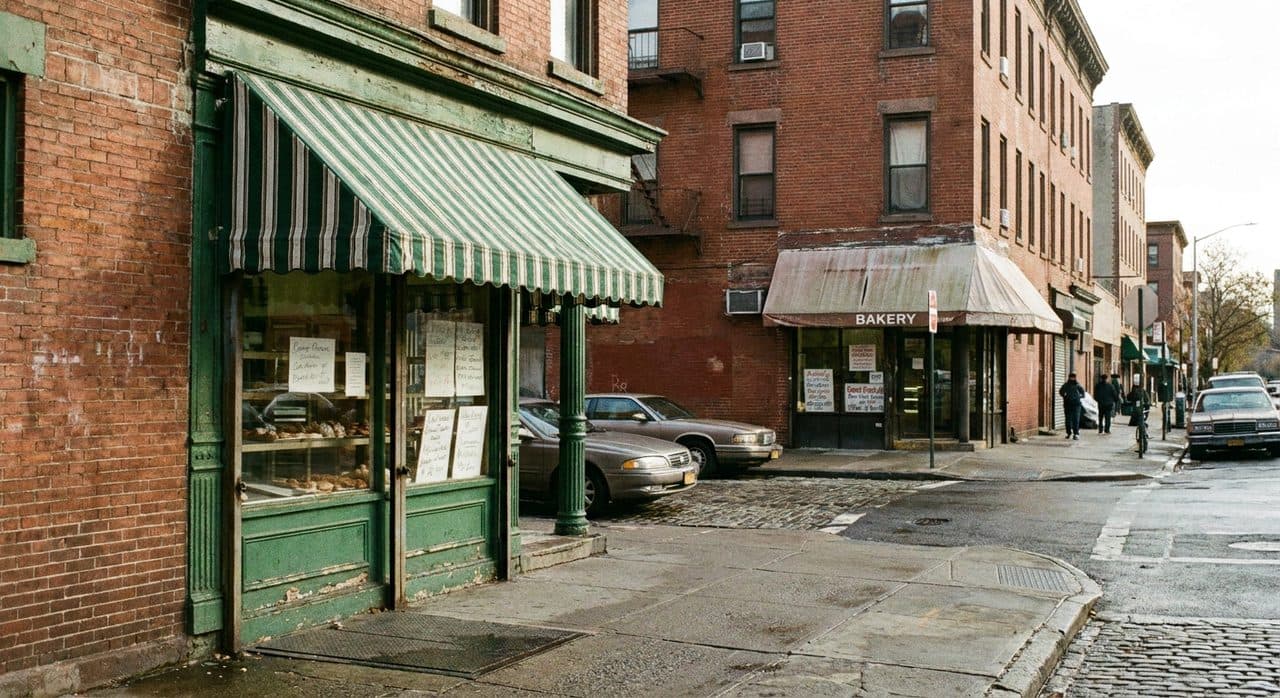
Across the diagonal, Panadería La Familia operates on a timeline that would exhaust most bakers. The owner arrives at 2am every single day—a schedule she has maintained for thirteen years without interruption. The bread must be fresh at opening, she explains, not reheated, not held over, not acceptable by any other measure. This is not dedication performed for an audience. It is simply what she considers the minimum professional standard.
By 6am, the pan de agua emerges from the ovens in batches that will sell out before noon. The loaves have a crust that crackles under slight pressure and a crumb soft enough to absorb an entire café con leche without disintegrating. Dominican families buy them by the half-dozen for breakfast sandwiches. Construction workers grab two on their way to job sites. The bread costs less than a subway fare and tastes better than anything three times its price in Manhattan.
The tres leches cake, displayed in a refrigerated case near the register, has become the neighborhood's default celebration dessert. Birthdays, quinceañeras, graduations—the sponge soaked in three milks appears at every occasion, its surface crowned with whipped cream and maraschino cherries arranged in patterns that vary by the baker's mood. Customers place orders weeks in advance, specifying sizes that range from intimate to absurd.
The Saturday Morning Exchange No One Named
Something happens on this corner between 8 and 10am every Saturday that has never been formalized, announced, or explained. The Italian owner emerges from his shop carrying a tray covered with a white cloth. He crosses the street diagonally, enters the Dominican bakery, and sets the tray on the counter. Inside: an assortment of pastries, always including sfogliatelle, always arranged with care. He accepts a coffee, exchanges a few words in a hybrid of English and gesture, and returns to his shop.
Within the hour, the Dominican owner or one of her staff crosses in the opposite direction, carrying a basket of warm pan de agua wrapped in brown paper. The bread goes into the Italian bakery's back room, where it will be eaten by staff throughout the day, sometimes with butter, sometimes with nothing at all.
The same group of regulars witnesses this exchange every week. They sit at the bus stop bench between the two shops, nursing coffees from one establishment or the other, watching the ritual unfold with the satisfied air of people who understand they are seeing something that cannot be replicated. No one has named this tradition. No one has posted about it. It simply continues, week after week, a small defiance of the transactional logic that governs most commercial relationships.
What the Block Teaches About Neighborhood
Morris Park resists the vocabulary of food tourism. There are no tasting menus, no chef's tables, no reservations required. The pleasures here are democratic and unpretentious—a flaky pastry eaten standing up, a loaf of bread still warm from the oven, a slice of cake that costs five dollars and feeds four people. The neighborhood's food culture operates on the assumption that good things should be accessible, that excellence doesn't require explanation, and that the best advertisement is a line out the door.
The two bakeries represent different waves of immigration to the Bronx, different culinary traditions, different languages spoken in the kitchen. What they share is a commitment to craft that predates the contemporary obsession with artisanal everything. Neither owner would describe their work as artisanal. They would simply call it correct.
This is what happens when a neighborhood hasn't been optimized for visitors. The food remains calibrated for the people who live there, priced for budgets that don't include discretionary dining, scheduled around work shifts and school pickups and the rhythms of actual life. The tourists who do find their way here—usually by accident, occasionally by recommendation—often seem confused by the lack of ceremony. The regulars barely notice them.
Practical Notes
Pasticceria del Nonno opens at 7am Tuesday through Sunday, closes at 6pm sharp. Cash preferred, cards accepted reluctantly. The sfogliatelle sell out by early afternoon on weekends—arrive before 11am for guaranteed availability. The cannoli are filled to order; specify ricotta or custard.
Panadería La Familia opens at 6am daily, closes when the bread runs out (usually by early afternoon). Cash only. The pan de agua is best within two hours of purchase. Tres leches cakes require 48-hour advance notice for sizes larger than quarter-sheet.
Both bakeries are a ten-minute walk from the Morris Park station on the 5 train. Street parking is available but competitive on weekends. The Saturday morning exchange occurs rain or shine, though the timing varies slightly—the window between 8:30 and 9:15am offers the best odds of witnessing it.
Tags: #MorrisPark #BronxEats #NYCBakeries #ItalianPastry #DominicanFood #Sfogliatelle #PanDeAguaNYC #NeighborhoodGuide #HiddenGemsNYC #BronxFoodScene #LocalBakery #NYCFoodCulture #AuthenticEats #ImmigrantFoodways #OuterBoroughEats
Sources consulted: timeout.com · nymag.com · thrillist.com · eater.com
All trademarks are the property of their respective owners.
Ask Karpo first
Want to know if the pasticceria has fresh sfogliatelle this morning, whether the panadería's tres leches is available, and the best time to arrive? Ask Karpo for a Morris Park Bronx update.