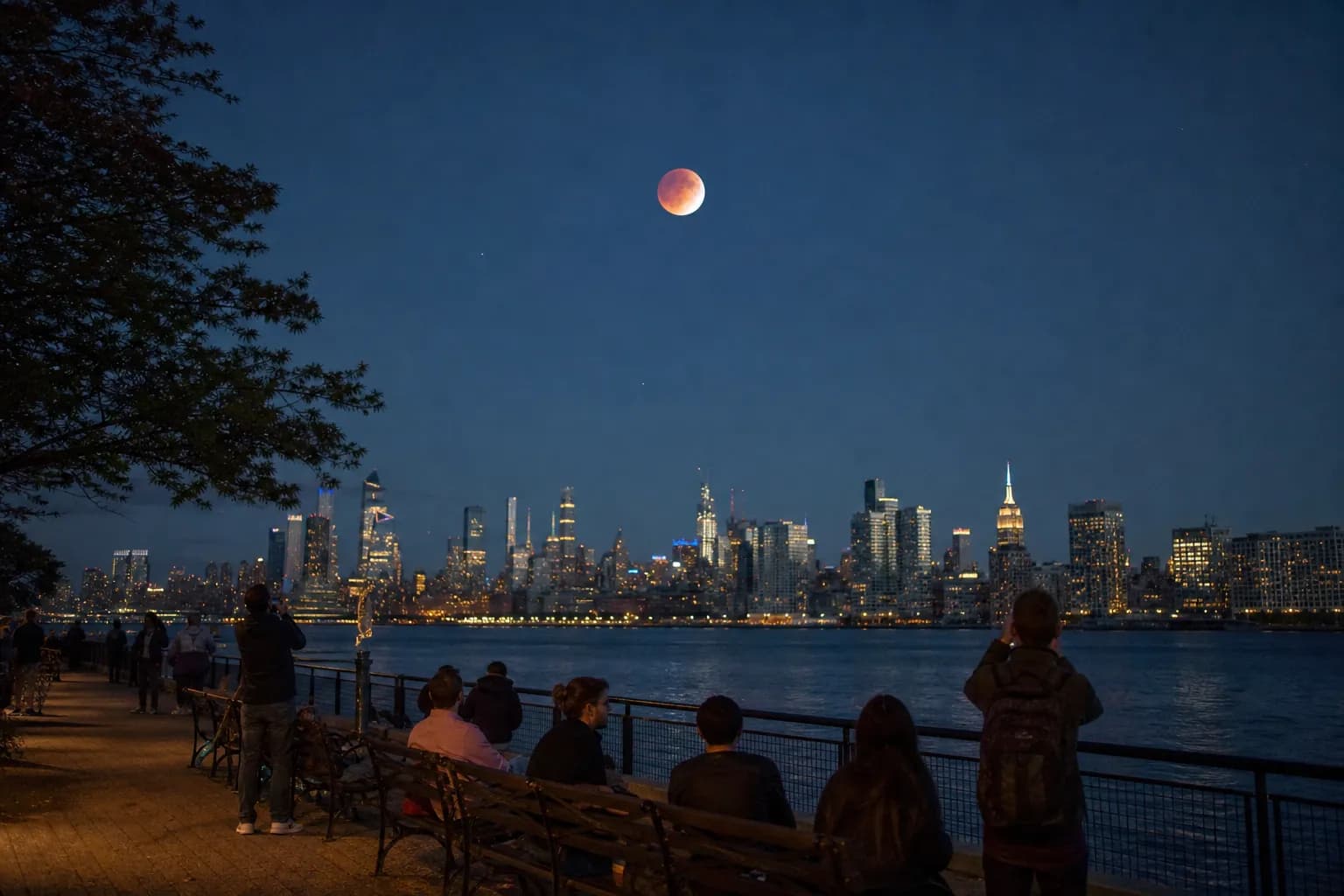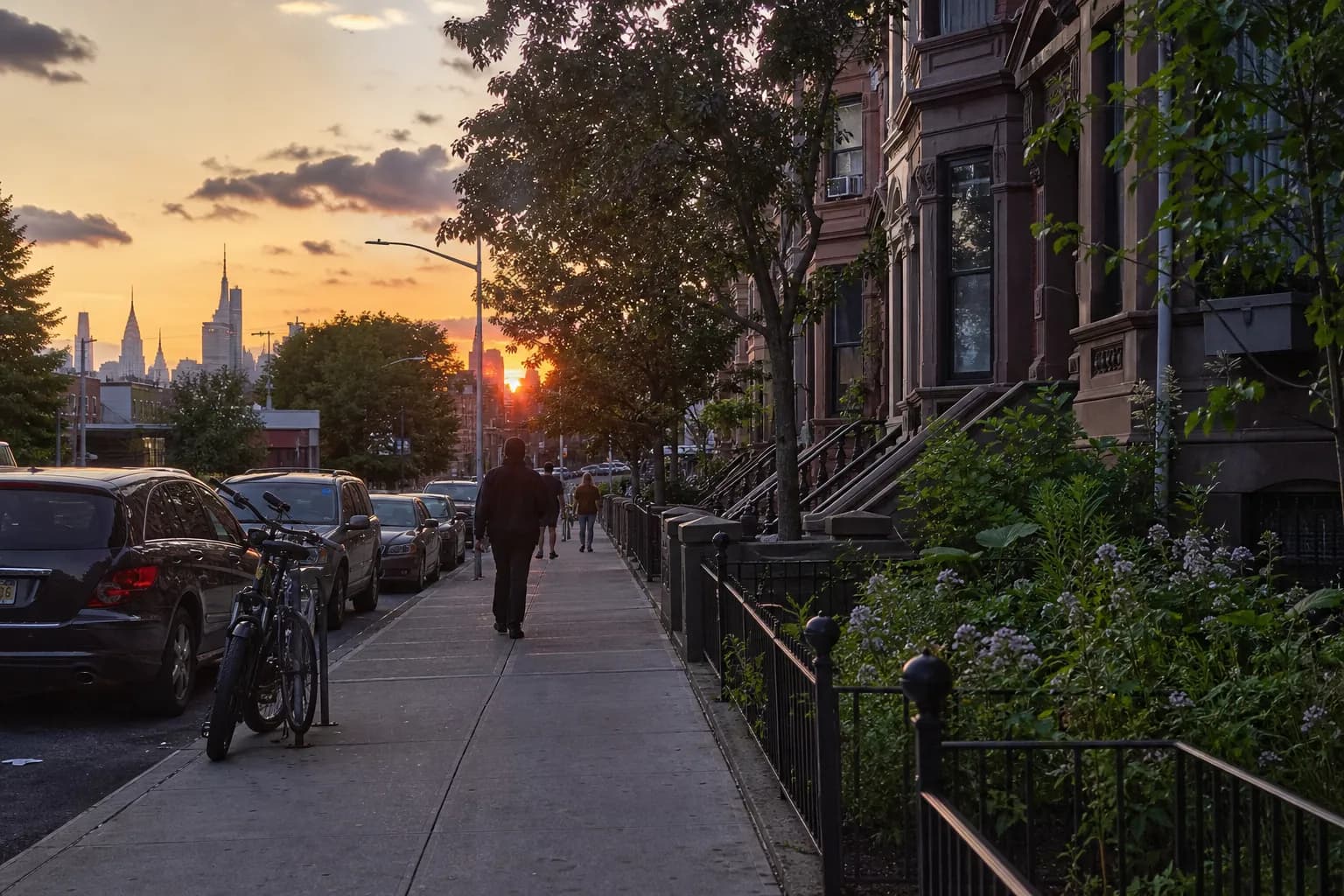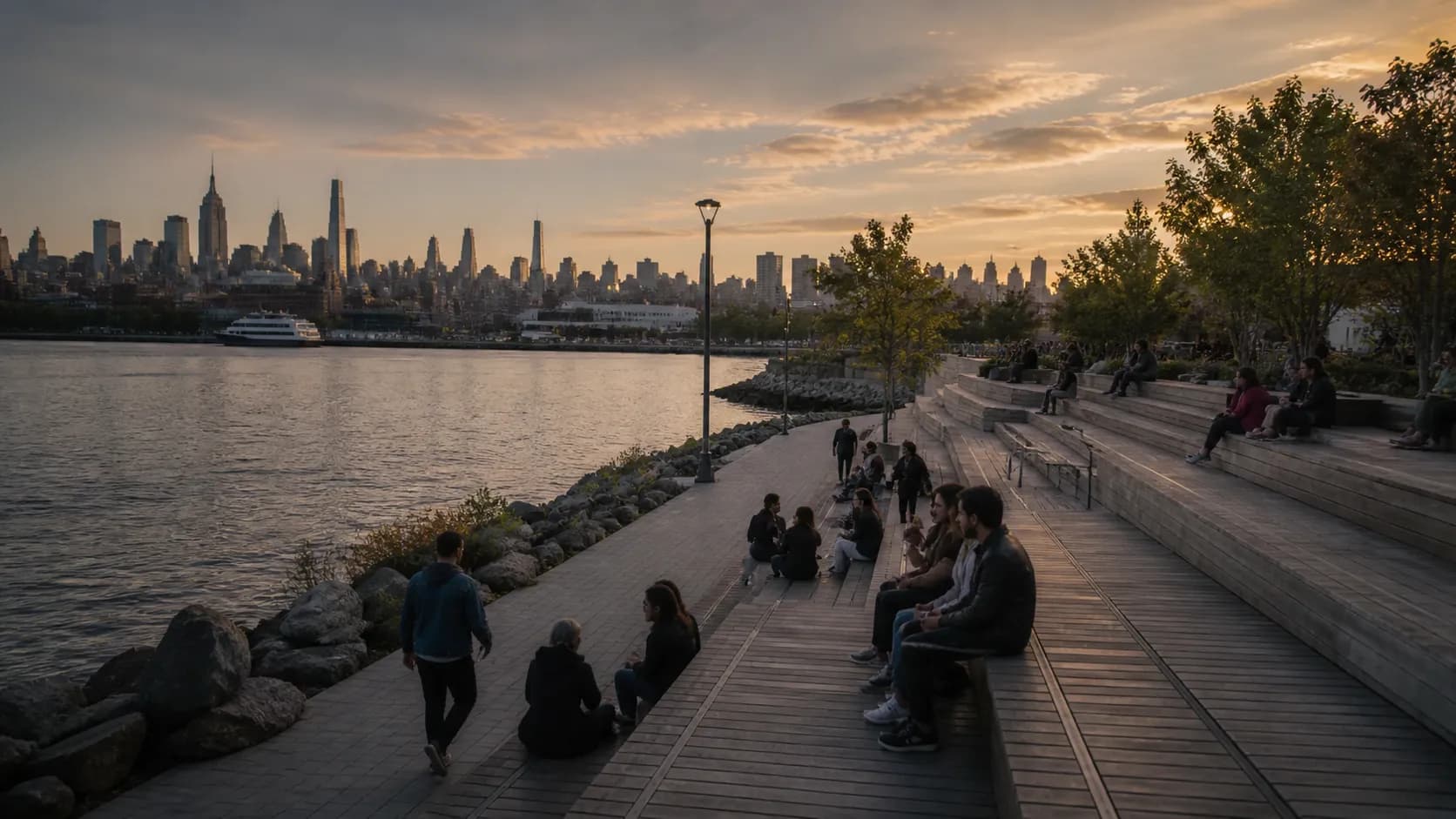
A fast-moving search term can make New York feel smaller than it is, but the city still runs on boroughs, blocks, entrances, weather, crowding, and official updates. If 7 brew is the phrase that pulled you into planning mode, treat it as a prompt, not proof of anything local. NYC Tourism frames the city through five boroughs, constant attractions, restaurants, culture, shopping, nightlife, parks, and subway-accessible stories; that breadth is useful only if you narrow it into a practical route. The right move is not to guess where the buzz is happening. It is to choose a neighborhood by the task you actually want to complete, verify public access before leaving, and keep one indoor and one outdoor fallback close enough to save the day.
Want a second set of local eyes before you cross boroughs? Text Karpo with your starting point, time window, and must-do errand, and ask for a verified NYC plan.

Translate the headline into a neighborhood question
The useful question is not “Where is 7 brew in NYC?” unless an official listing, public announcement, or verified location page gives you that answer. The better neighborhood question is: “What am I trying to do in the city today, and which area gives me the best chance of doing it without wasting the trip?” That wording protects you from treating a national search spike like a New York address.
Start with the task. Are you looking for coffee, a place to meet someone, a budget activity, a family-friendly stop, a shopping window, a food plan, or a quick culture detour? NYC’s official tourism materials point readers toward categories such as eat and drink, museums and galleries, tours and attractions, events and festivals, shopping, sports, nightlife, Broadway and performing arts, and budget activities. Those categories are more actionable than a floating phrase because they connect to public listings you can check.
Then attach the task to a borough only after you have a reason. Manhattan is the most visited borough and is tied to Broadway, Central Park, and the skyline. Brooklyn is known for nightlife and boundary-pushing cuisine. Queens is useful for global dining and broad variety. The Bronx carries major history and culture. Staten Island offers historic attractions, beach views, global dining, and a ferry-linked visit. Use those official borough frames as a starting filter, not as a promise that any trending topic has landed there.
Choose the area by the actual task
If your real goal is food, check official dining or restaurant-program pages first. NYC Tourism lists NYC Restaurant Week Summer 2026 from July 20 through August 16, with two-course lunches and three-course dinners across all five boroughs starting at $30. Because restaurant participation and details can change, confirm the official page and the restaurant’s own information before you build a trip around it.
If your goal is a low-cost culture day, make the neighborhood fit that purpose. NYC Tourism points readers to budget activities, free museums, live TV tapings, free festivals, and city parks. Those are not interchangeable experiences. A museum-heavy plan has different timing and indoor access needs than a park-and-walk plan. A TV taping plan may require checking ticket guidance before assuming entry. The city rewards people who choose the category before the neighborhood.
If you are meeting friends, choose a district with enough nearby alternatives that one closed door does not collapse the day. A single-purpose trip across NYC is fragile. A better plan pairs one primary stop with a nearby food option, one public attraction category, and a simple exit strategy. The exact venues should come from official or direct pages you verify on the day, especially during a busy summer week.
Use transit exits as planning anchors
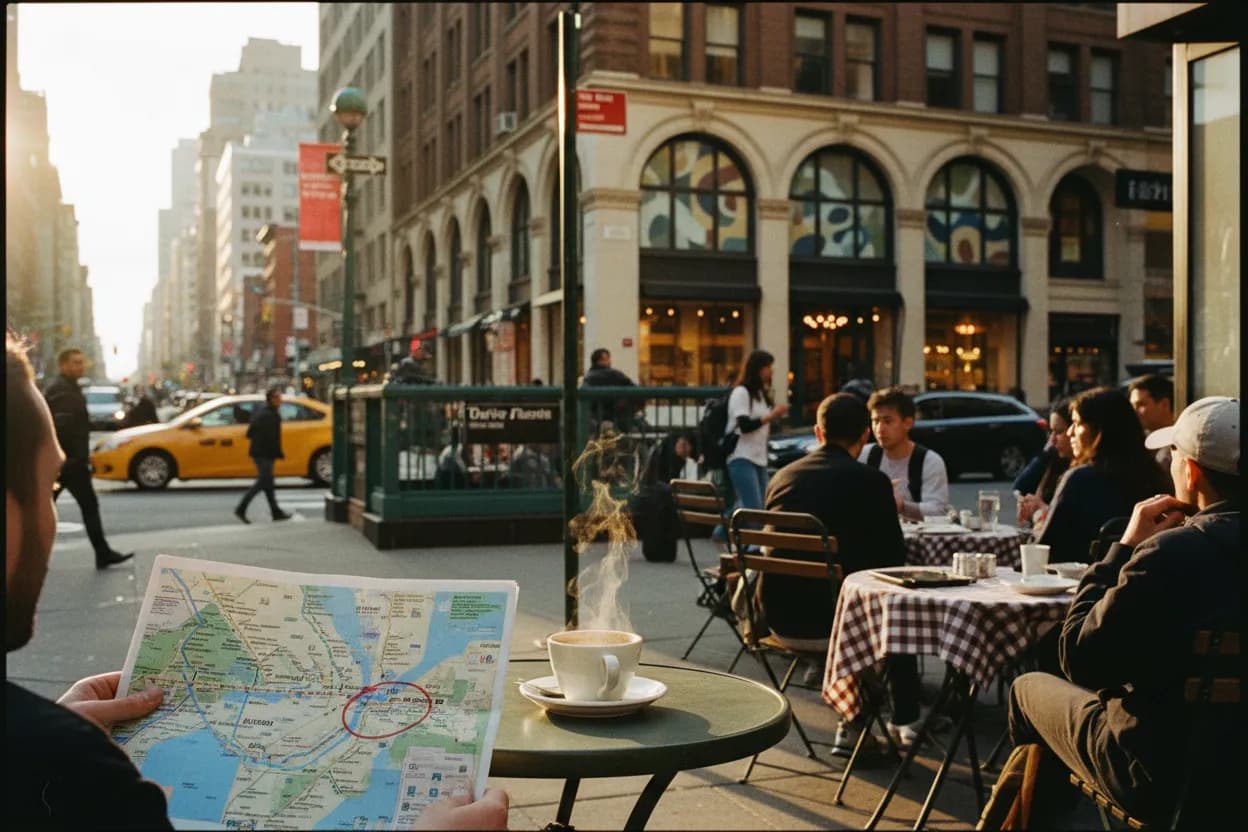
In New York, “near the train” is not specific enough. Plan from the exit you expect to use, not just the station name. Large stations, transfers, construction, elevator status, and street orientation can change how long a walk feels. Since transit conditions can change, verify your route on the official transit source before leaving and again just before you enter the system.
Build the route backward from the first non-negotiable time. If you need to arrive for a reservation, timed ticket, show, taping check-in, or group meetup, give yourself a buffer before the public start time. NYC Tourism’s citywide materials show how broad the menu is—Broadway, museums, attractions, events, shopping, sports, nightlife, parks, and food—so the same day can involve very different access rhythms. A restaurant window is not the same as a museum entry window.
For neighborhood guides, the smartest anchor is often the corner where you will re-emerge. Write down the exit, the first cross street, the direction you will walk, and the fallback stop if the platform or entrance is not working for you. This is especially important if you are navigating with kids, visitors, mobility concerns, weather, or a tight transfer to another borough.
Add one indoor and one outdoor backup
A good NYC plan needs two backups: one inside, one outside. Indoor options matter for heat, rain, fatigue, accessibility concerns, and sudden crowding. Outdoor options matter when a room is full, a line is longer than expected, or you simply need space. Official city tourism materials point to museums and galleries, tours and attractions, shopping, parks, events and festivals, and budget activities, which gives you enough categories to build a balanced backup pair.
Keep backups close to the primary area. A Manhattan plan should not depend on a Brooklyn rescue unless you have already decided that the borough shift is worth the time. A Queens food plan should have a Queens fallback. A Staten Island plan should respect the ferry-linked nature of the trip. A Bronx culture plan should not require guessing across town if the first stop changes.
Use the backup as a real option, not a consolation prize. Before leaving, check whether the indoor backup has timed entry, day-specific hours, or free/low-cost windows. For the outdoor backup, check the relevant official page for conditions where available. If an official site is unavailable or unclear, do not assume the space, event, or amenity is operating exactly as imagined.
Avoid treating online attention as a local promise
Online attention is not a permit, opening notice, menu, address, public event, or endorsement. A phrase can trend nationally while having no confirmed NYC location, no official city tie, and no reason to cross boroughs. That is why 7 brew should function here as a search hook, not as a claim about a New York appearance.
NYC has enough real, public choices that you do not need to chase a vague lead. NYC Tourism’s official site highlights constant city activity, from restaurants and Broadway to museums, tours, attractions, annual events, nightlife, shopping, sports, and borough guides. Those are broad lanes, but they are at least connected to public planning pages that readers can verify.
The skeptical move is also the local move. New Yorkers routinely check before they go: Is the place open? Is the listing current? Is the event still happening? Is the route functioning? Is the entrance accessible? Is the crowd worth it? If the answer is uncertain, pick the nearest verified alternative rather than turning the day into a rumor chase.

Verify conditions before crossing the city
Do the final check in this order: official venue or program page, direct venue page if applicable, official transit source, weather, accessibility needs, and backup proximity. If any link in that chain is missing or stale, downgrade the plan from “primary” to “maybe.” In a city of five boroughs, a weak assumption can become an hour lost.
For August 12, 2026, one timely public planning detail is that NYC Restaurant Week Summer 2026 is listed by NYC Tourism as running July 20 through August 16 across all five boroughs, with lunches and dinners starting at $30. That can be a useful verified food framework, but participation and specific availability still need day-of confirmation before you travel.
Your final plan should fit on one note: starting point, departure time, transit exit, primary stop, indoor backup, outdoor backup, latest acceptable arrival time, and go/no-go condition. If the original search was 7 brew, the successful NYC outcome is not proving the internet right. It is getting yourself to a confirmed neighborhood plan with a clean way out if conditions change.
Tags: #AskKarpo #BeforeYouGo #NYC #NewYorkCity #NeighborhoodGuides #7brew #NYCGuide #FiveBoroughs #NYCTransit #CityPlanning #NYCFood #NYCEvents #LocalNYC #PlanSmarter
Sources consulted: nyctourism.com · new.mta.info · nycgovparks.org
All trademarks are the property of their respective owners.
Ask Karpo first
Ask Karpo first if a trending phrase is pushing you toward a cross-city trip. Send your borough, time window, mobility needs, and top priority, and ask for a verified route with one indoor backup, one outdoor backup, and a clear point where you should cancel or pivot.