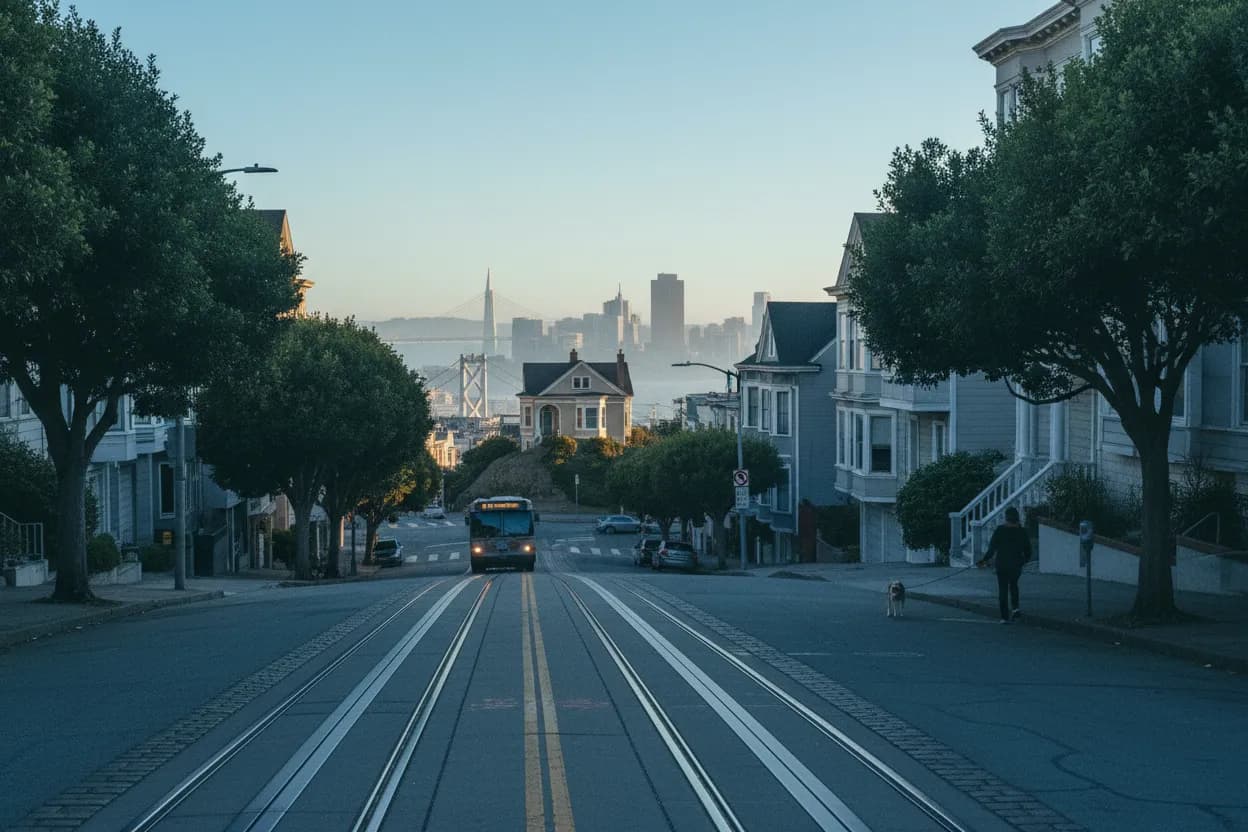
The last house may be the phrase pulling attention this week, but in San Francisco it works best as a question, not a claim: what is the final odd detail at the edge of a block, park path, transit line, or neighborhood view? Treat it as a prompt for a slower public route through the city’s hidden_gems_odd_finds territory, where the reward is observation rather than hype. This plan does not assume a local appearance, affiliation, special event, private access, or endorsement. It is built for readers who want a real outing: check the official transit source before moving, choose places that are publicly accessible, avoid crowd-chasing, and keep a verified backup ready if conditions change.
Want a calmer San Francisco odd-finds route built around your start point and time window? Text Karpo before you go, and ask for transit-aware options with an access backup.

Use the headline to open a more curious detour
A smart local route starts by separating the hook from the plan. If the phrase the last house is what brought you here, do not turn it into a rumor about a San Francisco address. Use it instead as a lens: the last house on a steep block, the last visible façade before a park edge, the last quiet stop before a busier corridor, or the last odd object worth slowing down for before you head home.
Build the outing with a two-hour city window rather than an all-day scavenger hunt. Pick one primary public stop, one transit connection, and one backup option. That keeps the route flexible if a sidewalk is crowded, a space is closed, weather shifts, or your first idea feels too residential for comfortable lingering. San Francisco rewards short, well-checked detours more than overpacked itineraries.
Before leaving, open SFMTA’s official site and use its Trip Planner or route information to compare Muni, walking, biking, driving, or parking options. The agency’s public homepage also surfaces travel and transit updates and alerts, which matters in a city where a cleared delay, service substitution, meeting, street activity, or service change can affect a simple cross-town plan.
Choose a place with a real point of view
For a hidden-gems odd-finds outing, the strongest stop is not necessarily the strangest. It is the one with a point of view you can describe without trespassing: a public-facing architectural detail, a neighborhood edge, a stairway view, an old transit corridor, a park boundary, a storefront display visible from the sidewalk, or a small civic feature that makes you ask why it exists.
Use a verification-first test. Can you reach it from a public sidewalk, transit stop, park path, or officially maintained public area? Can you enjoy it without blocking a doorway, leaning into a window, photographing residents, or treating a private home like a set? If the answer is uncertain, choose another stop. The point is to notice the city, not to turn someone else’s daily life into content.
Timing helps. Aim for daylight and avoid the most compressed commuting periods if your route depends on photographing details, reading plaques, or pausing on narrow sidewalks. If the stop sits in a residential area, make the visit brief and pair it with a walkable public second option so the route feels like neighborhood observation rather than address hunting.
Look for materials archives or hands-on details
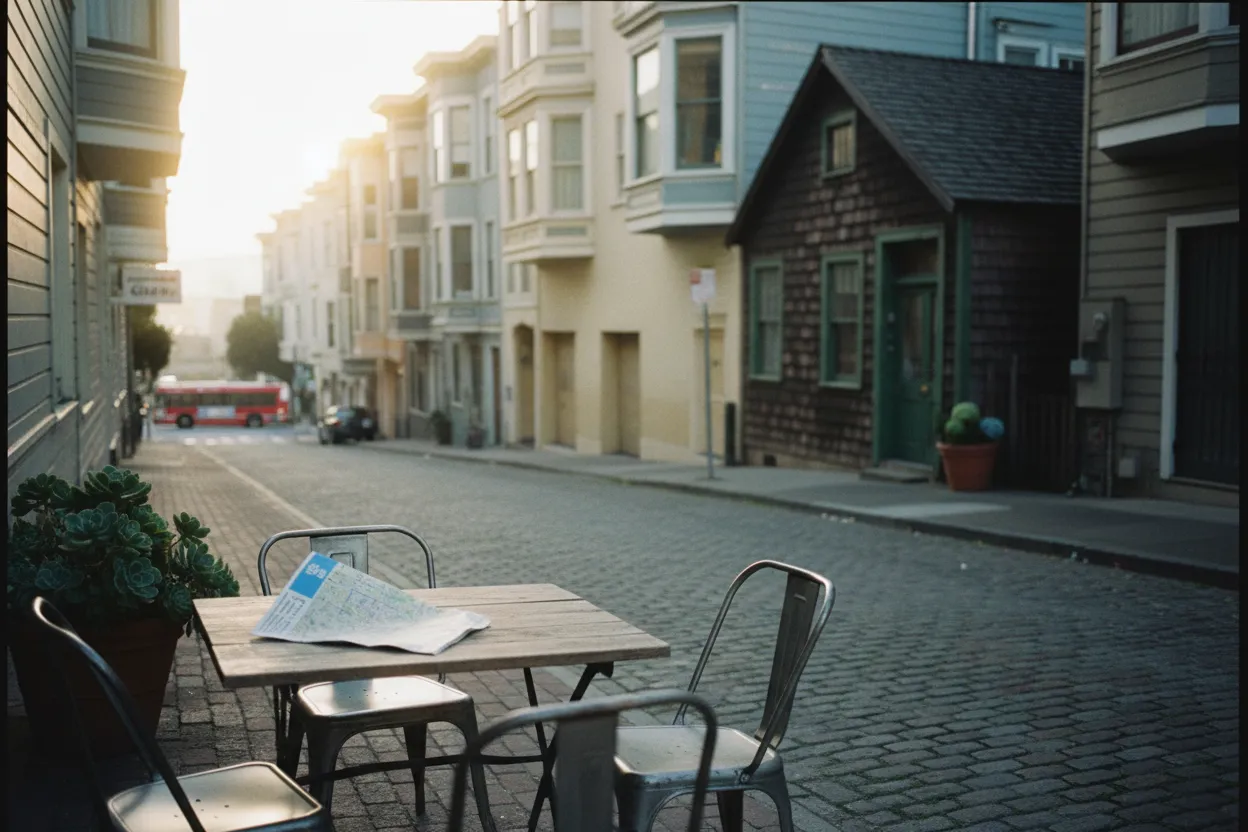
Odd finds become more interesting when you look at materials: tile, ironwork, stair edges, painted signs, retaining walls, transit hardware, old curb cuts, garden borders, utility covers, and repaired façades. These are the city’s informal archive. You do not need a dramatic claim to make the outing worthwhile; you need enough patience to compare what is original-looking, altered, reused, or carefully maintained.
Keep the route hands-on only in the sense of close observation. Do not touch private gates, fixtures, plants, murals, vehicles, or anything that appears maintained by a resident or business unless explicit public interaction is invited. A good rule: if you would not want a stranger handling it outside your own front door, do not handle it in San Francisco.
If your route includes a park, open space, or recreation site, verify current entry details on the official San Francisco Recreation and Park Department website before you go, because access details can change. If you cannot confirm the information quickly, switch to an outdoor public sidewalk route supported by SFMTA transit checks instead of assuming a gate, restroom, path, or facility will be available.
Pair the odd stop with a calmer second option
The best backup is not a consolation prize; it is what keeps the day from becoming a crowd chase. Choose a calmer second option within an easy transit or walking transfer: a nearby commercial corridor for coffee and window details, a public overlook reached by normal pedestrian access, a civic stair, or a park perimeter you can verify before arrival.
Set a simple decision point. If your primary stop feels crowded, too private, closed, poorly lit, or awkward to photograph respectfully, leave after a quick look and move to the backup. Do not wait around hoping for better access, and do not follow other visitors into questionable spaces. A route that changes because conditions changed is not a failure; it is the right way to move through a dense city.
SFMTA’s site is useful here because it groups visitor travel choices across Muni transit, biking, walking, driving, and parking, and it maintains route, stop, alert, and travel update information. Check it again before the second leg. A route that looked easy in the morning may need adjustment if an alert, street activity, or service substitution appears.
Respect access photography and privacy rules
San Francisco’s visual drama can make ordinary blocks feel cinematic, which is exactly why privacy discipline matters. Photograph public views, public signs, architectural details visible from lawful public areas, and wide streetscapes where people are not singled out. Avoid windows, doorbells, children, license plates, private yards, interior spaces, and any shot that turns a resident’s threshold into a destination.
Do not imply that an address, building, shop, agency, or neighborhood association is connected to the phrase the last house unless an official source says so. This article does not identify such a connection. It uses the phrase as a search hook for a cautious city walk, and that distinction protects both readers and locals from the problems that come with rumor-driven tourism.
If someone asks you not to photograph or linger, move on. If signage limits access, obey it. If a space appears closed, under maintenance, or uncertain, do not test the boundary. Public curiosity is welcome when it stays public; it becomes a problem when it treats private access as part of the attraction.
Verify current entry details
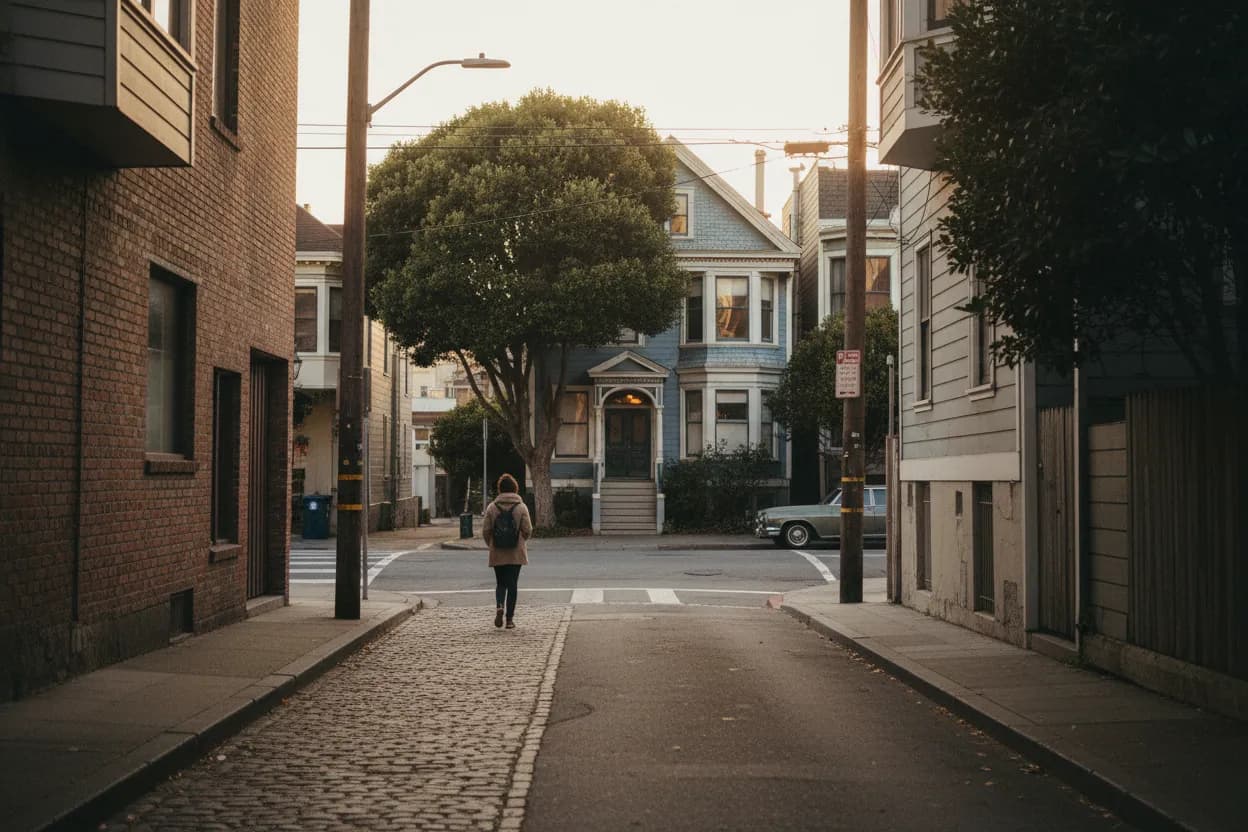
Make the final check close to departure, not the night before only. Start with SFMTA for route planning, Muni routes and stops, visitor transportation choices, alerts, and travel updates. The agency’s public site also notes upcoming service changes and current notices, so treat transit details as live information rather than fixed background.
For parks, recreation areas, or facilities, check the official San Francisco Recreation and Park Department site for current details before committing to a stop. If the page is unavailable to you, loads slowly, or does not answer your access question, choose a clearly public alternative. Do not infer opening status, restroom availability, path access, or event conditions from memory.
A practical plan for today: choose one odd public detail, check SFMTA for the route, arrive in daylight with a 20-minute observation limit, keep photos respectful, and preselect a quieter backup. If any part cannot be verified, downgrade the plan from destination to casual pass-by. That is how a trend-driven curiosity becomes a sane San Francisco outing.
Tags: #SanFrancisco #TheLastHouse #HiddenGems #OddFinds #LocalLife #SFMTA #Muni #TransitTips #PublicAccess #CityWalk #RespectPrivacy #TravelSmart #AskKarpo #BeforeYouGo
Sources consulted: sftravel.com · sfmta.com · sfrecpark.org
All trademarks are the property of their respective owners.
Ask Karpo first
Ask Karpo first if you want this turned into a verified route from your hotel, BART arrival, Muni line, or neighborhood start point. Karpo can help compare public transit options, flag access checks, and suggest a calmer backup before you spend time chasing an uncertain stop.


