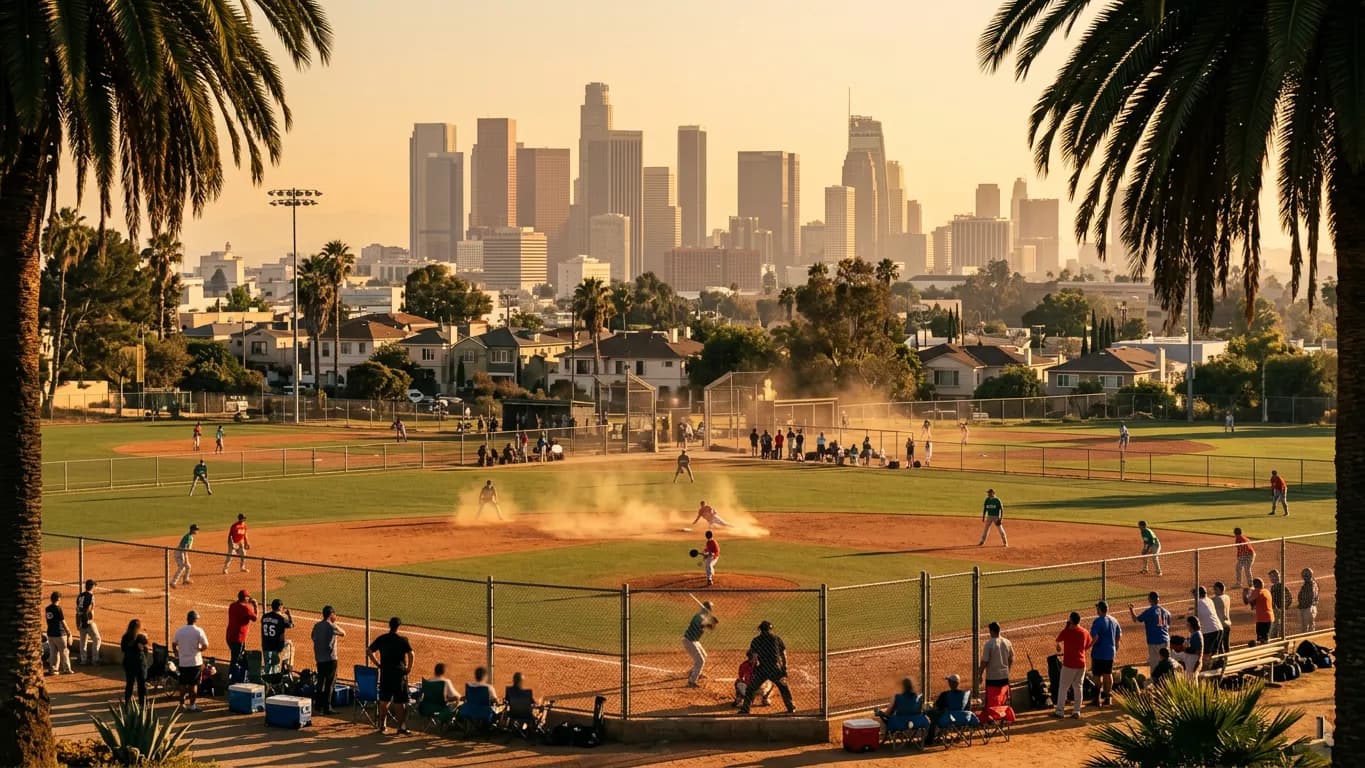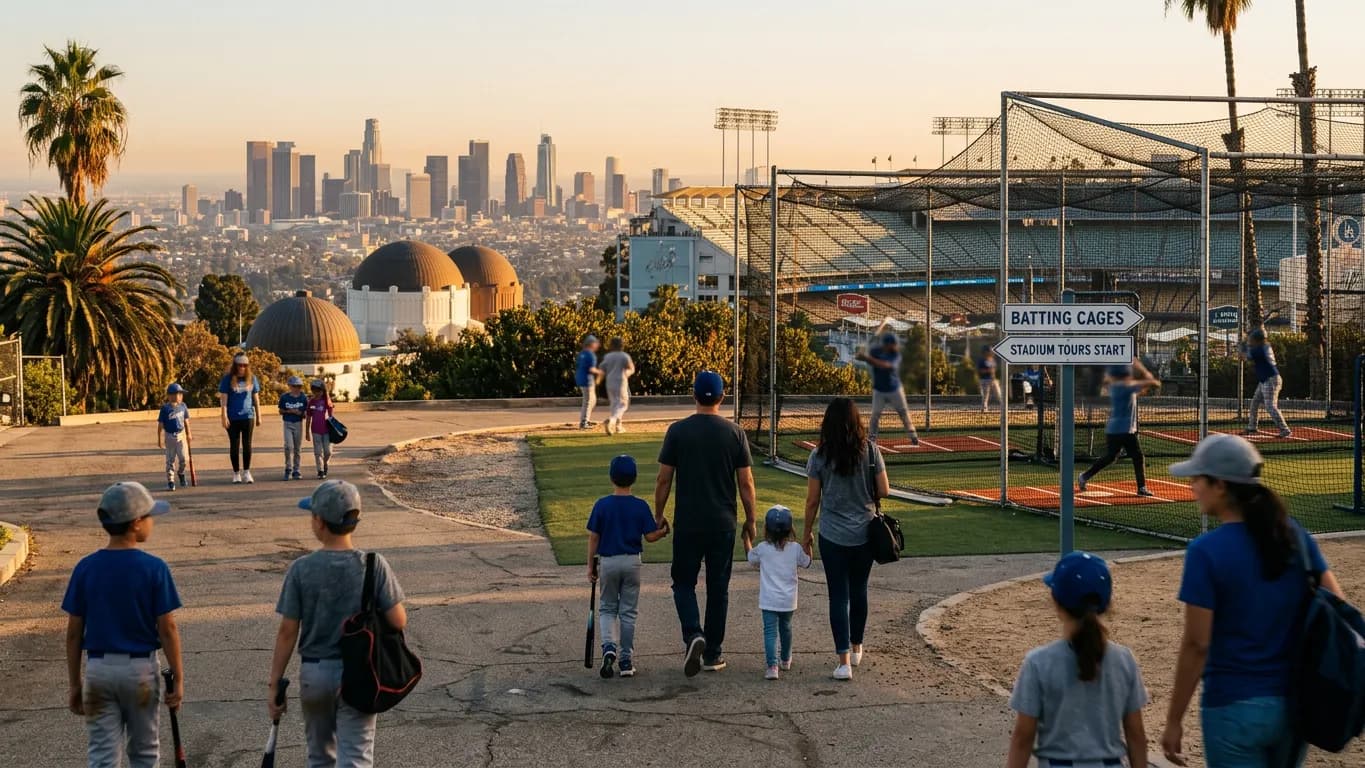
Los Angeles rewards people who learn it in pieces. If you have just landed here, skip the pressure to see everything and use your first weekends to build a map in your head: a hilltop view, a downtown meal, a museum reset, a beach sunset, and one bookstore that makes the city feel browsable. This starter pack is not about checking off tourist icons in a day. It is about making LA legible enough that your next plans feel less random and more like a habit.
Karpo turns this into a first-month LA weekend route, with the right order for views, lunch, museums, and the coast. Use it when you want the city to start feeling small enough to know.

Start With Griffith
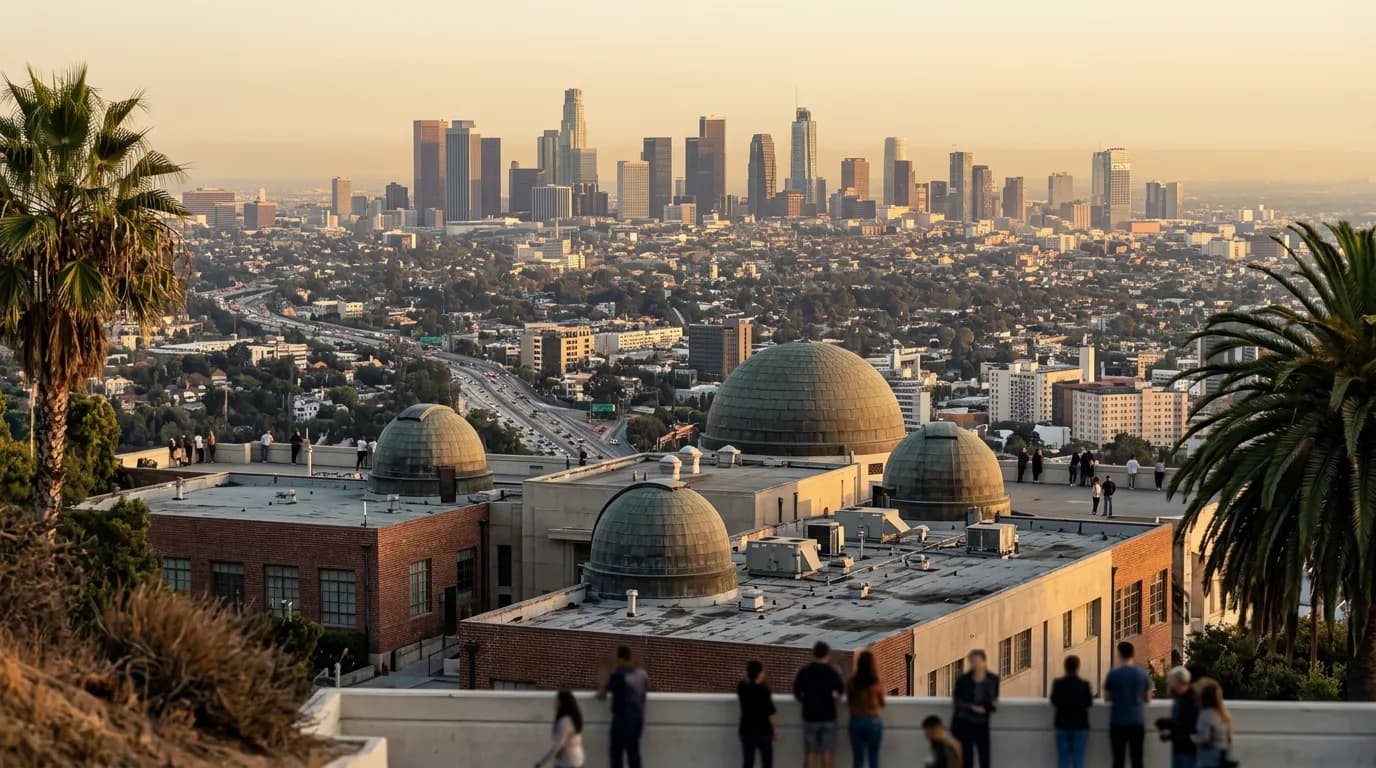
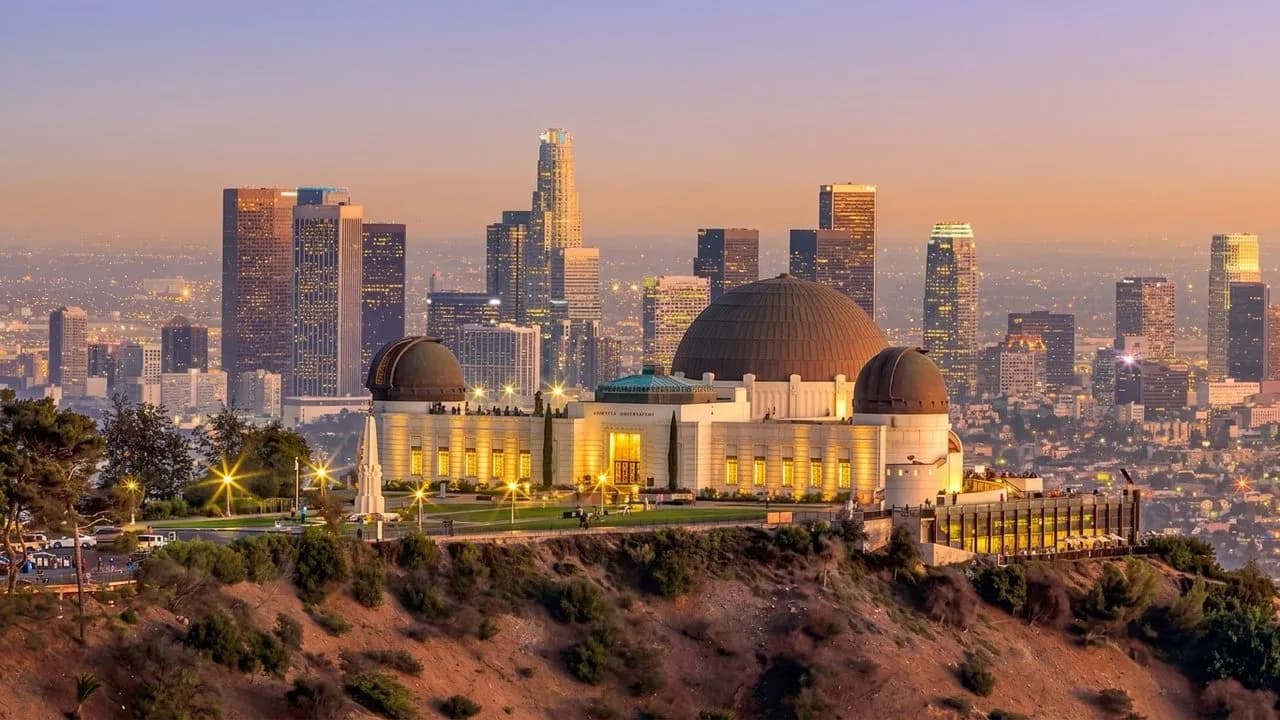
If you need one place that explains Los Angeles fast, make it Griffith Observatory. The hilltop is part postcard, part orientation lesson: you see the downtown spine, the basin, the grid, and the distance between neighborhoods that can feel infinite when you are still new. Go late afternoon and let the light do the teaching. Griffith works best as a slow reveal, not a checkbox, because the city looks more honest when you stay long enough for the skyline to change moods.
That is also why locals do not treat it like a quick errand. Bring a layer, give yourself time to wander the grounds, and do not underestimate the return trip once the parking starts to turn over. The real rhythm here is patience. If you are building your first LA weekend habits, start with this view and let it reset your expectations: the city is huge, but it becomes friendlier once you can point to the parts instead of imagining all of it at once.
Make Downtown Useful
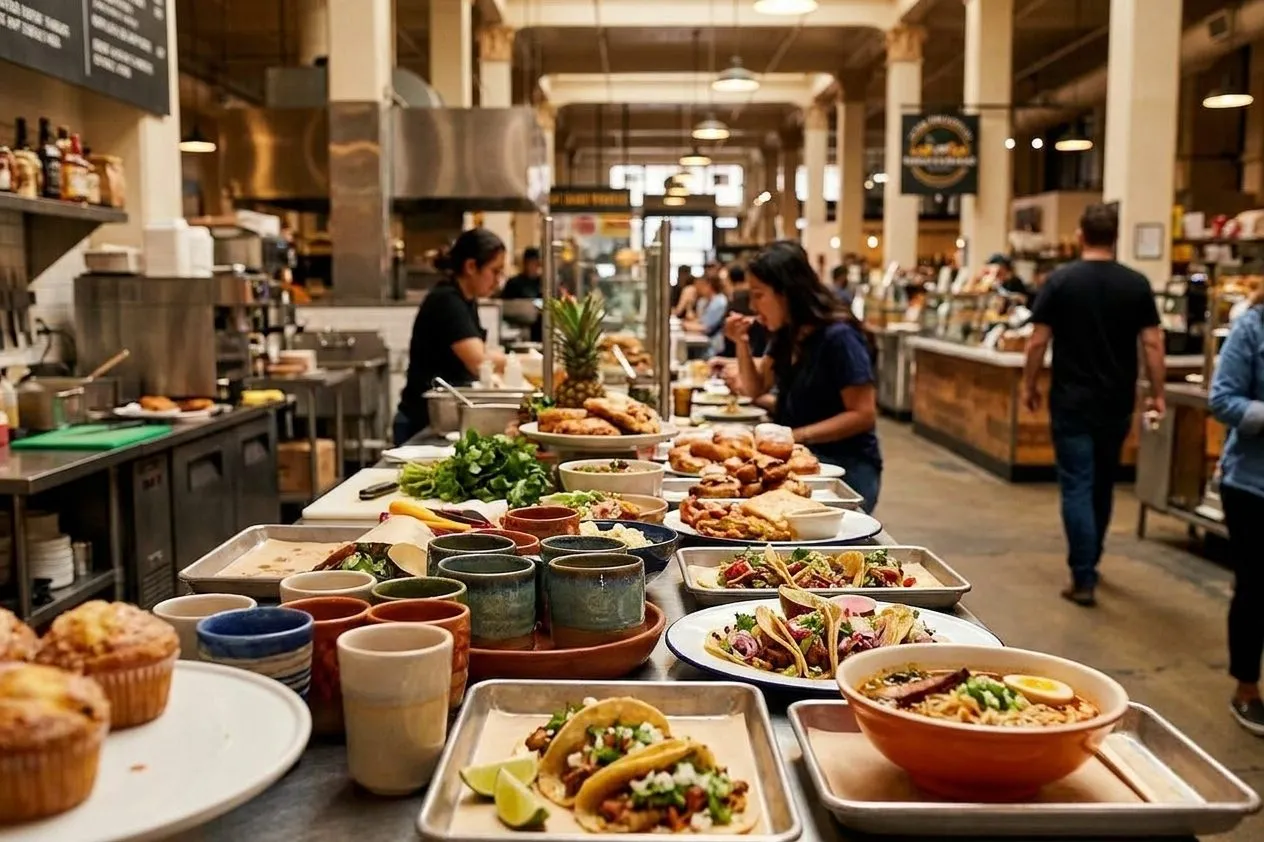
Grand Central Market is where your downtown instincts start to click. It is loud, fast, and crowded in exactly the way that tells you LA is not one city but a bunch of overlapping appetites. Come hungry and choose one thing well instead of trying to turn it into a sampling marathon. The best version is an early lunch or a slightly off-peak snack run, when you can actually look around, smell everything, and figure out which stall deserves your next return visit.
The Last Bookstore gives the same neighborhood a different tempo. In DTLA, it is the place to slow down, climb the stairs, and browse as if you have nowhere else to be. Do not treat it like a one-minute photo stop; the fun is in the stacks, the old paper smell, and the corners that reward curiosity. Pair it with Grand Central Market and you get a useful downtown afternoon: eat first, wander second, and leave with a better feel for how the center of LA still works.
Save Time For The Getty
The Getty is the move that teaches newcomers LA can be elegant without trying too hard. Set it aside for a day when you want quiet, gardens, art, and a view that feels almost absurd in the best way. The building itself is part of the experience, so do not rush the approach or the walk between rooms. You are not just visiting a museum; you are stepping into a calmer version of the city where the freeways feel distant even when you know they are not.
This is a place that rewards a slower schedule, especially when the rest of your week has been all traffic and errands. The tram, the hill, and the amount of time it takes to settle in are all part of the point. A new Angeleno should learn that not every outing needs to be efficient to be worth it. If Griffith is the city explained in one view, the Getty is the city reminded to breathe.
Do The Pier Properly
Yes, Santa Monica Pier is touristy. That is exactly why you should still go at least once in your first few weekends. It is the easiest way to fold beach air, boardwalk noise, and a little Los Angeles spectacle into one outing. The trick is to treat it as a setting rather than a destination. Show up when the light is good, watch the water, and let the scene be bigger than the souvenir stands and the obvious postcard moment.
The pier is also where timing matters more than attitude. Go early if you want a more open walk, or come after sunset if you want the coast to feel cinematic instead of crowded. Either way, keep moving south along the beach path once you are done on the boards, because that is how you separate the real shoreline from the loudest part of the visitor zone. New Angelenos learn fast that the ocean is the point, not the carousel.
Repeat The Loop
The Last Bookstore, Grand Central Market, Griffith Observatory, the Getty, and Santa Monica Pier are not just things to do in Los Angeles. They are a starter kit for understanding how the city feels on different days. One is for appetite, one for wandering, one for the skyline, one for calm, and one for salt air. The first time through, do them separately. After that, start combining them in pairs and you will begin to notice how much of LA is really about learning routes, not attractions.
That is the onboarding move for a new Angeleno: stop asking for the single best weekend and start building repeatable ones. Griffith for visitors, Grand Central for lunch, the Getty for a reset, the pier for a coastal exhale, and The Last Bookstore when you want downtown to feel less intimidating and more lived-in. Once these places become familiar, the city stops feeling like a giant map and starts feeling like a handful of dependable habits you can always return to.
Practical notes
Treat these stops as neighborhood anchors, not one long cross-town errand. Griffith and the Getty both deserve buffer time because the approach matters as much as the view, while Santa Monica is easiest when you accept that parking and beach traffic are part of the story. Grand Central Market and The Last Bookstore pair naturally in one DTLA outing, and the pier works best when you leave room for a walk instead of trying to force a full itinerary. For your first few weekends, think in clusters, not miles.
Tags: #losangeles #laweekend #weekendplans #newangeleno #dtla #griffithobservatory #thegetty #grandcentralmarket #santamonicapier #thelastbookstore #cityguide #localtips #thingstodoinla
All trademarks are the property of their respective owners.
Ask Karpo first
Ask Karpo for the newest public openings near these classics, then have it stitch a live route that fits traffic, transit, and sunset timing. It keeps the plan realistic, respectful, and public-only, so you can spend your weekend moving like a local instead of guessing like a visitor.