The Jackson Heights Sunday Walk Nobody Posts: Flower District to Bakery Row
Before the City Wakes, the Garlands Are Already Strung
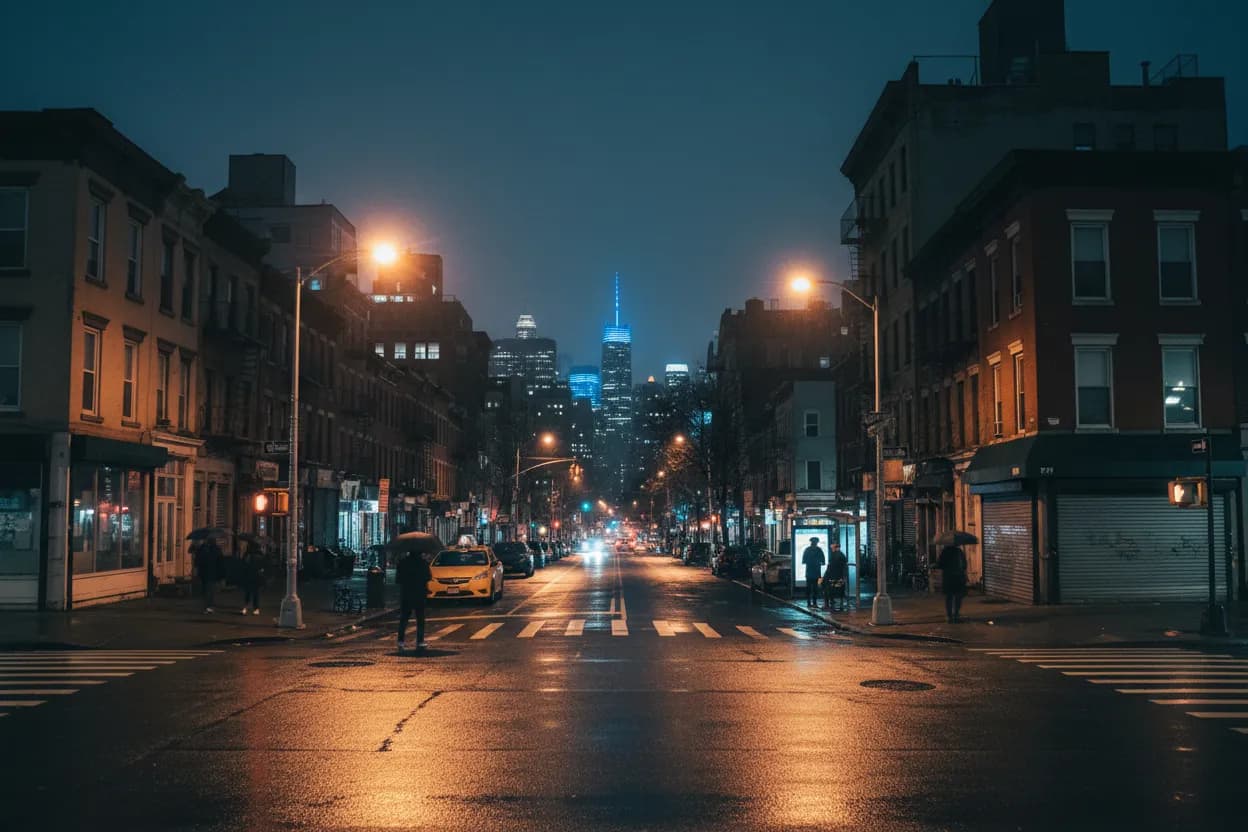
There's a particular quality to Jackson Heights at eight in the morning on a Sunday that defies the reputation New York has built for itself. The 7 train rumbles overhead with a fraction of its weekday urgency. The sidewalks belong to grandmothers in cotton saris, to men carrying stacked steel tiffins, to children still rubbing sleep from their eyes as they're led toward temple. This is not the New York of tourism boards or Instagram location tags. This is the New York that exists for the people who actually live here.
The walk from the 74th Street flower market to what locals call Bakery Row covers roughly a mile of commercial streetscape, though measuring it in distance misses the point. This is a walk measured in languages overheard, in the particular sweetness of cardamom wafting from doorways, in the shift from one community's rhythm to another's. It's a Sunday morning ritual that thousands of Queens residents know intimately and that almost nobody thinks to document for outsiders.
The Flower Market's Quiet Economy
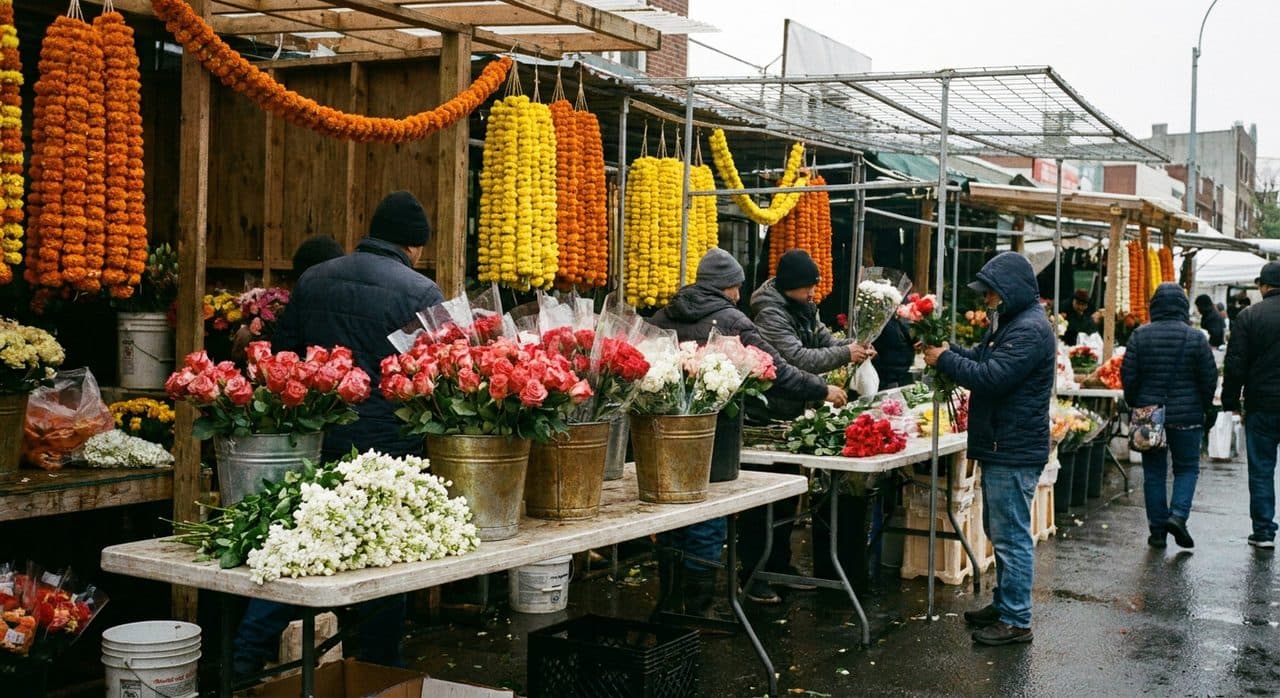
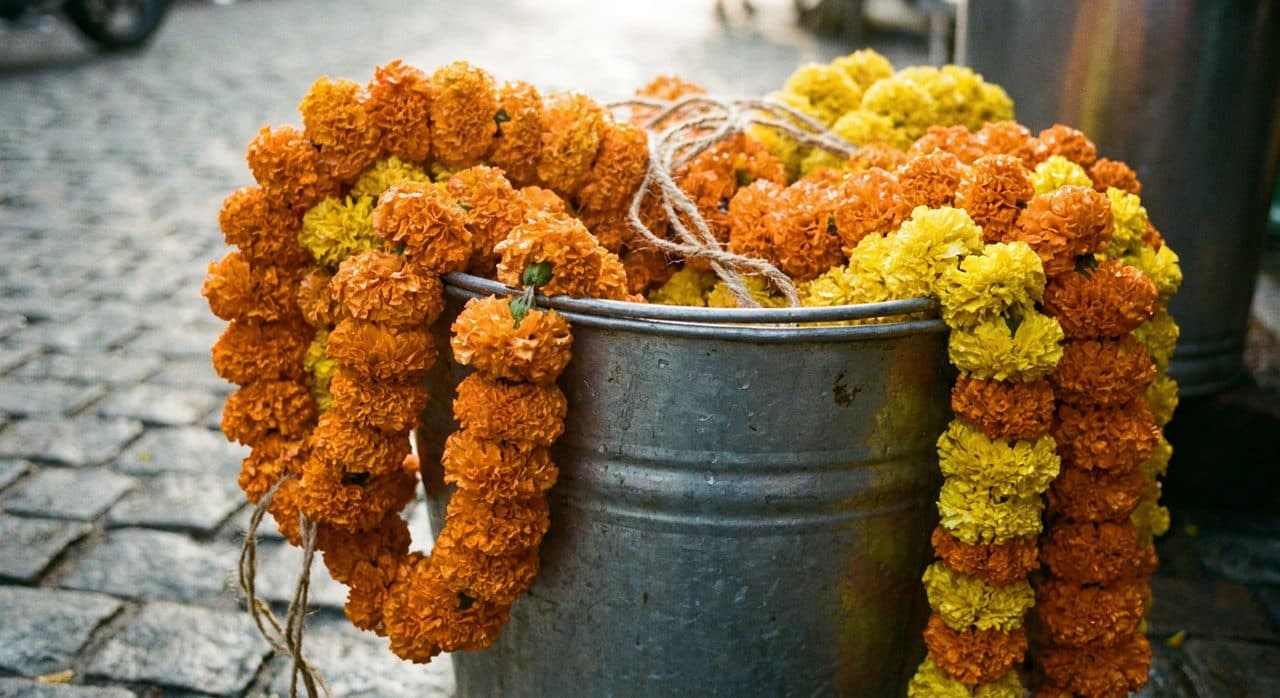
The open-air flower market on 74th Street operates on a logic that takes time to understand. Vendors begin setting up before dawn, arranging roses in plastic buckets, stringing jasmine into fragrant ropes, and building towers of marigold garlands in shades from pale yellow to deep, almost burnt orange. The air here is thick with competing perfumes—the green freshness of cut stems, the heady sweetness of tuberose, the earthy undertone of water sitting in metal containers.
What appears at first glance to be a single market is actually two distinct economies operating side by side. The vendors clustered at the north end of the strip cater primarily to temple buyers, families preparing for morning puja, individuals seeking a single garland to drape over a home shrine. Here, marigolds are priced by the strand, and a brief negotiation might save you fifty cents. Walk to the south end, and the clientele shifts—these vendors do wedding bulk pricing, selling garlands by the dozen to families preparing for weekend ceremonies, to decorators loading arrangements into waiting vans. The flowers are the same. The math is different.
Jasmine is sold by the metre here, measured out with the practiced hand of someone who has done this ten thousand times. The string jasmine, called gajra when woven for hair, releases its scent slowly throughout the day, intensifying as the flowers warm against skin. Regulars know to arrive early; by noon, the best of the morning's stock has moved on to its intended altars and celebrations.
Crossing the Invisible Border
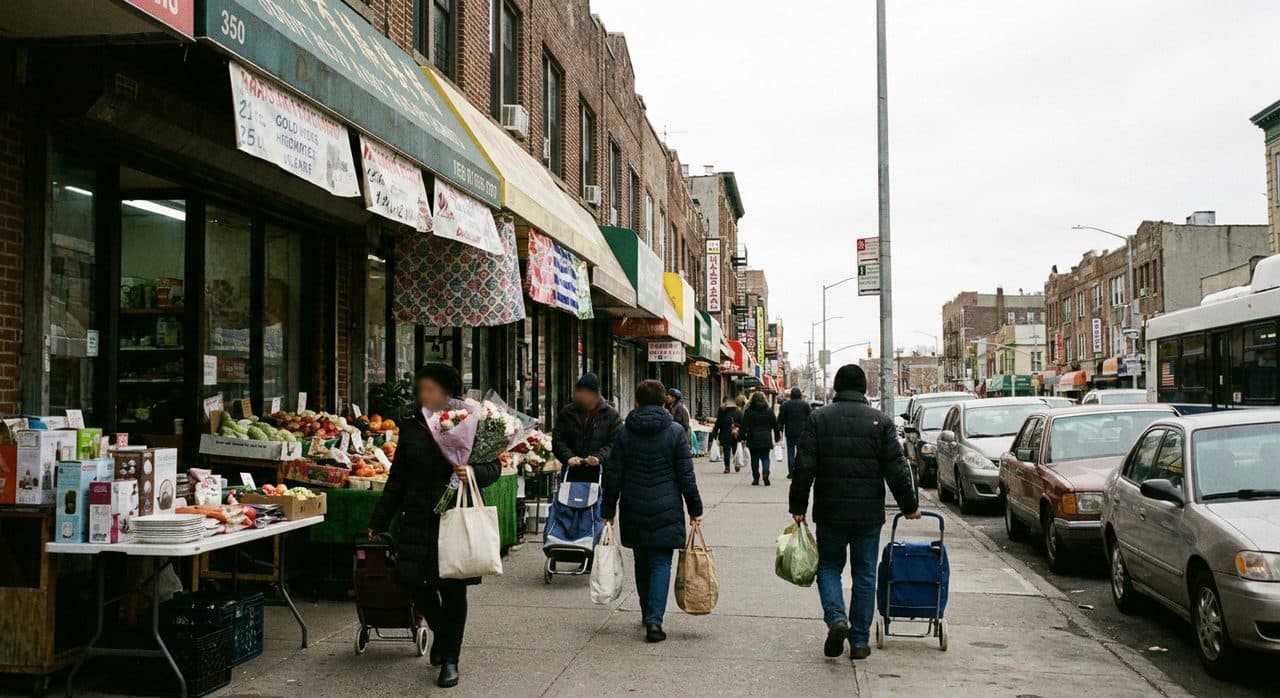
Walking east from the flower stalls, something shifts within the span of two blocks. It's subtle at first—a change in the script on shop awnings, a different cadence to the conversations spilling out of doorways. The signage transitions from Gujarati-dominant to Bangla-dominant, a linguistic border that marks decades of layered immigration history written into the commercial landscape.
This invisible boundary reflects the way Jackson Heights has absorbed successive waves of South Asian immigration, each community establishing its own commercial foothold while sharing the broader streetscape. The Gujarati-owned jewelry shops and sari stores give way to Bengali fish markets and sweet shops, to Bangladeshi grocers stacking hilsa fish on ice. The transition isn't abrupt—there's overlap, intermingling, the productive friction of communities living in proximity—but the attentive walker notices when they've crossed from one neighborhood within a neighborhood to another.
The architecture remains the same: the same prewar brick buildings, the same iron fire escapes, the same rumble of the elevated train. But the human layer painted over that infrastructure tells a different story block by block.
The Forty Clay Pots
On 73rd Avenue, a Bengali sweet shop operates according to a Sunday ritual that has nothing to do with efficiency and everything to do with tradition. Their mishti doi—the sweetened yogurt that is to Bengali cuisine what crème brûlée is to French—is made overnight in clay pots, the dairy slowly caramelizing into something dense and amber-colored, topped with a skin of thickened cream.
The shop makes exactly forty pots on Sunday mornings. This is not a marketing strategy designed to create artificial scarcity; it's simply the number their kitchen can produce while maintaining the method. Each pot is broken to serve, the curved clay shard becoming both vessel and spoon for those who eat standing at the counter. The broken pottery is composted, returned to earth, a small ecological gesture embedded in a centuries-old culinary practice.
By ten-thirty, the pots are usually gone. Regulars know this. They time their Sunday walks accordingly, building the sweet shop into a circuit that includes the flower market, a stop for paan, perhaps a detour to the spice vendor who sells whole nutmeg and mace still connected to their shared seed. The mishti doi is the anchor, the reason to arrive before the crowds.
Bakery Row and the Afternoon Shift
What locals call Bakery Row isn't marked on any map. It's a stretch of 37th Avenue where the concentration of South Asian bakeries creates its own microclimate of butter and sugar. The display cases here hold artifacts of colonial culinary history—the tea biscuits and fruit cakes that British rule left behind, now thoroughly indigenized, spiced with cardamom and rose water, frosted in colors that would startle a London baker.
The bakeries do their busiest trade in the afternoon, when families emerge from late lunches looking for something sweet to carry home. But the Sunday morning hours offer a quieter pleasure: fresh bread still warm, display cases being stocked for the day, the particular satisfaction of being first to a tray of khari biscuits so flaky they shatter at the touch.
Some shops here have been operating for decades, their recipes unchanged, their customer base spanning three generations of the same families. Others are newer, opened by recent arrivals bringing regional specialties from Dhaka or Kolkata or Karachi. The competition keeps everyone sharp. The variety keeps regulars coming back, working through the options one Sunday at a time.
The Walk Back, Changed
The return journey—west along 37th Avenue, then north toward the flower market—offers a different perspective on the same streets. The light has shifted. The crowds have thickened. The vendors who were arranging their stalls two hours ago are now deep in the rhythm of commerce, haggling and wrapping and making change from cash boxes.
What was quiet observation in the early morning becomes immersion by midday. The sidewalks require navigation now, a dance of accommodation between shoppers and strollers and the occasional cyclist threading through. The sensory experience intensifies—more voices, more competing music from shop speakers, more frying onions and roasting spices layering the air.
This is when most visitors arrive, and this is fine. The midday Jackson Heights is its own worthy experience, vibrant and overwhelming and alive. But those who walked the early morning route carry something different with them: the memory of the neighborhood in its quieter register, the knowledge of what happens before the crowds, the small secrets that belong to those who show up when the city is still waking.
Practical Notes
The 74th Street flower market is most active from 7 AM to noon on Sundays, with the best selection before 9 AM. Take the 7 train to 74th Street-Broadway; the market is directly beneath the elevated tracks. For the mishti doi, arrive before 10:30 AM and be prepared for it to sell out—there's no reservation system and no exceptions. The walk from the flower market to Bakery Row takes roughly twenty minutes at a browsing pace, longer if you stop to examine the sari shops or spice vendors along the way. Dress comfortably and bring cash; many vendors prefer it, and smaller purchases often don't meet card minimums. The neighborhood is stroller-accessible but crowded by midday, so early arrival benefits families with young children. Public restrooms are scarce—the Dunkin' on Roosevelt Avenue is a reliable option.
Tags: #JacksonHeights #QueensNY #SundayMorning #FlowerMarket #BengaliFood #MishtiDoi #NYCNeighborhoods #LocalNYC #SouthAsianCuisine #HiddenNYC #QueensEats #NeighborhoodGuide #WeekendWalks #NYCFood #AuthenticNYC
Sources consulted: timeout.com · nymag.com · thrillist.com · eater.com
All trademarks are the property of their respective owners.
Ask Karpo first
Want to know which flower vendors are set up this Sunday, whether the Bengali sweet shop's clay-pot yogurt is available, and the best time to arrive? Ask Karpo for a live Jackson Heights Sunday update.